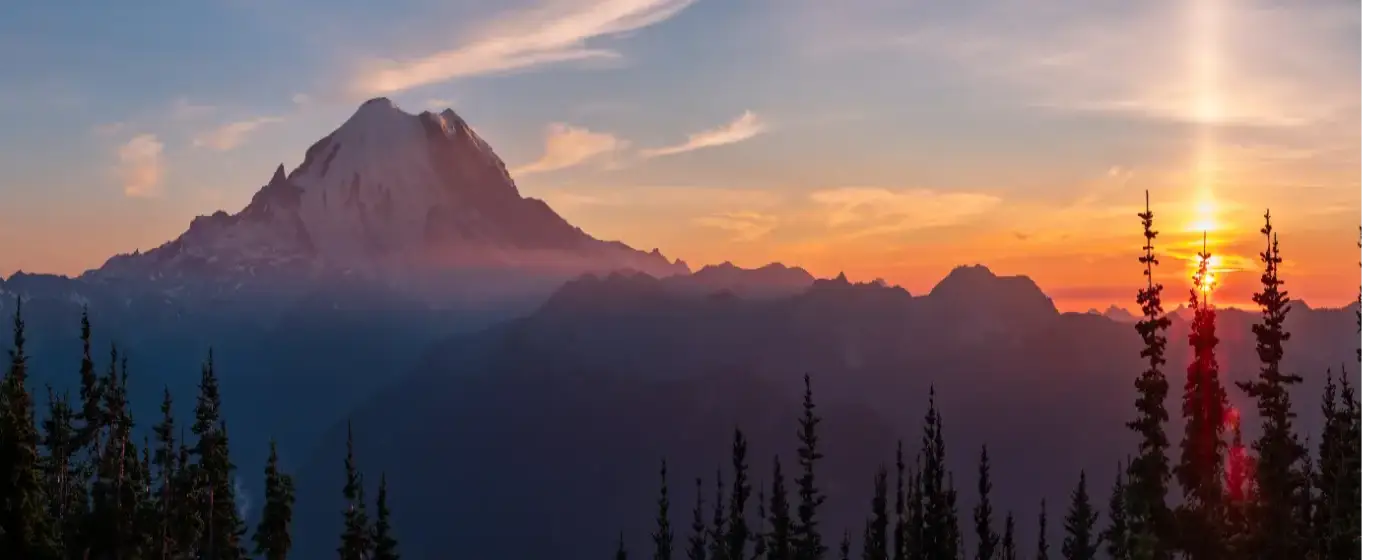
Maybe you've done the math on Western Washington and couldn't make it pencil. Maybe you've been watching hop-yard sunsets on the Yakima Valley Highway and started wondering what it would cost to stay. The case for retiring in Sunnyside is fundamentally about purchasing power: a Zillow Home Value Index of $298,958 (2026) puts you in a full detached home — often single-level, often with a yard — for what a studio costs in Seattle's suburbs. That price point sits alongside flat terrain, a genuine small-city pace, and a healthcare anchor right inside city limits. The catch is honest: Sunnyside is a working agricultural town in South Central Washington, not a resort retirement corridor, and its amenities reflect that.
The economic backbone here is real and unglamorous — Darigold's dairy processing plant, Yakima Valley hop and wine operations, and Astria Sunnyside Hospital and Clinics, which is both the city's major healthcare employer and the medical facility you'll actually use in retirement. The hospital's presence in a city this size is the single most important practical fact for retirees considering the area. The social fabric is shaped by a predominantly Latino community, bilingual institutions, and the rhythms of agricultural harvest seasons — if that resonates with you, the integration feels natural; if you're expecting a manicured retirement enclave, you'll be surprised.
On a fixed income, Sunnyside's cost structure is genuinely favorable. Overall living costs run approximately 4% below the national average and noticeably below the Washington state average, and Washington levies zero personal income tax — meaning your Social Security, pension, and IRA withdrawals land untouched by state government. Property taxes at an effective rate of approximately 0.82% are manageable on a paid-off home, and Washington's senior exemption program kicks in at age 61, earlier than nearly any other state. For outdoor life, the hop yards, nearby vineyards, and Black Rock Creek Golf Club give retirees genuine recreation without driving to a metro area.
Whether you're ready to make the move or still comparing options, the sections below walk through what healthcare access looks like day to day, how the retiree tax picture works, what you can actually buy when downsizing, and how Sunnyside stacks up against Grandview, Prosser, Zillah, and other nearby towns that compete for the same retirement dollar.
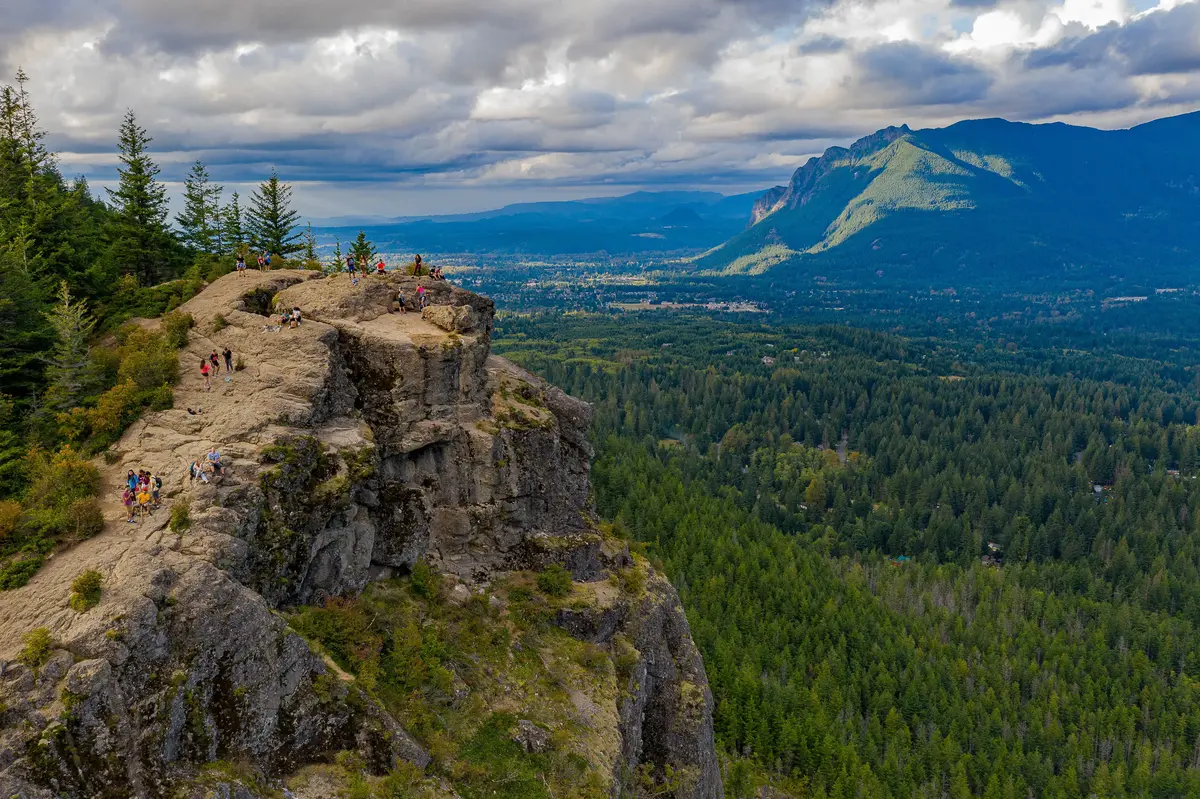
Why Retirees Are Choosing Sunnyside
The retirees who land in Sunnyside and stay are almost always chasing two things simultaneously: a paid-off or nearly paid-off home and a hospital within reach. With a Zillow Home Value Index of $298,958 (2026), Sunnyside is one of the few places in Washington where a retiree on a moderate fixed income can buy single-level, move-in-ready housing outright — or carry a very small mortgage — while keeping the rest of their savings intact. That combination of low entry cost and in-city healthcare is genuinely rare in the Pacific Northwest.
Sunnyside fits best if you're comfortable with a small-town pace and don't need urban amenities close by. Weekend dining options are limited to a handful of local restaurants along Yakima Valley Highway, and the nearest major shopping corridors are roughly 35 minutes north toward Yakima. Retirees who've spent careers in agricultural or working-class communities often find the city's straightforward character refreshing. Those arriving from larger metros expecting coffee-shop density or arts programming will need to calibrate expectations.
The case against Sunnyside in retirement is also real. If you or a partner has complex cardiac, oncological, or neurological needs that require frequent specialist visits, the honest answer is that advanced tertiary care means a road trip — more on that below. Summers are hot and dry in the Yakima Valley, with stretches above 100°F that can be challenging for older adults. And the city's walkability score for daily errands is low enough that you'll want to be realistic: retirement here works better with a car than without one.
Healthcare & Medical Access in Sunnyside
Your In-City Anchor
Astria Sunnyside Hospital, at 1016 Tacoma Ave, is a 25-bed critical access hospital that has operated in the city since 1946. For a community of roughly 16,000 people, the depth of services it carries is notable: a 24-hour Level IV emergency room, an intensive care unit, a Level I cardiac facility, a full cancer center, and specialist clinics covering cardiology, orthopedics, oncology/hematology, nephrology, neurology, sleep medicine, audiology, and a wound care and hyperbaric chamber unit. An orthopedic surgeon joined the medical staff in September 2025, filling a gap that previously required patients to travel. For the routine-to-moderate medical needs that define most retirees' early years, Astria Sunnyside covers a genuine breadth of ground.
Walk-In and Home Care Layers
Beyond the hospital itself, Astria operates a Rapid Care walk-in clinic at 1812 E Edison Ave — the practical first stop for non-emergency issues without a full ER visit. Home health and therapy services operate from separate Sunnyside addresses, meaning that retirees who eventually need post-procedure recovery support or in-home physical therapy can often arrange it locally. That layered structure matters when you're on Medicare and trying to minimize out-of-pocket exposure for routine care.
Astria Health accepts traditional Medicare, Medicare Advantage, and Medicare Supplemental plans. No patient is denied service based on an inability to pay, and income-based discounts are available — a relevant detail for retirees whose retirement income puts them in a middle tier where they're not broke but also not cushioned.
The Honest Distance Reality
Critical access hospital status means Astria Sunnyside is not a Level I or Level II trauma center, and there are meaningful gaps in tertiary-level care. Complex cardiac surgery, advanced neurosurgery, high-acuity oncology treatment, and trauma above Level IV require transfer — typically to Yakima, about 35 minutes north, or farther to Tri-Cities. If you or a partner has a condition that makes frequent specialist travel likely, factor that drive into the retirement calculus seriously. Most retirees find the in-city access sufficient for the first several years; it's the later years where distance matters most.
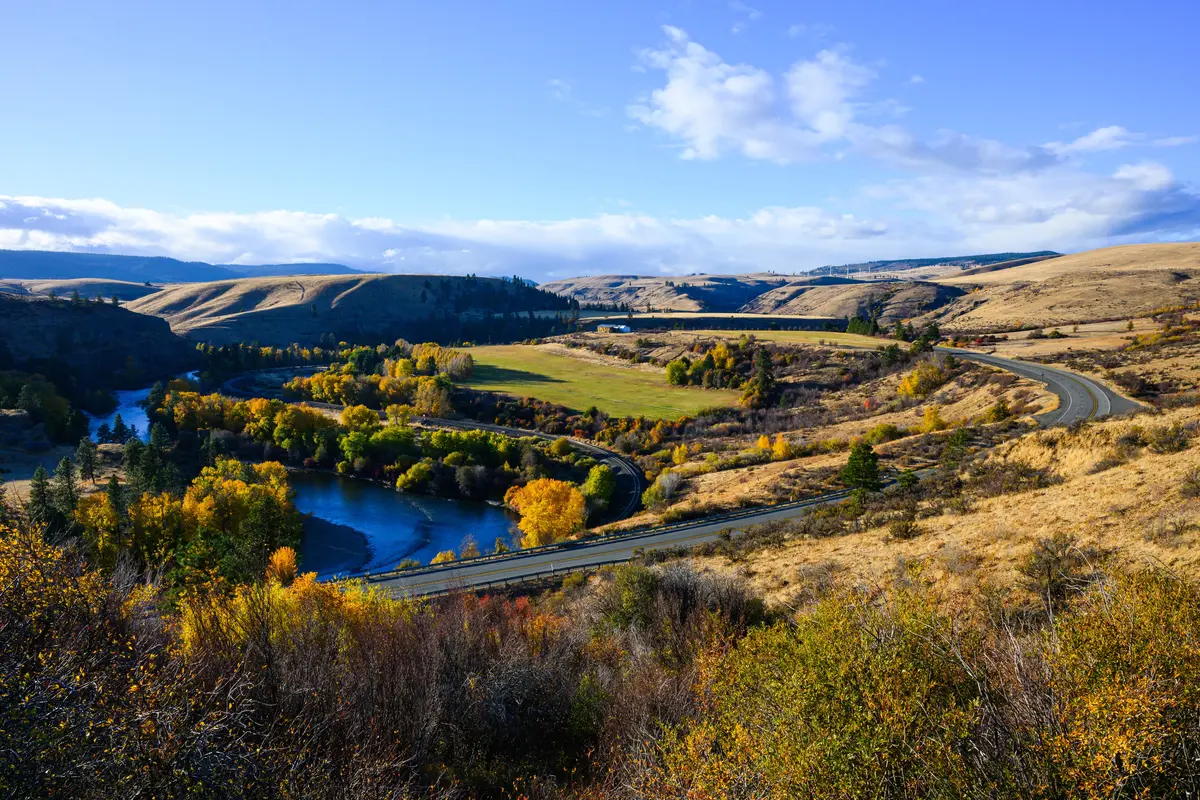
The Retiree Budget in Sunnyside
Washington's Tax Posture for Retirees
Washington State levies no personal income tax. That means your Social Security benefits, pension distributions, IRA withdrawals, and 401(k) income arrive without any state tax filing obligation at all — you don't even submit a Washington state return. For retirees moving from Oregon, California, or states with graduated income taxes, this is a material financial shift, not a talking point.
Washington does have a 7% long-term capital gains tax, which occasionally alarms relocating retirees. In practice, it exempts all transactions through retirement accounts — 401(k)s, IRAs, Roth IRAs, defined-benefit plans — and only applies to gains above a $278,000 annual standard deduction (2025 figure, adjusted annually for inflation). The vast majority of retirees are unaffected.
Property Tax Advantages for Older Owners
Sunnyside's effective property tax rate is approximately 0.82%, which on a home at the city's current Zillow Home Value Index is already modest relative to national norms. Washington's senior property tax exemption (under RCW 84.36.381) is available at age 61 — four years earlier than the threshold most states use — and operates on a tiered income structure that can significantly reduce or eliminate the regular tax bill on a primary residence. For retirees whose income has dropped at retirement, the income thresholds are worth checking carefully; many qualify for more relief than they expect.
A separate Property Tax Deferral Program allows homeowners with combined disposable income up to $57,000 to defer the second-half property tax installment, providing cash-flow relief when Social Security timing and investment distributions don't align neatly. Together, these programs make Sunnyside's property tax burden notably lighter in practice than the base rate already suggests.
Day-to-Day Costs on a Fixed Income
Groceries, utilities, and local services run below both the national and state average — the overall cost-of-living index sits approximately 4% below the national norm and noticeably below the Washington state average. That spread compounds meaningfully on a fixed income. Dining at local restaurants runs at small-city price points, not metro restaurant tabs. The honest caveat is that Sunnyside lacks the grocery and retail variety of larger cities, so some shopping trips head toward Yakima, adding gas and time costs that don't show up in a cost-of-living index. See the full breakdown on the cost of living page.
Looking to buy in Sunnyside? Estimate your payment.
Enter your numbers to see an estimated monthly mortgage payment.
Estimate only. Excludes HOA fees and mortgage insurance. The interest rate above is a starting point, not a quoted rate — replace it with your own to see real numbers. Insurance is a flat placeholder, not a Sunnyside quote.
Walkability, Community & Staying Active in Sunnyside
The Walkability Reality
Sunnyside is flat — the Yakima Valley terrain gives you that — but it was built around cars, not pedestrians. Most daily errands require a vehicle. The grid of streets around downtown and near South Hill Park is navigable on foot or by bicycle, and some retirees who buy close to the city center find they can walk to a handful of services. But the chain pharmacies, medical offices, and major grocery options are spread across a car-oriented corridor, and expecting to go fully car-free here would mean structuring your life around what's within a very short radius.
Parks and Outdoor Life
The flat, sunny climate that produces hop yards and vineyards is also genuinely good for year-round outdoor activity — with the exception of peak summer heat. South Hill Park and Sunnyview Park give retirees accessible green space for morning walks without driving. Black Rock Creek Golf Club is the go-to for retirees who golf; it keeps the sport accessible at small-city rates rather than resort pricing. The surrounding Yakima Valley offers wine-tasting drives, farm stands, and orchard roads that make for relaxed afternoon recreation without long-distance travel. For a full picture of trails and outdoor amenities, the parks page covers it in detail.
Senior Community and Social Life
Sunnyside's senior services operate through Yakima County's broader network, including meal programs, transportation assistance, and activity coordination. The local senior center provides a consistent gathering point — cards, potlucks, and organized day trips — that many retirees cite as their first entry point into local social life. The community's bilingual character means that Spanish-speaking retirees, or those who've spent careers in diverse environments, often find an easier social integration here than in more homogeneous small towns.
What you won't find is a purpose-built retirement lifestyle community with a full activity calendar on-site. Social life in Sunnyside is built through churches, service organizations, agricultural event seasons — the Sunnyside Sunshine Days festival, harvest-season events — and the kind of neighbor-and-diner-counter relationships that define small cities. If that's the retirement social structure you're looking for, it fits. If you're expecting a clubhouse activity director, look at Prosser or Yakima instead.
Right-Sizing: Downsizing in Sunnyside
What the Housing Stock Looks Like
Sunnyside's housing inventory skews toward single-story or story-and-a-half ranch-style homes built between the 1950s and 1990s — a format that suits downsizing retirees better than many similarly-priced markets where the affordable stock is two-story and stairs become a long-term liability. Older construction in the city's established residential pockets often includes larger lots than you'd expect at this price point, which is a draw for retirees who want outdoor space without the maintenance of a large home.
Entry-level single-family inventory starts well below the city's median, meaning retirees selling a paid-off home in a pricier market can frequently buy in Sunnyside outright and bank the difference. The city-wide Zillow Home Value Index sits at $298,958 (2026), but turnkey single-level homes in good condition can trade above that if they're updated; more dated homes come in below it. Inventory is genuinely limited — this is a small city — and homes that are priced right and move-in ready tend to move without sitting long.
Assisted Living and Care-Level Options
For retirees thinking one step ahead, Sunnyside's assisted living cost structure is a meaningful advantage. Facility costs in the city typically run from roughly $2,090 to $5,820 per month, with a median near $4,843 per month — below Washington state's own median for comparable care. That spread gives retirees more runway to age in place or transition into supported living without exhausting assets as quickly as they would in Spokane, Yakima, or the Puget Sound region.
What's Missing
Sunnyside does not have a dedicated 55-plus or active-adult gated community with amenity packages — no pickleball courts inside the gates, no HOA-organized fitness schedule. Retirees looking for that specific product type are more likely to find it in Prosser or, at higher cost, in the Tri-Cities. What Sunnyside offers instead is affordable, flat, single-level housing with low overhead and in-city healthcare — a combination that suits the retiree who wants financial security and medical proximity more than lifestyle programming.
Sunnyside vs Nearby Retirement Destinations
| City | Cost vs Sunnyside | Primary Hospital | Walkability | Senior Living Depth | Overall Retirement Fit |
|---|---|---|---|---|---|
| Sunnyside | Anchor | Astria Sunnyside Hospital (in-city, 24/7 ER, ICU, cardiac, cancer center) | Low — car needed for most errands; flat terrain | Assisted living options; no dedicated 55+ community | Value Quiet Strong for budget-focused retirees with medical needs |
| Grandview | About the same | Relies on Astria Sunnyside or Yakima for hospital-level care | Low — very small city, car-dependent | Limited; fewer options than Sunnyside | Value Suits retirees who prioritize low cost and rural quiet over services |
| Granger | Noticeably cheaper | No local hospital; Sunnyside or Yakima for care | Very low — minimal commercial walkability | Minimal local options | Privacy Best for self-sufficient retirees; limited services |
| Zillah | About the same | No in-city hospital; relies on Sunnyside or Yakima | Low; small-town grid, car required | Very limited | Nature Good for vineyard-lifestyle retirees; less medical infrastructure |
| Prosser | Slightly pricier | Prosser Memorial Health (critical access, 24/7 ER) | Low to moderate; compact downtown walkable for some errands | Several assisted living and memory care facilities | Community Value Strong alternative — more senior living options, wine-country setting |
| Mabton | Noticeably cheaper | No local hospital; Sunnyside is nearest | Very low; tiny community | Essentially none locally | Privacy For deeply rural retirees only; no local services to speak of |
Prosser is the most direct competitor for retirees weighing Sunnyside. It carries a slightly higher price point but offers a walkable downtown, a comparable critical access hospital, and a more developed assisted living market — making it the better call for retirees who want lifestyle options alongside affordability. Grandview and Zillah cost about the same as Sunnyside but lack in-city hospital access, which is a significant practical gap for older adults. Granger and Mabton are meaningfully cheaper but offer so little local infrastructure that they really only suit retirees who are completely self-sufficient and willing to drive for everything. Sunnyside holds its own as the best balance of in-city healthcare, manageable cost, and small-city services among the Yakima Valley options south of Yakima itself — the compromise is accepting limited lifestyle amenities in exchange for financial and medical stability.
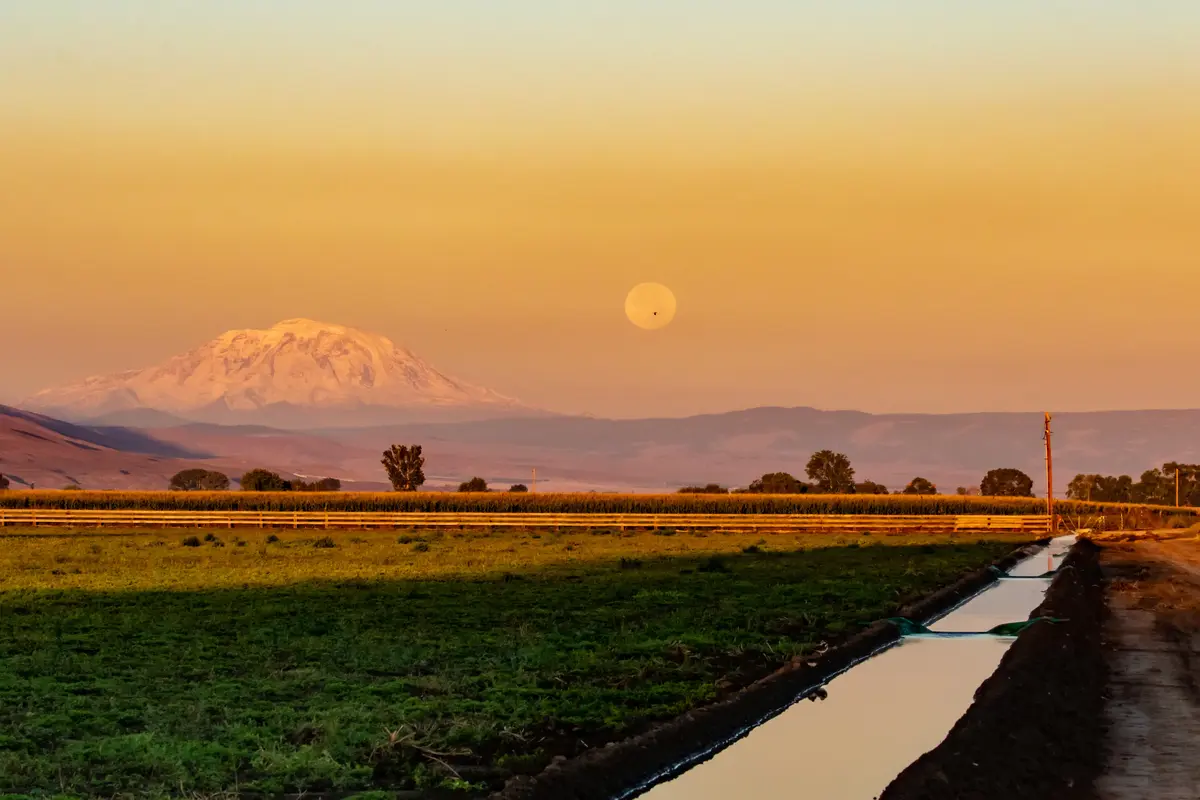
Local Expert Takeaway: Sunnyside's retirement case rests on a specific combination that's harder to find than it looks: a home you can actually own outright on a moderate fixed income, a hospital with an ICU and cardiac unit inside city limits at Astria Sunnyside on Tacoma Ave, and Washington's zero-income-tax structure protecting every dollar of your Social Security and pension. Add the senior property tax exemption available at 61 under RCW 84.36.381 and the assisted living cost range running below the state median, and the budget math is genuinely favorable. What it isn't is a resort community — a morning walk around South Hill Park and dinner at one of the local restaurants along Yakima Valley Highway is the social infrastructure, not a clubhouse calendar. Retirees who've made peace with that and prioritize financial security and accessible healthcare over lifestyle programming tend to find Sunnyside works better than they expected.
Quick Takeaways & FAQs
✅ Washington's zero personal income tax means Social Security, pensions, and IRA withdrawals face no state tax — and the senior property tax exemption starts at age 61, four years earlier than most states.
⚠️ Sunnyside lacks a dedicated 55-plus community with amenity packages, and retirees who need complex specialist care beyond what Astria Sunnyside Hospital provides will face regular drives toward Yakima or farther.
📍 Astria Sunnyside Hospital at 1016 Tacoma Ave — a 25-bed critical access facility with a 24/7 ER, ICU, Level I cardiac unit, and cancer center — is the key practical reason retirees choose this city over smaller Yakima Valley alternatives.
Is Sunnyside, WA a good place to retire on a fixed income?
What hospital do retirees in Sunnyside use?
Does Washington State tax Social Security or pension income?
Are there 55-plus or active-adult communities in Sunnyside?
How does Washington's senior property tax exemption work in Sunnyside?
Moving to Washington?
Tell us what you need help with and we'll connect you with local resources.
