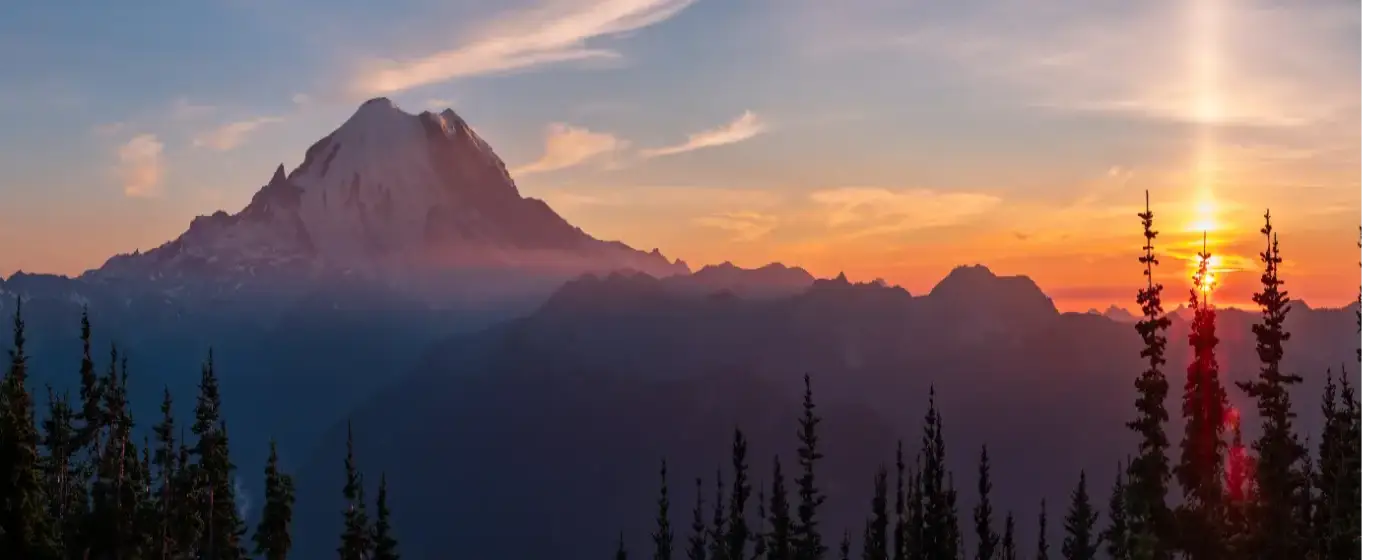
Most people who move to Sunnyside from west of the Cascades arrive expecting a sleepy agricultural town and leave surprised by how much neighborhood variety fits inside a city of 16,317 people. The Yakima Valley Hwy corridor — threading through the city's commercial spine — is the daily reference point almost every resident uses to orient themselves. North of it you get older, denser blocks; south and east of it you find newer subdivisions and, eventually, open farmland that segues into multi-acre parcels where neighbors keep their own hop yards. Understanding which side of that corridor you're on — and what the terrain does to your morning routine — shapes the buying decision more than any single price figure.
The economic backbone here is agriculture and processing: Darigold's dairy operation is a major employer, the Sunnyside School District employs a substantial share of the workforce, and Yakima Valley's famous hop and wine operations generate year-round seasonal activity. That agricultural identity is not just scenery — it determines commute patterns, school enrollment concentrations, and the rhythm of the town itself. The Sunnyside School District holds a C rating, according to Niche, which is an honest trade-off against a typical home value of $298,958 (Zillow Home Value Index, 2026) that is noticeably below what you'd pay in virtually any west-side market for a comparable property.
Cost of living here sits at a December 2024 index of 95.3 — marginally below the U.S. average — which means the purchasing power of a Yakima-area salary stretches further than the numbers on paper suggest. Sunnyview Park and South Hill Park (Sunnyside's largest, with tennis courts and a community center) anchor recreational life. The drive to Yakima runs roughly 35 minutes on I-82, which is the realistic commute for anyone working up-valley. Hop-harvest season in late August and September brings a particular kind of organized chaos to surface roads that newcomers consistently underestimate.
Whether you're relocating from the west side, coming in from out of state, or simply considering a move within the Yakima Valley, the sections below break down Sunnyside's eight neighborhoods by price, character, trade-offs, and buyer type — plus a candid look at common mistakes and the rental market.
The Sunnyside Reality
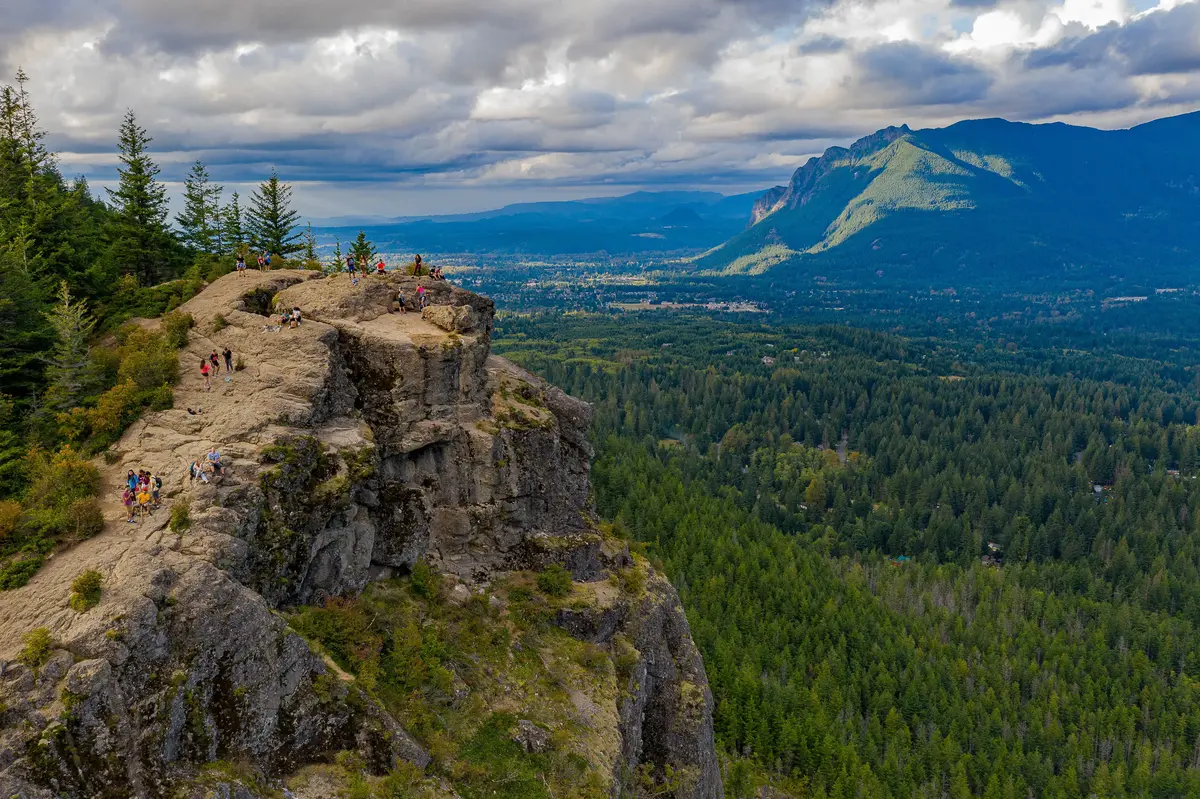
The divide that matters most in Sunnyside is elevation and age of construction, not compass direction. The flat, older blocks surrounding downtown — bounded roughly by Edison Ave to the north and the Yakima Valley Hwy to the south — hold the city's older post-war ranch homes: solid bones, small lots, and walking distance to downtown amenities, but also higher density and the noise and activity that come with a commercial corridor. Buyers who don't walk those streets before writing an offer are often surprised by how tight the lots feel once they're living there.
Move uphill toward the South Hill and Hillside areas, or out east toward Valley View, and the character shifts noticeably. Lots get larger, construction gets newer, and the distance from the Yakima Valley Hwy creates a quieter daily experience — but you're now fully car-dependent for groceries, coffee, or a burger at Bob's Drive In on Yakima Valley Hwy. That compromise is the central tension in every Sunnyside buying decision: walkable older stock versus quieter newer stock that requires a drive for everything.
School boundary lines in the Sunnyside School District track neighborhood geography closely, but feeder patterns can shift at the elementary level. Buyers with school-age children should verify current attendance boundaries directly with the district — don't assume that a home two blocks from a school feeds into it. See the full Sunnyside schools breakdown before finalizing any neighborhood decision.
Neighborhoods at a Glance
| Neighborhood | Best For | Price Range | Vibe |
|---|---|---|---|
| Downtown Sunnyside | Walkable First-Time | $200,000–$270,000 | Older stock, dense lots, walkable core |
| South Hill | Families Value | $270,000–$320,000 | Mid-size lots, park access, established feel |
| Sun Valley | Families Commuter | $280,000–$340,000 | Newer subdivisions, tidy streets, car-dependent |
| Chief Kamiakin area | First-Time Renter | $190,000–$255,000 | Affordable, mixed housing, central location |
| Harrison area | Quiet Value | $220,000–$275,000 | Residential calm, older homes, low turnover |
| Outlying hobby-farm district | Nature Privacy | $310,000–$450,000+ | Multi-acre parcels, rural feel, agricultural neighbors |
| Hillside | Views Luxury | $320,000–$420,000 | Elevated lots, Yakima Valley views, newer builds |
| Valley View | Families School | $275,000–$340,000 | Quiet east-side, growing pocket, family-oriented |
Best Neighborhood by Buyer Type
| Buyer Type | Best Neighborhood | Why |
|---|---|---|
| First-Time Buyer | Chief Kamiakin area | Entry prices under $255,000 give the lowest financial barrier in the city without sacrificing a central location. |
| Luxury Buyer | Hillside | The highest price ceiling in Sunnyside buys elevated lots with open Yakima Valley views unavailable anywhere else in the city. |
| Walkability Seeker | Downtown Sunnyside | It's the only neighborhood where errands, a morning coffee stop, and downtown dining are reachable without a car. |
| Families with Kids | South Hill | Proximity to South Hill Park — Sunnyside's largest, with a community center and tennis courts — makes after-school life genuinely convenient. |
| Commuters | Sun Valley | Sun Valley's position gives relatively direct I-82 access for the roughly 35-minute drive up to Yakima. |
| Large-Lot Buyers | Outlying hobby-farm district | Multi-acre parcels here are the only realistic way to keep livestock, maintain a personal hop yard, or simply buffer yourself from neighbors. |
| Renters | Downtown Sunnyside | The highest rental density and widest unit variety sit in the downtown core, where the city's approximately 44% renter share concentrates most visibly. |
Looking to buy in Sunnyside? Estimate your payment.
Enter your numbers to see an estimated monthly mortgage payment.
Estimate only. Excludes HOA fees and mortgage insurance. The interest rate above is a starting point, not a quoted rate — replace it with your own to see real numbers. Insurance is a flat placeholder, not a Sunnyside quote.
Most Popular Neighborhoods
Downtown Sunnyside
The walkable core of the city runs along and just north of the Yakima Valley Hwy, where Bob's Drive In — a Lower Valley institution since 1947 — and a handful of independent restaurants and cafés anchor a commercial strip that gives this neighborhood more on-foot access than anywhere else in Sunnyside. Lots are tight and the older housing stock means deferred maintenance is common; budget for inspection surprises. Prices in the $200,000–$270,000 range make this the most accessible entry point for buyers who genuinely want to walk somewhere after work.
Best for: First-time buyers, anyone who values walkable streets over lot size.South Hill
South Hill sits at a price point — $270,000–$320,000 — that lands squarely in the city's middle range, and the access to South Hill Park (tennis courts, community center) is the neighborhood's clearest daily-life advantage over comparable blocks elsewhere. The compromise here is that lot sizes are mid-range, not large, so buyers expecting a big backyard alongside park access may feel the squeeze. It's the neighborhood that consistently attracts parents with school-age children precisely because outdoor space doesn't require a long drive.
Best for: Families with kids, buyers who want park access built into their daily routine.Sun Valley
Sun Valley is Sunnyside's clearest example of newer subdivision living: tidy streets, more consistent construction quality, and prices in the $280,000–$340,000 range that reflect the relative newness without cresting into premium territory. The downside is full car dependence — there is no errand you run on foot here, and the distance from any downtown amenity is felt daily. For Yakima commuters, the relative proximity to I-82 is a genuine practical benefit.
Best for: Commuters to Yakima, families who prioritize newer construction over walkability.Chief Kamiakin Area
The Chief Kamiakin area carries the city's lowest accessible price band — $190,000–$255,000 — and a mixed housing stock that includes manufactured homes alongside traditional single-family construction, which widens the entry door considerably. The trade-off is that the area draws more rentals and sees higher turnover than quieter residential pockets, so the neighbor-stability that some buyers prize is less certain here. For a first purchase with a modest down payment, this is where the math most often pencils out in Sunnyside.
Best for: First-time buyers, buyers using entry-level financing, renters transitioning to ownership.Harrison Area
Harrison is the neighborhood that long-term Sunnyside residents tend to point to when they talk about quiet, stable residential streets — older homes in the $220,000–$275,000 range, low turnover, and a lack of the through-traffic that affects blocks closer to the Yakima Valley Hwy. The catch is that older construction here means you're buying character and quiet at the potential cost of updated systems; a thorough inspection is not optional. It doesn't generate the buzz that South Hill or Sun Valley do, which is largely why inventory is thin when it appears.
Best for: Buyers who value residential calm over amenity proximity, patient shoppers who can wait for the right listing.Outlying Hobby-Farm District
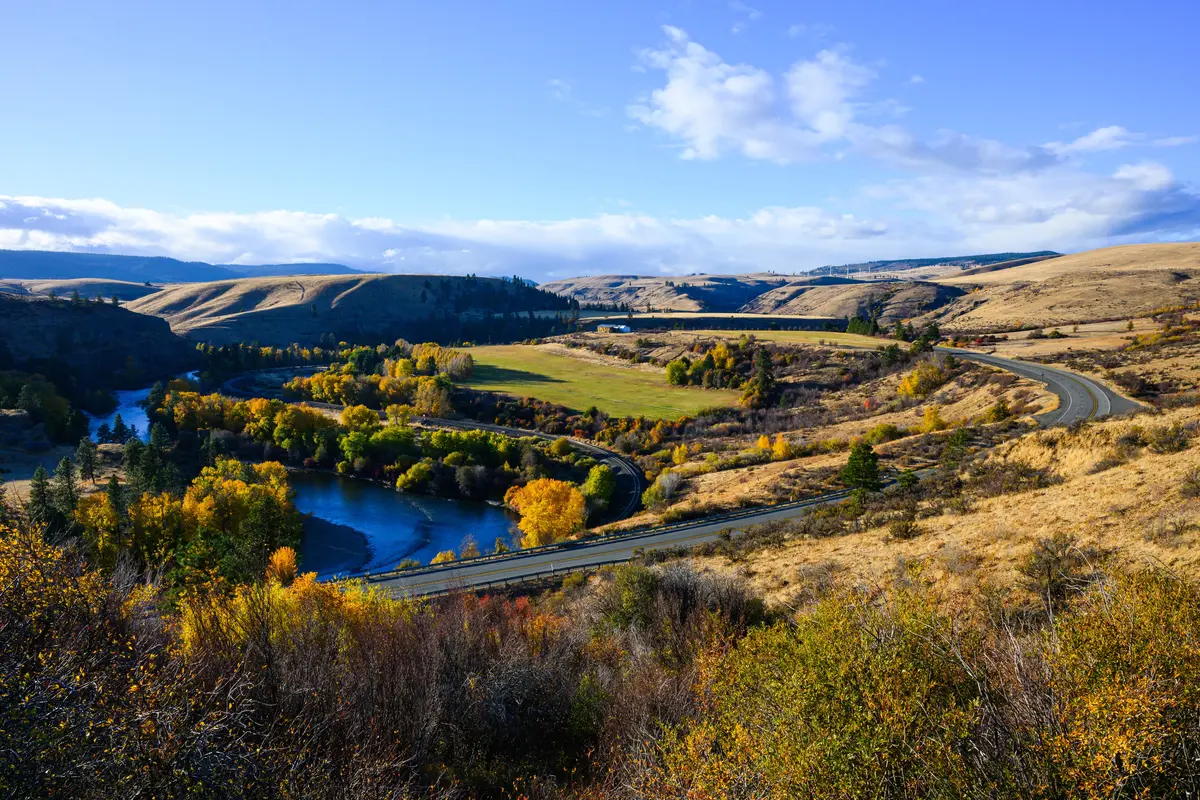
On Sunnyside's edges, multi-acre parcels transition almost seamlessly into the working agricultural land that defines the Yakima Valley — this is where you find cottages and farmhouses on genuine acreage, some with personal hop yards or small livestock operations, priced from $310,000 into the $450,000-plus range depending on parcel size and improvements. The honest limitation is that this is deeply rural living by Washington standards: response times, school bus routes, and the distance to any commercial amenity require a realistic assessment before committing. Yakima Valley Partners Habitat for Humanity's 2024 groundbreaking on Linn Street signals some investment in Sunnyside's residential stock, but new infill construction is not reaching this fringe district.
Best for: Buyers who want large-lot privacy, agricultural hobbyists, anyone who genuinely wants rural character without leaving city limits.Hillside
Hillside commands the city's upper price band — $320,000–$420,000 — and earns it through elevated lots with open sight lines across the Yakima Valley that no flat-land neighborhood can replicate. Newer construction and larger lots give the area a more polished feel than the older ranch-home blocks downtown, but the elevation also means that in winter, icy surface streets on the way down are a real inconvenience that residents account for. If you're coming from a west-side market and the prices still feel low, this is where your budget goes furthest in Sunnyside.
Best for: Buyers prioritizing views and newer construction, relocating households from higher-cost markets.Valley View
Valley View occupies a quieter east-side pocket that has been growing gradually — families with school-age children and parents looking for calmer residential streets are the consistent buyer profile, and prices in the $275,000–$340,000 range place it just above the city median without reaching Hillside territory. The area is more car-dependent than downtown but less isolated than the outlying hobby-farm parcels, which puts it in a practical middle position for households running kids to activities and adults to work. Inventory here moves; the median 96 days on market citywide (June 2026) applies, but well-priced Valley View homes can move faster when they appear.
Best for: Families with school-age children, buyers wanting newer residential streets without the outlying rural trade-offs.Common Mistakes Buyers Make in Sunnyside
Treating the Yakima Valley Hwy as a Non-Factor
Homes within a block or two of the Yakima Valley Hwy feel dramatically different to live in than homes two blocks removed — truck traffic, commercial noise, and the general activity level are constants. Buyers who visit on a Sunday morning and fall in love with a price under $230,000 sometimes forget to revisit on a Tuesday at 7 a.m. Don't buy on the south side of Edison Ave without spending a weekday morning there first.
Assuming the Whole City Has the Same Character
Sunnyside compresses a lot of housing diversity into a relatively small footprint. Buyers relocating from outside the Yakima Valley sometimes underestimate how much the shift from a dense downtown block to the outlying hobby-farm district changes daily life — not just the drive, but school bus access, package delivery reliability, and the distance to anything on the Yakima Valley Hwy. Touring one or two neighborhoods and generalizing to the whole city is a consistent pattern among buyers who later feel they chose the wrong area.
Chasing Square Footage Over School Boundary Position
In a market where $310,000 can buy significant square footage, it's tempting to optimize purely for house size. But within the Sunnyside School District, elementary feeder patterns are specific enough that two homes on the same street can feed into different buildings depending on which side of the boundary line they fall. Families who prioritize a specific school need to verify the current boundary map with the district — not with the listing agent, not with a neighbor — before writing an offer. See the schools page for district context.
Underestimating Seasonal Agricultural Traffic
Hop harvest in late August and September, and grape harvest running into October, back surface roads near the outlying hobby-farm district and the eastern edges of Valley View with equipment that doesn't yield to commuter timing. For buyers choosing the outlying parcels specifically because they love the agricultural character, this is a feature. For buyers who didn't realize it would add 15 minutes to their morning drive for six weeks a year, it's a recurring frustration. Ask sellers directly about seasonal road conditions before closing on anything near active farm ground.
Best Areas to Rent in Sunnyside
| Area | Ideal For | Typical Rent Range | Trade-off |
|---|---|---|---|
| Downtown Sunnyside | Singles, couples, new arrivals | $900–$1,100/mo (1BR–2BR) | Highest density, most activity and noise near the Yakima Valley Hwy |
| Chief Kamiakin area | Budget renters, first-time renters | $850–$1,050/mo (1BR–2BR) | Higher turnover, mixed property quality; inspect carefully |
| South Hill | Families, longer-term renters | $1,050–$1,250/mo (2BR–3BR) | Less available rental stock; competitive when units do appear |
| Sun Valley | Commuters to Yakima, families | $1,100–$1,300/mo (2BR–3BR) | Full car dependence; no walkable amenities |
| Outlying hobby-farm district | Agricultural workers, privacy seekers | $1,000–$1,400/mo (varies widely by acreage) | Rural isolation; limited availability; lease terms vary |
With approximately 44% of Sunnyside households renting, the rental market is meaningfully active — but tight on quality stock. The manufactured-home communities spread across several neighborhoods provide an additional affordable tier that traditional apartment searches miss, and are worth exploring if budget is the primary constraint.
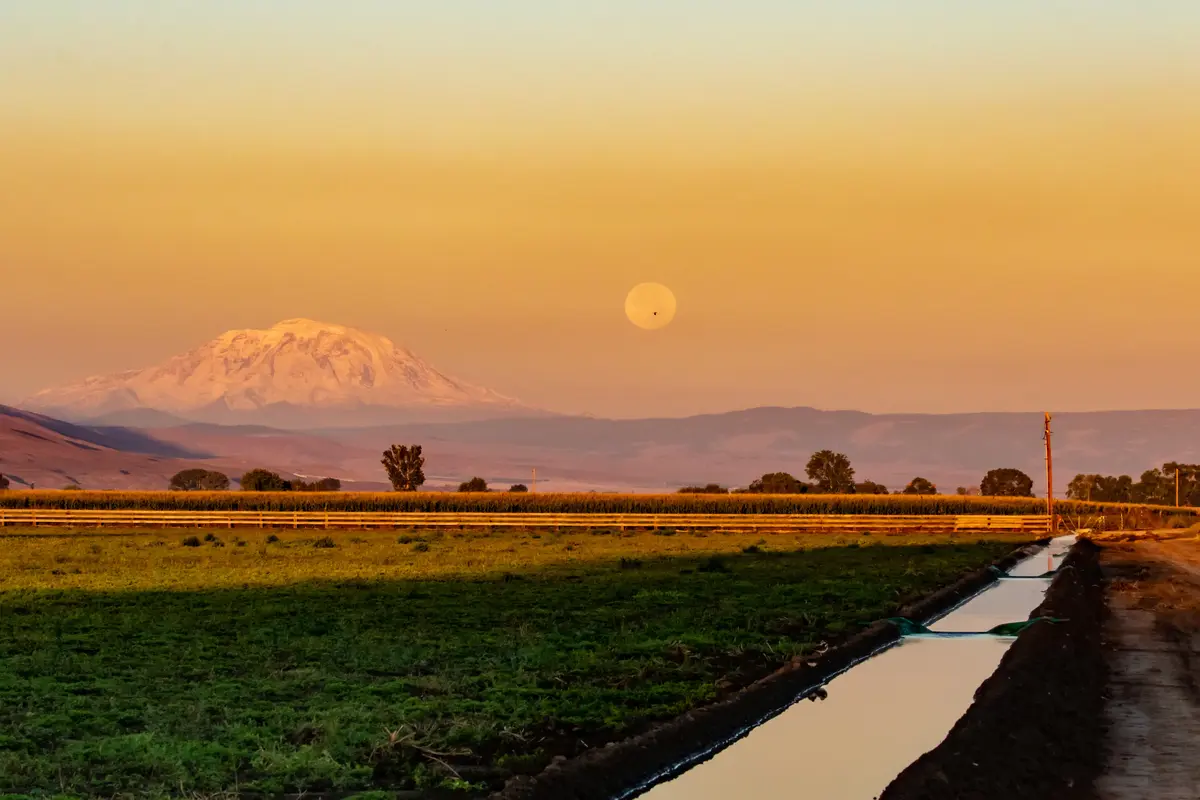
Local Expert Takeaway: The buyers who end up happiest in Sunnyside are the ones who picked a neighborhood based on a specific daily-life need — park proximity in South Hill, I-82 access in Sun Valley, genuine acreage in the outlying district — rather than the first price that looked good on a screen. The Yakima Valley Hwy is the real dividing line: life north and south of it is audibly and visibly different. If you want walkability to downtown dining and Bob's Drive In, Downtown is your neighborhood. If you want quiet, buy uphill. There is no neighborhood in Sunnyside that gives you both.
Quick Takeaways & FAQs
✅ Sunnyside's typical home value of $298,958 (Zillow Home Value Index, 2026) delivers genuine square footage and lot size that comparable dollars simply cannot buy in western Washington markets.
⚠️ The Sunnyside School District's rating is an honest trade-off that families with school-age children should research thoroughly before committing to any specific neighborhood — see the full schools breakdown for details.
📍 Hop harvest season (late August through October) backs up surface roads near the eastern and outlying neighborhoods for weeks at a time — a seasonal reality no relocation spreadsheet will warn you about.
What is the most affordable neighborhood in Sunnyside, WA?
Which Sunnyside neighborhood is best for families with kids?
Are there neighborhoods in Sunnyside with large lots or acreage?
How long are homes sitting on the market in Sunnyside right now?
What is the best neighborhood in Sunnyside for renters?
Moving to Washington?
Tell us what you need help with and we'll connect you with local resources.
