
You've probably done the math already. California's top marginal income tax rate hits 13.3% — the highest in the nation — and the statewide median home price sits at approximately $785,000. Then someone mentions Cheney, Washington, a compact college town of about 12,800 people tucked 16 miles southwest of Spokane on a basalt plateau in the Inland Northwest, and the spreadsheet suddenly looks very different. Washington levies zero income tax on wages for 2025 and 2026. Cheney's typical home value is $415,802 (Zillow Home Value Index, 2026). The instinct to dismiss it — that can't be a real place — is the first thing this guide will fix.
What actually holds Cheney together is Eastern Washington University, a 300-acre Division I campus that swells the city's population to roughly 17,600 when classes run. EWU is the dominant employer, the cultural engine, and the reason Cheney has a downtown restaurant row, a walkable core, and a stable rental market that extends well beyond student housing. Fairchild Air Force Base, about 9 miles to the west, adds a second economic anchor and a steady population of military families who have chosen the same trade-offs you're now evaluating. The Cheney School District serves the community's permanent residents, and the schools page covers that in detail.
Cheney's cost of living runs approximately 4% below the national average and about 15% below the Washington state city average — driven almost entirely by housing. What that means in practice: the grocery run at the local market, dinner at the downtown restaurant row, and a weekend afternoon at Turnbull National Wildlife Refuge all feel remarkably affordable by Bay Area or Southern California standards. Health insurance premiums run noticeably below what most Californians are accustomed to paying, though you will drive farther for specialist care. The full cost-of-living breakdown is here.
Whether you're being transferred to Fairchild, priced out of the Sacramento Valley, or simply done with California's tax bill, the sections below break down the California-to-Cheney financial comparison in detail, cover what the lifestyle shift actually looks like, and give you the honest list of what this move costs you — not just what it saves you.
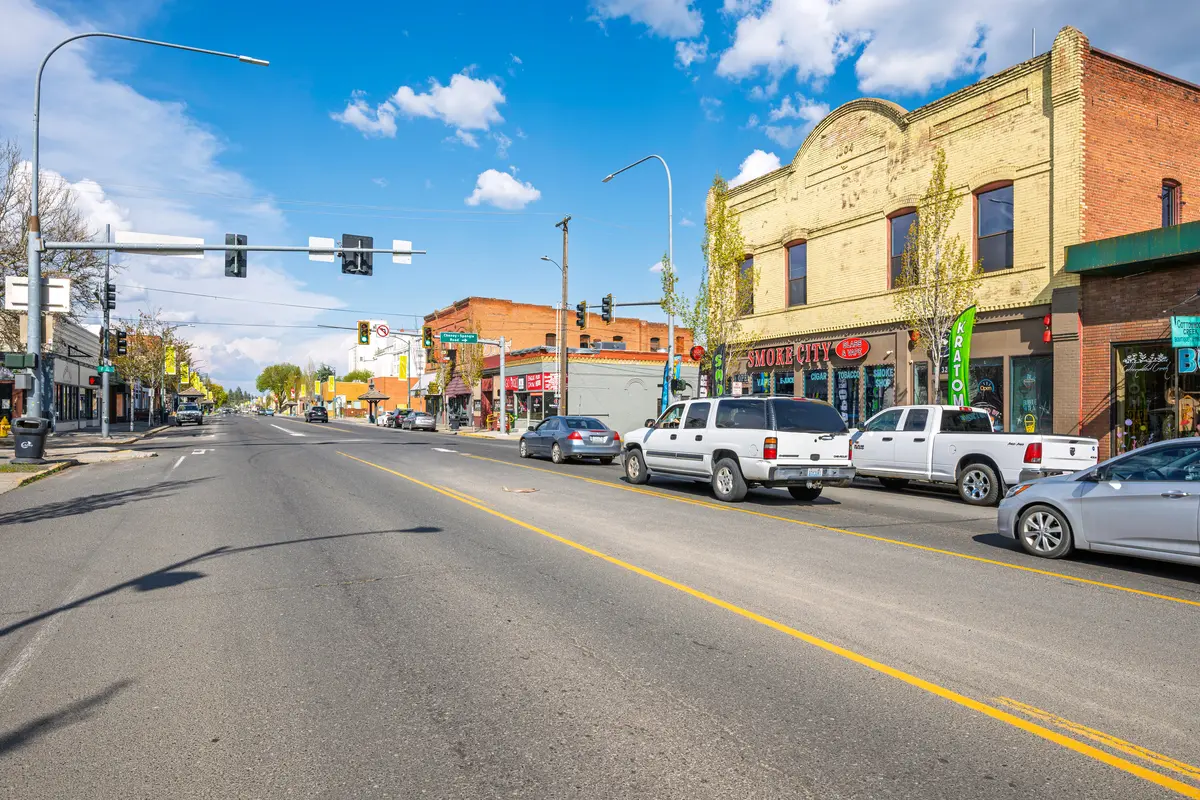
The Tax Picture: What Leaves Your Paycheck When You Cross the Border
The income tax story is the one that lands first for most Californians, and it's real. Washington has no state income tax on wages or salaries — a fact that holds through at least the end of 2027. The 2026 legislature did enact a new income tax, but it applies only to adjusted gross income above $1 million and doesn't take effect until January 1, 2028. For the overwhelming majority of Californians relocating to Cheney, the state income tax bill goes to zero on moving day.
In California, that bill is substantial. The state's marginal rates begin at 1% and climb to 13.3% at the top — and that 13.3% kicks in well before most people assume. A California household earning $100,000 per year saves approximately $5,762 annually in state income tax simply by moving to Washington. At $150,000, the savings grow further. Run that over a decade and you're describing a down payment in many markets.
The capital gains picture is more nuanced. California taxes capital gains as ordinary income — at rates up to 13.3% — which hits hard on a home sale, a stock portfolio, or any appreciated asset. Washington taxes 7% on long-term capital gains above a $278,000 standard deduction for 2025, rising to 9.9% on gains above $1,000,000. For most sellers moving from a California home with significant appreciation, Washington's treatment is still meaningfully more favorable. But if you're arriving with a large investment portfolio and planning to realize gains in the same year you move, get a tax advisor on the phone before you finalize the timeline.
The Sales Tax Trade-Off
Sales tax is the one line where Washington wins less cleanly. Cheney's combined sales tax rate is 8.9% — Washington's 6.5% state rate plus a 2.4% city surcharge. California's statewide base rate is 7.25%, though most California cities layer local additions on top of that, and many Bay Area and Los Angeles County residents pay 9.5% or higher. If you were living in a high-local-add-on California city, Cheney's 8.9% is actually an improvement. If you were in a lower-tax-rate California jurisdiction, expect a modest increase on everyday purchases.
| Tax Type | California | Cheney, WA | Net Impact for Relocators |
|---|---|---|---|
| State income tax (wages) | 1%–13.3% | 0% (through 2027) | Large annual savings for most earners |
| Capital gains (long-term) | Up to 13.3% (ordinary income rate) | 7% on long-term capital gains above a $278,000 standard deduction for 2025, rising to 9.9% on gains above $1,000,000 | Favorable in WA for most situations |
| Sales tax (Cheney combined) | 7.25% base (higher in many cities) | 8.9% | Higher than CA base; similar to CA cities with local add-ons |
| Effective property tax rate | ~0.76% | 0.83% | Modestly higher in Cheney; offset by far lower purchase prices |
| Estate / inheritance tax | None at state level | None at state level | Even |
| State SDI / disability insurance | Required payroll deduction | No equivalent deduction | Slight take-home improvement in WA |
The property tax rate sits at 0.83% in Cheney — slightly above California's approximately 0.76%. But that comparison only makes sense alongside the price difference it's applied to.
The Housing Math: What $415,802 Actually Buys Here
Cheney's typical home value is $415,802 (Zillow Home Value Index, 2026). The California statewide median sits at approximately $785,000. That's not a rounding difference — it's a different category of purchase entirely, and it reshapes what's financially possible for buyers arriving from nearly any California market.
Applied to Cheney's figure, the 0.83% effective property tax rate is a manageable annual number. Applied to a $785,000 California home, even the slightly lower California rate produces a far larger dollar obligation. The absolute property tax bill in Cheney will almost certainly be lower than what you were paying in California — the rate difference is narrow; the price difference is not.
What the Purchase Price Means in Practice
In Cheney, $415,802 gets you a real house — not a condo share or a teardown. Buyers arriving from the Bay Area or coastal Southern California frequently describe the experience of seeing their first listings as disorienting. A three-bedroom with a yard and a two-car garage, priced under $400,000, is not an anomaly here. Entry-level properties from older housing stock can come in well below the city-wide figure.
The neighborhoods around the EWU campus and the Westside see the broadest selection of move-in-ready single-family homes. Areas like Fairway Green and Golden Hills attract families with school-age children and tend to have more recent construction. For a deeper look at how individual areas compare, the neighborhoods guide covers each one.
What Californians Often Underestimate
The purchase price is straightforward. The lifestyle recalibration is less so. Cheney is a small city — 12,800 permanent residents, growing to roughly 17,600 during the academic year. If you're arriving from San Diego or the Los Angeles metro, the retail footprint will feel thin. There's no Trader Joe's in Cheney; the nearest is in Spokane. The same applies to the kind of dense restaurant scene, weekend farmers markets, and walkable evening options that California cities deliver almost automatically. That's not a reason not to move — but it's the gap most Californians don't fully price in before they arrive.
Six months in, the thing that consistently surprises transplants isn't the weather or the small-town pace — it's how much they enjoy a Tuesday night out at a local spot without a 45-minute wait, and how quickly they stop missing the thing they thought they couldn't live without.

What You're Actually Trading: The Honest California-to-Cheney Balance Sheet
The financial case for this move is clean. The lifestyle case is more complicated, and doing this honestly means writing both sides of the ledger.
What You Gain
The income tax savings alone — zero on wages in Washington versus California's graduated rates that reach 13.3% — can be transformative for dual-income households. A household earning a combined $160,000 in California is sending a meaningful share of that to Sacramento every April. In Cheney, that line item disappears. Paired with a home purchase at roughly half the California statewide median, many buyers find they can own a larger home, carry less debt, and rebuild savings simultaneously — something that simply wasn't possible in their California zip code.
Cheney's cost of living running about 4% below the national average means the everyday budget also loosens. Groceries, utilities, and dining out at the independent spots along the downtown restaurant row track noticeably below what Californians are used to paying. Washington's minimum wage of $16.66 per hour (2025) means even service-sector workers here earn meaningfully above the federal floor, which holds up local business quality better than in lower-wage states.
What You Give Up
Winters are real. Cheney sits at about 2,400 feet on an exposed plateau, and January temperatures regularly drop below 20°F. Snowfall is moderate but can arrive in October and linger into March. If you moved from San Diego or the Central Valley, this is not abstract — it is four months of a fundamentally different kind of life. Most people adapt. Some people don't, and they move back.
Career options narrow considerably outside of EWU, Fairchild Air Force Base, and the logistics and distribution sector anchored by fulfillment centers near Spokane. Remote workers who can carry their California income to a Cheney address capture the full financial upside. Locals who need to find employment on arrival are working with a thinner job market than any California metro offers. The Living in Cheney page covers the employment landscape in more depth.
The entertainment and cultural infrastructure that California cities produce almost by accident — professional sports, major concert venues, international airports with dozens of direct routes — requires a drive to Spokane or, for some things, a flight from Spokane International. For most people, that's a reasonable trade. For people who were using that infrastructure regularly, it's a genuine reduction in access.
The Safety and Community Context
Cheney's crime figures and community character are covered on the safety page. What Californians frequently note, anecdotally, is that Cheney feels smaller and more connected in ways that take some adjustment — neighbors know each other, the Friday gathering spot is identifiable, and the social fabric of a university town runs through everything from Eastern Washington University basketball games to the outdoor trails around Turnbull National Wildlife Refuge.
Looking to buy in Cheney? Estimate your payment.
Enter your numbers to see an estimated monthly mortgage payment.
Estimate only. Excludes HOA fees and mortgage insurance. The interest rate above is a starting point, not a quoted rate — replace it with your own to see real numbers. Insurance is a flat placeholder, not a Cheney quote.
California Home Sale Proceeds in Cheney: How the Numbers Stack Up
For many California homeowners, the move to Cheney doesn't just lower the monthly costs — it generates a one-time financial event that reshapes the whole picture. Selling a California home purchased a decade ago and buying in Cheney at the current typical value can leave a California seller with a substantial remainder after the full purchase, even accounting for closing costs and moving expenses.
That capital gains treatment matters here. Washington taxes 7% on long-term capital gains above a $278,000 standard deduction for 2025, rising to 9.9% on gains above $1,000,000. California would have taxed those same gains as ordinary income at rates up to 13.3%. The federal exclusion — $250,000 for single filers, $500,000 for married filers on a primary residence — applies in both states regardless. For many California sellers, the combination of federal exclusion and Washington's lower effective capital gains treatment represents a meaningful improvement over staying put and selling later.
Running a Realistic Scenario
| Scenario | California Side | Cheney Side |
|---|---|---|
| Typical home value | ~$785,000 (statewide median, Jan 2026) | $415,802 (Zillow Home Value Index, 2026) |
| State income tax on wages | Graduated to 13.3% | 0% on wages (through 2027) |
| Annual savings at $100K income | — | ~$5,762/year |
| Capital gains on home sale | Up to 13.3% state rate | 7% on long-term capital gains above a $278,000 standard deduction for 2025, rising to 9.9% on gains above $1,000,000 |
| Effective property tax rate | ~0.76% | 0.83% |
| Sales tax (combined) | 7.25% base (often higher locally) | 8.9% |
| Cost of living vs. national avg | Well above national average | ~4% below national average |
The scenario that captures the most complete upside is a remote worker or retiree under 65 who sells a California home, buys in Cheney outright or with a small mortgage, and earns Washington wages or investment income with no state income tax exposure. That combination is available here in a way it simply isn't available in any California market at these prices.
The One Tax Where California Wins
California's effective property tax rate of approximately 0.76% is modestly below Cheney's 0.83%. On a $415,802 Cheney purchase, that 0.07-percentage-point difference is not a deciding factor — but it's worth noting that California's Proposition 13 framework can hold assessed values well below market for long-term owners, which sometimes produces effective rates far below 0.76% for people who have owned the same California home for decades. If you're in that situation and you sell, you lose that locked-in assessment permanently. It's one of the few genuine California tax advantages worth pausing on before the sale closes.
What Moving Here Actually Feels Like: The First Year
The financial case lands in the first month. The adjustment takes longer.
Cheney operates on EWU's rhythm more than most towns operate on anything. When 10,000-plus students arrive in September, the energy in the downtown core — along First St toward the campus edge, and down toward the Fish Lake Trail — shifts noticeably. The independent cafés and breakfast spots fill up on weekday mornings in a way they don't in August. The city feels denser, louder, and more interesting from September through April. Then summer arrives and Cheney contracts back to its permanent population, and some newcomers find that quieter version of the city less engaging than they expected.
The Seasonal Reality Nobody Mentions
Eastern Washington's seasonal weather pattern isn't just cold winters — it's a specific kind of dry, windy cold that hits differently than the wet Pacific cold most Californians associate with the Northwest. Cheney sits in the rain shadow of the Cascade Range, which means the winters are drier and sunnier than Seattle's, but colder. The surrounding landscape in February — sage, basalt, dormant wheat fields — is austere in a way that California's landscapes almost never are. Some people find it genuinely beautiful. Others hit their limit somewhere around mid-January.
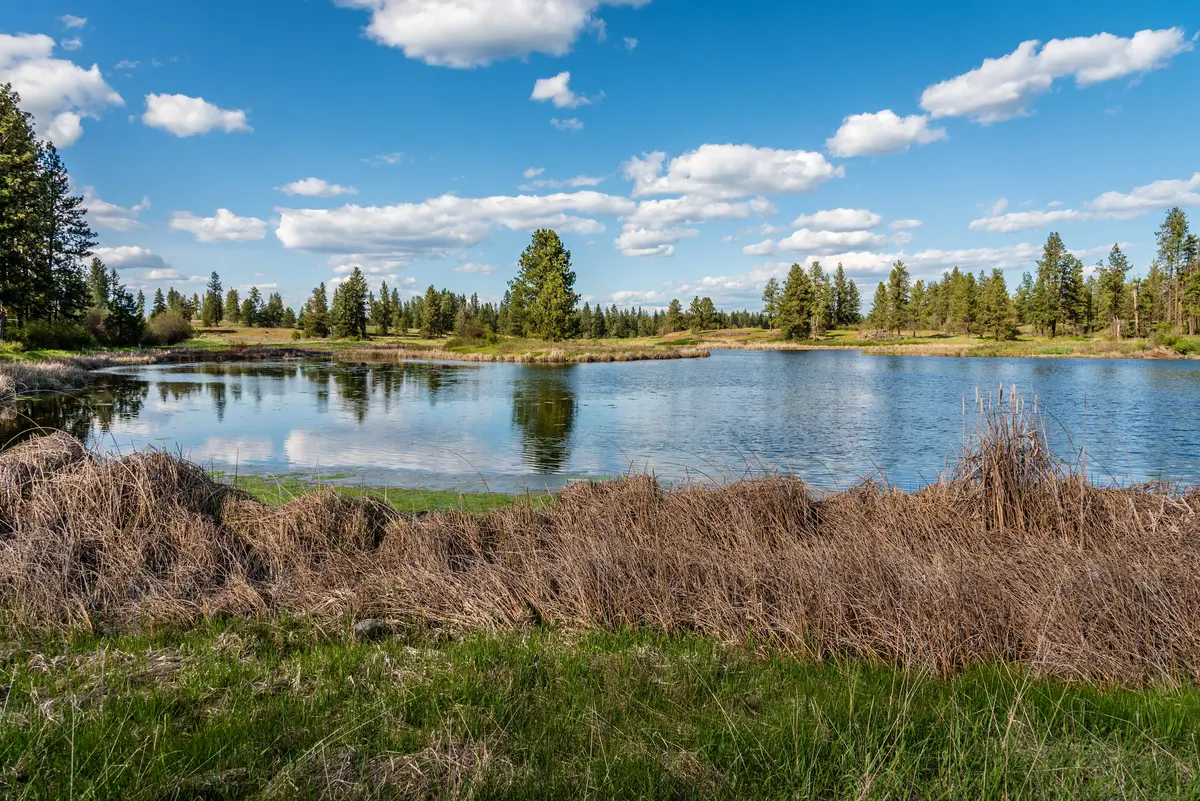
The payoff comes in June through September, when the Inland Northwest delivers long, dry, warm days, and Turnbull National Wildlife Refuge and Fish Lake are accessible almost from the city's doorstep. Outdoor recreation here is legitimately excellent in a way that doesn't require a two-hour drive. The parks and recreation page covers the specific trails and access points.
What the Community Looks Like Day to Day
Cheney is a place where you will know your neighbors — not as an aspiration but as a practical reality of small-city life. The social infrastructure orbits Eastern Washington University athletics, the Cheney Rodeo, the Historic Downtown's handful of independent spots, and whatever is happening on the Fish Lake Trail on a given weekend afternoon. Families with school-age children end up embedded quickly. Singles and couples without kids sometimes find the social options thinner, particularly in the gap between college-oriented and family-oriented spaces.
People who move out of Cheney — and some do — most often cite the job market as the deciding factor, not the lifestyle. Remote work eliminated that constraint for many buyers, but it's the honest reason the city doesn't retain everyone who arrives. If your income is portable, most of the other friction points are manageable. If you need a deep local job market, Spokane is 25 minutes away and meaningfully broader — though still not California-scale. The full picture on who this city suits best is on the Living in Cheney page.
The First-Time Buyer Angle
For California renters who couldn't get a foothold in a California ownership market, Cheney's price point can make first-time ownership genuinely achievable. The mechanics of buying here — including what programs are available to first-time buyers — are covered on the first-time homebuyer page. The short version: prices here don't require creative financing gymnastics to make work for a buyer with a stable income and a reasonable down payment saved.
Local Expert Takeaway: The income tax savings are real and immediate — zero on wages the day you cross the state line, versus California's rates that can reach 13.3%. The housing price gap is just as real: Cheney's typical home value of $415,802 is roughly half the California statewide median, and a three-bedroom with a yard is a normal purchase here, not an exception. What the spreadsheet won't tell you is that EWU runs the city's social calendar as much as its economy, that January on the plateau is genuinely cold in a way that takes California transplants by surprise, and that you'll find a regular Tuesday-night dinner spot in the Historic Downtown within about six weeks. If your income is portable and you're done subsidizing California's tax structure, Cheney is a serious option — not a consolation prize.
Quick Takeaways & FAQs
✅ Washington levies zero state income tax on wages through at least 2027, saving a $100K earner approximately $5,762 per year compared to California.
⚠️ Cheney's job market is thin outside of EWU, Fairchild Air Force Base, and Spokane-area logistics — remote workers capture the full upside; local job-seekers face a real constraint.
📍 EWU's academic calendar runs Cheney's social rhythm: the city is noticeably livelier September through April and much quieter over summer, which surprises most California transplants after their first winter.
Does moving from California to Cheney, WA really eliminate state income tax?
What happens to my California capital gains if I sell my home and move to Cheney?
How much cheaper are homes in Cheney compared to California?
Is Cheney's sales tax higher than California's?
What do most Californians find hardest about the move to Cheney?
Moving to Washington?
Tell us what you need help with and we'll connect you with local resources.
