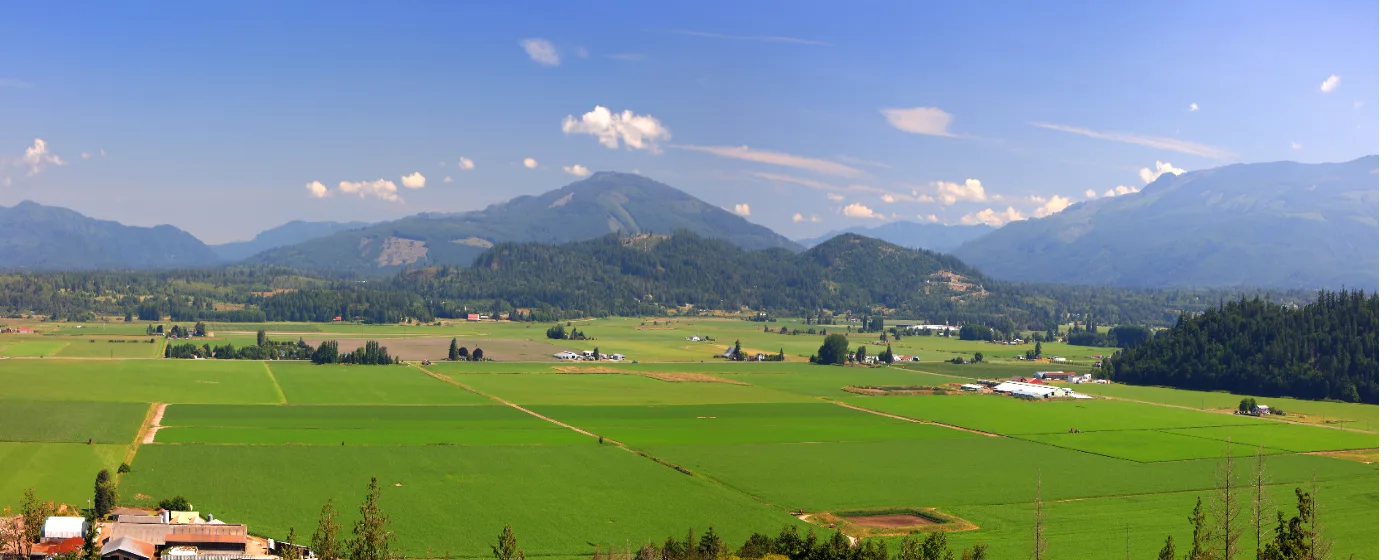
Most people driving through Burlington on I-5 see the exit signs for the outlet mall and keep moving. What they miss is the Skagit River running along the city's southern edge — federally designated Wild and Scenic — and a 126-acre park that functions as Burlington's true civic center. For a city of roughly 11,000 people, the scale of the outdoor infrastructure here is genuinely surprising. The Cascades are visible on clear days to the east, and the river corridor ties it all together.
Burlington's outdoor life isn't built around weekend warriors driving to trailheads. It's organized around accessible, year-round park use — youth league play on natural grass fields, early-morning dog walks on riverside paths, summer concerts in a downtown amphitheater styled after the original Great Northern Depot. Families with kids land here partly because of what the parks support: recreational leagues, open space, and a community calendar anchored to outdoor events. For a look at how youth sports fit into that picture, the Burlington schools page covers recreational league connections in more detail.
The cost of access matters too. Nearly everything Burlington's parks system offers is free — no membership, no day-use fee, no reservation required for most activities. Berry Dairy Days, the city's signature festival drawing more than 15,000 people annually, is free admission. The Skagit River itself is a public resource. This kind of open, unmetered outdoor access is part of what separates Burlington from higher-cost markets to the south, where equivalent amenities often carry entry fees or require long drives.
Whether you're weighing a move or just getting oriented, the sections below cover Burlington's flagship parks, the Skagit River corridor, the seasonal events calendar, and what the city's long-range parks investment plan means for outdoor recreation over the next decade.
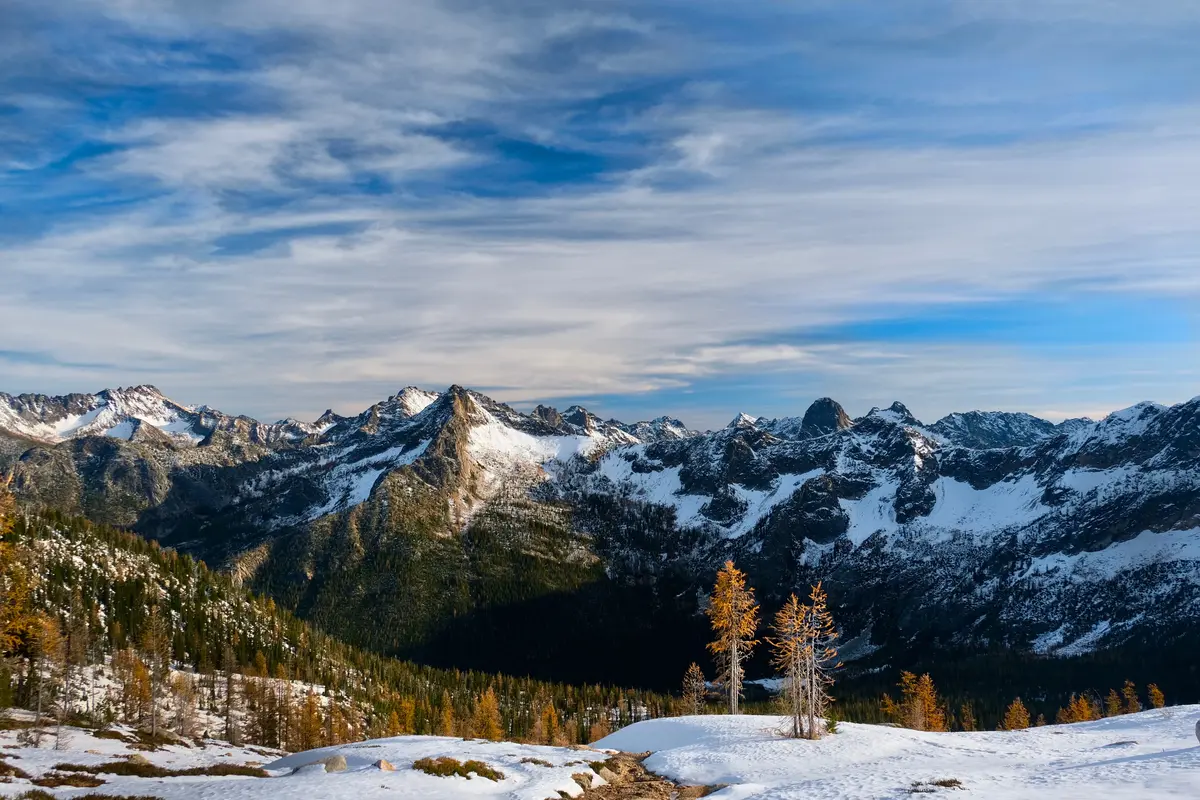
Skagit River Park: Burlington's 126-Acre Backyard
Skagit River Park, accessed off South Skagit Street at East Gilkey Road, is the kind of park that makes a city's outdoor reputation. At roughly 126 total acres — with 80 acres of multi-use natural grass playfields within the Sports Complex alone — it ranks among the largest natural grass field complexes in Washington State. That's not a county facility or a regional sports campus. It belongs to Burlington.
The Three Field Zones
The Sports Complex is organized into three distinct zones, each with its own character and primary use. The layout matters if you're planning a move and want to understand how the park actually functions week to week.
| Zone | Acreage | Primary Use | Notable Feature |
|---|---|---|---|
| East Lobe Playfields | 27 acres | Multi-use league play | Open natural grass fields for soccer, football, and general recreation |
| West Lobe Playfields | 40 acres | Baseball / softball | Four-plex ball diamonds supporting simultaneous league games |
| Dike District Playfields | 8 acres | Soccer | Two regulation-size soccer fields along the river dike |
On a Saturday in spring, all three zones run simultaneously — youth baseball on the West Lobe, club soccer on the Dike District fields, and pickup games scattered across the East Lobe. It's organized chaos in the best sense.
Beyond the Fields
The 46 acres outside the sports complex are where the park shifts from athletic venue to genuine greenspace. Winding trails thread through the river corridor with views of the Skagit, and the open lawn areas draw picnickers, kite flyers, and a surprisingly active community of R/C airplane enthusiasts who use the park's open stretches as an informal flying corridor.
One thing newcomers don't expect: weekend tournament traffic. When the Sports Complex hosts regional tournaments — which it does regularly, given its scale and reputation — South Skagit Street backs up and parking fills by 8 a.m. If you're planning a casual park visit on a tournament weekend, the Dike District section is your best route in, and mid-morning arrival is a mistake you'll only make once.
The Skagit River Corridor: Fishing, Paddling, and Wildlife
The Skagit River is the largest river in the Puget Sound watershed, and its status as a federally designated National Wild and Scenic River isn't just a conservation designation — it's a description of what the water looks and feels like from a kayak or a riverbank in Burlington. The river runs cold and clear out of the North Cascades, and by the time it reaches Burlington's southern boundary it's wide enough to feel genuinely wild even as I-5 hums a quarter mile away.
Fishing the Skagit
Anglers target four salmon species here — Chinook, Coho, Sockeye, and Pink — plus steelhead runs that draw serious fly fishers from across the region. The seasonal rhythm is worth understanding before you move: Chinook arrive in late summer and fall, Coho follow through November, and steelhead fishing peaks in winter. On odd-numbered years, Pink salmon runs starting in mid-August add a wildlife spectacle that makes the river worth visiting even if you don't fish — the sheer volume of fish moving upstream is something locals mark on their calendars.
Paddling and Float Trips
The Skagit is a legitimate paddling corridor, not just a backdrop. Kayakers and canoeists use the Burlington stretch as part of longer float trips that move between put-in points upstream and take-outs closer to the bay. The current is manageable for intermediate paddlers in normal conditions, though the river rises fast in late-fall rain events — something the Pacific Northwest's shoulder season reliably delivers.
Birdwatching Along the River
The riverside corridor functions as a year-round birding destination in ways that surprise newcomers. Osprey, Great Blue Heron, and Belted Kingfisher are reliable sightings along the Burlington reach. In winter, bald eagles congregate in numbers tied to salmon carcasses along the banks — not one or two, but dozens perched in cottonwoods along the dike. It's the kind of thing you'd drive hours to see in other parts of the country. Here it happens outside the park's back fence from November through February.
The catch — and there is one — is that river access points are limited within city limits. Most serious paddlers and anglers put in upstream or use access points in neighboring Sedro-Woolley and Mount Vernon and float through Burlington's reach. The city's ongoing Parks, Recreation and Open Space (PROS) Plan is expected to address river access as part of its long-range investment roadmap, but that's a future improvement, not a current amenity.
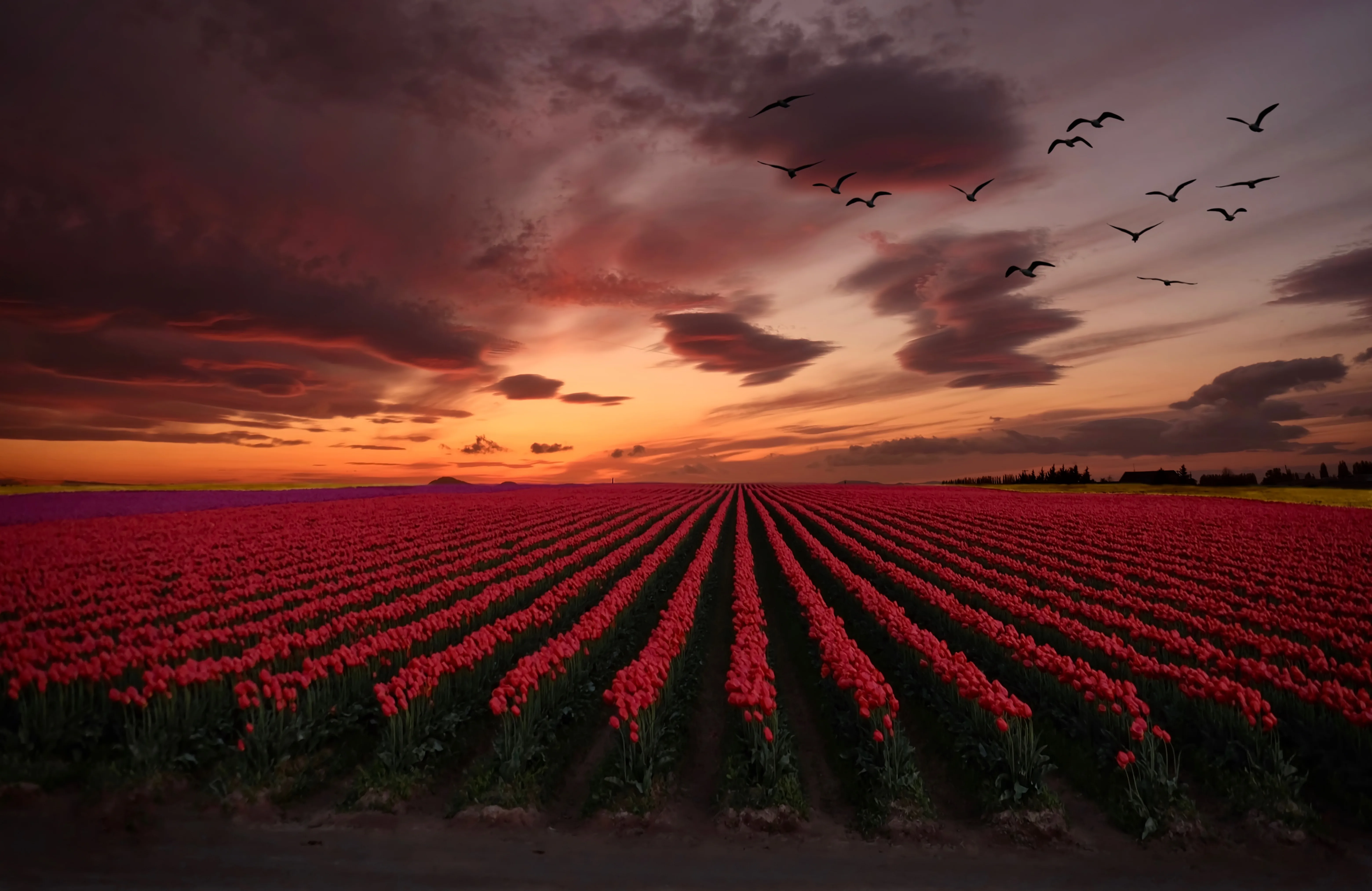
Railroad Park, Downtown Events, and the Berry Dairy Days Tradition
Railroad Park Amphitheater, located on E Fairhaven Avenue in downtown Burlington, does something that parks in larger cities often fail to do: it anchors the social life of a neighborhood. The Visitor Center building is a full-scale replica of Burlington's original Great Northern Depot from the 1890s — the same rail line that helped the city grow. The amphitheater itself has built-in seating, an open lawn, and a covered stage, which makes it functional even when Skagit County's famous sideways rain shows up uninvited.
Burlington Summer Nights Concerts
Through the warmer months, the amphitheater hosts the Burlington Summer Nights Concert series — free outdoor performances that draw a cross-section of the city in a way that few other events manage. Families spread blankets on the lawn, older residents take the built-in seating, and teenagers who claim they have nowhere to go in Burlington somehow always find their way here. It's a reliable Friday-evening anchor from late June into August.
Berry Dairy Days: The Real Civic Calendar Marker
Berry Dairy Days is where Burlington's community identity comes into sharpest focus. The festival launched in 1937 when Burlington volunteer firefighters organized a fundraiser around the area's strawberry farming heritage. The Burlington Chamber of Commerce has run it since 1965, and the 89th annual edition in June 2026 drew more than 15,000 attendees — a remarkable turnout for a city of under 11,000, which tells you how far people travel for it.
The weekend runs across both Skagit River Park and the Railroad Park Amphitheater. The Grand Parade moves down historic Fairhaven Avenue. A Smoke & Grill Competition sanctioned by the Pacific Northwest BBQ Association draws serious competition teams. More than 100 vendor booths fill the park grounds, and the weekend closes out with a 5K/10K road race that threads through the city. Entry to the festival itself is free.
What surprises people who move here from larger cities is how seriously Burlington takes this event. The third weekend of June is not a casual community picnic — it's a production that closes streets, redirects traffic, and fills every lodging option in the county. Plan around it from day one, not month six.
| Venue | Location | Primary Events | Season |
|---|---|---|---|
| Railroad Park Amphitheater | E Fairhaven Ave, downtown | Summer Nights Concerts, Berry Dairy Days stage | Late June – August |
| Skagit River Park | 1100 S Skagit St | Berry Dairy Days festival grounds, vendor fair, 5K/10K start | Third weekend of June |
| Fairhaven Avenue corridor | Downtown Burlington | Berry Dairy Days Grand Parade | Third weekend of June |
Looking to buy in Burlington? Estimate your payment.
Enter your numbers to see an estimated monthly mortgage payment.
Estimate only. Excludes HOA fees and mortgage insurance. The interest rate above is a starting point, not a quoted rate — replace it with your own to see real numbers. Insurance is a flat placeholder, not a Burlington quote.
What's Coming: Burlington's Long-Range Parks Investment
Burlington is actively updating its Parks, Recreation and Open Space (PROS) Plan — the city's formal roadmap for parks and trail investment over the next six to twenty years. This matters to prospective residents in a concrete way: a current PROS Plan makes the city eligible for grant funding from Washington State's Recreation and Conservation Office, which is how smaller cities fund infrastructure improvements they couldn't otherwise afford on their own tax base.
What the Plan Signals
The PROS process involves a formal assessment of what residents want, what the system lacks, and where capital investment should flow. Common outcomes include new trail connections, improved river access, upgraded park facilities, and expanded programming. Burlington at roughly 10,900 residents is large enough to have real recreational infrastructure and small enough that the PROS Plan process — which includes public comment periods — is something residents can genuinely influence.
The Honest State of the Trail Network
Burlington's current trail system is functional but not extensive by the standards of larger Pacific Northwest cities. The river corridor offers the most scenic on-foot experience, but dedicated multi-use trail mileage within city limits is limited. Residents who want paved trail networks for cycling or longer running routes typically drive to trail systems in Snohomish County or explore the Skagit River Dike trail segments that connect toward Mount Vernon. That's a real gap — and one the PROS Plan is expected to address, though "expected to address" and "currently built" are different things.
How Burlington Compares for Outdoor Recreation
| Recreation Type | Current Access in Burlington | Nearest Expanded Option |
|---|---|---|
| Team sports / league play | Excellent — 80-acre Sports Complex | Skagit River Park itself |
| River fishing | Good — multiple Skagit access points | Sedro-Woolley, Mount Vernon |
| Kayaking / paddling | Limited in-city put-ins | Upstream Skagit access points |
| Paved multi-use trails | Limited | Trail networks in Snohomish County |
| Birdwatching | Excellent — river corridor year-round | Padilla Bay estuarine reserve (Anacortes area) |
| Free outdoor concerts | Good — Railroad Park Amphitheater | Mount Vernon, Anacortes summers |
| Mountain access (hiking) | Drive required (~45–60 min) | North Cascades, Mt. Baker corridor |
The pattern is consistent: Burlington over-delivers on flat, accessible, organized recreation and under-delivers on trails and paddling infrastructure. The PROS Plan is the mechanism to close that gap — but residents moving here now should set their expectations against what exists today, not what's planned.
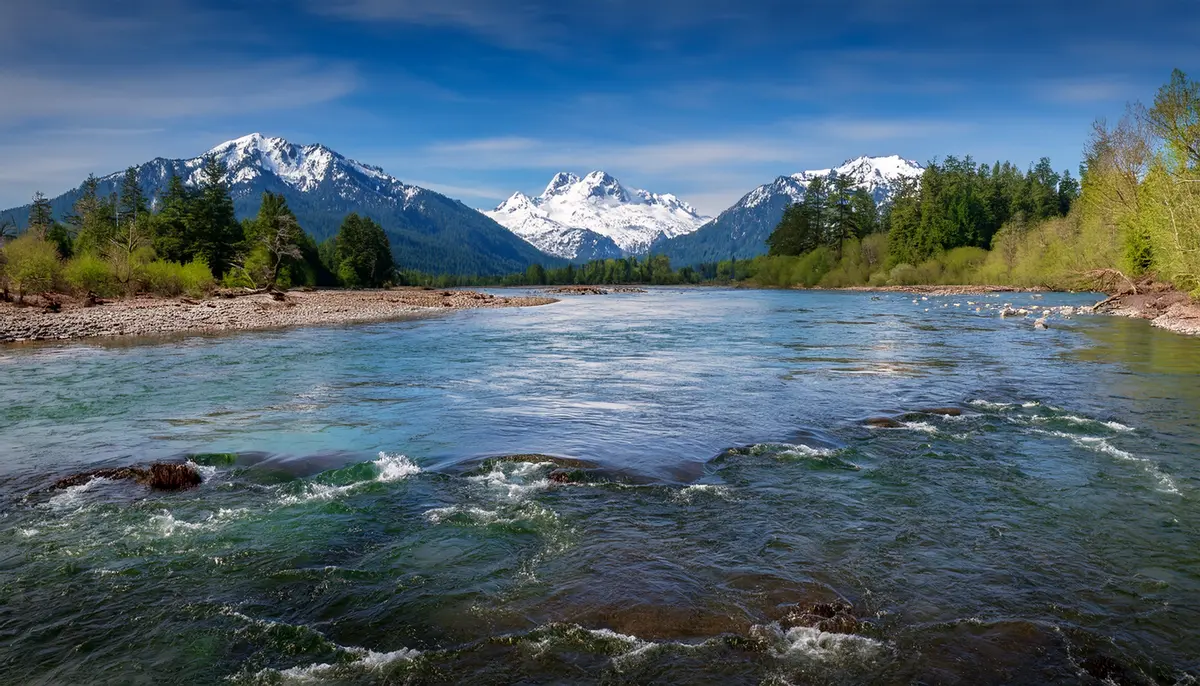
Local Expert Takeaway: Skagit River Park is the headline, but the river itself is the real draw — bald eagles in the cottonwoods by December, Pink salmon pushing upstream in odd-numbered Augusts, and a paddling corridor that feels genuinely remote until you remember you're ten minutes from I-5. Berry Dairy Days on the third weekend of June is not optional social calendar filler; it's the event that tells you whether Burlington is your kind of place. If 15,000 people on Fairhaven Avenue sounds like your version of a good Saturday, you'll fit in. If it sounds like something to escape, plan a trip to the North Cascades that weekend instead — you're close enough to make it easy.
Quick Takeaways & FAQs
✅ Skagit River Park's 80-acre Sports Complex is one of the largest natural grass field complexes in Washington State — a genuinely outsized amenity for a city Burlington's size.
⚠️ The trail network within city limits is limited; residents who want paved multi-use cycling or running routes will need to drive to Snohomish County or Mount Vernon.
📍 Berry Dairy Days shuts down Fairhaven Avenue every third weekend of June and draws over 15,000 people — new residents who don't plan around it get caught off guard by the traffic and parking every single year.
Is Skagit River Park free to use?
Can you fish the Skagit River from Burlington?
When is Berry Dairy Days and what does it include?
What are the best birdwatching spots near Burlington?
Are there good biking trails in Burlington?
Moving to Washington?
Tell us what you need help with and we'll connect you with local resources.
