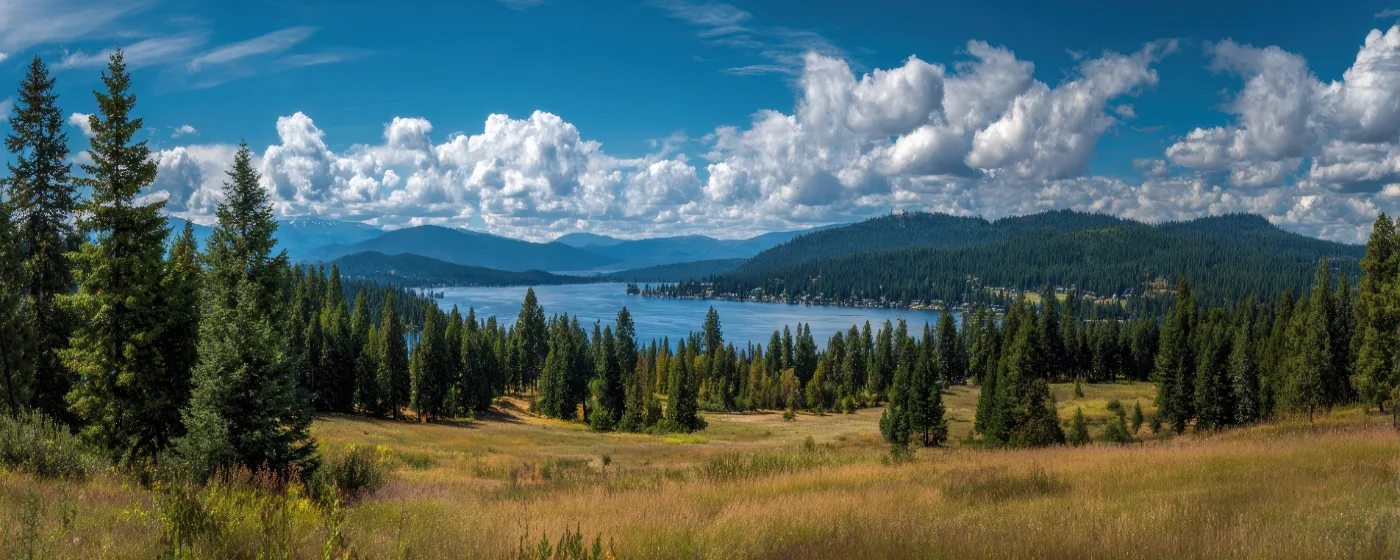
Maybe you've driven Highway 55 through the canyon and arrived at Payette Lake thinking you'd found an undiscovered mountain town. Then you looked at the listings. McCall's prices carry a resort premium that surprises nearly everyone who approaches it as just another small Idaho city. At 4,297 people, it functions less like a bedroom community and more like a year-round destination that a few thousand people happen to call home — and the cost structure reflects that completely.
The economic engine here runs on seasonal hospitality and healthcare. Brundage Mountain Resort and Shore Lodge drive a significant share of local employment, and the public workforce fills out the rest of the picture. The median household income of $60,253 is a modest figure against property values that sit at a level more commonly associated with Sun Valley or Ketchum. That gap is the central financial reality of this town.
McCall's overall cost of living runs approximately 13% above the national average and noticeably above the Idaho state average — driven almost entirely by housing. Non-housing costs like utilities, groceries, and transportation track reasonably close to national norms, which offers some relief. There's no public transit, so a reliable vehicle is a fixed line item, and the nearest full-service shopping hub is roughly 120 minutes south in Boise via Highway 55. That drive, repeated for Costco runs or specialty errands, adds up in both time and fuel.
Whether you're evaluating a permanent move, a remote-work relocation, or a second-home purchase, the sections below break down McCall's housing market, everyday costs, a sample monthly budget, how prices stack up against nearby cities, and the Idaho tax picture that shapes the bottom line.
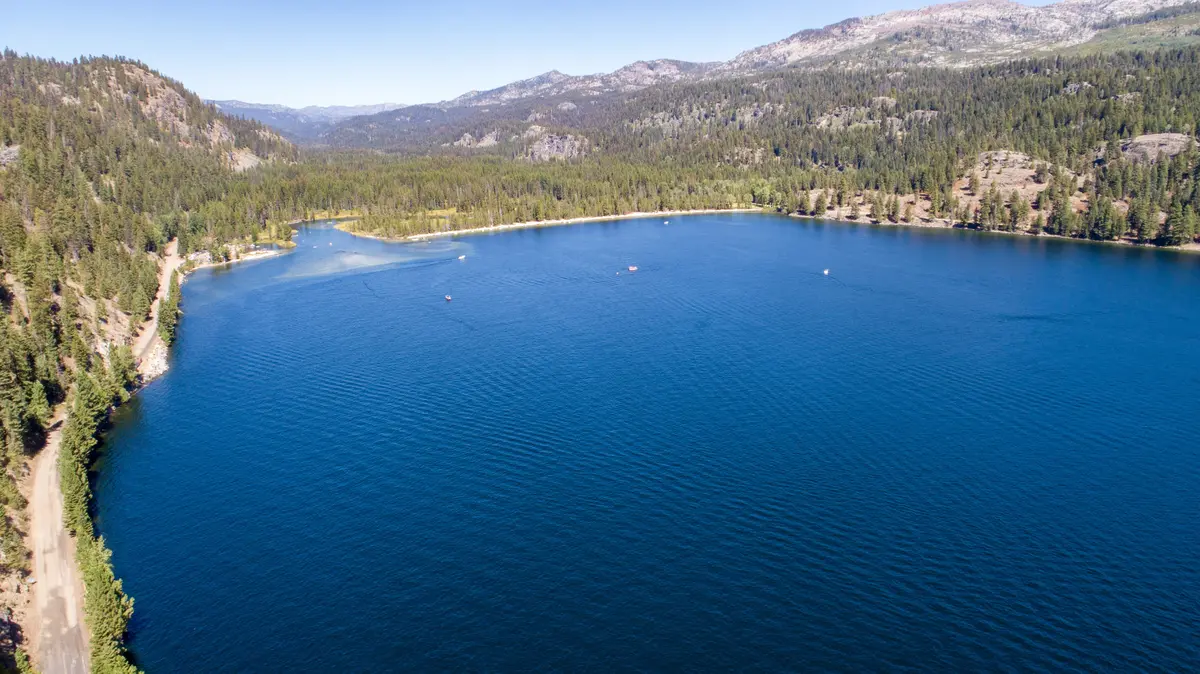
What It Really Costs to Live in McCall
The honest headline: McCall is an expensive place to live by Idaho standards, and an especially expensive place to live on a local wage. The Zillow Home Value Index puts the typical home price at $732,201 (2026) — a figure that places McCall well above Boise, Twin Falls, and virtually every other Idaho market outside of Ketchum and Sun Valley.
What drives that number isn't speculative development or a tech-company influx. It's geography and constraint. McCall sits on a finite strip of land between Payette Lake and the surrounding national forest, and the supply of buildable lots is genuinely limited. Vacation-home demand — buyers from Boise and the Treasure Valley who want a lake property — competes directly with full-time residents for the same inventory. When a resort town's workforce earns local wages while competing against buyers funded by Boise equity, prices don't land somewhere in the middle. They land near the top.
Non-housing costs offer a partial counterweight. Food, transportation, and utilities in McCall track close to the national average, and Idaho's property tax rate is among the lowest in the country. The overall cost-of-living index runs approximately 13% above the U.S. average, but nearly all of that gap lives in the housing line. If you own outright or carry a modest mortgage from a prior market, day-to-day living costs here are manageable. It's the entry price that creates the strain.
Housing: Rent vs Buy in McCall
The Buying Picture
The typical home value of $732,201 (Zillow Home Value Index, 2026) is the anchor number for any purchase conversation in McCall. Entry-level options — older single-family homes and smaller cabins — tend to start in the $450,000–$550,000 range, though inventory at that level moves quickly and often carries deferred maintenance. Condos and townhomes can occasionally come in below that, but they represent a thin slice of the market.
McCall's effective property tax rate is approximately 0.39% — well below the Idaho statewide median and roughly less than half the national median. On a typical purchase, that rate is meaningfully lower than most buyers expect coming from out of state. Use the mortgage calculator below to model your full monthly payment; this page intentionally doesn't quote payment totals since they shift with rate and down payment.
The Renting Picture
The rental market in McCall is tight and seasonal in character. Long-term rentals compete against short-term vacation platforms, which pulls supply down and rents up. Typical two-bedroom rentals have been running in the $1,400–$1,900 per month range for unfurnished units, though availability can be scarce enough in peak season that finding something takes real lead time — plan for 60–90 days of searching if you're relocating.
Rent vs. Buy
Renting makes sense if you're testing the town before committing at these price levels, or if you're working a local hospitality job where the price-to-income ratio makes ownership a multi-year savings project. Buying makes sense if you're remote-working on a higher out-of-market income, have equity from a prior home sale, or plan to hold long enough to benefit from the constrained supply dynamic that has consistently supported values here.
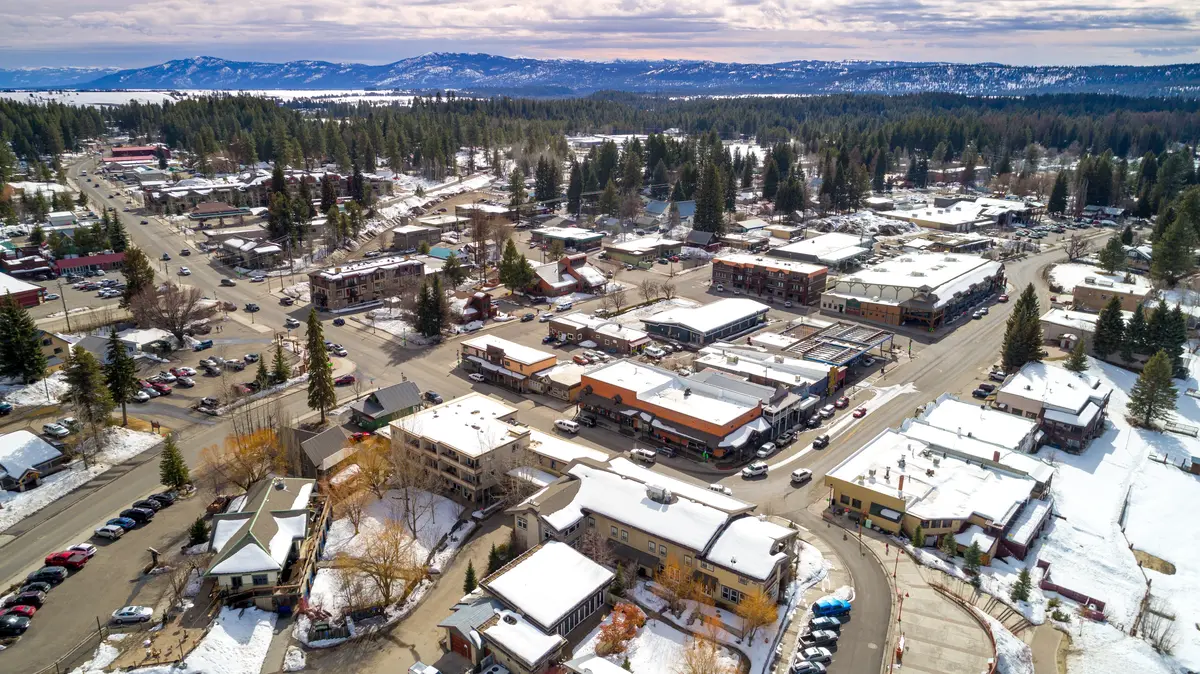
Everyday Costs Beyond Housing in McCall
Outside of housing, McCall's day-to-day costs are less alarming than the real estate market suggests. Idaho's utility burden is among the lightest in the country — statewide averages run roughly $114/month for electricity, $75 for natural gas, and $48 for water and sewer. Mountain elevation and cold winters push heating costs above the state average in McCall, particularly from November through March, so budget a meaningful cushion on natural gas. There's also an active City Council proposal to create a public electricity utility that could cut Idaho Power rates significantly — worth watching if you're planning a long-term move.
Groceries in McCall are a mix of convenience and constraint. The town has a standard grocery store, but specialty items and larger stock-up trips send most residents down Highway 55 to Cascade or all the way to the Boise metro. McCall applies a local exemption on groceries, meaning food and food ingredients are not subject to the city's 1% local-option sales tax — a meaningful nuance that residents in neighboring Cascade and Donnelly don't benefit from. Idaho residents can also claim a statewide Food Tax Credit of $155 per person annually. Gas prices run above the state average, partly due to elevation and distance from distribution, and there is zero public transit — every errand, every Boise trip happens by personal vehicle.
| Category | Typical Monthly Cost | Notes |
|---|---|---|
| Housing (2BR rent) | $1,400–$1,900 | Unfurnished long-term rental; owners should use the mortgage calculator above for a purchase estimate |
| Utilities | $250–$350 | Idaho Power electricity + natural gas; higher in winter due to mountain elevation and heating demand |
| Groceries | $400–$600 | Local grocery for basics; larger stock-up trips to Boise add cost and time; local sales tax exemption applies to food |
| Transportation & Gas | $200–$350 | No public transit; gas prices above state average; factor in periodic Boise runs (~120 min each way) |
| Medical & Insurance | $150–$300 | Premiums vary by employer and plan; specialist visits often require travel to Boise |
| Phone & Internet | $120–$180 | Internet options limited compared to urban markets; satellite backup common in some areas |
| Misc / Discretionary | $300–$500 | Dining at local restaurants, ski passes, and seasonal activities along Payette Lake |
These are estimates for a single adult or couple in a two-bedroom rental. Actual costs shift with household size, whether you're heating a lakefront cabin versus a newer-construction condo, and how often Boise pulls you south.
Looking to buy in McCall? Estimate your payment.
Enter your numbers to see an estimated monthly mortgage payment.
Estimate only. Excludes HOA fees and mortgage insurance. The interest rate above is a starting point, not a quoted rate — replace it with your own to see real numbers. Insurance is a flat placeholder, not a McCall quote.
McCall vs Nearby Cities: Cost Comparison
| City | Median Home Price | Typical 2BR Rent | Cost vs McCall |
|---|---|---|---|
| McCall | $732,201 | $1,400–$1,900/mo | — (baseline) |
| Donnelly | ~$400,000–$500,000 | $900–$1,300/mo | Noticeably cheaper |
| Cascade | ~$350,000–$450,000 | $850–$1,200/mo | Significantly cheaper |
| New Meadows | ~$250,000–$350,000 | $750–$1,100/mo | Much cheaper |
| Tamarack Resort area | ~$500,000–$700,000 | Limited long-term supply | Somewhat cheaper to about the same |
| Boise (metro) | ~$450,000–$530,000 | $1,300–$1,800/mo | Noticeably cheaper, far more inventory |
Cascade and New Meadows represent the clearest trade: lower prices, longer drives to services, and none of the Payette Lake amenity premium. Donnelly has attracted buyers priced out of McCall proper and sits close enough to Brundage Mountain to remain appealing for ski-focused households.
Taxes & the Bottom Line for McCall
Income Tax
Idaho taxes individual income at a flat 5.3% rate, effective January 1, 2025 — down from 5.695% after Governor Brad Little signed HB 40 in March 2025. For a household earning the local median, this is a straightforward and relatively modest burden compared to high-income-tax states many McCall buyers relocate from.
Sales Tax
The state sales tax is 6%, and McCall adds a 1% local-option sales tax, bringing the total to 7% on most taxable purchases within city limits. The meaningful carve-out: McCall exempts food and food ingredients from that local 1%, and Idaho residents can claim a statewide Food Tax Credit of $155 per person on their income tax return — a partial offset on what is otherwise a grocery-taxing state.
Property Tax
At approximately 0.39%, McCall's effective property tax rate is well below both the Idaho statewide median and the national median. For a home at the typical price level described above, that rate produces one of the lower annual property tax burdens you'll find on a seven-figure asset anywhere in the West. Idaho also levies no estate tax or inheritance tax, and the gas excise tax is 33 cents per gallon — relevant context given that McCall residents drive for essentially everything.
Who McCall's Budget Actually Fits
The tax picture is genuinely favorable. The problem isn't taxes — it's the price-to-income ratio. A roughly 12:1 home-price-to-income ratio means buyers relying solely on local wages face a years-long savings challenge just to reach a down payment on a median home. McCall works financially for remote workers earning out-of-market salaries, retirees with equity from a prior home sale, and households who can tolerate a long mortgage at current price levels in exchange for the lifestyle. For those stretching on a hospitality or municipal salary, the math is harder — and honest buyers should run that calculation before falling in love with a lake view.
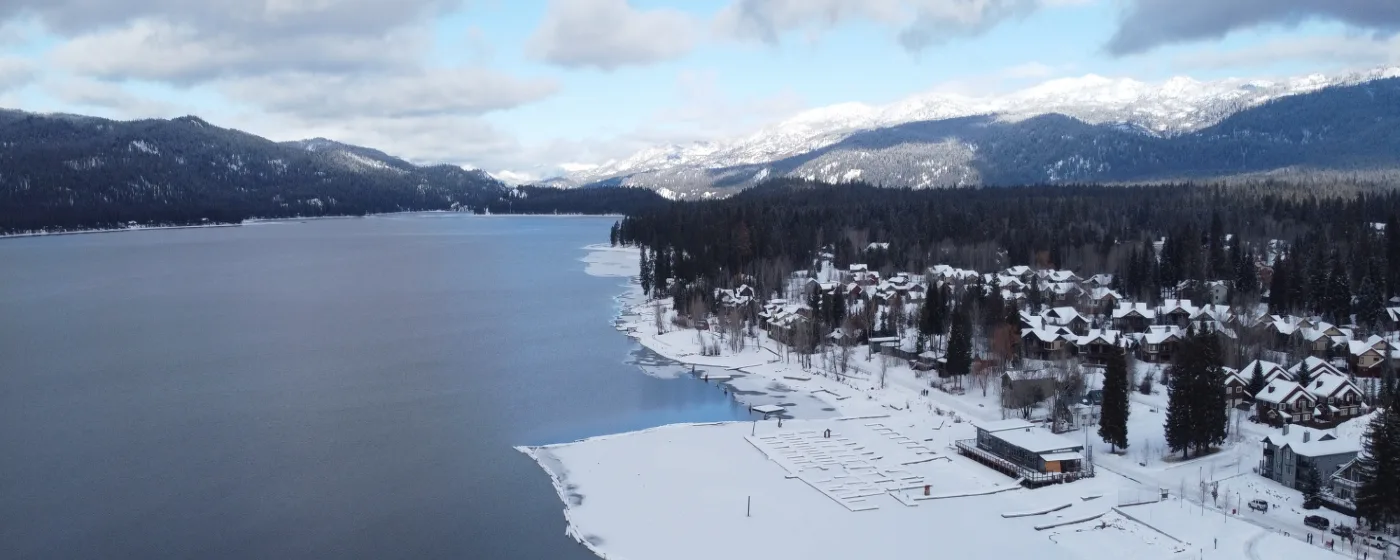
Local Expert Takeaway: McCall's cost of living is manageable on the non-housing side — Idaho's tax rates are genuinely low, utilities and groceries don't bite hard, and a meal at a downtown restaurant or a pint at a local taproom won't shock you. The real number that matters is the roughly 12:1 home-price-to-income ratio. If your income travels with you remotely or you're arriving with equity, this town rewards you. If you're planning to earn locally and buy within a few years, the math requires patience and a detailed spreadsheet before you ever make an offer.
Quick Takeaways & FAQs
✅ McCall's effective property tax rate of approximately 0.39% is among the lowest in the country for a market at this price level — a genuine offset against high purchase prices.
⚠️ The home-price-to-income ratio runs roughly 12:1 against the local median income of $60,253, making ownership a real stretch for buyers relying on wages from Brundage Mountain Resort, Shore Lodge, or local municipal employers.
📍 McCall exempts food and food ingredients from its 1% local-option sales tax — unlike most Idaho cities — and residents can claim an additional $155-per-person Food Tax Credit on their state return.
What is the typical home price in McCall, Idaho in 2026?
How much does it cost to rent in McCall?
Is McCall expensive compared to the rest of Idaho?
What is the property tax rate in McCall, Idaho?
Does McCall charge sales tax on groceries?
Moving to Idaho?
Tell us what you need help with and we'll connect you with local resources.
