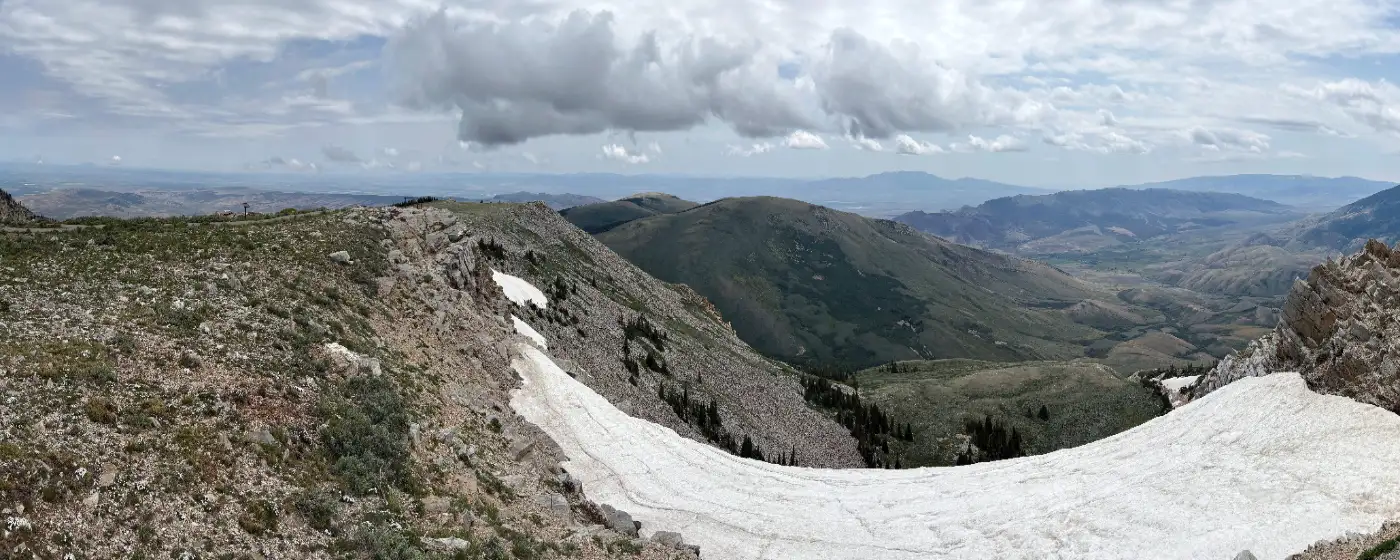
Most people driving through on I-84 see flat high-desert farmland and keep going. What they miss is that Heyburn sits on the Snake River's edge, and that river — backed up into a 17-mile reservoir by Minidoka Dam just upstream — turns this small Minidoka County city into a legitimate outdoor destination. Bass fishing, wakesurfing under a highway bridge, disc golf on a nationally recognized course, and one of the Pacific Flyway's most productive waterfowl viewing sites are all within a few miles of downtown.
The recreational infrastructure here is driven by two anchors: Riverside Park and the city-operated Heyburn Riverside RV Park along the Snake River itself, and Lake Walcott State Park a short drive via Exit 211 off I-84. Between them you get camping, boating, paved river trails, a wildlife refuge covering more than 24,000 acres, and a disc golf course serious enough to host an annual tournament. For a city of roughly 3,800 people, that's a lot of usable outdoor space.
What surprises people after six months here is how much of this recreation is genuinely free or close to it. Free public boat launches line the Snake River stretch between Rupert, Heyburn, and Burley. The Heyburn Arboretum and river walk along the Snake is open to anyone. Summer evenings, families with kids end up at Riverside Park almost by default — the shaded picnic areas and boat launch make it the natural gathering point when temperatures climb into the 90s. The catch is that some facilities are seasonal, and Lake Walcott State Park's campground and day-use pavilions are scheduled to close in Fall 2026 for a water system upgrade, so timing matters.
Whether you're already a Heyburn resident looking to get more out of the area or weighing a move and trying to understand what outdoor life here actually looks like day-to-day, the sections below cover the Snake River parks, Lake Walcott State Park, the Minidoka National Wildlife Refuge, and how recreation shifts across the four seasons.

The Snake River Parks: Riverside Park, the Arboretum & the RV Park
The Snake River defines Heyburn's recreational identity more than any single facility. The city has organized its riverfront around three connected spaces — Riverside Park, the Heyburn Arboretum and river walk, and the city-operated Heyburn Riverside RV Park — that together form a continuous green corridor along the water.
Riverside Park
Riverside Park is the everyday anchor. Shaded picnic areas, walking paths right along the bank, and a boat launch make it where Heyburn families actually show up on summer evenings and weekend afternoons. Bass fishing is reliably strong here, and the launch gives kayakers and small motorized boats quick access to one of Southern Idaho's most popular river stretches.
The water between Rupert, Heyburn, and Burley is fed by cool releases from Lake Walcott at Minidoka Dam — which keeps temperatures manageable for on-water recreation well into August. Wakesurfing under the I-84 bridge has become one of the area's low-key signature activities; it looks absurd on paper but draws a consistent crowd of locals on summer weekends.
The Arboretum and River Walk
Adjacent to the Riverside RV Park, the Heyburn Arboretum offers a paved walking and nature corridor that functions as Heyburn's closest thing to a formal trail system. It's not a wilderness hike — it's a well-maintained riverside path that works for morning walks, evening runs, or just sitting near the water.
The combination of paved surface and river scenery makes this the spot locals use when they want to move without driving somewhere. It connects directly to the RV park's infrastructure, which includes a Chamber of Commerce Visitor Center if you're new and trying to orient yourself.
Heyburn Riverside RV Park
The city-operated RV park adds another layer of usability. Twenty-nine full-service RV sites, boat slips, and a camp host on site from May through August mean this is a functioning outdoor facility, not just a pretty stretch of bank. Even if you're not camping, the boat slips and launch access make it a practical starting point for a day on the water.
Free public boat launches — several of them equipped with life jacket loaner stations — serve this stretch of river at multiple points. If you're coming from Boise or Twin Falls for a day trip, the no-fee access is a genuine draw. Locals know to arrive before 10 a.m. on summer Saturdays to avoid the launch congestion.
Idaho Water Sports operates a rental venue at the docks in Heyburn, offering stand-up paddleboards, kayaks, and pontoon boats — so you don't need your own gear to get on the water.
Best for: Families Nature WalkableLake Walcott State Park: The Accidental Oasis
Lake Walcott State Park started as a construction camp for the workers who built Minidoka Dam in the early 1900s. Over the following decades, trees were planted, recreation facilities were added, and what was a worksite became a 65-acre green refuge in the middle of the high desert — earning the informal nickname "the accidental oasis."
Getting there from Heyburn is straightforward: Exit 211 off I-84 puts you on the western shore of Lake Walcott, the 8,000-acre impoundment created by Minidoka Dam. The park's visitor center is open seven days a week, 9 a.m. to 5 p.m., with day-use areas accessible from 7 a.m. to 10 p.m.
What the Park Actually Offers
| Activity | Details |
|---|---|
| Boating & Water Sports | Water skiing, jet skiing, kayaking, canoeing, sailing, stand-up paddleboarding on the 17-mile reservoir; two 60-foot docks recently upgraded |
| Disc Golf | 21-hole course rated world-class; hosts the annual Walcott Open (scheduled September 19, 2026) |
| Fishing | Reservoir and river access; bass, trout, and warm-water species |
| Camping | Campground on site — note: scheduled to close Fall 2026 for water system upgrade |
| Picnicking | Day-use pavilions — also scheduled to close Fall 2026 during the same upgrade |
| Wildlife Viewing | Adjacent to Minidoka NWR; waterfowl, raptors, and shore birds visible from park grounds |
The disc golf course deserves specific mention. It's not a municipal afterthought — the 21-hole layout draws players from across the Magic Valley region, and the Walcott Open in September is a legitimate competitive event. If disc golf is part of your outdoor rotation, this is one of the better public courses in Southern Idaho.
The Fall 2026 Closure — What to Know
If you're planning camping or a pavilion-based event at Lake Walcott, verify current status before you book. The Idaho Department of Parks and Recreation announced the campground and day-use pavilions would close in Fall 2026 for a park-wide potable water system upgrade. Specific closure dates were pending finalization of the construction schedule as of October 2025 — worth checking directly with the park before making summer or fall plans that depend on overnight access.
Day use of the disc golf course and water access may remain available during portions of the closure, but confirm before you drive out. This kind of infrastructure upgrade is temporary, and the result — a fully renovated water system — will be a meaningful improvement for long-term users.
Best for: Nature Families Views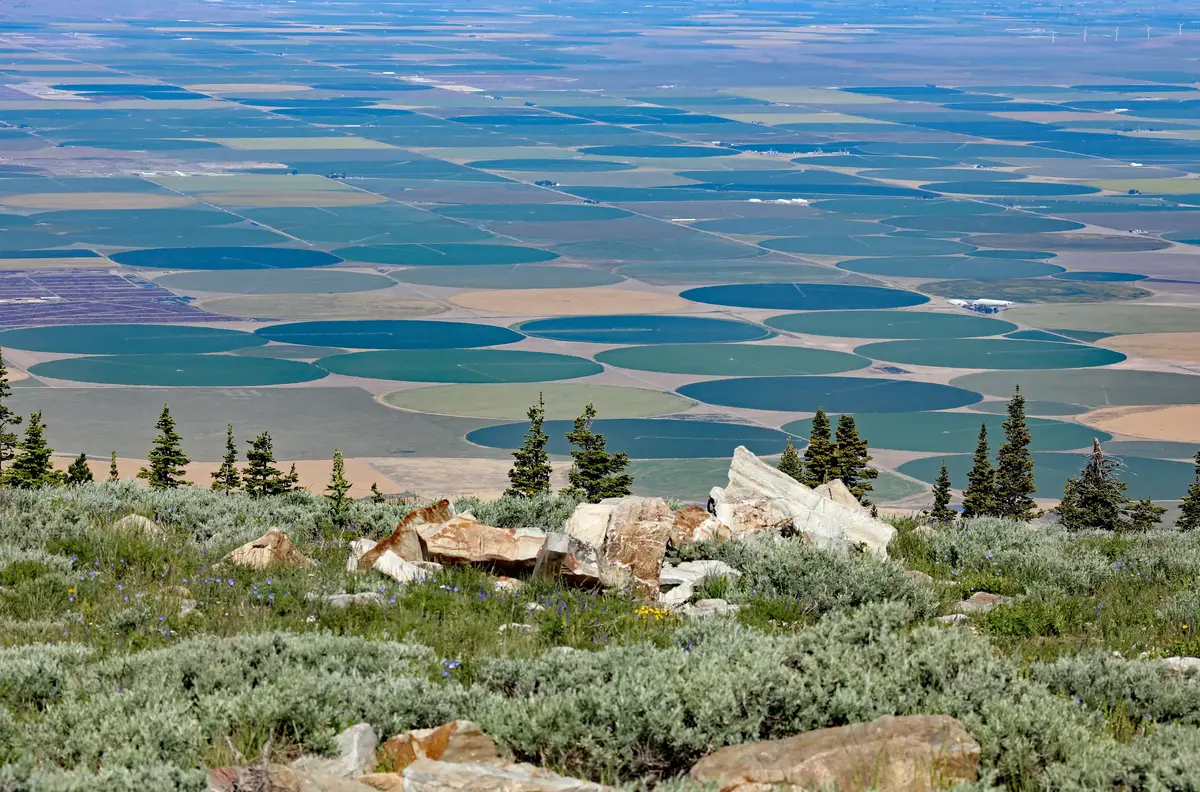
Minidoka National Wildlife Refuge: Birding on the Pacific Flyway
Adjacent to Lake Walcott State Park sits one of Southern Idaho's most underappreciated natural assets. The Minidoka National Wildlife Refuge extends 25 miles along the Snake River from Minidoka Dam, covering 24,514 total acres and functioning as a critical waypoint on the Pacific Flyway — the migratory corridor that runs from Alaska to Patagonia.
The numbers are hard to overstate. From July through September, molting waterfowl concentrate here in numbers that can reach 100,000 ducks and geese. If you've only seen wildlife refuges described in abstract terms, standing at Minidoka in late August with that kind of volume overhead reframes what "birdwatching" means in Southern Idaho.
Species You'll Actually See
The refuge has recorded over 235 bird species. Summer brings large hawk and curlew populations. The fall and winter months add migratory swan species, along with resident raptors that show up reliably once temperatures drop. Shorebirds and wading species move through on migration schedules that serious birders track closely.
Highlights by season:
- Summer: Hawks, long-billed shorebirds, large concentrations of molting ducks and geese (peak July–September)
- Fall migration: Large migratory swans, diverse waterfowl species in transition
- Winter: Resident raptors and wintering waterfowl working the river corridor
- Year-round: Large wading birds, various hawks, shorebirds along Snake River edges
For new residents, the proximity of the refuge to the state park is what makes this area genuinely special. You can disc golf in the morning, eat a picnic lunch on the reservoir shore, and spend an afternoon watching waterfowl at Minidoka without moving your car more than a few miles. That kind of density of outdoor experience is unusual for a city this size.
What Birders Should Know Before They Go
The refuge is managed by the U.S. Fish & Wildlife Service, and access points and open areas can change seasonally depending on nesting and management needs. If you're planning a serious birding visit — especially during peak waterfowl season in late summer — checking current access conditions with the refuge office before you go is worth the two-minute call. The refuge sits right on the Idaho high desert, which means sun exposure and heat are real factors from June through September; bring water and plan for early morning visits.
Best for: Nature Quiet ViewsLooking to buy in Heyburn? Estimate your payment.
Enter your numbers to see an estimated monthly mortgage payment.
Estimate only. Excludes HOA fees and mortgage insurance. The interest rate above is a starting point, not a quoted rate — replace it with your own to see real numbers. Insurance is a flat placeholder, not a Heyburn quote.
Seasonal Recreation: What to Expect Month by Month
Heyburn's outdoor calendar is driven by the Snake River's rhythm and the high desert's sharp seasons. Spring arrives quickly, summer runs hot, fall is brief but beautiful, and winter is cold enough to change what's usable. Knowing which season opens which activities saves new residents the frustration of showing up to a closed facility or underestimating July heat.
| Season | Primary Activities | What to Watch For |
|---|---|---|
| Spring (March–May) | Fishing opens up, river trail walking, early kayaking, waterfowl migration at Minidoka NWR | River levels can run high and fast through April; check conditions before launching |
| Early Summer (June) | Boating ramps up, disc golf at Lake Walcott, Riverside Park picnics begin in earnest | Camp host arrives at Riverside RV Park; Idaho Water Sports rentals available at docks |
| Peak Summer (July–August) | Wakesurfing, jet skiing, paddleboarding on Lake Walcott; bass fishing; waterfowl peak at Minidoka (up to 100,000 birds) | Boat launch congestion on summer Saturdays — arrive before 10 a.m.; heat regularly exceeds 95°F, plan outdoor activity for early morning or evening |
| Fall (September–October) | Disc golf (Walcott Open typically September); migratory swan and raptor activity at Minidoka; cooler river conditions for kayaking | Lake Walcott campground closure for water system upgrade expected Fall 2026 — verify before booking |
| Winter (November–February) | Raptor viewing at Minidoka NWR; upland bird hunting in surrounding agricultural areas; some ice fishing in colder years | Most campgrounds and pavilion facilities close; river walk and arboretum remain accessible but icy conditions possible |
The real surprise for people relocating from wetter climates is how heavily the outdoor culture here revolves around the river. Twin Falls is roughly 40 minutes southwest and has more commercial amenities, but for outdoor recreation, Heyburn residents rarely need to leave the immediate area.
Kids and Organized Recreation
Organized youth sports and school-connected recreation programs serve Heyburn families through local district and community programs — for a full breakdown, see the Heyburn schools page.
A Practical Note on Winter
Heyburn winters are real. The Snake River corridor gets cold — temperatures below 20°F are not unusual in January — and the exposed high-desert setting means wind chill adds to it. The Heyburn Arboretum's paved river walk stays accessible year-round, but ice patches make early-morning walks genuinely treacherous from December through February. Locals who run or walk daily learn quickly to shift to midday during the coldest months. The compensation is that winter at Minidoka NWR is when raptor sightings peak, and the refuge in January has a stark, quiet quality that regular visitors describe as some of the best birding of the year.
Best for: Families Nature Commuters
Local Expert Takeaway: Heyburn's outdoor life is anchored by two places most newcomers underestimate until they use them: the Snake River corridor in town — Riverside Park, the Heyburn Arboretum river walk, and the Riverside RV Park with its boat slips — and Lake Walcott State Park 10 minutes away via Exit 211, where a world-class 21-hole disc golf course and a 17-mile reservoir share the same 65 acres. Add the Minidoka National Wildlife Refuge next door, with its 100,000-waterfowl summer peaks and reliable raptor sightings in winter, and you have more usable outdoor infrastructure than almost any Idaho city this size. The catch: verify Lake Walcott campground availability before booking for Fall 2026, and plan summer water-recreation days around an early start to beat both the heat and the boat launch crowd.
Quick Takeaways & FAQs
✅ The Snake River stretch through Heyburn includes free public boat launches with life jacket loaner stations, and Idaho Water Sports rents SUP boards, kayaks, and pontoon boats directly from the city docks.
⚠️ Lake Walcott State Park's campground and day-use pavilions are scheduled to close Fall 2026 for a water system upgrade — verify status with the park before planning an overnight trip.
📍 The Minidoka National Wildlife Refuge, adjacent to Lake Walcott, has logged over 235 bird species and summer waterfowl concentrations that can reach 100,000 ducks and geese — making it one of the Pacific Flyway's most significant viewing sites in Southern Idaho.
How far is Lake Walcott State Park from Heyburn?
Is Lake Walcott State Park closing in 2026?
What is there to do on the Snake River in Heyburn?
Is the Minidoka National Wildlife Refuge worth visiting for birding?
Does Heyburn have a disc golf course?
Moving to Idaho?
Tell us what you need help with and we'll connect you with local resources.
