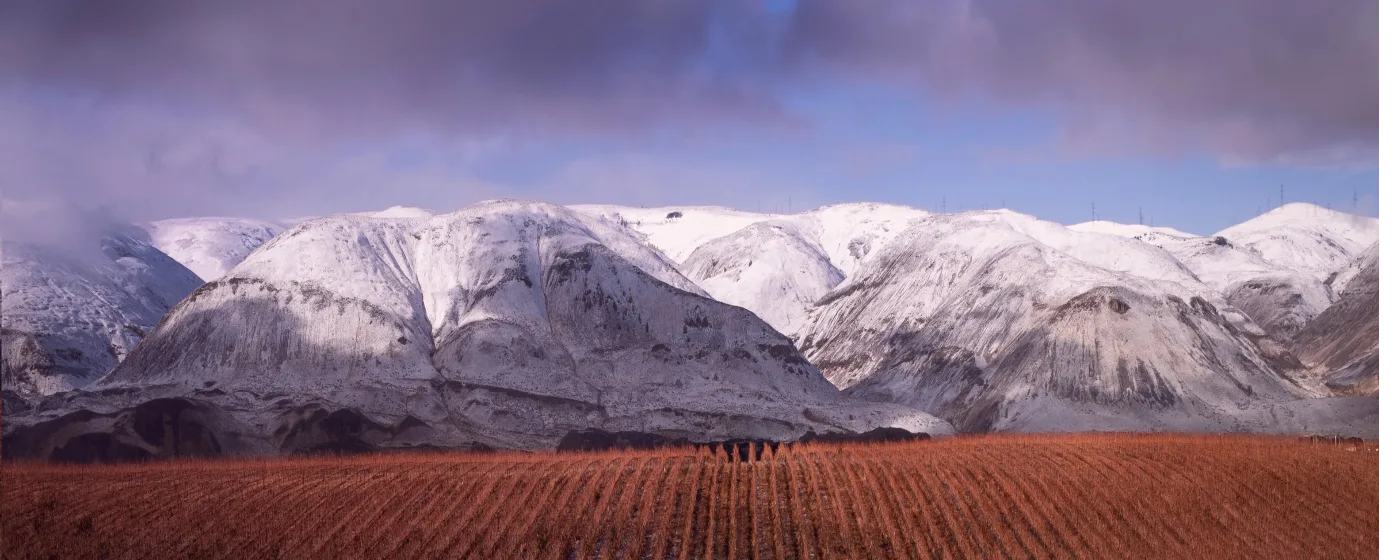
Most people know Wenatchee as the apple capital of the world. What catches newcomers off guard is how comprehensively the outdoors is woven into the city itself — not as a weekend drive-to destination, but as infrastructure you use on a Tuesday morning before work. The Apple Capital Recreation Loop Trail runs directly past Pybus Public Market. Wenatchee Confluence State Park sits at the edge of town. Mission Ridge Ski & Board Resort is 12 miles from downtown. This isn't a city where you have to leave to find nature; in Wenatchee, nature is the connective tissue between neighborhoods.
That proximity shapes who moves here. Families drawn by outdoor access, remote workers who want a real mountain lifestyle without Leavenworth prices, and longtime Chelan County residents who stay because leaving would mean giving something up — not just gaining something cheaper. The Columbia River corridor is the city's social and recreational spine, and nearly every park, trail, and launch point orients itself around it.
Compared to the Seattle side of the Cascade Range, Wenatchee's outdoor calendar runs differently. Summers here are genuinely sunny — over 200 sunny days annually — which means the Loop Trail is packed with cyclists by 7 a.m. in July and the Columbia River swimming spots fill up fast on weekends. Winters bring snow to Mission Ridge while the valley floor stays relatively mild, a combination that lets locals ski in the morning and bike the river path in the afternoon on the same day in March.
Whether you're deciding whether to move here or already have your eye on a neighborhood, the sections below cover Wenatchee's signature parks, the Apple Capital Loop Trail system, water and seasonal recreation, and the after-trail culture that fills the gaps between adventures.
The Apple Capital Loop Trail: Wenatchee's Outdoor Backbone
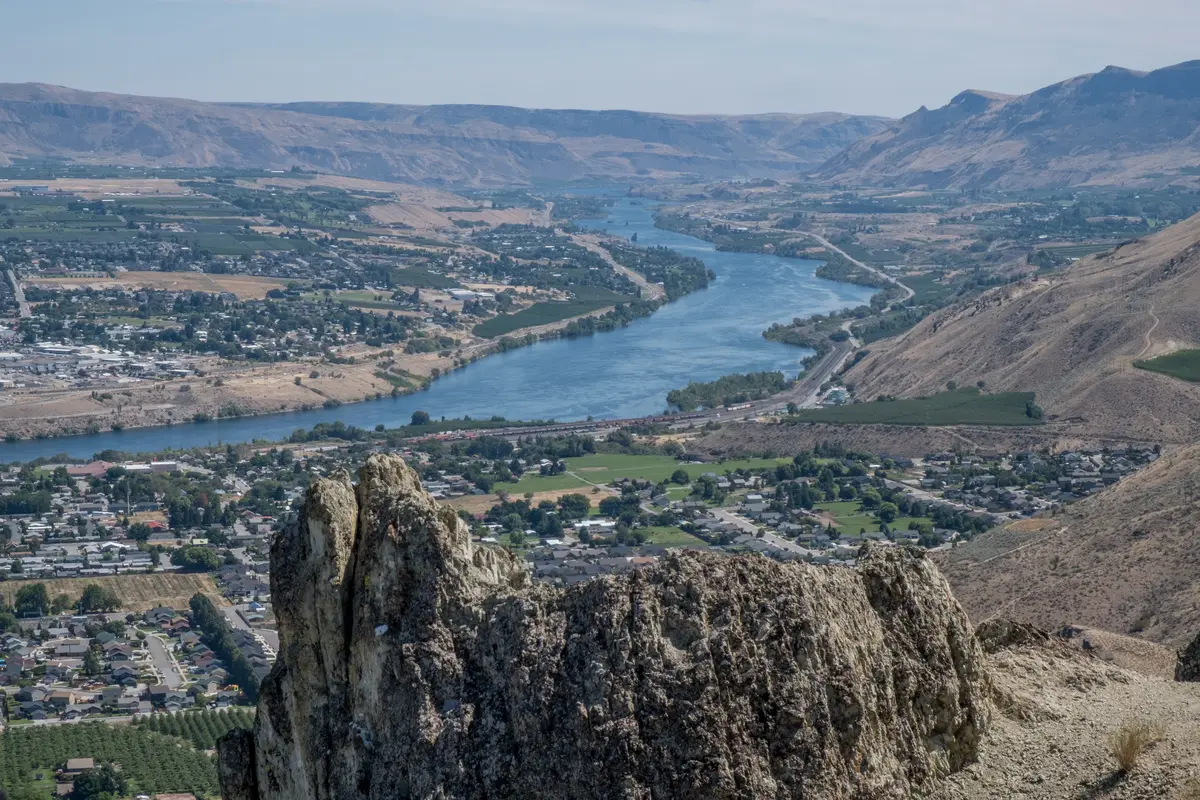
The 10-mile Apple Capital Recreation Loop Trail is the most concrete reason Wenatchee's outdoor lifestyle isn't just a marketing claim. Billed as the longest loop trail in Washington State, it circles the Columbia River on a paved, dedicated path — one side through Wenatchee, the other through East Wenatchee — connected at each end by a bridge. It opened in 1994 and has since become the city's de facto main street for anyone on foot, on a bike, or on inline skates.
The system doesn't stop at 10 miles. Two paved spurs extend the full network to roughly 22 miles: one runs 5 miles north to Lincoln Rock State Park, and another pushes about 4 miles south to Kirby Billingsley Hydro Park. Most locals do the core loop for a weekday workout and add a spur when they want a longer half-day out.
Where to Start
Walla Walla Point Park is the most-used access point for good reason — it has restrooms, picnic shelters, a swimming area, sports facilities, and real parking. From there you can go north or south and hit the Loop within minutes. Pybus Public Market is a natural mid-ride stop, and Wenatchee Confluence State Park sits along the route with its own launch ramps and beach access. The whole trail is open year-round, and when snow reaches the valley floor in winter, it occasionally converts to a cross-country ski and snowshoe corridor — though that's seasonal and not guaranteed.
What You'll Actually Experience
On a summer morning, the Loop between Walla Walla Point and Pybus sees everything from serious roadies to families with kids in cargo bikes to dog walkers moving at their own pace. Dogs are welcome but must stay leashed. What the trail doesn't offer is shade — the Columbia River corridor is exposed, and mid-afternoon in July on the east-facing stretch is genuinely hot. Experienced locals ride early or in the evening during peak summer.
One thing newcomers underestimate: the Loop is popular enough on summer weekends that it functions almost like a park promenade rather than a trail. If you want a fast, uninterrupted ride, a weekday morning before 9 a.m. is when the path is yours. The experience at 7 a.m. on a Tuesday and noon on a Saturday are fundamentally different.
Signature Parks: Confluence State Park and Ohme Gardens
Two parks in particular define what Wenatchee's green space actually looks like — and they couldn't be more different from each other in character.
Wenatchee Confluence State Park
At roughly 197 acres, Wenatchee Confluence State Park occupies the point where the Wenatchee River meets the Columbia. It's a year-round park with 8 standard campsites and 52 full-hookup sites — each with a picnic table and fire grill — plus a roped-off swimming beach, a two-lane boat launch, tennis courts, and a playground. For families who want to camp without driving hours from the city, this is it.
The south section of the park is the Horan Natural Area: 97 acres of designated wetland and habitat reached via a pedestrian footbridge over the Wenatchee River. Bikes are permitted on the footpaths leading to it but not inside the natural area itself — a distinction worth knowing before you show up with a full cycling kit. Vehicle day-use requires a Washington State Parks Discover Pass, and campsite reservations open April 1. If you're planning a summer weekend stay, reserve early; this park fills faster than most people expect for a city-limits location.
Ohme Gardens
Ohme Gardens is genuinely one of the stranger and more impressive things in North Central Washington. A family began hand-building it on a rocky bluff above the city in 1929, and the result is a 9-acre botanical garden with more than a mile of native stone walking paths, four waterfalls, ponds tucked between basalt outcroppings, and panoramic views of the Columbia River and the valley below.
It's open seasonally — April 15 through October 15 — daily from 9 a.m. to 6 p.m. in spring and fall, and until 7 p.m. in summer. Adult admission runs approximately $8; youth ages 6 to 17 pay around $4; children 5 and under are free. (Verify current pricing at ohmegardens.org before your visit, as these figures are drawn from third-party aggregators.) The garden draws a steady stream of tourists, but weekday mornings in May or September are when locals actually use it — quiet enough to hear the waterfalls.
| Park / Green Space | Size | Key Features | Season / Hours | Cost / Pass |
|---|---|---|---|---|
| Apple Capital Loop Trail (core) | 10-mile loop | Paved, multi-use, two river bridges | Year-round | Free |
| Apple Capital Loop Trail (full system) | ~22 miles | Spurs to Lincoln Rock SP & Kirby Billingsley Hydro Park | Year-round | Free |
| Wenatchee Confluence State Park | ~197 acres | Camping, swim beach, boat launch, tennis | Year-round (camping Apr–Sep reservable) | Discover Pass required (day-use) |
| Horan Natural Area | 97 acres | Wetland habitat, pedestrian footbridge | Year-round | Free (foot access) |
| Ohme Gardens | 9 acres | Stone paths, waterfalls, Columbia River views | Apr 15 – Oct 15 | ~$8 adult / ~$4 youth |
| Walla Walla Point Park | City park | Swimming, picnic shelters, sports facilities, Loop access | Year-round | Free |
Walla Walla Point Park is the practical anchor for anyone who wants to combine a swim, a picnic, and a few miles on the Loop in a single afternoon — exactly how many Wenatchee families spend a summer Sunday.
Water Recreation and the Columbia River Corridor
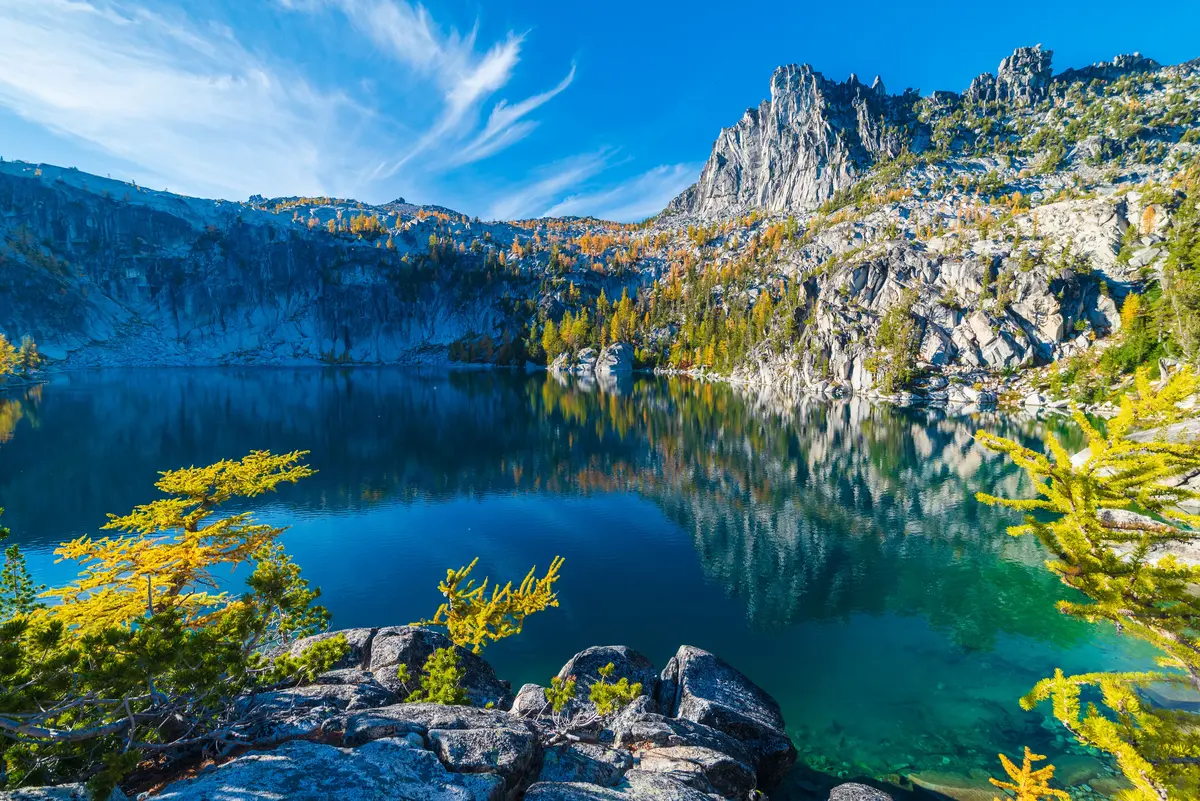
Wenatchee's relationship with the Columbia River goes well beyond the trail that runs alongside it. The river itself is a recreational resource — for swimmers, boaters, paddlers, and anyone who just wants to sit on a bank with a view of the Cascade Range.
Swimming
Walla Walla Point Park has a designated swimming area on the Columbia that becomes a genuine social gathering spot in summer. The roped-off beach at Wenatchee Confluence State Park offers a calmer alternative with a more park-like setting. Both are free to access on foot; the State Park requires a Discover Pass for vehicle entry. Neither beach has a lifeguard on duty, a fact that surprises some newcomers from larger metro areas — you're responsible for your group.
Boating and Paddling
The two-lane boat launch at Wenatchee Confluence State Park is the primary public put-in for the stretch of Columbia through the city. Kayakers and paddleboarders use it regularly in summer, and the calm water in this section of the river is well-suited to flat-water paddling. If you're arriving by boat from upriver, the park's launch provides a logical stop with facilities.
The After-Trail Scene
What makes the Columbia River corridor function as a community space rather than just an exercise route is what sits along it. A cluster of independently owned brewpubs near Pybus Public Market — sometimes referred to locally as Brewers Row — puts a cold drink within easy biking distance of the Loop. Wenatchee Valley Brewing Company on Islandview St and Saddle Rock Pub & Brewery on N. Wenatchee Ave are both within the corridor. Biking to a brewery and back is not a special occasion here; it's a standard Friday evening.
One honest note: the Columbia River in this stretch moves fast in spring when snowmelt peaks, and swimming or paddling in April or May requires real judgment. The river that looks calm in photos is running considerably harder than it appears from the bank. Local paddlers know this; relocating newcomers sometimes don't until they're in it.
Looking to buy in Wenatchee? Estimate your payment.
Enter your numbers to see an estimated monthly mortgage payment.
Estimate only. Excludes HOA fees and mortgage insurance. The interest rate above is a starting point, not a quoted rate — replace it with your own to see real numbers. Insurance is a flat placeholder, not a Wenatchee quote.
Seasonal Recreation: Skiing, Summer Trails, and What Nobody Tells You About Spring
Wenatchee's outdoor calendar doesn't pause in winter — it shifts. The city sits at an elevation where valley floors stay relatively mild while the mountains above accumulate serious snowpack, which creates a four-season recreation pattern that's genuinely unusual for a city this size.
Mission Ridge in Winter
Mission Ridge Ski & Board Resort sits 12 miles from downtown Wenatchee and has operated since 1966. The resort spans 2,000 skiable acres with a 2,250-foot vertical drop — base at 4,570 feet, summit at 6,820 feet — and averages 200 inches of snowfall annually. The ski area has announced a multi-year expansion that adds beginner terrain, Nordic trails, and on-site lodging; the lodging piece would be the resort's first in nearly a decade of planning.
For Wenatchee residents, Mission Ridge functions the way a neighborhood pool functions in other cities: accessible, familiar, and used casually rather than as a destination event. The 12-mile drive from downtown means a morning ski session before noon is genuinely practical, not aspirational. Families with children often have season passes as a standard winter expense.
Trail Running and Mountain Biking
Beyond the paved Loop, the hills above Wenatchee — particularly around Number One Canyon and the Sunnyslope area — have a network of dirt trails used by mountain bikers and trail runners. The terrain is dry, rocky, and exposed in summer, which means early morning starts matter even more than they do on the river path. Rattlesnakes are a real seasonal presence on these trails from late spring through early fall — locals know to watch where they step and don't treat it as an abstract concern.
What Nobody Tells You About Spring
Spring in Wenatchee is the season that surprises people most in their first year. The valley blooms aggressively in April — the apple and pear orchards produce a weeks-long blossom event that rivals anything in the region aesthetically — but the river runs high, the canyon trails are often muddy or snow-patchy at elevation, and the warm-day/cold-night swings can be 30 degrees or more. The outdoor season feels like it should be fully open, and it isn't quite yet.
The Washington Apple Blossom Festival runs in late April and early May each year, drawing significant crowds to Wenatchee — traffic on the Loop and in Walla Walla Point Park intensifies noticeably during festival week. New residents who move in March or April often find their first attempt at a quiet weekend outdoors lands squarely in festival chaos. It's a beloved local event, but knowing it's coming lets you plan around it rather than into it.
| Season | Primary Activity | Where | Insider Note |
|---|---|---|---|
| Winter (Dec–Feb) | Alpine skiing, snowboarding | Mission Ridge (12 mi from downtown) | 200-inch average snowpack; valley floor stays mild |
| Early Spring (Mar–Apr) | Loop Trail cycling, blossom viewing | Apple Capital Loop, orchard corridors | Festival week (late Apr) = heavy crowds |
| Late Spring (May–Jun) | Paddling, trail running, mountain biking | Columbia River, canyon trails above Sunnyslope | River running fast; rattlesnake season begins |
| Summer (Jul–Aug) | River swimming, cycling, hiking | Walla Walla Point, Loop Trail, Ohme Gardens | Ride early — Loop exposed and hot by midday |
| Fall (Sep–Oct) | Hiking, harvest events, Ohme Gardens | Horan Natural Area, Ohme Gardens (closes Oct 15) | Best crowds-to-conditions ratio of the year |
Fall is the season locals consistently call their favorite — the Loop is cooler, Ohme Gardens is at its quietest before closing on October 15, and the canyon trails have dried out from summer heat without yet hitting winter mud. If you're visiting Wenatchee to evaluate whether to move here, September is the most honest version of what daily outdoor life looks like.
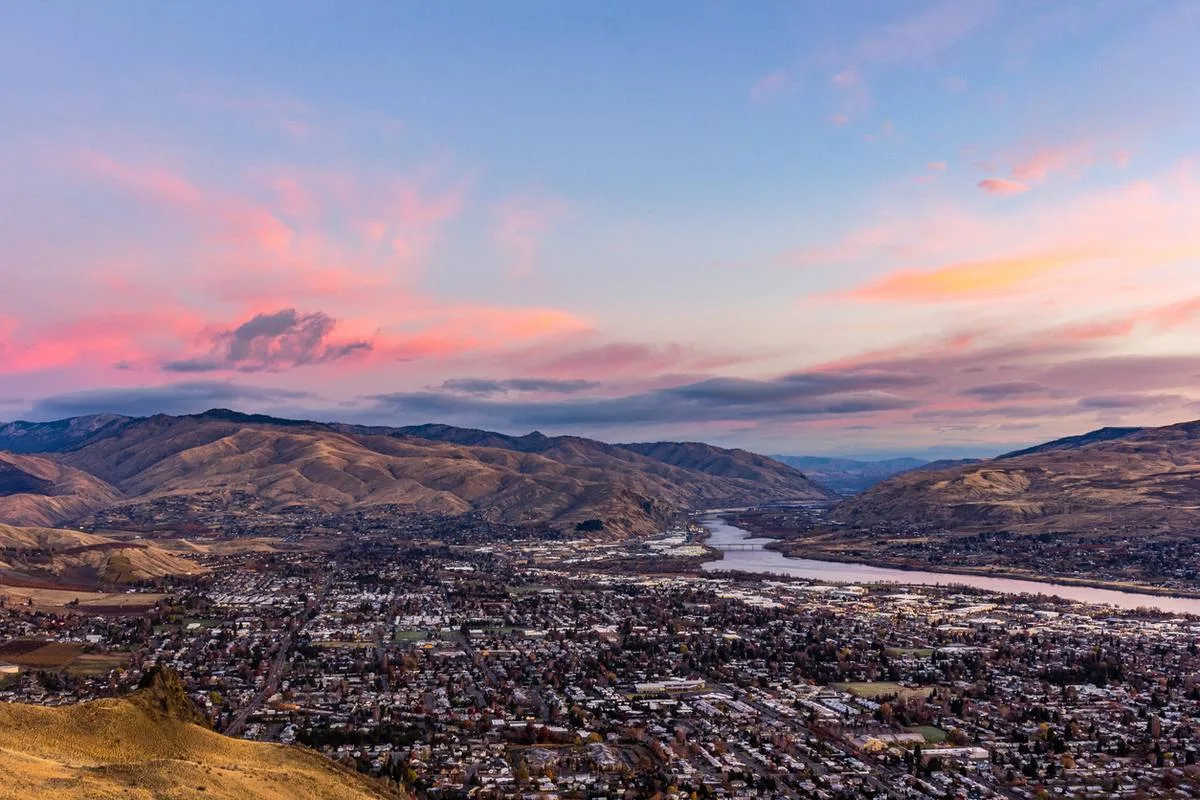
Local Expert Takeaway: The Apple Capital Loop Trail is genuinely the city's outdoor living room — ride it on a Tuesday morning and you'll see why people stay in Wenatchee when they could move somewhere cheaper. The combination of a 10-mile river path out the front door, Mission Ridge 12 miles up the hill, and summer swimming at Walla Walla Point Park is the recreational case for the city in three sentences. The catch is that summer crowds are real — the Loop near Pybus Public Market on a July Saturday is a slow-moving parade, not a trail — and spring blossom season catches newcomers off guard with how much festival traffic presses into Wenatchee over a two-week window. Go early in the mornings, build a Discover Pass into your budget for Confluence State Park, and put Mission Ridge season passes on the family spreadsheet before your first December here.
Quick Takeaways & FAQs
✅ The Apple Capital Recreation Loop Trail — a 10-mile paved river loop open year-round — is one of the most accessible urban trail systems in Washington State and sits at the center of daily life in Wenatchee.
⚠️ The Loop's Columbia River corridor is exposed and hot by midday in July, and summer weekends near Pybus Public Market bring enough foot traffic that a fast-paced ride requires an early start.
📍 Wenatchee Confluence State Park requires a Washington State Parks Discover Pass for vehicle day-use entry — a small recurring cost worth factoring in if the park becomes a regular weekend destination.
How long is the Apple Capital Loop Trail in Wenatchee?
Is Ohme Gardens worth visiting, and when is it open?
How far is Mission Ridge from Wenatchee, and is it worth it for families?
Can you swim in the Columbia River in Wenatchee?
What outdoor activities can I do in Wenatchee in winter?
Moving to Washington?
Tell us what you need help with and we'll connect you with local resources.
