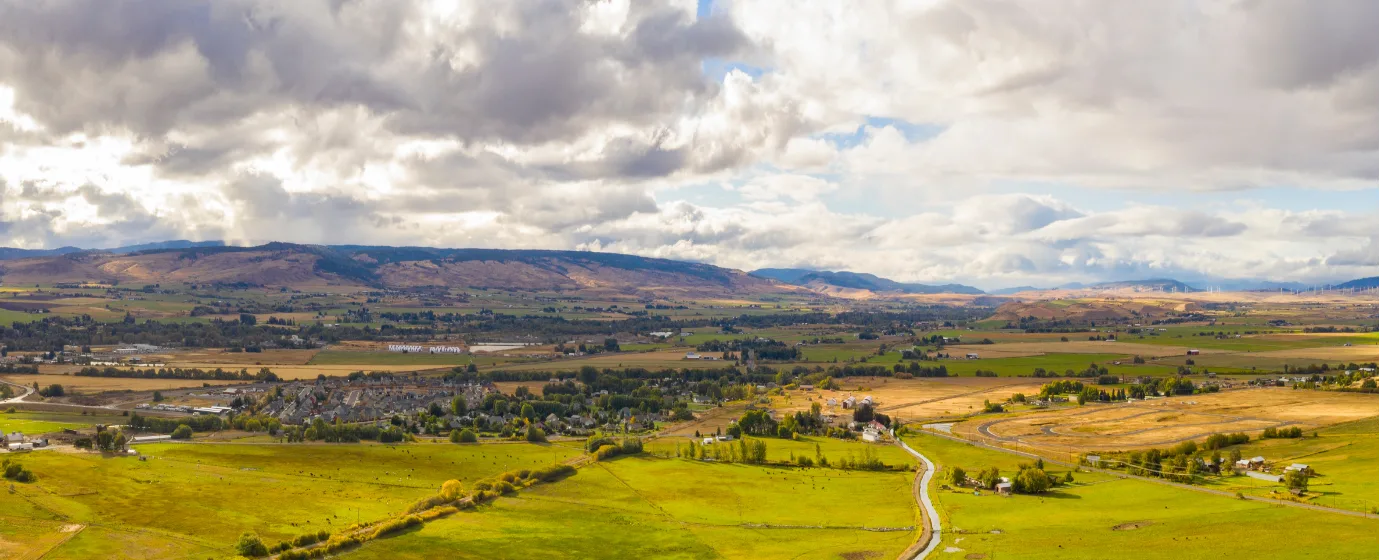
Most Californians who end up in Ellensburg didn't plan on it. They were priced out of the Bay Area, done with LA traffic, or following a partner who took a job at Central Washington University — and someone mentioned a small city east of the Cascades where you can actually buy a house. What they didn't expect: the wind, the rodeo, the coffee culture, or how quickly a town of about 21,000 people starts to feel like exactly the right size. Ellensburg sits at the junction of I-90 and I-82 in the Kittitas Valley, three hours from Seattle and about 35 minutes north of Yakima, and that geography shapes everything — the high desert climate, the relative isolation, and the surprisingly strong sense of community that forms when people are slightly out of the way together.
Central Washington University is the city's gravitational center, with an enrollment of roughly 10,800 students in the most recent academic year and a 380-acre campus that keeps the city younger and more active than its size would suggest. CWU, Kittitas Valley Healthcare, Twin City Foods, and Kittitas County government form the employment core. The Kittitas Valley also produces internationally traded timothy hay, which anchors an agricultural sector that makes this more than a one-industry college town. Families with school-age children land in the Ellensburg School District, which holds a B rating, according to Niche — not exceptional, but solid and improving, and nothing like the lottery-dependent school access many Californians left behind.
The financial case for the move is substantial. Ellensburg's cost of living runs approximately 8% below the Washington state average, and Washington state itself carries no personal income tax — a shift that reshapes household finances in ways that take a few paychecks to fully register. The Zillow Home Value Index for Ellensburg came in at $457,864 as of June 2026, a number that looks almost impossible to anyone who spent the last decade watching California median prices climb past $800,000 in most coastal metros. Outdoor access along the Yakima River Canyon, trails through Olmstead Place Historical State Park, and events anchored by the nationally recognized Ellensburg Rodeo every Labor Day weekend fill out a lifestyle that doesn't require a large income to enjoy — which is the whole point for most people making this move.
Whether you're seriously considering the move or still in the research phase, the sections below break down the tax and price comparison, what the buying process looks like for California transplants, how daily life shifts, what surprises people after six months, and the honest trade-offs worth understanding before you put in an offer.
The Tax Picture: What No State Income Tax Actually Means
The headline is real: Washington levies no personal income tax. If you are moving from California, where the top marginal rate hits 13.3% and the effective rate for a household earning $120,000 is typically in the 6–9% range depending on filing status and deductions, the absence of a state income tax in Washington is not a minor footnote — it is a structural change to your household budget that compounds year after year.
For a California household earning $100,000 annually, that effective state income tax liability often runs $6,000–$9,000 per year. In Ellensburg, that number goes to zero. What Washington does instead: a sales tax, and a relatively straightforward one.
| Tax Category | California | Ellensburg / Washington |
|---|---|---|
| State income tax | 1%–13.3% marginal; 6%–9%+ effective for middle incomes | None |
| Combined sales tax | Roughly 8.8%–10.25% depending on locality | 8.6% (state 6.5% + local 2.1%) |
| Effective property tax rate | Often 0.7%–0.8% for long-term owners (Prop 13-constrained) | 1.03% |
| Capital gains tax (state) | Taxed as ordinary income (up to 13.3%) | 7% on long-term capital gains above a $278,000 standard deduction for 2025, rising to 9.9% on gains above $1,000,000 |
| Estate / inheritance tax | None at state level | Washington estate tax applies above certain thresholds |
| Vehicle registration | VLF based on vehicle value; typically $200–$500+/yr | Based on vehicle weight/age; often lower for older vehicles |
The sales tax comparison is the one that surprises most transplants. California's combined sales tax often runs at or above Ellensburg's 8.6% rate, so your day-to-day purchase tax doesn't look dramatically different at the checkout register.
The Property Tax Conversation Worth Having
California's Proposition 13 is the wildcard in the comparison. Long-term California homeowners often pay effective property tax rates well below 1% because their assessed value is locked near their original purchase price. If you owned a home in California for a decade or more, you may feel Ellensburg's 1.03% rate as a step up in annual cost — even though the base price is so much lower that the actual dollar amount is still a fraction of what a California homeowner in a high-value market would owe on a new purchase.
The math is specific to your situation. On Ellensburg's Zillow Home Value Index figure of $457,864 (June 2026), the annual property tax at 1.03% works out to roughly $4,716. A California buyer purchasing at the state's median in a coastal metro at even 0.75% effective rate would owe several times that amount in absolute dollars. See the cost of living page for a full breakdown of property, sales, and utility costs in Ellensburg.
Washington's Capital Gains Tax — Read This Before You Sell
Washington taxes 7% on long-term capital gains above a $278,000 standard deduction for 2025, rising to 9.9% on gains above $1,000,000. If you are selling a California home with significant appreciation before buying in Ellensburg, talk to a tax professional before the sale closes — this is one place where the Washington picture is slightly more complicated than the zero-income-tax headline suggests. Real estate on your primary residence is generally exempt, but investment property, stock, and business assets are not.
Home Prices: What Your California Equity Actually Buys Here
The single most powerful argument for making this move is the price gap. Ellensburg's Zillow Home Value Index was $457,864 as of June 2026. That figure represents a detached single-family home in a real city — with a university, local employers, and a genuine downtown — not a rural outpost two hours from anything.
For context on where Californians are moving from: Bay Area median prices typically run well above $1.4 million. San Diego and Los Angeles metro medians have both tracked above $850,000 in recent years. Sacramento, often mentioned as a more affordable California option, still runs noticeably higher than Ellensburg's figure. The gap is not incremental — it is generational.
Equity from a California sale frequently means arriving in Ellensburg as a cash buyer or with a large enough down payment to make financing straightforward. That changes your negotiating position significantly in a smaller market. A California seller arriving with $600,000–$800,000 in equity can buy in cash or with a very small loan, which completely changes their options in a market where inventory is limited.
What the Price Range Gets You
At Ellensburg's price level, buyers typically find three-bedroom, two-bathroom homes on proper lots with garages — the kind of property that hasn't been buildable in a California coastal city for a generation. Older craftsman-style homes near Historic Downtown Ellensburg, newer construction out toward Northridge and Ridgeview, and quieter parcels in West Ellensburg and Craig's Hill each attract different buyer profiles. For a deeper look at how the neighborhoods compare in character and access, the best neighborhoods page breaks them down specifically.
Entry-level inventory — older construction, smaller footprint — typically starts noticeably below the city median, making Ellensburg genuinely accessible for first-time buyers who arrive with California equity. The catch: inventory is limited in a city this size, and well-priced homes in established neighborhoods move quickly.
The Honest Trade-Off on Price
Appreciation here does not behave like California. Ellensburg prices have grown steadily, but the explosive decade-over-decade gains that made California homeownership feel like a wealth strategy are not a reasonable expectation. You are trading appreciation potential for immediate affordability and a lower cost of carrying the home month to month. For many California transplants, that is exactly the trade they want to make — but it's worth being clear-eyed about it before you arrive.
Daily Life Differences: What Actually Changes After You Move
The financial math is the easy part to model. What's harder to anticipate is how daily life feels different in Ellensburg — and not always in the ways you'd expect.
The Wind Is Real
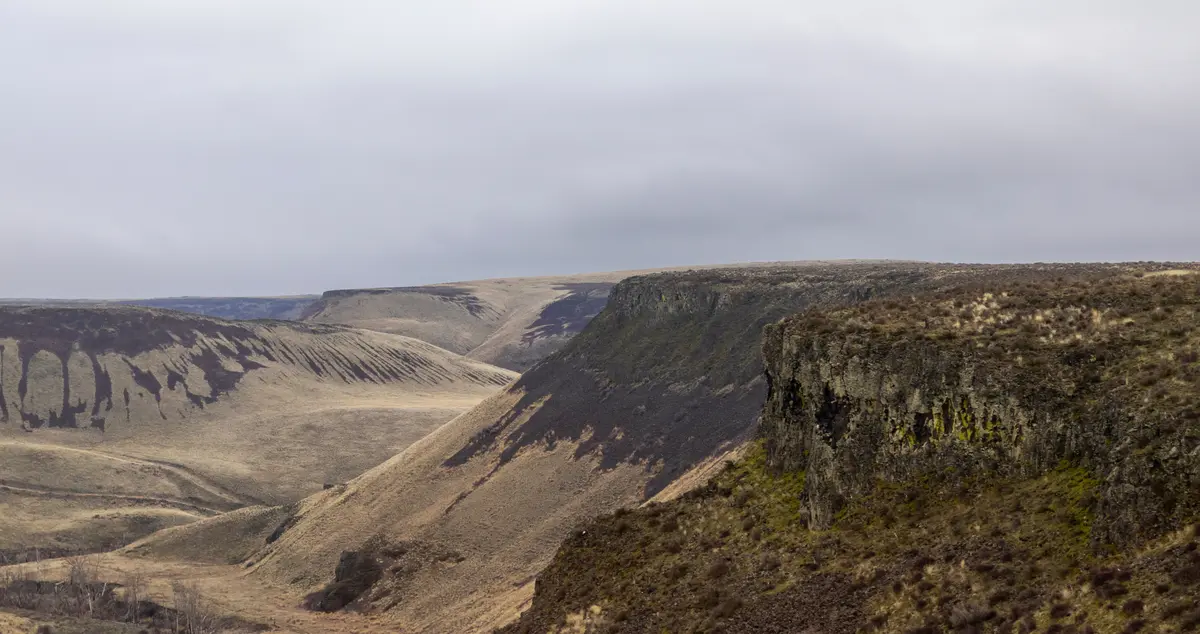
No one warns California transplants about the Kittitas Valley wind. The geography that makes this valley productive farmland — a long corridor flanked by the Cascade Range to the west and the Manastash and Umptanum ridges to the south — also funnels consistent, sometimes punishing wind through the city. Afternoon gusts in spring and fall are not occasional weather events; they are a feature of the place. You will own a heavier coat than you did in California, and you will keep your car in the garage if you have one.
Grocery and Retail Reality
Fred Meyer anchors everyday retail. There is no Trader Joe's in Ellensburg — the nearest is in the Yakima or Puget Sound corridor. No Whole Foods, no large specialty grocery. What exists is functional and adequate, and the restaurant scene along 4th Avenue and in the historic downtown offers more variety than first-time visitors expect from a city this size. D&M Coffee roasts in-house and operates multiple locations around town, including a downtown café and a drive-thru on Canyon Road — the local answer to the specialty coffee culture that California transplants tend to miss most. A quick stop at 1883 Coffee Company on University Way handles mornings when you're near campus.
Healthcare Costs and Coverage
Health insurance premiums in Washington generally run noticeably below what California residents typically pay, and routine care costs follow a similar pattern. The honest trade-off: advanced specialist care and tertiary treatment facilities are farther away than what most California metros offer, and you will plan ahead for anything beyond routine and urgent needs in a way you may not have had to before.
The College-Town Rhythm
CWU's presence means Ellensburg has a live music scene, a downtown that stays active through the school year, and a population that skews younger than most towns of its size. It also means August is chaos as students return, and Labor Day weekend — Ellensburg Rodeo weekend — is the single busiest and loudest event of the year, drawing over 600 competitors and awarding more than $700,000 in prize money at one of America's top 25 professional rodeos. If you plan to host family that weekend, book lodging months in advance. Locals either embrace the rodeo fully or learn to leave town.
The Isolation Question
Californians who've lived in metro areas find the quiet jarring at first, and then, for most, they find it's exactly what they came for. The Yakima River Canyon is a 20-minute drive for fly fishing, hiking, and river access. Olmstead Place Historical State Park sits just east of town. Skiing at Snoqualmie Pass is roughly an hour up I-90. The trade-off is that weekend errands requiring a specific store, a specialist appointment, or a wider restaurant selection involve at least a 35-minute drive to Yakima or longer to the Puget Sound side. That reality doesn't bother most people who chose Ellensburg deliberately — but it tends to frustrate buyers who arrived without thinking it through.
Looking to buy in Ellensburg? Estimate your payment.
Enter your numbers to see an estimated monthly mortgage payment.
Estimate only. Excludes HOA fees and mortgage insurance. The interest rate above is a starting point, not a quoted rate — replace it with your own to see real numbers. Insurance is a flat placeholder, not a Ellensburg quote.
The California Mindset Shift: What Locals Know That Newcomers Learn
Six months in, nearly every California transplant has the same conversation. The city felt smaller than expected at first. Then it started to feel right-sized. Then they stopped noticing the size at all and started noticing the people — because in a community of about 21,000, you recognize faces faster than you'd think.
Community Is Built Differently Here
In most California metros, community is something you find in a neighborhood or a gym or an online group — because the scale of the city means you can go weeks without a conversation with someone who knows your name. In Ellensburg, the Irene Rinehart Riverfront Park draws regulars who know each other. The Clymer Museum & Gallery downtown attracts a consistent arts crowd. The CWU calendar pulls residents into events they'd skip in a larger city. The friction that Californians feel initially — fewer options, less anonymity — tends to resolve into a texture of daily life that most of them end up preferring.
What People Who Move Out Tell You
It's worth being honest about who leaves. The transplants who don't stick usually cite one of three things: not finding work locally and burning out on the Yakima commute; missing the cultural and culinary scale of a larger city in a way that didn't improve over time; or arriving with a partner who never adjusted to the pace. Career mobility is the most structurally real concern. CWU, Kittitas Valley Healthcare, Kittitas County government, and Twin City Foods form the local employment base — and if none of those sectors match your background, the job market is genuinely thin. Remote work has changed the calculus for many buyers, but it's a variable, not a guarantee.
What You Would Not Do
Local buyers who know the city well tend to advise against buying on the far eastern edge of town without understanding the wind exposure and the distance from downtown amenities — particularly for buyers used to walkable urban access. The University District near CWU is active and energetic during the school year and quiets noticeably in summer when students leave, which can feel like a different city for a couple of months. Neither of these is a dealbreaker, but both are worth experiencing in person before you close.
See the neighborhood guide for a full breakdown of which areas suit which buyer types, and the living in Ellensburg page for a look at employers, commute patterns, and who tends to thrive here.
Making the Move: A California Transplant's Practical Checklist
The mechanics of buying in Ellensburg are simpler than what most California buyers are used to. Fewer competing offers, a smaller pool of active listings, and a more direct relationship between buyer and agent than the frenzied offer-waiving culture of coastal California markets. That said, well-priced homes in established areas still move faster than buyers expect.
Bring Your California Equity — Use It Strategically
Arriving with equity from a California sale is a significant advantage. A large down payment in a market at Ellensburg's price level lowers your loan amount into a range where conventional financing is straightforward, and in some cases equity buyers have the option of all-cash offers that shorten timelines and remove contingency friction. Talk to a local lender before you list in California — knowing your pre-approval range in Ellensburg makes the window between your California close and your Washington offer much less stressful. The first-time homebuyer page covers Washington state loan programs and down payment assistance that may apply even to buyers with equity, depending on income and loan structure.
Timeline and Logistics
Washington uses escrow-based closings with a 30–45 day typical timeline. Inspection is standard and advisable — Ellensburg's older housing stock, particularly in the historic downtown areas, can carry deferred maintenance that's invisible to out-of-state buyers. Budget for a thorough inspection and take the report seriously, especially on homes built before the 1980s where insulation, electrical, and roofing age together.
Registering Your Vehicle and Your Voter Registration
Washington requires you to register your vehicle within 30 days of establishing residency. If you're bringing a car registered in California, there is no smog check requirement in Ellensburg — Washington's emissions testing applies to some counties but not to Kittitas County. That's one less line item on the moving checklist that California transplants appreciate more than they expect.
| Task | California Baseline | Ellensburg / Washington Action |
|---|---|---|
| State income tax filing | Required annually (FTB) | None — no state income tax return |
| Vehicle registration | VLF-based, smog check required | Register within 30 days; no smog in Kittitas County |
| Driver's license | California DMV | Washington DOL; required within 30 days |
| Voter registration | California SOS | Re-register in Washington; all mail-in ballot state |
| Property tax billing | Two installments, county treasurer | Two installments, Kittitas County Treasurer |
| Homeowners insurance | Increasingly expensive; wildfire surcharges common | Generally lower premiums; wind/hail coverage worth reviewing |
One Thing Most California Buyers Underestimate
Washington is an all-mail-in ballot state, which means your county sends you a ballot automatically once you're registered. It sounds minor, but it's the kind of practical civics detail — like learning that Kittitas County has its own property tax schedule and that CWU's fall start shapes the rental and housing market in late August — that signals you've actually arrived rather than just relocated your California habits to a different zip code. For a deeper look at safety in the community, the safety page covers Ellensburg's crime context specifically.
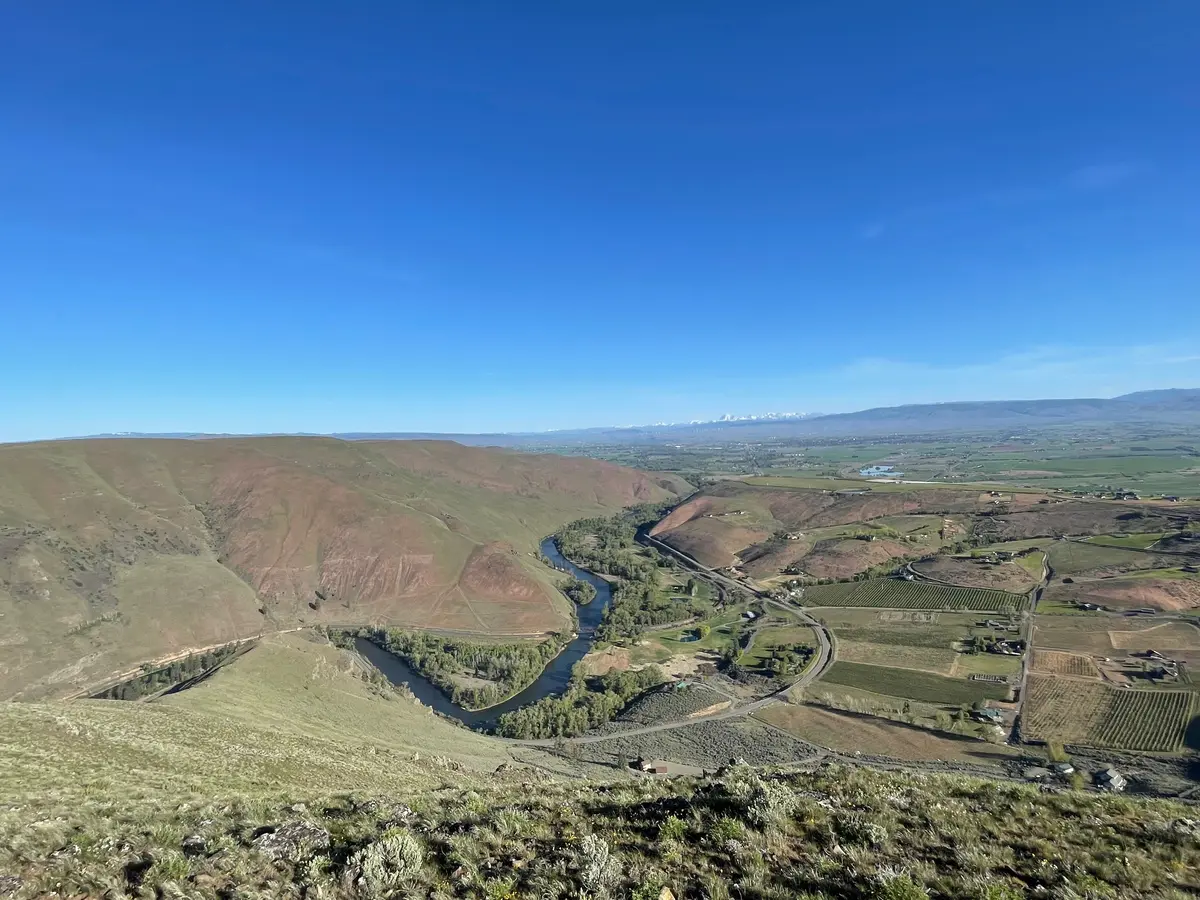
Local Expert Takeaway: The California transplants who thrive in Ellensburg are the ones who came for the specific things this city actually offers: a house they could afford to buy outright, a zero state income tax environment, a college-town energy without the college-city cost, and enough outdoor access — Yakima River Canyon, Olmstead Place, the drive to Snoqualmie Pass — to fill weekends without a long commute. The ones who struggle arrived thinking 'smaller and cheaper version of where I was' rather than 'genuinely different place.' Pick up a coffee at D&M Coffee downtown and walk the four blocks of Historic Downtown Ellensburg on a weekday morning — that walk will tell you more about whether this place fits than any spreadsheet comparison.
Quick Takeaways & FAQs
✅ Washington's zero state income tax eliminates a tax bill that costs most California households thousands of dollars annually — and Ellensburg's home prices, at $457,864 median (Zillow, June 2026), make that savings immediately visible in your monthly budget.
⚠️ Ellensburg's job market is anchored by a handful of large employers — CWU, healthcare, county government — and if none of those sectors match your background, remote work or a Yakima commute becomes part of your daily math.
📍 The Ellensburg Rodeo every Labor Day weekend is one of America's top 25 professional rodeos, inducted into the ProRodeo Hall of Fame — if you plan to have guests that weekend, book lodging months in advance or you will be driving them to Yakima to sleep.
How much do Californians actually save by moving to Ellensburg with no state income tax?
Is Ellensburg's property tax rate higher than California's?
What does a California buyer's equity from a home sale typically buy in Ellensburg?
Does Washington state have any taxes that offset the income tax savings for California transplants?
What do California transplants tend to miss most after moving to Ellensburg?
Moving to Washington?
Tell us what you need help with and we'll connect you with local resources.
