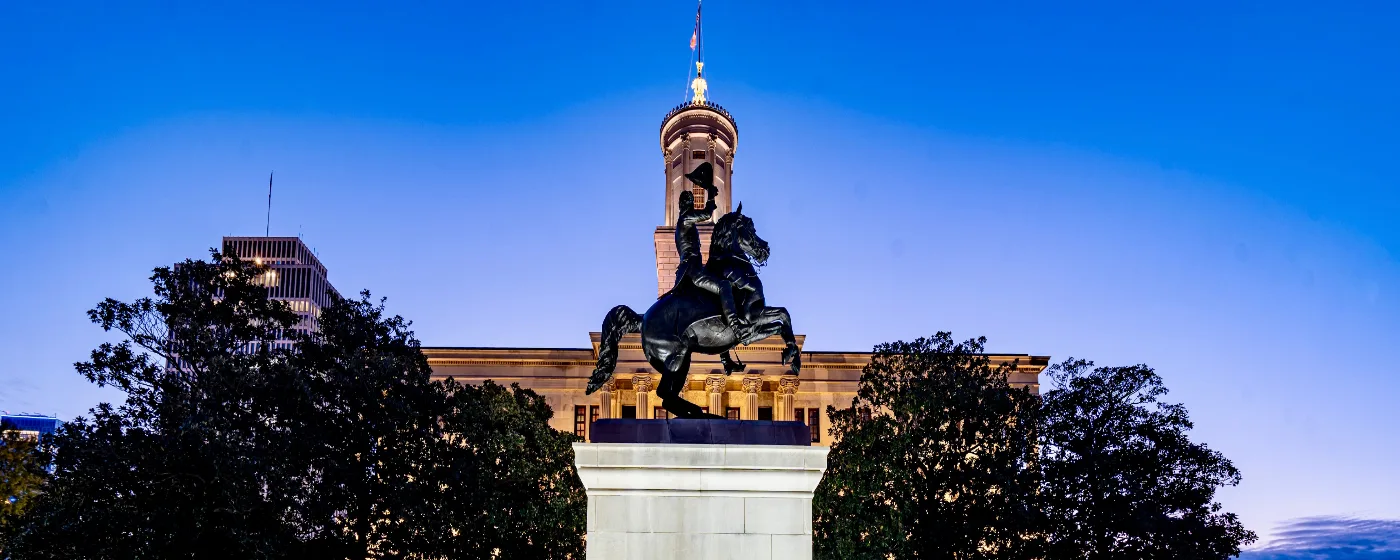
What Is Living in Maryville, Tennessee Like?
If you've been priced out of bigger Tennessee markets and someone mentioned Maryville, you might have expected a sleepy mountain town. What you find instead is a small city of 32,442 people with a downtown that's actively being rebuilt, a college campus woven into the fabric of the city center, and Great Smoky Mountains National Park sitting roughly 20 to 25 miles from your front door. The city runs along US-129 and US-321, which put Knoxville to the north and the foothills to the south — a corridor that shapes both the daily commute and the weekend escape. Maryville is the county seat of Blount County, and that status gives it a density of civic infrastructure — courts, government offices, a regional health system — that most towns its size don't carry.
The economic backbone here is more industrial than people expect. Clayton Homes, the manufactured housing company, is headquartered in Maryville and is among the county's largest employers. DENSO Manufacturing Tennessee produces automotive parts at a major local campus. Arconic, the metals manufacturer, and Newell Brands both have significant operations here. A major regional health system rounds out the employer picture and draws healthcare workers from across Blount County. The school district — Maryville City Schools, a separate district from the larger county system — holds an A rating, according to Niche, with enrollment in the low thousands. That distinction matters: Maryville City Schools is one of the reasons families specifically target homes inside city limits over the surrounding county.
Cost of living sits roughly 5% below the national average, with housing costs as the primary driver of that gap. The Zillow Home Value Index puts the typical home at $394,656 as of August 2026 — noticeably below comparable Knoxville-area communities in many east Tennessee suburbs, though the median household income of $79,340 doesn't fully close the gap with that price point. Tennessee's lack of a state income tax helps, and the effective property tax rate of approximately 0.40% is among the more favorable you'll find in the Southeast. For day-to-day life, the Maryville Greenway runs through Greenbelt Park, the Foothills Parkway connects to ridge-top views, and Little River winds close enough that fly-fishing isn't a weekend expedition — it's a Tuesday after work.
Whether you're considering a move or just researching the area, the sections below break down Maryville's housing market, commute patterns, local economy, weekend life, and what daily life here is really like for the people who've already made the move.
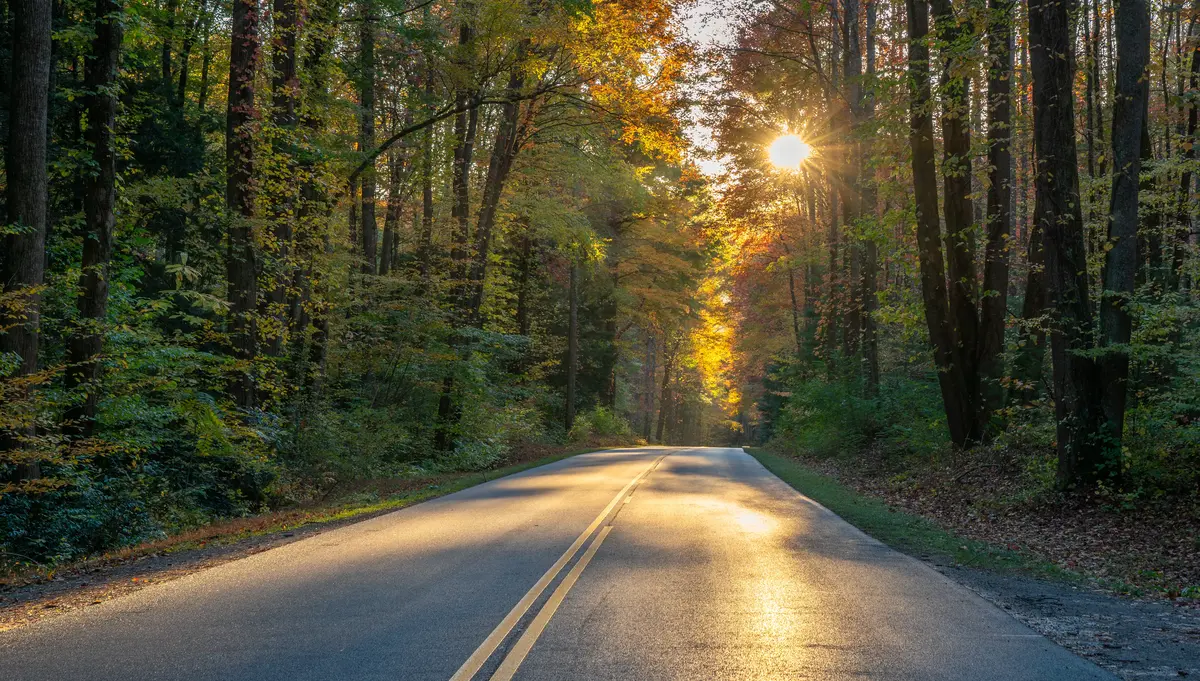
Maryville at a Glance
Looking to buy in Maryville? Estimate your payment.
Enter your numbers to see an estimated monthly mortgage payment.
Estimate only. Excludes HOA fees and mortgage insurance. The interest rate above is a starting point, not a quoted rate — replace it with your own to see real numbers. Insurance is a flat placeholder, not a Maryville quote.
Beyond the Monthly Mortgage Payment — What to Factor In
- The property tax rate above — The 0.40% used in the estimate is the median effective rate — tax actually paid as a share of market value — published by Ownwell, 2026. Half of local homes pay more and half pay less: your own bill depends on that property's assessed value and any exemptions it qualifies for, which can differ a lot from its market price. Confirm with the Blount County assessor before you budget.
- Total cost of ownership — Your monthly mortgage payment is just the baseline. Depending on the specific city, county, and service district, homeownership costs also include local utility fees, municipal surcharges, and special assessments (such as water, sewer, storm drainage, or local energy taxes) that vary by location.
- Independent due diligence — Because these recurring local costs and municipal fees change depending on the exact property address, buyers must research them independently during their transaction process.
Tax laws, local municipal fees, and utility costs change frequently and individual situations vary. This page is general information, not tax or legal advice — always consult a qualified tax professional, CPA, or local municipal offices for personalized guidance.
Why Are People Moving to Maryville?
The case for Maryville is easy to make. A strong school district, a low property tax rate, no state income tax, and a downtown that's visibly gaining momentum. The case against it is shorter but worth reading: the median household income doesn't comfortably reach the typical home price, and anyone expecting urban walkability will need to recalibrate.
The Economic Pull
Maryville's employer base is genuinely diverse for a city this size. Clayton Homes is headquartered here and anchors the private-sector economy alongside DENSO Manufacturing, Arconic, and Newell Brands — a mix of housing, automotive, metals, and consumer products that gives the local job market more stability than a single-industry town. Health care and social assistance employ the most workers of any sector, followed closely by educational services and manufacturing. A major regional health system operates inside city limits, which draws healthcare professionals who want to live close to where they work.
Remote workers have also discovered Maryville in the last several years. The combination of a reasonable home price, mountain access, and a functioning downtown makes it a compelling landing spot for people whose employers are in Nashville or Atlanta — or nowhere near Tennessee at all.
The School District Advantage
Maryville City Schools operates independently from the larger Blount County school system, and that distinction is the single most common reason families target homes inside city limits over the surrounding county. The district holds an A rating, according to Niche, and on 2025-26 state assessments, 67.3% of students reached math proficiency and 67% reached reading proficiency. High school athletics programs, a well-regarded performing arts tradition, and a district small enough that parents know the principal by name all add to the draw. See the full picture on the Maryville schools page.
The Mountain Proximity Factor
Great Smoky Mountains National Park — America's most visited national park — is roughly 20 to 25 miles from downtown. Residents reach Cades Cove wildlife viewing and the Foothills Parkway without driving through the most congested tourist corridors. For a lot of people who move here, that access is less an amenity and more a reason the whole calculation works.
Who Actually Moves Here
| Buyer Type | What Draws Them | Best For |
|---|---|---|
| Families with school-age children | Maryville City Schools A rating; smaller district feel | Families School |
| Remote workers priced out of Nashville or Atlanta | Home prices well below major metros; mountain lifestyle | Value Nature |
| Manufacturing and industrial workers | On-site employment at Clayton Homes, DENSO, Arconic, Newell Brands | Commuter |
| Healthcare professionals | Regional hospital inside city limits; short commute | Commuter Quiet |
| Outdoor-oriented households | Greenway access in town; Smokies 20-25 miles out | Nature Views |
| Retirees seeking a smaller-city pace | Low property tax, no state income tax, walkable downtown core | Quiet Value |
The safety picture reinforces the draw for families: Maryville carries a violent crime rate of 1 per 1,000 residents and a property crime rate of 5 per 1,000 residents — well below both the state violent rate of 6 per 1,000 and the state property rate of 20.8 per 1,000. Full crime context is on the safety page.
What Daily Life Feels Like in Maryville
Six months after moving here, most people say the same thing: the pace is slower than they expected, and they mean it as a compliment. Downtown Maryville isn't trying to be Knoxville's nightlife district. It's trying to be a functioning, walkable core for a small city — and in the last few years, it's getting closer to that.
The Downtown Shift
The restoration of long-vacant historic buildings in the downtown core has been driven largely by independent, often women-owned businesses that saw potential in the bones of the place before foot traffic justified the risk. The Clayton Center for the Arts expanded its programming season significantly for 2025-26, and a pedestrian bridge connecting downtown directly to the Clayton Center on the Maryville College campus opened in June 2025 — a physical link that reinforces what locals already felt: the college and the city center are one thing, not two separate destinations.
Founders' Square hosts a weekly farmers market through the warm months, and the 3rd Thursdays art-walk brings evening energy to the district from spring through fall. Annual events like Summer on Broadway, Hops in the Hills, and Downtown Maryville Christmas give the calendar enough anchors that there's always something coming up.
The College Presence
Maryville College, founded in 1819, is one of the fifty oldest colleges in the United States. Its campus isn't walled off from the city — the Clayton Center sits on its grounds and draws the whole community in. The college brings lecture series, performances, and a steady rotation of faculty, students, and visiting scholars that add an intellectual texture you don't always find in a city this size.
What Surprises People
The biggest adjustment for newcomers isn't the pace or the mountain proximity — it's the tourism pressure that spills out from the Smokies gateway towns toward Maryville on peak fall weekends. US-321 and US-129 carry visitor traffic heading to and from the mountains, and locals learn quickly which weekends to stock the pantry instead of heading out. October is beautiful here; it is also the month you do not want to be making an unplanned grocery run at 2 p.m. on a Saturday.
The other surprise is how tight the social fabric is. Parents with kids in Maryville City Schools find themselves folded into a community faster than they expected — sports, the arts, the farmers market — in ways that take years in larger suburbs. That intimacy is the feature, not the bug, for most people who stay.
For a full breakdown of neighborhoods, geographic divides, and what different parts of the city feel like to live in, the best neighborhoods page goes deeper.
The Maryville Housing Market Right Now
The Zillow Home Value Index puts the typical home in Maryville at $394,656 as of August 2026. That figure reflects a market that has moved meaningfully over the past several years while remaining noticeably more affordable than many comparably sized communities in the broader Knoxville metro. Alcoa, which sits immediately adjacent, runs noticeably lower. Knoxville and Seymour both come in somewhat lower as well — which tells you Maryville carries a premium, and that premium is mostly explained by the school district.
The typical rent city-wide runs approximately $1,926 per month, according to the Zillow Observed Rent Index for August 2026. For buyers, it's worth understanding that the median household income here sits below the income needed to comfortably carry the typical home price — by a meaningful margin. That gap shapes the market: buyers often bring equity from a previous home, receive family assistance, or are dual-income households. For a fuller picture of what housing costs, taxes, and the overall cost of living look like, the cost of living page has the complete breakdown.
What the Market Feels Like
Well-priced homes in the school district footprint attract serious attention quickly. Properties that sit tend to have a specific reason — condition, layout, or a location that puts buyers closer to a commercial corridor than they want. The entry point into the market has compressed what would have been considered starter inventory; what was affordable five years ago has moved up in price, and buyers new to the area sometimes need a recalibration of expectations before making offers.
Some parts of the city carry a premium above the city-wide figure — primarily the established neighborhoods with larger lots and mature trees close to the college and the greenway. Others, particularly newer construction on the city's edges, track closer to or below the typical figure. The neighborhoods page breaks those distinctions down without the guesswork.
The Tax Picture
Tennessee's effective property tax rate on a Maryville home runs approximately 0.40% — one of the more favorable rates in the Southeast, and made more so by Tennessee's lack of a state income tax. The full tax context, including how that rate compares to what buyers coming from other states typically carry, is on the cost of living page.
Maryville Neighborhoods
Maryville has several distinct areas — each with its own character and appeal. Here’s a breakdown to help you narrow down where to focus your home search.
🏡 Royal Oaks
An established residential neighborhood with mature tree cover and a mix of mid-century and updated homes that suits families who want space without straying far from the city's core amenities. The housing stock has a settled, well-maintained feel that longtime Maryville residents associate with stability.
🏠 Clover Ridge
A quieter residential pocket that appeals to households looking for a neighborhood pace without sacrificing proximity to Maryville's schools and shopping corridors. The streets feel intentionally calm, which is exactly what draws people there.
🌳 Heritage Hills
A well-regarded neighborhood with a mix of housing sizes that draws families specifically targeting Maryville City Schools, with access to the greenway corridor making it a practical choice for active households.
🏘 Wimbledon
A subdivided neighborhood with a consistent, family-oriented character that attracts buyers who want a classic suburban feel within the city's school district boundaries. The streetscape is readable and predictable in the way that works well for households with younger children.
🏔 College Hill Historic District
The neighborhood most directly connected to Maryville College and the downtown core, with older architecture, walkable streets, and a character shaped by the college's long presence in the city. It suits buyers who want history, walkability, and proximity to the Clayton Center and the revitalized downtown in one package.
🌆 Windsor Park
A residential neighborhood with a mix of housing types that offers a more affordable entry into the Maryville City Schools district for buyers who need flexibility on price point. The neighborhood has a functional, low-fuss character that suits working households who want good schools without the premium of the city's more established addresses.
Pros & Cons of Living in Maryville
The Pros
- Home to Fortune 500 headquarters (Clayton Homes) and strong manufacturing job base
- Top-rated Maryville City Schools district
- Quick access to the Great Smoky Mountains and Foothills Parkway
- Below-average cost of living for the Knoxville metro
The Cons
- Limited walkability outside downtown core
- Rents and home prices have risen faster than wages in recent years
- Traffic congestion growing along US-321 and Alcoa Highway during commute hours
Getting Around & Commuting in Maryville
About 86% of workers in Maryville commute by personal vehicle, and the city's road network is built around that reality. US-129 is the primary artery north toward Knoxville, and for most residents, that corridor is the commute. The drive is about 25 minutes to Knoxville under normal conditions — a workable distance that keeps Knoxville's job market accessible without requiring city-center living. US-321 runs through the heart of the city and handles the east-west traffic, connecting to the Smokies corridor in one direction and threading through downtown in the other.
The Commute Reality
Most residents who work in Knoxville drive — it's a personal-vehicle commute, and that shapes the daily rhythm in ways that buyers accustomed to transit-accessible metros need to account for. The average commute time for Maryville residents runs approximately 23 minutes, which is manageable by most measures, but it is car time every day.
For residents whose employers are in Maryville itself — the major manufacturers, the college, the hospital — the commute collapses to almost nothing. DENSO and Arconic draw shift workers who often live within a few miles of their plants. Clayton Homes employees frequently live in the neighborhoods closest to the company's campus. That localization is one of the reasons the city functions as well as it does for working families.
Reaching the Region
McGhee Tyson Airport (TYS) is approximately 5 miles from Maryville — a genuine convenience for anyone who travels for work or visits family regularly. For a city this size, having a commercial airport that close is unusual and consistently cited by residents as one of the practical advantages that doesn't show up in the standard relocation checklist.
US-411, TN-33, TN-35, and TN-73 provide access to the surrounding county and the mountain communities to the south and east. Townsend and the Smoky Mountain foothills are reachable without touching the most congested gateway-town corridors, which matters for residents who want quick access to the backcountry without the crowds. William Blount Drive (TN-335) and S Washington Street (TN-447) handle much of the local circulation inside the city.
What You Give Up
Most errands require a car. The downtown core is genuinely walkable once you're in it, and the Maryville Greenway connects residential areas to parks and the city center on foot or bike. But the commercial strip — the box retail, the grocery anchors, the chain restaurants along the major corridors — is car territory. Buyers who move here expecting to run daily life on foot will find the downtown walkability real and the surrounding city decidedly not.
Schools in Maryville
Families relocating to Maryville have public, private, and higher-education options nearby. Here’s a quick overview.
🎓 School District
Maryville serves K–12 students across Maryville and the surrounding area. Rated A (source: Niche.com).
📊 District Stats
- Enrollment 2024-25
- 5,617 students
- 4-year graduation rate
- 94.3%
- Math proficiency 2025-26
- 67.3%
- Reading proficiency 2025-26
- 67%
- Science proficiency 2025-26
- 74.3%
Source: Tennessee Department of Education Data Downloads (district profile, graduation rate and TCAP assessment files).
📚 Higher Education
Tennessee’s public universities — the University of Tennessee, Vanderbilt University, and Middle Tennessee State University — offer four-year degrees statewide, with a statewide community and technical college system of 13 community colleges and 24 colleges of applied technology, with tuition-free options for residents through Tennessee Promise and Tennessee Reconnect providing two-year and workforce programs.
🌐 Online Learning
UT Knoxville Online and MTSU Online offer fully accredited online degrees for remote learners across the state.
Safety in Maryville
A quick look at how Maryville compares on the numbers that matter most when weighing a neighborhood or a move.
🛡 Violent Crime
Approximately 1 per 1,000 residents.
🔒 Property Crime
Approximately 5 per 1,000 residents.
Compared to the most recent national figures from the Bureau of Justice Statistics (2024), Maryville’s violent crime is below the national average (about 3.7 per 1,000), and property crime is below the national average (about 18.4 per 1,000).
Against Tennessee as a whole, Maryville’s violent crime is a small fraction of the state average, and property crime is roughly a quarter of the state average (Bureau of Justice Statistics, Crime Known to Law Enforcement, 2024 (tables 2 and 3)).
Crime rates can vary a lot within a single city, so the citywide numbers above are only a starting point. Some neighborhoods in Maryville run well below these averages, while others run higher — the kind of block-by-block detail that matters most when you’re actually choosing where to live. The full guide below breaks it down neighborhood by neighborhood.
Working in Maryville
Maryville’s largest employers span several industries — here are some of the anchors of the local job market.
🏦 Clayton Homes
Manufactured housing/finance
💼 DENSO Manufacturing Tennessee
Automotive parts
🏭 Arconic
Metals manufacturing
🛒 Newell Brands
Consumer products
🏥 Blount Memorial Hospital
Healthcare
Parks & Recreation in Maryville
Some of the outdoor spaces that shape everyday life in Maryville.
🌱 Greenbelt Park & Greenway
Maryville residents don’t have to go far for green space — spots like Greenbelt Park & Greenway are part of everyday life here, whether that’s a morning walk, a weekend hike, or just somewhere to unwind outside. The full guide below covers more of what Maryville has to offer for parks and outdoor recreation.

Retiring in Maryville
Maryville draws retirees for its balance of amenities, outdoor access, and cost. Here’s what to weigh.
🌤 Climate
Maryville averages a high of 69.2°F and a low of 47.4°F annually, with four distinct seasons. Summers are warm and humid, winters are mild with modest snowfall, and the fall color season along the mountain foothills is genuinely spectacular. The city sees about 200 sunny days a year — enough to make outdoor retirement activities viable most of the year.
🍴 Lifestyle
Downtown Maryville has gained real momentum with independent coffee shops, a growing dining scene, the Clayton Center for the Arts, and a weekly farmers market through the warm months. Greenbelt Park and the Maryville Greenway provide accessible walking and cycling close to home. Great Smoky Mountains National Park is a practical day-trip destination, not just a scenic backdrop.
🏚 55+ Communities
No 55+ communities were identified in Maryville during research. Retirees who want dedicated age-restricted living typically look at options in the broader Knoxville metro area. That said, many retirees choose Maryville's established single-family neighborhoods for the community stability, the low property tax rate, and the Tennessee income tax advantage.
✈ Getting Around
A car is essential for most daily errands, though the downtown core and Maryville Greenway are walkable for shorter trips. McGhee Tyson Airport (TYS) is approximately 5 miles away — a genuine convenience for retirees visiting family or traveling. Knoxville's full range of medical specialists and services is about 25 minutes north via US-129.
🏛 Tennessee Taxes for Retirees — What to Know
- No state income tax — Tennessee has no personal income tax. Social Security, pensions, 401(k) and IRA withdrawals and annuity payments are all untaxed at the state level, with no state return to file. The Hall tax on interest and dividends — the state’s last income-type tax — was fully phased out and repealed effective 2021.
- Sales tax is the tradeoff — The state sales tax is 7.0%, and local add-ons bring the combined rate in Maryville to 9.75% (Tennessee Department of Revenue (SUT-13, SUT-53); Streamlined Sales Tax rate boundary file TNR2026Q3, Q3 2026). Groceries are taxed at a reduced state rate of 4% plus the local rate; prescription drugs are exempt. Prepared food, candy, dietary supplements and alcohol pay the full rate.
- Property taxes are low, not the tradeoff — Property tax in Tennessee is set county by county, and rates are low by national standards. Unlike Texas, which funds local government through high property taxes in place of an income tax, Tennessee leans on its sales tax instead — so a retiree is not trading one bill for another. Your county trustee publishes the current rate.
- Tax relief for owners 65 and over — The state reimburses part of the property tax bill for low-income homeowners who are 65 or older, and for disabled homeowners of any age, through the Property Tax Relief program administered by county trustees. It is income-tested and must be applied for each year.
- A tax freeze — but only where the county or city adopted it — Tennessee also allows a Property Tax Freeze that locks a homeowner’s bill at the amount owed in the year they qualify, for owners 65 and over under an income limit. It is a local option: each county and city chooses whether to offer it, and sets its own income threshold, so it is available in some parts of the state and not others. Check with the county trustee.
- No estate, inheritance or gift tax — Tennessee has none of the three. The inheritance tax was repealed for deaths occurring in 2016 and after, and the gift tax was repealed effective January 1, 2012.
- No separate capital gains tax — Because Tennessee has no state income tax, capital gains — including on investments and on the sale of a home — are not taxed at the state level at all, unlike states such as Washington that tax capital gains separately from income.
Source: Tennessee Department of Revenue and Tennessee Comptroller of the Treasury.
Tax laws change frequently and individual situations vary. This is general information, not tax advice — always consult a qualified Tennessee tax professional or CPA for personalized retirement tax planning.
Weekends & Local Favorites in Maryville
Maryville's weekend life divides cleanly into two modes: the town itself, which has gotten genuinely interesting in the last few years, and the mountains, which have always been there and never get old.
In Town
For coffee, Vienna Coffee Company and Bear Grounds Coffee have established themselves as spots where people settle in for a while. Beard Brothers Coffee and Quick Fix Coffee LLC round out a scene that punches well above what a city this size usually supports.
The dining anchors worth knowing: Aubrey's Maryville handles the reliable crowd-pleaser end of things. Bluetick Tavern brings a more specific local character. The Shed Smokehouse & Juke Joint is the kind of place that becomes a standing Friday plan within a few months of moving here. Bella and The Walnut Kitchen represent the more polished end of the local dining scene — the places you take people visiting from out of town when you want to make a case for Maryville.
The Coning Family Farm Market is the local farmers market anchor — a fixed point on the weekly rhythm for households that cook seriously. The weekly market at Founders' Square through the warm months adds to that pattern.
The Arts and Culture Thread
The Clayton Center for the Arts, on the Maryville College campus, is the city's most significant cultural venue and meaningfully more active than it was even two years ago — its 2025-26 season expanded to 15 programming offerings. The pedestrian bridge that opened in June 2025 connecting downtown to the Clayton Center removed the last friction from walking between the two, and on performance nights, the connection feels intentional in a way that reshapes how the city thinks about its own center.
The Sam Houston Schoolhouse — a small log cabin where Sam Houston taught before he became a figure in Texas history — sits in the city as a quiet but specific reminder that Maryville's history runs deeper than its current size suggests.
The Outdoors, Which Is the Real Weekend
Greenbelt Park and the Maryville Greenway give residents an in-city trail network that connects neighborhoods without requiring a car. Little River is close enough for fly-fishing on a weeknight. The Foothills Parkway delivers ridge-top views of the Smokies without the crowds that funnel through the gateway towns. Look Rock Tower in the Smokies offers a maintained summit experience that rewards a half-day without demanding a full expedition.
What makes all of this work is the access without the tourist overhead. Residents reach Cades Cove and the quieter corners of the park from Maryville without driving through the commercial gauntlet of the gateway towns. That's the weekend advantage that relocating buyers consistently underestimate until they've been here long enough to use it. For the full picture of trails, parks, and outdoor infrastructure, the parks and recreation page goes into detail.
Local favorites in Maryville
Restaurants
- Aubrey's Maryville
- Bluetick Tavern
- The Shed Smokehouse & Juke Joint
- Bella
- The Walnut Kitchen
Outdoors
- Greenbelt Park & Maryville Greenway
- Foothills Parkway
- Little River
- Look Rock Tower (Smokies)
- Sharp's Ridge Memorial Park
Coffee
- Vienna Coffee Company
- Southern Grace Coffee Co.
- Beard Brothers Coffee
- Quick Fix Coffee LLC
- Bear Grounds Coffee
Farmers Markets
- Coning Family Farm Market
Top Things Locals Say About Maryville
The best intel about a city comes from the people who actually live there. Here’s what Maryville residents say when newcomers ask the questions everyone’s thinking.
“I expected the mountains to be a nice backdrop — I didn't expect to actually be in them on a Tuesday evening. And I completely underestimated how much the school district would shape our social life. Within three months we knew the other families on our street, at the soccer field, at the farmers market. It happens fast here.”
— Recent Maryville home buyer
“What's the most surprising thing about living in Maryville?”
How fast the downtown has changed. A few years ago there wasn't much reason to go downtown on a weeknight. Now there's the Clayton Center, the bridge to Maryville College, the coffee shops, the art walks. It caught a lot of longtime residents off guard in the best way. The other surprise is October — it's gorgeous here, but US-321 becomes a completely different road on fall weekends when tourist traffic is at its peak. You learn to plan around it.
“What do locals love most about Maryville?”
The access without the overhead. You can be at a trailhead in the Smokies in under half an hour without fighting through the gateway-town traffic if you know which roads to take. Little River is right there for fly-fishing. Greenbelt Park connects the neighborhoods on foot. And McGhee Tyson Airport is five miles away — that matters more than people realize until they start using it regularly.
“What should newcomers to Maryville know?”
The school district boundary is the most important thing to understand before you start making offers. Homes inside Maryville City Schools are priced differently from homes that fall in the Blount County system, even when they're on the same road. Also: make sure you're looking at city limits, not just a Maryville mailing address — the two don't always match, and that matters for which school your kids will actually attend.
“How much do you need a car in Maryville?”
For most of daily life, you need a car. The downtown core and the Maryville Greenway work on foot once you're in them, and the greenway connects several neighborhoods to parks and the city center without driving. But grocery runs, box retail, most restaurants along the main corridors — all of that means driving. If you live close to downtown, your walkable radius is real and worth using. If you're in one of the outer neighborhoods, you're driving for nearly everything.
Cities Near Maryville
Other communities near Maryville worth a look — each with its own character and price point.
| City | Distance | Best For | Vibe | Median Rent | Median Buy |
|---|---|---|---|---|---|
| Alcoa | 4 mi | Value buyers & first-time owners | Industrial roots, improving amenities | $1,693 | $321,448 |
| Knoxville | 17 mi | Urban amenities & job seekers | University city, active downtown | $1,712 | $370,699 |
| Seymour | 10 mi | Rural feel, lower price point | Quiet, spacious, semi-rural | $1,576 | $373,356 |
More Helpful Guides for Maryville
Going deeper on Maryville? Our blog series covers everything from first-time buying to retiring here — explore the guides below.
Local Expert Takeaway: Maryville works best for people who want a real school district, a manageable home price, and a mountain landscape they'll actually use — not just look at from the highway. The school district boundary is the most important line on the map: homes inside Maryville City Schools carry a measurable premium over adjacent properties in the county system, and most buyers who understand that distinction consider it worth paying. The downtown is genuinely improving, not just in the marketing-brochure sense — the Clayton Center pedestrian bridge, the farmers market at Founders' Square, and a coffee and dining scene built around independent operators give the city a texture that didn't exist five years ago. McGhee Tyson Airport five miles out and Knoxville about 25 minutes north mean you're not isolated. But this is a car city, and buyers who arrive expecting walkable daily life will find it in the downtown core and almost nowhere else.
Quick Takeaways & FAQs
✅ Maryville City Schools holds an A rating, according to Niche and is the primary reason families target homes inside city limits over the surrounding Blount County system.
⚠️ The median household income falls short of what's needed to carry the typical home price here — dual incomes or equity from a prior home are the norm for most buyers.
📍 McGhee Tyson Airport is approximately 5 miles from Maryville — an unusual convenience for a city of 32,442 that frequent travelers notice immediately.
Is Maryville, TN a good place to raise a family?
How far is Maryville from Knoxville?
What is the typical home price in Maryville, TN?
What are the biggest employers in Maryville, TN?
Is Maryville, TN close to the Smoky Mountains?
Helpful Links for Moving to Maryville
Moving to Tennessee?
Tell us what you need help with and we'll connect you with local resources.
