
About Elizabeth
McMinnville at a Glance — What the Numbers Tell You and What They Don't
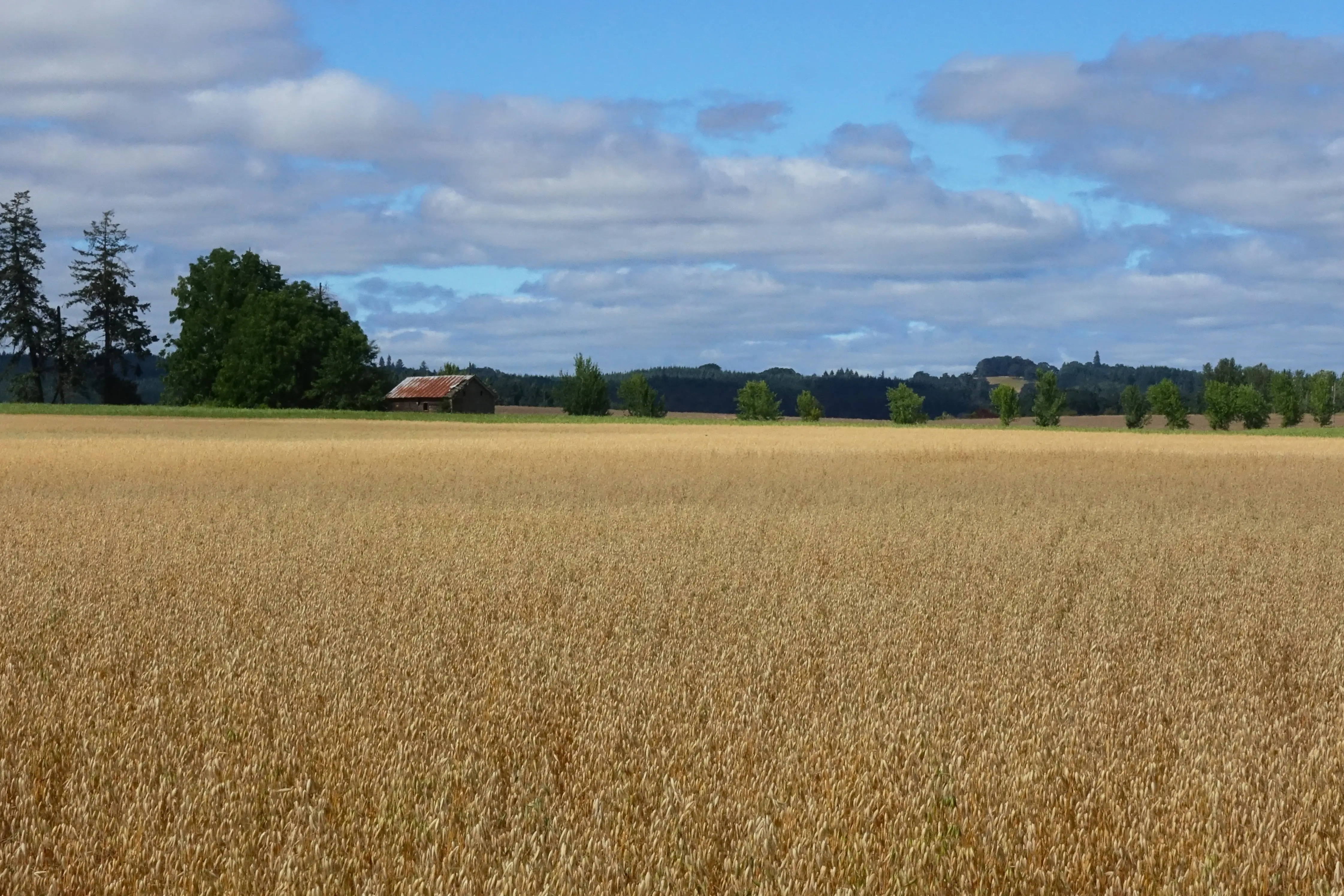
The typical home in McMinnville was priced at $488,040 as of July 2026 — that figure puts it well below what you'd pay in most Portland suburbs, and it's the number that lands people on my radar in the first place. But the citywide median is a starting point, not a destination.
McMinnville is the 18th-largest incorporated city in Oregon. That's meaningful context: this is not a small rural town, and it is not a suburb. It is a genuine small city — a county seat with its own economy, its own downtown culture, and its own identity anchored by the Linfield University campus, the Yamhill County Courthouse, and the Evergreen Aviation & Space Museum. Buyers often arrive underestimating how complete the city actually is.
The effective property tax rate here sits at approximately 0.70%, which is low by Oregon standards and lower than many comparable cities in the metro. Oregon also has no state sales tax — one of only five states without one — which matters more than most relocating buyers realize when they're running the full cost-of-living comparison.
On crime: the city carries a violent crime rate of 2.98 per 1,000 residents and a property crime rate of 23 per 1,000 residents. Oregon's statewide figures run somewhat higher on both measures. McMinnville comes in below both state benchmarks, which is not something you can say about every Willamette Valley city of this size.
What the numbers genuinely don't tell you: the median household income of $73,736 falls below what's needed to comfortably carry the typical home here. That gap is real, and it shapes who's buying — often dual-income households, buyers bringing equity from a higher-cost market, or buyers using down-payment assistance. I flag this early because it affects how buyers should structure their search, not just their offer.
McMinnville Neighborhoods — Where to Look and Why It Matters
I spend a lot of time helping buyers understand that McMinnville is not a single market. The neighborhoods operate differently, and choosing the wrong part of town is the most common mistake I see from buyers who research online but don't get granular enough before they tour.
West Hills and Horizon Heights
This is the neighborhood I point first-time visitors toward when they want to understand what McMinnville feels like at its best. West Hills sits on elevated ground with long views toward the coast range, and the homes here have a family-friendly scale that works well for buyers with kids. It is close to schools and close enough to downtown that it doesn't feel remote.
Best for: Families Views
Michelbook
Michelbook is the neighborhood I show buyers who want something newer and quieter, with a wine-country sensibility. The proximity to Michelbook Country Club sets the tone — well-kept streets, a community that takes the neighborhood seriously. The newer construction along the Baker Creek corridor appeals to buyers coming from Portland suburbs who want updated finishes without paying Sherwood prices.
Best for: Quiet Luxury
Baker Creek and Pinehurst
These corridors west of town are where McMinnville's newest residential development has been concentrated. Buyers who want a fresh build, or who want the most current floorplans, tend to gravitate here. The catch is distance from the downtown core — this feels more like the outer suburbs than the historic city.
Best for: Families Value
Hill Tract and Grandhaven
These are my go-to neighborhoods for buyers who want established McMinnville — mid-century homes, mature trees, a settled block-by-block feel. The areas ringing Linfield University carry the same character. On-foot access to the downtown is genuinely achievable here in a way it isn't from the western corridors. The housing stock is diverse, and these streets tend to hold their appeal with buyers who want a neighborhood that feels like it has history.
Best for: Walkable First-Time
Shadowood Greenways and Orchard Park
These neighborhoods offer some of McMinnville's more accessible entry points into homeownership. Orchard Park in particular has a high owner-occupancy rate, which tells you something about neighborhood stability. Shadowood Greenways draws buyers who want proximity to green space woven into a residential setting.
Best for: First-Time Nature
Downtown McMinnville — Historic District
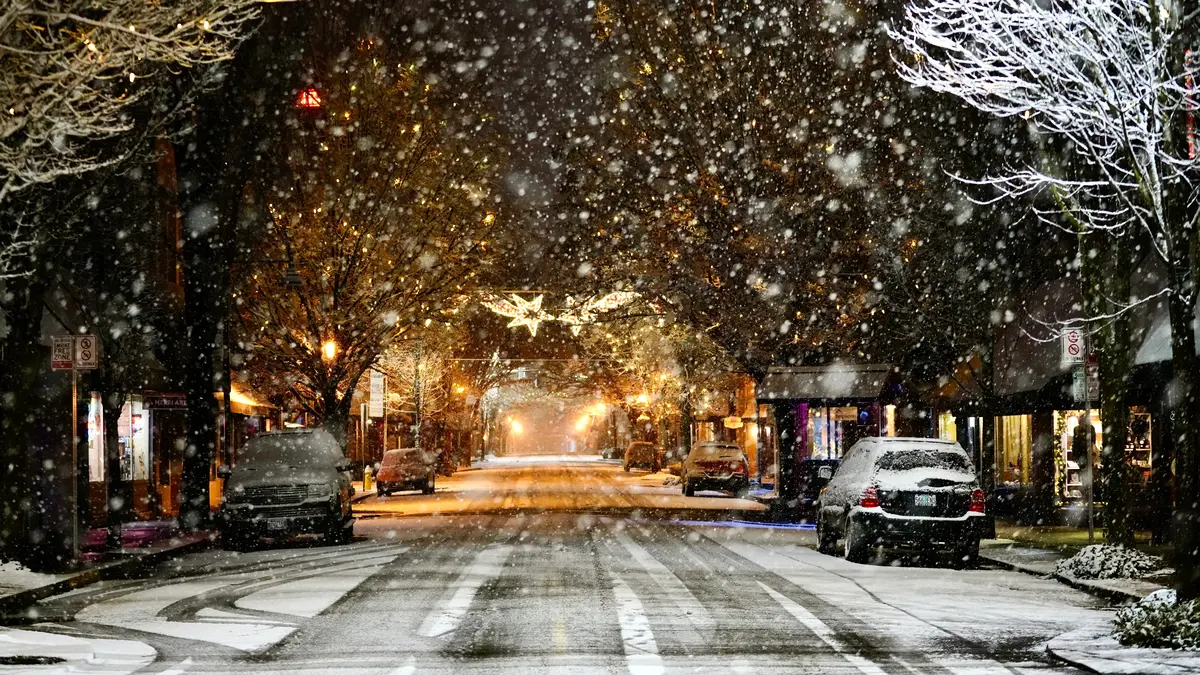
Living downtown is a specific choice, and the buyers who make it rarely regret it. Third Street is a genuine main street — preserved architecture, boutique shops, tasting rooms, the kind of walkable retail core most Oregon cities this size have lost. It has been recognized as one of the Best Main Streets in America, and that recognition is earned. The catch is that downtown inventory is limited and moves when it comes up.
Best for: Walkable Renters
Schools in McMinnville — What the State Data Shows
McMinnville School District 40 serves the city, with 6,033 students enrolled in 2025-26, according to figures the Oregon Department of Education publishes. It is a mid-sized district by Oregon standards, with a full range of elementary, middle, and high school options.
On academic performance, the state's own assessment data is the place to start: on 2024-25 state assessments, 38.2% of students reached math proficiency and 47.9% reached reading proficiency, according to figures the Oregon Department of Education publishes. Those numbers sit below Oregon's statewide averages, and I think it's important to say that plainly rather than bury it. Some families will see that and move on; others will look at the individual school data and find that the picture varies considerably across buildings within the district.
The district supports active OSAA athletics programs, and the local high school's football program has a following in this community — games fill the stands in a way that is genuinely part of the town's social fabric. That matters to some families more than the test score picture, and I don't dismiss it.
School boundaries in McMinnville are not always obvious from a map. Where a home sits determines which elementary school it feeds, and those boundaries sometimes split neighborhoods that look continuous on paper. Anyone seriously considering a move here should confirm the assigned school for a specific address directly with the district and review the assessment data the Oregon Department of Education publishes themselves — I always tell buyers to do that legwork before they are under contract, not after.
Looking to buy in McMinnville? Estimate your payment.
Enter your numbers to see an estimated monthly mortgage payment.
Estimate only. Excludes HOA fees and mortgage insurance. The interest rate above is a starting point, not a quoted rate — replace it with your own to see real numbers. Insurance is a flat placeholder, not a McMinnville quote.
The Commute Reality — Portland and Beyond
I want to be direct about this because I've seen it sink deals in retrospect: McMinnville is about 50 minutes to Portland under normal conditions. That is the figure that matters, and I say it to every buyer who tells me they're planning to commute.
The route to Portland runs through wine country, which is beautiful and which does nothing for your stress level when traffic backs up. Both routes serving the city carry commuter traffic during peak hours in a way that pushes the typical trip noticeably longer on weekdays. Some buyers have modeled a pleasant drive; the reality is more variable.
The buyers who make this commute happily tend to share a few traits: they commute two or three days a week rather than five, they have flexible start times that let them avoid the sharpest part of rush hour, or their employer is west of the metro rather than in central Portland. Fully remote workers are, honestly, the most satisfied buyers I see in McMinnville — the distance that creates friction for commuters becomes an asset when you're not making the drive regularly.
Portland International Airport is the nearest major airport, at approximately 45 miles. For buyers who travel frequently for work, that distance is worth factoring in alongside the daily commute math. It is manageable, but it is not the same as living 15 minutes from PDX.
Within McMinnville itself, the city has the services, employers, and retail base that let most residents handle daily errands locally. Yamhill County, the McMinnville School District, Willamette Valley Medical Center, Linfield University, and the City of McMinnville are the principal local employers, and the city's manufacturing base adds a job layer that keeps the local economy diversified. Buyers who work locally are shielded from the commute question entirely — and that group is larger here than in most cities its size.
McMinnville vs Nearby Cities
| City | Typical Home Price | Typical Rent | Cost vs McMinnville |
|---|---|---|---|
| McMinnville (this city) | $488,040 | $1,679/mo | — |
| Newberg | $535,028 | $2,159/mo | 10% higher |
| Dundee | $598,118 | $1,700/mo | 23% higher |
| Sherwood | $629,598 | $2,555/mo | 29% higher |
Source — home prices: Zillow ZHVI, July 2026; rent: Zillow ZORI, July 2026. Nearby-city figures are the same series, refreshed together.
This is the comparison I have most often, and I find it is most useful when I explain the real trade rather than just the price difference.
McMinnville vs. Newberg: Newberg sits noticeably closer to Portland on the commute clock, and it shows in the price — Newberg runs somewhat higher than McMinnville. Buyers who split their time between wine country and the city, or who are commuting more than a couple of days a week, often land in Newberg because the commute friction is lower. What McMinnville offers in return is a more complete small city — a more established downtown, a larger university presence, the Evergreen Museum, and a deeper cultural calendar. If the commute is not a daily constraint, McMinnville tends to win on lifestyle per dollar.
McMinnville vs. Dundee: Dundee is smaller and noticeably higher in price than McMinnville. It is a wine-country address more than a full-service city. Buyers who want walkable retail, a school district, full city services, and a genuine neighborhood infrastructure should be in McMinnville. Buyers who are buying a lifestyle statement in the vineyards and do not need much local amenity sometimes prefer Dundee for exactly that reason.
McMinnville vs. Sherwood: Sherwood is a Portland suburb that prices noticeably higher than McMinnville and feels like a suburb — polished, family-oriented, with a short Portland commute. If Portland access is the priority, Sherwood makes sense. If you want wine country culture, a downtown worth walking, and a price that leaves you more to work with, McMinnville is the different choice. I have buyers who visit both in a weekend and are surprised how different the feeling is — Sherwood is comfortable and convenient; McMinnville asks you to slow down.
McMinnville vs. Lafayette and Amity: Both are smaller communities within Yamhill County. They draw buyers who want rural quiet and a lower entry point, and they lack the services McMinnville provides. I usually frame them as the right answer for a specific kind of buyer — not as a compromise on McMinnville, but as a genuinely different life.
McMinnville vs. Carlton: Carlton is a small wine-country town with real character and limited inventory. It appeals to buyers who want something very quiet and very close to the vineyards. McMinnville is the right choice when city services, school options, and local employment matter alongside the wine country setting.
Weekends and Local Life in McMinnville
One thing that surprises buyers after they move here: McMinnville punches well above its size on culture and events. A city of 34,596 people does not typically host a globally recognized wine celebration. The International Pinot Noir Celebration draws serious wine people from around the world to the Linfield University campus every summer — it is the kind of event that anchors McMinnville's identity in the Oregon wine conversation in a way that no marketing campaign could manufacture.
The McMinnville Wine + Food Classic is held inside the Evergreen Aviation & Space Museum, where attendees taste Oregon wines under the wings of the Spruce Goose. The Oregon International Air Show brings aerobatic performers and military flyovers to the same setting annually. These are not small-town events bolstered by local enthusiasm — they are draws that bring visitors from across the Pacific Northwest and leave residents feeling like they live somewhere genuinely interesting.
The Third Street Historic District is where daily life centers when the calendar is quiet. Golden Valley Brewery & Restaurant anchors one end of the social scene. La Rambla Restaurant, 1882 Grille, Pura Vida Cocina, and Two Dogs Taphouse round out a dining scene that is more varied than the population would predict. For coffee, Union Block Coffee, Flag & Wire Coffee, Crescent Cafe, Leann's Coffee Co., and Alchemist's Jam & Bakery each have their own following — the morning options here are genuinely good.
Joe Dancer Park and Wortman Park are where families gather for outdoor time within the city. Discovery Meadows Community Park and Miller Woods give residents green space with a more natural character. The surrounding wine country means that a weekend drive through the Chehalem Mountains or out toward the coast is not a planned excursion — it is just what people do. The Downtown McMinnville Farmers Market and the Farmers Market at the Grange are the places where wine country produce shows up in the city, and they are well worth building into the weekly routine.
The one thing I tell buyers who are coming from a larger city: McMinnville is not Portland. There is no large-box retail here that covers every category, and a serious shopping trip sometimes means driving out of town. That is a genuine trade-off, and most buyers who have lived here a year say they adjusted faster than they expected — the lifestyle gains are the reason they stay.
Final Advice From Elizabeth
Quick Takeaways & FAQs
✅ McMinnville's Third Street Historic District — recognized as one of the Best Main Streets in America — gives residents a walkable downtown with tasting rooms, independent dining, and cafés that most Oregon cities its size simply don't have.
⚠️ The about 50 minutes to Portland commute is the honest number, and it's longer in peak traffic — buyers planning to commute five days a week should model that drive carefully before committing.
📍 The International Pinot Noir Celebration, held on the Linfield University campus, and the McMinnville Wine + Food Classic inside the Evergreen Aviation & Space Museum are nationally recognized events that happen in your backyard, not two hours away.
What does the typical home price actually buy in McMinnville right now?
Is the commute to Portland really manageable, or does it wear people down?
What are the schools like, and how should I evaluate them for my family?
Which neighborhoods are the best fit for families with young kids?
How does McMinnville compare to Newberg, and how do I decide between them?
What surprises people most after they've actually moved to McMinnville?
Is the rental market here stable, and should I rent before buying?
What do you tell a buyer who is seriously on the fence about moving to McMinnville?
Moving to Oregon?
Tell us what you need help with and we'll connect you with local resources.
