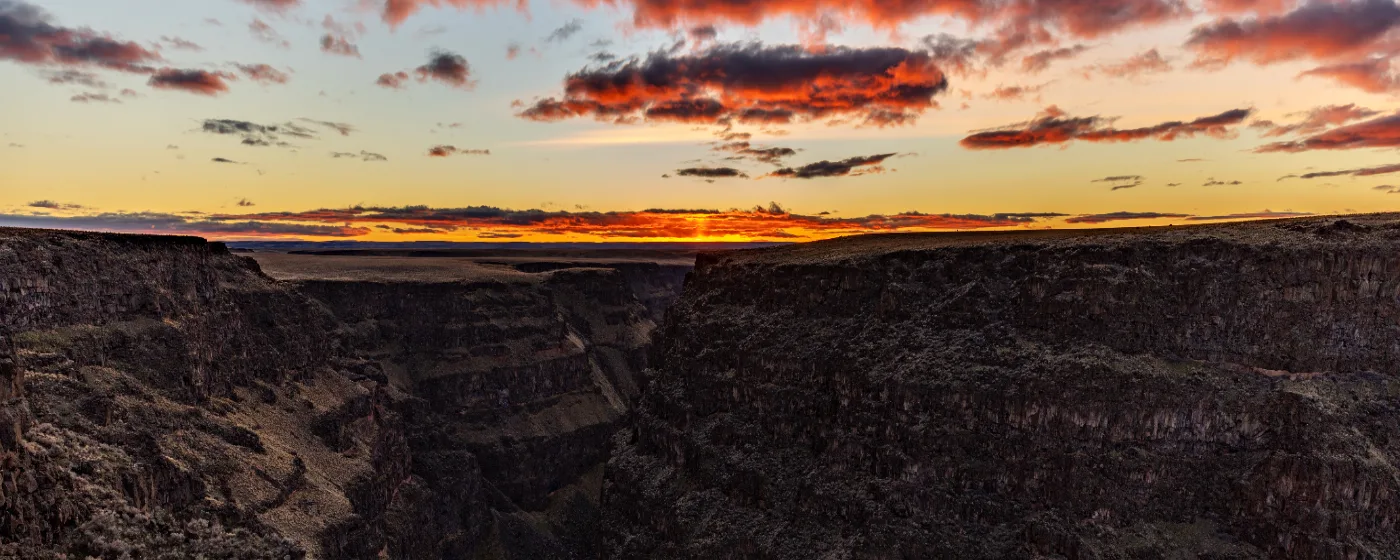
What Is Living in Mountain Home, Idaho Like?
You've done the spreadsheet. Mountain Home checks the boxes on paper — home prices well below Boise, a 45-minute interstate commute via I-84, and a city small enough that you'll recognize faces at the grocery store within a few months. But the spreadsheet doesn't tell you what living twelve miles east of a fighter wing actually feels like on a Tuesday morning when F-15E Strike Eagles are working the pattern overhead. It doesn't tell you why families who move here for the base often end up choosing to stay long after their orders change. Mountain Home sits at 3,150 feet on the Snake River Plain, a high-desert plateau where the sky is enormous, the summers are dry, and Boise feels close enough to use on weekends but far enough away to feel genuinely separate.
Mountain Home Air Force Base — home of the 366th Fighter Wing, known as the Gunfighters — is the engine that runs this city. With approximately 5,200 military and civilian personnel assigned, the base shapes everything from school enrollment and neighborhood turnover to the rental market and local retail. Marathon Cheese Corporation anchors the manufacturing side of the economy, the school district is a significant employer in its own right, and a major regional health system rounds out the major employment picture. Mountain Home School District 193 holds a B- rating, according to Niche, and the high school fields its teams in Class 4A competition under the Idaho High School Activities Association. Families arriving on military orders, civilian workers commuting to Boise, and people priced out of the Treasure Valley's core cities make up the three dominant newcomer profiles here.
The housing story in Mountain Home is real: the Zillow Home Value Index put the typical home value at $346,124 as of May 2026, a figure that remains noticeably below what comparable square footage commands in Nampa or Meridian. That gap drew a wave of remote workers and Boise commuters in the early 2020s — median prices roughly tripled between 2017 and 2022 — and the market has since stabilized into something more sustainable. For a deeper look at what that means for monthly costs, taxes, and rents, see the full cost-of-living breakdown. Day-to-day life involves wide-open desert recreation at the Morley Nelson Snake River Birds of Prey National Conservation Area, a tight-knit downtown anchored by community murals and Railroad Park, and a pace that most newcomers call refreshing rather than limiting — at least once they know where to look.
Whether you're PCS-ing to the base, relocating your family for work, or simply exploring whether Elmore County fits your next chapter, the sections below break down Mountain Home's neighborhoods, housing market, commute realities, major employers, and what weekends here actually look like.
Mountain Home at a Glance
Looking to buy in Mountain Home? Estimate your payment.
Enter your numbers to see an estimated monthly mortgage payment.
Estimate only. Excludes HOA fees and mortgage insurance. The interest rate above is a starting point, not a quoted rate — replace it with your own to see real numbers. Insurance is a flat placeholder, not a Mountain Home quote.
Why Are People Moving to Mountain Home?
The most honest answer: the base, the price, and the Boise commute — in roughly that order of volume.
The Military Community
Mountain Home AFB is the city's gravitational center. When the 366th Fighter Wing receives new orders, the city absorbs hundreds of households at a time, then releases them again three or four years later. That cycle creates a community that's unusually good at welcoming strangers — newcomers here find neighbor introductions happen fast, school parents trade PCS advice freely, and the question "how long have you been here?" carries no judgment either way. On-base housing through Hunt Military Communities includes more than 800 family units, but the city itself — twelve miles east of the main gate — is where most service members and their families land for off-post rentals and ownership.
The Boise Commute Calculation
For civilian households, the math is simple enough to run in your head: Boise's tech and healthcare sectors pay Treasure Valley wages, and Mountain Home's home prices are a fraction of what the same paycheck would buy in Eagle or Meridian. The I-84 corridor west of Mountain Home is fast and lightly trafficked by metro standards, and the roughly 45-minute drive is a trade many Boise-area workers make deliberately. The catch is that it's still 45 minutes each way, and I-84 in winter — while manageable — demands respect when black ice forms between the exits east of town.
The Affordability Seekers
The early 2020s brought a wave of buyers fleeing Treasure Valley price appreciation, and some stayed even after Boise stabilized. For people relocating from California, the comparison is especially stark — see the moving-from-California guide for how the numbers and culture stack up. What they find in Mountain Home is a functional small city: a Walmart, a growing restaurant scene, and enough infrastructure to handle daily needs without a highway run.
Who Tends to Struggle Here
People who move here expecting a suburb of Boise often recalibrate by month three. Mountain Home is its own city, with its own rhythms, a limited nightlife scene, and a retail selection that tops out at national chain anchors. Remote workers who need walkable neighborhoods with coffee shops and lunch spots on every block tend to find the options thin. Anyone who needs a specialist medical appointment or a specialty grocery run regularly will be budgeting that drive time into their week.
| Buyer Profile | Best Fit | What to Know |
|---|---|---|
| Commuter | Boise-employed households wanting lower housing costs | I-84 west is the daily artery; expect 45 min each direction |
| Families | Military families on PCS orders to Mountain Home AFB | Active school and youth sports community; strong neighbor network |
| Value | First-time buyers priced out of Meridian or Nampa | Entry-level inventory exists; market stabilized after 2022 surge |
| Nature | Outdoor-focused households who prioritize public land access | Morley Nelson NCA and C.J. Strike Reservoir are practically in the backyard |
| Quiet | Retirees or remote workers seeking low-density desert living | Pace is slower than any Treasure Valley suburb; healthcare requires planning |
| First-Time | Buyers who want ownership without a six-figure down payment | Community land trust options like Falcons Landing expand the affordable tier |
LEAP Housing's Falcons Landing development uses a community land trust structure — selling the structure while retaining land ownership — with deed restrictions that cap resale prices, creating a genuinely affordable entry point for households who need it.
What Daily Life Feels Like in Mountain Home
Six months in, newcomers from larger cities tend to land on the same observation: Mountain Home is more self-contained than it looked from the outside, and the surrounding desert is more spectacular than any photo suggested.
The Downtown Core
Main Street through the Downtown Historic District is compact but genuinely local. The Community Canvas MOHO mural project — a rotating collection of large-scale community art pieces — gives the downtown a visual identity that punches above the city's size. Railroad Park sits near the old depot footprint and functions as a gathering point for morning walkers and weekend families. The Mountain Home Museum and the Elmore County Historical Museum are within easy reach of each other and tell the story of a city that grew alongside both agriculture and military aviation.
Where Families Actually Gather
Carl Miller Park and Richard Aguirre Park are the default answer when parents with school-age children need an outdoor afternoon that doesn't require a highway drive. Youth sports through the school district and community leagues are well-organized — the military community's dependable turnover actually fuels this, because coaches and organizers cycle through with genuine enthusiasm. For a full picture of school and youth activity options, the schools guide covers it in depth.
The Seasonal Reality
Summer in Mountain Home is hot and dry — high-desert hot, with July highs routinely pushing past 95°F and almost no humidity to speak of. The flip side is that evenings cool dramatically, and outdoor dining and park use stretch late into the night. Elmore County's seasonal open-burn ban, typically running through early October, is a genuine lifestyle note: the fire-risk landscape means open fires outside designated sites are restricted for months at a time. Winter brings cold and occasional ice but comparatively little snow in town — though the surrounding high desert can surprise newcomers who don't account for wind.
What People Don't Expect
The jet noise. Not in a complaint-about-the-neighbor way — more like a daily reminder that you live next to an active fighter wing flying F-15Es. For most residents it becomes background within a few weeks. For some it never does, and that's useful to know before you close on a home directly under the departure corridor.
The fiber infrastructure investment currently underway through the city's Local Improvement District program is the other surprise — Mountain Home is actively building municipal fiber capacity, which matters for the remote workers who've landed here specifically to avoid a daily commute.
The Mountain Home Housing Market Right Now
The Zillow Home Value Index put Mountain Home's typical home value at $346,124 as of May 2026 — a figure that's held relatively steady after the sharp appreciation of the early 2020s, when prices roughly tripled in five years as Boise overflow buyers arrived in force.
That stabilization is meaningful. The market isn't cooling into distress; it's settling into a pace where buyers have slightly more time to make decisions and sellers have adjusted expectations away from the 2021–2022 frenzy. Inventory remains limited enough that well-priced homes in good condition still move quickly, but the multiple-offer situations that characterized the surge years are less common.
Some areas of the city command prices noticeably above the citywide figure, particularly newer construction on the city's edges; older stock in the Downtown Historic District tends to come in below it. For a neighborhood-by-neighborhood character breakdown, the best neighborhoods guide covers each area in detail. City-wide rent figures and a full cost breakdown live on the cost-of-living page.
One affordability layer worth knowing: LEAP Housing's Falcons Landing community uses a community land trust structure, planned to reach 136 homes, that creates a deed-restricted ownership tier for households who need it. It's not the right fit for everyone, but it represents a genuine structural effort to keep entry-level ownership possible in a market that moved fast.
The effective property tax rate runs approximately 0.50% — among the lower rates in Idaho, which is itself a low-tax state. That figure matters for comparing true monthly carrying costs against markets in neighboring states. For buyers coming from California in particular, both the rate and the absence of several common California-specific levies make a real difference in the monthly math.
Mountain Home Neighborhoods
Mountain Home has several distinct areas — each with its own character and appeal. Here’s a breakdown to help you narrow down where to focus your home search.
🏡 North End
The North End is a quieter residential pocket with a mix of established single-family homes that suits families and long-term residents who want distance from the commercial corridor; streets here feel unhurried and the lot sizes run generous by Mountain Home standards.
🏠 Patriot Subdivision
Patriot Subdivision is a newer-construction area that draws military families and first-time buyers looking for move-in-ready homes with modern layouts; the neighborhood has a community feel built partly around shared service to the base.
🌳 Bennett Mountain
Bennett Mountain sits on the elevated edges of the city and offers wider views of the surrounding Snake River Plain, attracting buyers who want a sense of space and separation; the housing mix skews toward larger lots and more recently built homes.
🏘 East Airbase Road
East Airbase Road is a practical corridor for military households who prioritize a short drive to the base's main gate; the area has a workaday character with a mix of rentals and owned homes that turns over with PCS cycles.
🏔 Downtown Historic District
The Downtown Historic District is Mountain Home's most walkable area, centered on the community mural project, Railroad Park, and the city's small concentration of independent dining and retail; older housing stock here suits buyers who value character over new construction.
🌆 South Cole
South Cole is a residential area along the city's southern edge with a mix of housing types and price points, including some of the more affordable entry-level inventory in Mountain Home; it suits first-time buyers and households looking for a quiet residential street without paying a premium for newer construction.
Pros & Cons of Living in Mountain Home
The Pros
- Affordable housing well below state and Boise-area averages
- 45-minute commute to Boise's job market
- Strong military community and services from the Air Force Base
- Easy access to Anderson Ranch Reservoir
- Bruneau Dunes
- and high-desert recreation
The Cons
- Limited local job market outside the Air Force Base and cheese manufacturing
- Hot
- dry summers with limited shade
- Smaller selection of dining and cultural amenities than nearby Boise
Getting Around & Commuting in Mountain Home
Mountain Home is a driving city, full stop. There is no meaningful public transit, no ride-share ecosystem worth budgeting around, and the distances between errands — even within the city — make a car a practical necessity for almost every household.
The I-84 Corridor
Interstate 84 is Mountain Home's lifeline. Exit 95 drops you into the city from the west; the drive to downtown Boise runs approximately 45 minutes under normal conditions, making it a real daily commute for the households who've chosen the Mountain Home price point deliberately. The corridor is two lanes in each direction through this stretch and carries far less traffic than the Boise-to-Nampa segment — morning drives west are typically smooth until you hit the Boise metro proper, where Ada County congestion takes over.
Base Access
Mountain Home AFB sits roughly twelve miles west of the city via Highway 67. The commute from off-post housing in town to the main gate runs under twenty minutes without traffic — short enough that most military families who choose to live off-base treat it as a non-issue. The base's location west of the city, rather than adjacent to it, means the two communities feel genuinely separate despite their interdependence.
Regional Reach
Boise Airport (BOI) is the relevant air hub, roughly 50 miles west and accessible via I-84. For households that fly regularly — common among military families and remote workers — the drive to BOI is manageable but adds logistical planning to any trip. Sun Valley and the Wood River Valley are roughly 90 miles north via Highway 20, making them a viable day trip or weekend destination rather than a quick errand.
What Locals Know About the Drive
The stretch of I-84 between Mountain Home and the Simco Road interchange can ice up fast in winter, and the open high-desert terrain means wind gusts that surprise drivers who've only done the drive in summer. Long-term residents factor in fifteen extra minutes on the winter commute as standard practice, not as a contingency. Eastbound evening returns from Boise are generally light — the traffic flows toward the metro in the morning and away from it at night, which means the Mountain Home commuter is usually running against the grain of the heaviest volumes.
| Destination | Typical Drive | Route | Notes |
|---|---|---|---|
| Downtown Boise | ~45 min | I-84 West | Light against-traffic flow most mornings |
| Mountain Home AFB main gate | ~15–20 min | Highway 67 West | Standard off-post commute for military families |
| Boise Airport (BOI) | ~50 min | I-84 West | Nearest commercial air hub |
| Nampa / Caldwell | ~55–65 min | I-84 West | Further into the valley; occasional shopping destination |
| Sun Valley / Ketchum | ~90 min | Hwy 20 North | Day trip or weekend; mountain recreation corridor |
| Twin Falls | ~70 min | I-84 East | Larger retail and specialty services eastward |
No commuter rail or regional bus connects Mountain Home to Boise. For households with one remote partner and one Boise-commuting partner, the single-car question is worth planning carefully before moving.
Schools in Mountain Home
Families relocating to Mountain Home have public, private, and higher-education options nearby. Here’s a quick overview.
🎓 School District
Mountain Home School District 193 serves K–12 students across Mountain Home and the surrounding area. Rated B- (source: Niche.com).
🏆 Graduation Rate
The 4-year high-school graduation rate here is approximately 84.9%.
📚 Higher Education
Idaho’s public universities — Boise State, the University of Idaho, and Idaho State — offer four-year degrees statewide, with community colleges (CWI, CSI, NIC) providing two-year and workforce programs.
🌐 Online Learning
Boise State Online and University of Idaho Online offer fully accredited online degrees for remote learners across the state.
Safety in Mountain Home
A quick look at how Mountain Home compares on the numbers that matter most when weighing a neighborhood or a move.
🛡 Violent Crime
Approximately 2 per 1,000 residents.
🔒 Property Crime
Approximately 5 per 1,000 residents.
Compared to the FBI’s most recent national data (2024), Mountain Home’s violent crime is below the national average (about 3.6 per 1,000), and property crime is below the national average (about 17.6 per 1,000).
Against Idaho as a whole, Mountain Home’s violent crime is somewhat below the state average, and property crime is roughly two-thirds of the state average (Bureau of Justice Statistics, Crime Known to Law Enforcement, 2024 (tables 2 and 3)).
Crime rates can vary a lot within a single city, so the citywide numbers above are only a starting point. Some neighborhoods in Mountain Home run well below these averages, while others run higher — the kind of block-by-block detail that matters most when you’re actually choosing where to live. The full guide below breaks it down neighborhood by neighborhood.
Working in Mountain Home
Mountain Home’s largest employers span several industries — here are some of the anchors of the local job market.
🏛 Mountain Home Air Force Base
Military
🛒 Marathon Cheese Corporation
Food manufacturing
🎓 Mountain Home School District 193
Education
🏥 St. Luke's Health System
Healthcare
🛒 Walmart
Retail
Parks & Recreation in Mountain Home
Some of the outdoor spaces that shape everyday life in Mountain Home.
🌱 Mountain Home Museum
🌱 Railroad Park
🌱 Carl Miller Park
🌱 Richard Aguirre Park
Mountain Home residents don’t have to go far for green space — spots like Mountain Home Museum and Railroad Park are part of everyday life here, whether that’s a morning walk, a weekend hike, or just somewhere to unwind outside. The full guide below covers more of what Mountain Home has to offer for parks and outdoor recreation.
Retiring in Mountain Home
Mountain Home draws retirees for its balance of amenities, outdoor access, and cost. Here’s what to weigh.
🌤 Climate
Mountain Home sits on the high desert plain at 3,150 feet, which means hot, dry summers with July highs regularly above 95°F and cool, dry winters with moderate snow in town but significant cold. Elmore County's open-burn restrictions through early October reflect the fire-risk reality of the landscape. Spring and fall are genuinely mild and are when most longtime residents say the desert reveals its best side.
🍴 Lifestyle
Daily life centers on the compact downtown — Railroad Park, the community mural project, and independent dining and retail within a short drive. The Morley Nelson Snake River Birds of Prey National Conservation Area provides world-class wildlife viewing and outdoor recreation within easy reach. Boise, 45 miles west, supplements with larger cultural venues, specialty dining, and events that Mountain Home's size can't support on its own.
🏚 55+ Communities
Mountain Home doesn't have a large footprint of purpose-built active-adult communities, but the city's lower home prices and quiet pace draw retirees who want ownership without the density or cost of the Boise suburbs. LEAP Housing's Falcons Landing land trust development includes deed-restricted affordable ownership options. For a full picture of senior living and healthcare access in the area, the retiring guide covers options in depth.
✈ Getting Around
A personal vehicle is essential in Mountain Home — there is no local transit system. I-84 provides fast access to Boise and Boise Airport (BOI) roughly 50 miles west, which is the nearest commercial air hub. Within the city itself, distances are short and parking is never a challenge, making driving here far less stressful than in a larger metro.
🏛 Idaho Taxes for Retirees — What to Know
- Social Security is not taxed — Idaho does not tax Social Security benefits at the state level, regardless of income.
- Flat state income tax — Idaho has a flat income tax (5.3% for 2026). Other retirement income — pension distributions and 401(k)/IRA withdrawals — is taxed as ordinary income at that rate.
- Narrow retirement deduction — Idaho’s Retirement Benefits Deduction is limited: it reaches only certain government pensions (federal CSRS, Idaho firefighter/police, and military retirement) for those 65+ (or 62+ if disabled), and is reduced by Social Security received.
- Sales tax is the tradeoff — The state sales tax is 6.0%, and Mountain Home adds no local sales tax on general retail, so the combined rate is 6.0% (Idaho State Tax Commission, 2026). Groceries are taxed, but a grocery tax credit offsets part of it; prescription drugs are exempt. A small number of resort cities add a local option tax, usually on lodging, alcohol, and prepared food rather than general retail.
- Low property taxes, with senior relief — Idaho property taxes are relatively low. Homeowners 65+ who own and occupy their home may qualify for the “circuit breaker” Property Tax Reduction based on income.
- No estate or inheritance tax — Idaho has no estate, inheritance, or gift tax.
- Capital gains — Capital gains are taxed as ordinary income, though Idaho allows a deduction of up to 60% of the net gain on qualifying Idaho property.
Tax laws change frequently and individual situations vary. This is general information, not tax advice — always consult a qualified Idaho tax professional or CPA for personalized retirement tax planning.
Weekends & Local Favorites in Mountain Home
The honest weekend picture in Mountain Home involves two different modes: what's inside the city, and what's reachable within an hour. Both are worth knowing.
Inside Town
The Community Canvas MOHO project — Mountain Home's public mural initiative — has been slowly transforming blank walls into works that are specific to Elmore County's history and landscape. Strolling the downtown mural route is the kind of slow-afternoon activity that doesn't require reservations or a drive, and it's where you'll run into longtime residents who can name the artists and the stories behind each piece.
The downtown restaurant scene is honest about its size — you're not getting a rotating roster of new openings — but what's here is genuinely local rather than chain-dependent. A handful of independent spots handle breakfast through dinner, and the city's diner culture fills up with base personnel, school staff, and ranchers on weekend mornings.
Railroad Park is the default gathering point for weekend mornings when the weather cooperates, which is often in Mountain Home's dry climate. Carl Miller Park and Richard Aguirre Park absorb the youth sports traffic on Saturday mornings and early evenings.
The Outdoors, Which Are Spectacular
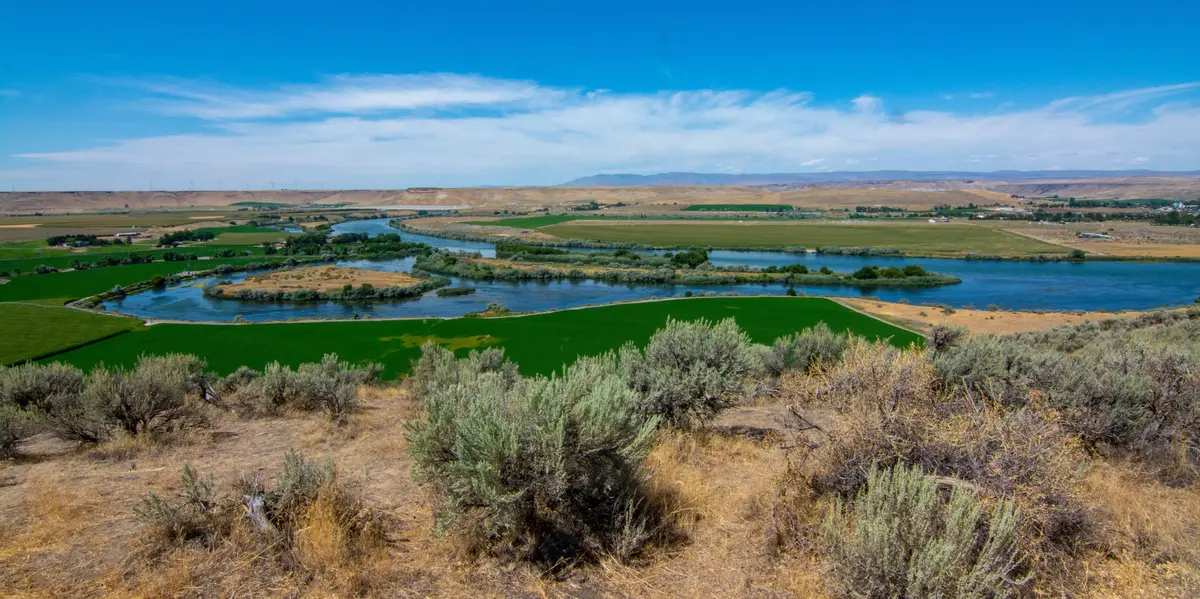
The Morley Nelson Snake River Birds of Prey National Conservation Area is Mountain Home's most significant local asset and one that most people outside Idaho don't know exists. The NCA spans 485,000 acres along 81 miles of the Snake River and supports approximately 800 pairs of nesting raptors — hawks, eagles, falcons, and owls — in the densest concentration of nesting birds of prey in North America. A 56-mile driving loop gives you a tour of the canyon; spring brings whitewater rafting and canoeing options; C.J. Strike Reservoir is the region's answer for boating and fishing. For a full breakdown of trails, parks, and seasonal recreation around Mountain Home, the parks and recreation guide goes deep.
Day Trips Worth Building Into Your Calendar
Boise is a genuinely good food and culture city 45 miles west, and Mountain Home residents use it that way — for concerts, for specialty grocery runs, for a dinner reservation that would have a three-week wait if you tried to book from inside the metro. The relationship works well precisely because Mountain Home isn't competing with Boise; it's using it as a supplement.
Sun Valley is a 90-minute drive north on Highway 20 through the Camas Prairie — not a casual errand, but a real destination for skiing at Bald Mountain in winter and hiking the Wood River Trail System in summer. Residents who make that drive regularly tend to call it one of the underrated perks of the Mountain Home location.
Top Things Locals Say About Mountain Home
The best intel about a city comes from the people who actually live there. Here’s what Mountain Home residents say when newcomers ask the questions everyone’s thinking.
“I knew the commute would be long, but I didn't realize how much I'd actually enjoy that 45 minutes — it's the one part of the day where I'm not available to anyone. What I didn't expect was how fast the neighborhood pulled us in. We had people stopping by within the first week.”
— Recent Mountain Home home buyer
“What's the most surprising thing about living in Mountain Home?”
The jet noise is what everyone mentions first, but you stop hearing it sooner than you think. The real surprise is how much outdoor access you have without driving far — the Snake River canyon through the Birds of Prey area is basically your backyard, and most newcomers don't fully appreciate that until they've been here a few months and actually start using it.
“What do locals love most about Mountain Home?”
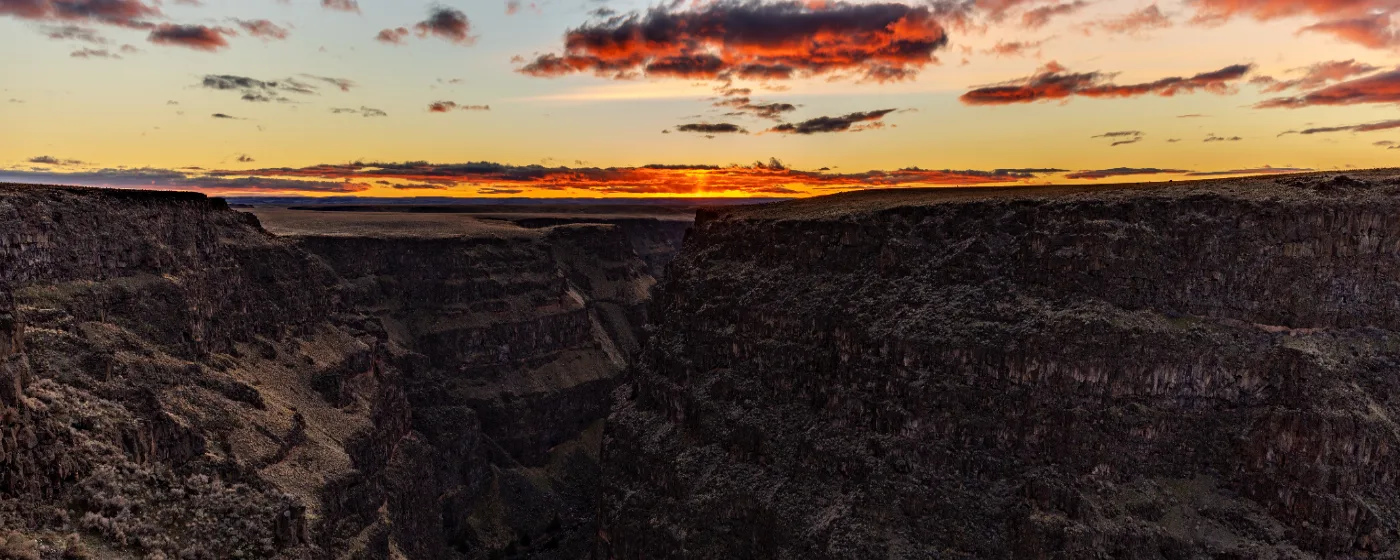
The sky, honestly. At 3,150 feet on the high desert plain, there's nothing to interrupt it. Sunsets over the Snake River plain are something you have to live with for a while before you stop photographing them every evening. Beyond that — the pace. There's no traffic light timing to memorize, no parking situation to dread. It's a city that gets out of your way.
“What should newcomers to Mountain Home know?”
Plan your Boise trips in batches. You'll figure out fast that driving 45 minutes for one errand is inefficient, so locals build 'Boise days' — specialty grocery run, a dinner reservation, maybe a concert — rather than making the drive for single stops. Also: Highway 67 west to the base can get icy in patches during winter even when the rest of the road is fine, so give it extra space on cold mornings.
“Can you live in Mountain Home without a car?”
No, not realistically. There's no public transit to speak of, no ride-share coverage you can depend on, and even within the city, distances between neighborhoods and services require a vehicle. Most households need at least one car, and families with two working adults commuting in different directions often need two. This is a high-desert driving community through and through.
Cities Near Mountain Home
Other communities near Mountain Home worth a look — each with its own character and price point.
| City | Distance | Best For | Vibe | Median Rent | Median Buy |
|---|---|---|---|---|---|
| Glenns Ferry | 24 mi | Quieter rural pace, lower price point | Small, historic, Snake River access | $900 | $250,000 |
| Boise | 45 mi | Professional jobs, amenities, urban lifestyle | Energetic, growing, tech-influenced | $1,500 | $525,000 |
| Meridian | 50 mi | Families wanting top-rated suburbs | Fast-growing, polished, family-focused | $1,650 | $560,000 |
More Helpful Guides for Mountain Home
Going deeper on Mountain Home? Our blog series covers everything from first-time buying to retiring here — explore the guides below.
Local Expert Takeaway: Mountain Home rewards buyers who understand what it actually is: a self-contained high-desert city built around the 366th Fighter Wing, with a Boise commute that works if you value the price gap enough to own the drive. Spend your afternoons at the Morley Nelson Snake River Birds of Prey National Conservation Area, use Boise the way Mountain Home residents actually use it — as a supplement, not a substitute — and build your weekends around Railroad Park and the surrounding canyon country. The jet noise fades faster than you'd expect. The sky never does.
Quick Takeaways & FAQs
✅ Mountain Home's typical home value of $346,124 (Zillow Home Value Index, May 2026) puts ownership within reach for households priced out of the Boise metro's core cities.
⚠️ There is no public transit and no ride-share ecosystem — every household needs at least one vehicle, and the I-84 Boise commute averages 45 minutes each way.
📍 The Morley Nelson Snake River Birds of Prey National Conservation Area, less than 30 miles from downtown, supports the densest concentration of nesting raptors in North America — it's Mountain Home's most underrated local asset.
How far is Mountain Home from Boise, and is the commute realistic?
What is the typical home price in Mountain Home, Idaho?
Is Mountain Home, Idaho a good place for military families?
What are the major employers in Mountain Home, Idaho?
What is the school district like in Mountain Home?
Helpful Links for Moving to Mountain Home
Moving to Idaho?
Tell us what you need help with and we'll connect you with local resources.
