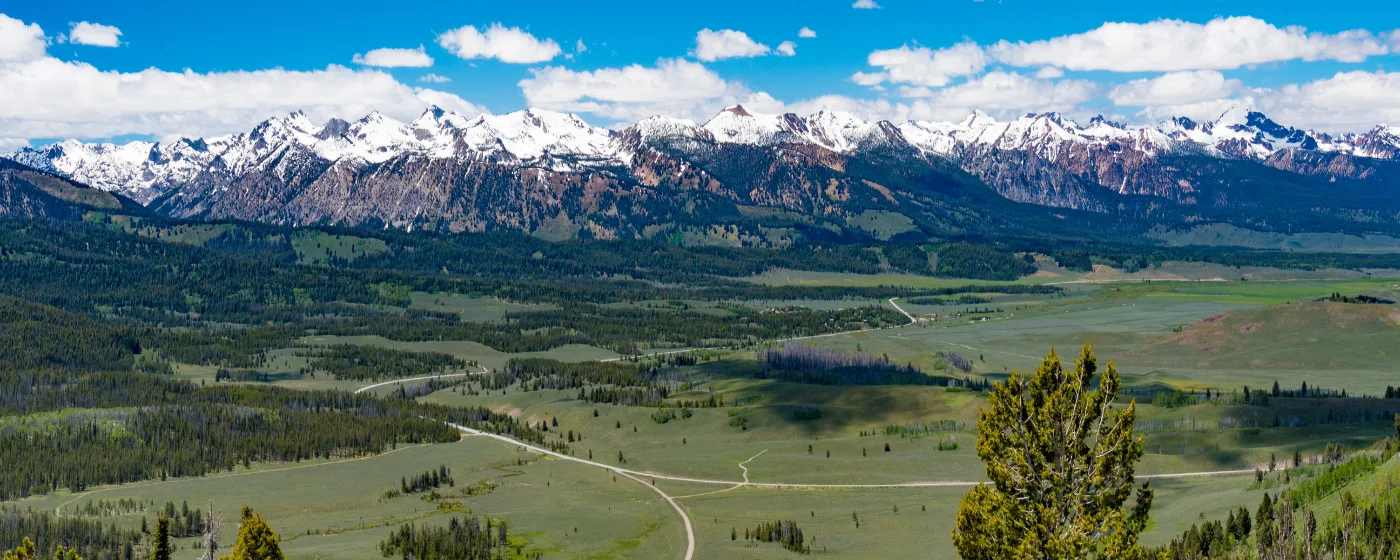
Maybe your company is relocating you somewhere remote and Salmon, Idaho showed up on the short list. Maybe you've been watching prices climb in the Treasure Valley and someone mentioned the Lemhi Valley as a last honest market in the state. Either way, the first thing you need to understand is that Salmon is not a suburb of anywhere — it is its own complete world, 157 miles from the nearest interstate, cradled between the Beaverhead Mountains and the Continental Divide on U.S. Highway 93. That geography is the single most important fact about buying here. Every neighborhood decision flows from how far you're willing to be from Main Street and how much land and solitude you want in exchange.
The economic backbone is short and honest: Lemhi County School District, the U.S. Forest Service, and Lemhi County government are the primary employers. Most working households earn noticeably below state averages — the median household income sits at $42,844 — which is why this market attracts a specific kind of buyer: people leaving larger cities who can work remotely, retirees trading square footage in Boise for acreage in the Lemhi Valley, and outdoor professionals who need to be within 20 minutes of a trailhead or a steelhead run on the Salmon River. Salmon School District 291 holds a C+ rating, according to Niche, which matters less to some buyers and a great deal to others; the schools page covers it in full.
The Zillow Home Value Index put the typical home value at $329,001 as of February 2026, making Salmon noticeably more affordable than virtually any comparable mountain-town market in Idaho or Montana — though Redfin's median sale price for the three months ending May 2026 ran closer to $390,000, reflecting the gap between the full housing stock and what actually trades. The active listing pool in the 83467 ZIP code stretches from raw land under $70,000 to ranch parcels above $1.8 million, so "Salmon prices" can mean very different things depending on whether you're buying a city lot or 40 acres up a drainage. Day-to-day life here is built around the river, the seasons, and the two-block stretch of Main Street where Bertram's Salmon Valley Brewery and Junkyard Bistro anchor the social calendar for locals and visiting rafters alike. For more on what daily life costs, see the cost-of-living page.
Whether you're considering a move or just researching the area, the sections below break down Salmon's neighborhoods, who each one suits, honest price ranges, common buying mistakes, and where to rent while you figure out which part of the valley actually fits your life.
The Salmon Reality
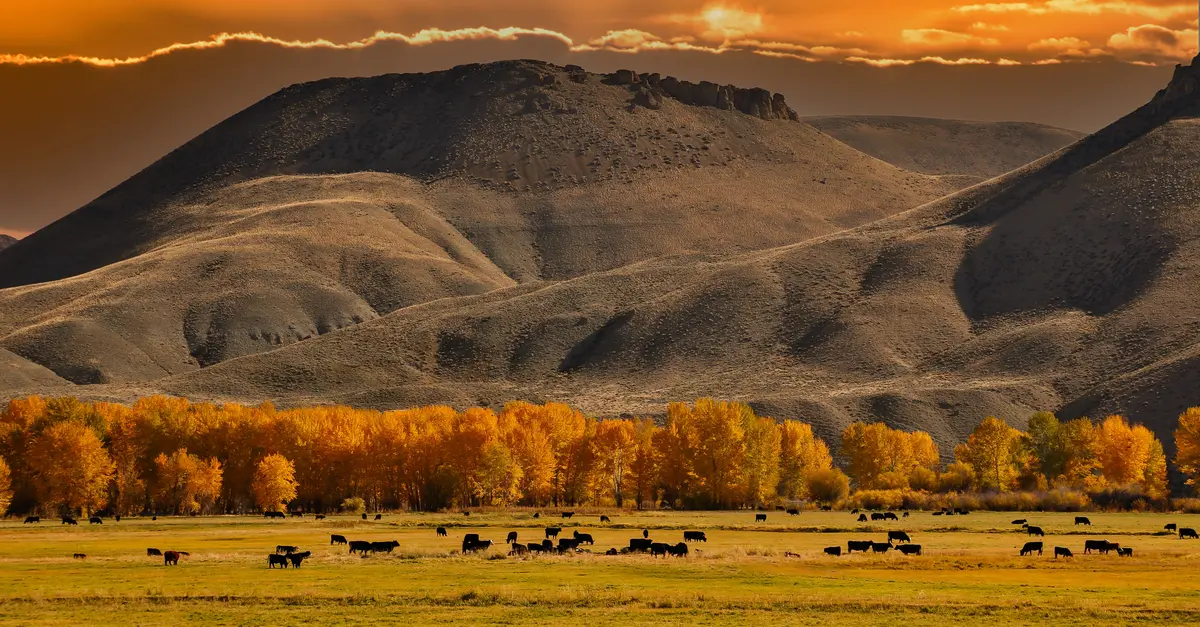
The single divide that shapes every real estate decision in Salmon is not east-versus-west or old-versus-new — it is in-town versus out-of-town. Highway 93 is the spine of the valley, running north through Carmen toward North Fork and south toward Elk Bend. Every neighborhood beyond the city limits sits on this corridor or on a side drainage off it, and that means distance from services, schools, and winter road conditions become the real variables buyers underestimate.
Inside the city limits — Downtown Salmon, the Riverfront District, and South Salmon — you are within walking distance of the school campus and the grocery store. Step outside those limits into Williams Creek, Gold Valley Estates, Carmen, Elk Bend, or North Fork, and you are trading convenience for acreage and quiet. That trade sounds obvious, but buyers who move to Williams Creek expecting suburban-style convenience discover quickly that a light snowfall can make their road a judgment call and that a forgotten errand means a real round trip on Highway 93.
School enrollment zone is the other reality check. Salmon School District 291 serves the valley, but kids in the outlying communities — Carmen, North Fork — ride buses for meaningful stretches each morning. If you have elementary-age children and that matters, proximity to the school campus on Main Street becomes a genuine filter, not just a preference.
Neighborhoods at a Glance
| Neighborhood | Best For | Price Range | Vibe |
|---|---|---|---|
| Downtown Salmon | Walkable First-Time | $200K–$350K | Small-town main street; walkable to everything |
| Williams Creek | Privacy Nature | $350K–$700K+ | Acreage corridor bordering BLM; rugged and quiet |
| Elk Bend | Nature Renter | $250K–$450K | River-access community; outdoor lifestyle anchor |
| Gold Valley Estates | Families Value | $300K–$500K | Subdivision feel; most "suburban" option in the valley |
| Carmen | Privacy Quiet | $250K–$550K | Small highway community; neighbors you know by name |
| North Fork | Nature Views | $200K–$500K | Remote confluence community; serious backcountry access |
| Riverfront District | Views Luxury | $350K–$750K+ | Salmon River frontage; the most sought-after in-town position |
| South Salmon | First-Time Commuter | $180K–$320K | Quiet south-end residential; affordable and underrated |
Best Neighborhood by Buyer Type
| Buyer Type | Best Neighborhood | Why |
|---|---|---|
| First-Time Buyer | South Salmon | Entry-level homes in the $180K–$320K range keep monthly costs manageable while staying inside city limits. |
| Luxury Buyer | Riverfront District | River-frontage lots at $350K–$750K+ command the valley's premium and hold it, because there is no more Salmon River to build on. |
| Walkability Seeker | Downtown Salmon | Only here can you walk to the post office, Rise And Shine Espresso on Shoup Street, and the Lemhi County Historical Museum without starting a car. |
| Families with Kids | Gold Valley Estates | Closest subdivision-style housing to the school campus with yards large enough for kids and neighbors close enough to know them. |
| Local Workers | Downtown Salmon | Staying inside the city limits keeps you closest to every major employer in the valley, with the shortest possible trip to work each day. |
| Large-Lot Buyers | Williams Creek | BLM-bordered acreage with Williams Lake access; no other area in the valley delivers this combination of privacy and backcountry proximity. |
| Renters | Downtown Salmon | The tightest rental supply is in town, and being near Main Street keeps options open if your job or plans change. |
Looking to buy in Salmon? Estimate your payment.
Enter your numbers to see an estimated monthly mortgage payment.
Estimate only. Excludes HOA fees and mortgage insurance. The interest rate above is a starting point, not a quoted rate — replace it with your own to see real numbers. Insurance is a flat placeholder, not a Salmon quote.
Most Popular Neighborhoods
1. Downtown Salmon
The two-block spine of Main Street — Bertram's Salmon Valley Brewery, Junkyard Bistro, the Lemhi County Historical Museum, and the iconic bear statue at the center of town — is the social and commercial core of everything here. Homes range from well-worn bungalows to restored Craftsman-era houses, with prices typically in the $200K–$350K range, which is what draws first-time buyers and remote workers who want to walk to coffee at Rise And Shine Espresso on Shoup Street. The catch: lots are small, parking is on-street, and the summers bring enough visitor traffic on Highway 93 that your quiet block gets noticeably louder from July through Labor Day.
Best for: First-time buyers, remote workers, anyone who wants on-foot access to daily life in Salmon.
2. Williams Creek
Northwest of town on a BLM-bordered drainage, Williams Creek is where buyers come when they want acreage and mean it — properties here commonly run 5 to 40-plus acres, and borders with public land mean your back fence doesn't end at a neighbor's fence line. Prices span $350K–$700K+ depending on acreage, improvements, and proximity to Williams Lake. The honest downside is that winter maintenance on private roads can be significant, and every trip into town for groceries, a school event, or any errand adds up in both time and fuel over the course of a year.
Best for: Large-lot buyers, backcountry enthusiasts, buyers who work remotely and don't need to make daily trips into town.
3. Elk Bend
Elk Bend sits along Highway 93 south of Salmon where the river bends toward the canyon, and the area's main selling points are direct Salmon River access and proximity to Gold Bug Hot Springs and the put-ins that steelhead anglers and summer rafters use constantly. Homes in the $250K–$450K range tend to be older ranch-style construction on modest lots, and some parcels carry flood-zone considerations that are worth verifying before you make an offer. The community has a seasonal pulse — it is noticeably more active from May through October than the shoulder months, which suits some buyers and quietly frustrates others.
Best for: Outdoor recreation buyers, anglers, rafters, buyers who want river proximity without paying Riverfront District prices.
4. Gold Valley Estates
Gold Valley Estates is the closest thing Salmon has to a conventional subdivision — defined lots, comparably sized homes, and enough neighbors close enough together that kids have other kids within easy distance. Prices run $300K–$500K, and this is where parents with school-age children often land because the school campus is reachable without a lengthy bus ride. The downside is that "subdivision feel" in a town of 3,327 still means a limited selection of listings; when something comes available here, it moves faster than the valley-wide median of 100 days on market might suggest.
Best for: Families with school-age children, buyers who want predictable lot sizes and neighbor proximity without going fully rural.
5. Carmen
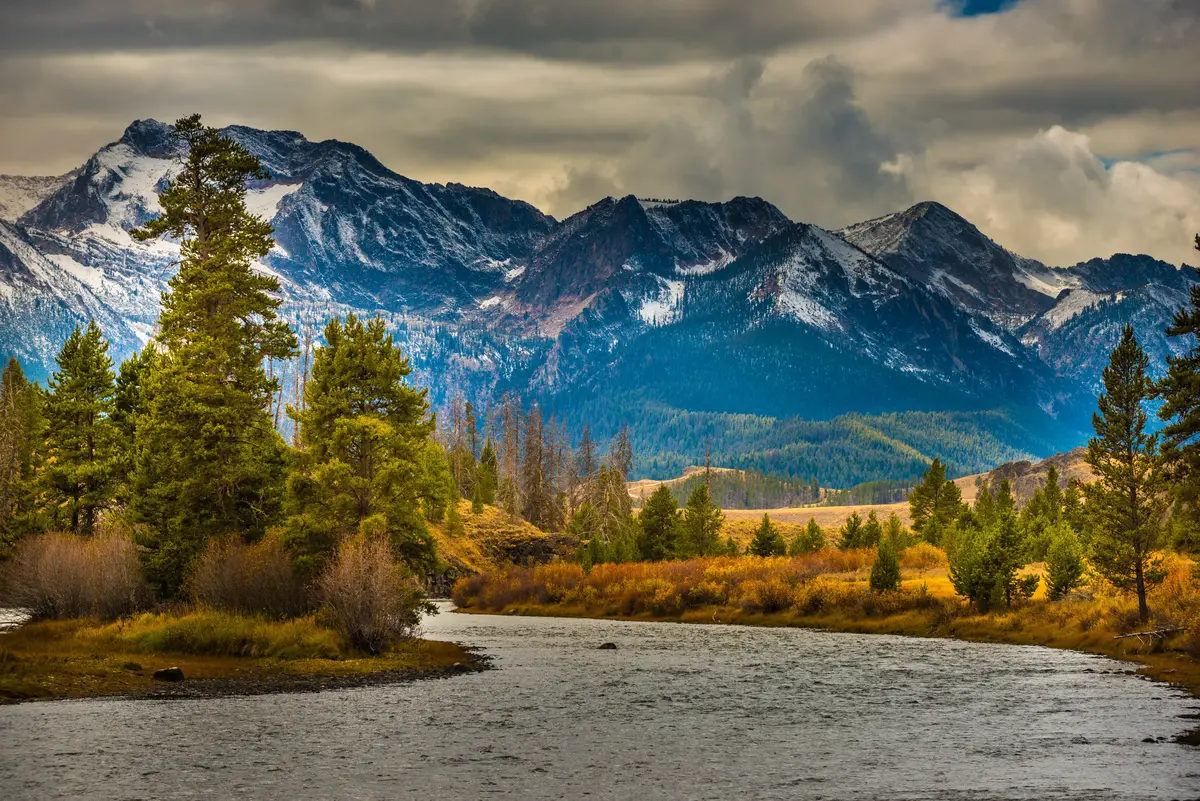
Carmen is a small highway community about 10 miles north of Salmon on Highway 93, small enough that the post office and a handful of properties define it. Prices in the $250K–$550K range reflect a mix of modest in-place homes and larger parcels with mountain views that back up toward the Salmon River Mountains. The appeal is genuine quiet — this is a place where you know your neighbors and the night sky is actually dark. The downside is equally genuine: every errand, every school drop-off is a drive back to Salmon, and that friction is easy to underestimate when you're looking at a beautiful property on a sunny August day.
Best for: Buyers who value quiet and community-scale living and are honestly comfortable with a regular 10-mile drive for daily needs.
6. North Fork
North Fork sits roughly 21 miles north of Salmon where the North Fork of the Salmon River meets the main stem — it is one of the most scenically dramatic locations in central Idaho and one of the most remote. Prices run $200K–$500K for a mix of cabins, hunting properties, and modest year-round homes, and the Lewis & Clark Back Country Byway passes through here on its way into the Frank Church Wilderness. The distance from Salmon is the defining fact of daily life: school bus rides are long, the canyon road north of town demands genuine respect in winter, and the trip back to Salmon for any errand or appointment is never trivial.
Best for: Serious backcountry buyers, recreational property hunters, remote-work households who make infrequent trips to town and have prepared for the logistics.
7. Riverfront District
River frontage on the Salmon is finite, and the Riverfront District — in and immediately adjacent to the city — captures the most desirable position in the valley. Prices in the $350K–$750K+ range reflect both the views and the scarcity: a property with actual Salmon River frontage does not come available often, and when it does, buyer interest comes from well outside the local market. The limitation to know going in: river-adjacent parcels can carry flood-zone designations and corresponding insurance requirements, so due diligence on FEMA mapping is not optional here.
Best for: Buyers seeking the valley's premium position, remote workers and semi-retirees who want a landscape that earns its price tag every morning.
8. South Salmon
The south end of town is the quietest and most underrated residential area in Salmon — older housing stock, modest lot sizes, and prices that run $180K–$320K, making it the most accessible entry point into Salmon homeownership without leaving the city limits. There's no defining landmark or street that makes South Salmon "cool," which is exactly why prices here stay below the city center and Riverfront District. Buyers who prioritize keeping costs in check while staying within walking distance of the school find it delivers more than its reputation suggests.
Best for: First-time buyers, cost-conscious buyers, anyone who wants city-limits convenience at the lowest price point in Salmon.
Common Mistakes Buyers Make in Salmon
Treating the Whole Valley as One Market
Buyers who look at North Fork or Carmen properties while mentally comparing them to Downtown Salmon prices often feel like they're getting a deal on acreage — and sometimes they are. But the lifestyle gap between a home on Main Street and a property 21 miles up Highway 93 is not just a distance difference; it is a fundamentally different daily life. Underestimating that gap before you sign is the most consistent mistake buyers from outside the valley make.
Not Accounting for the Canyon Road in Winter
The stretch of U.S. Highway 93 north of Salmon through the canyon toward North Fork is scenic in summer and demanding in winter. Ice, snow, and limited passing zones make conditions meaningfully more challenging than summer visits suggest. If your shortlisted property is north of town, spend time on that road in February before you decide — not in August.
Chasing Acreage Without Verifying Road Access and Maintenance
Williams Creek and similar rural corridors have properties with private road access that is neither maintained by the county nor guaranteed to be all-weather. Buyers who discover in their first winter that a mile of gravel road becomes impassable mud in March — and that the county plow stops at the highway — are consistently surprised. Ask specifically about road maintenance agreements and ask neighbors what the access looks like in shoulder season, not the seller.
Skipping Flood-Zone Verification on River-Adjacent Properties
Riverfront District properties and some Elk Bend parcels sit within or adjacent to FEMA-mapped floodplain. This affects both insurability and future financing. The Salmon River is a working river — it runs hard in May and June snowmelt years — and a beautiful bank position in late summer can look very different at peak runoff. Pull the flood map early, not after you're already emotionally attached to the property.
Best Areas to Rent in Salmon
| Area | Ideal For | Typical Rent Range | Trade-off |
|---|---|---|---|
| Downtown Salmon | Singles, remote workers, new arrivals | $700–$1,100/mo | Tightest supply in the valley; units go quickly and rarely appear on national platforms |
| South Salmon | Budget-conscious renters, working households | $650–$950/mo | Older housing stock; fewer amenities than downtown but quieter and slightly cheaper |
| Riverfront District | Remote workers, seasonal visitors | $900–$1,400/mo | Limited inventory; river-view units command a premium and rarely stay vacant long |
| Elk Bend area | Outdoor-oriented renters, seasonal workers | $650–$1,000/mo | Every errand requires a drive to town; seasonal employment patterns affect neighbor turnover |
| Gold Valley Estates | Families with kids, longer-term renters | $800–$1,200/mo | Rental inventory is thin; most homes here are owner-occupied |
Salmon's rental market is genuinely small — this is a city of 3,327 people, and purpose-built rental inventory is limited. Most available units are individual homeowners renting a single property, which means availability is sporadic and rarely advertised on Zillow or Apartments.com; the local Facebook group and the chamber of commerce bulletin board surface listings that never make it to national platforms.
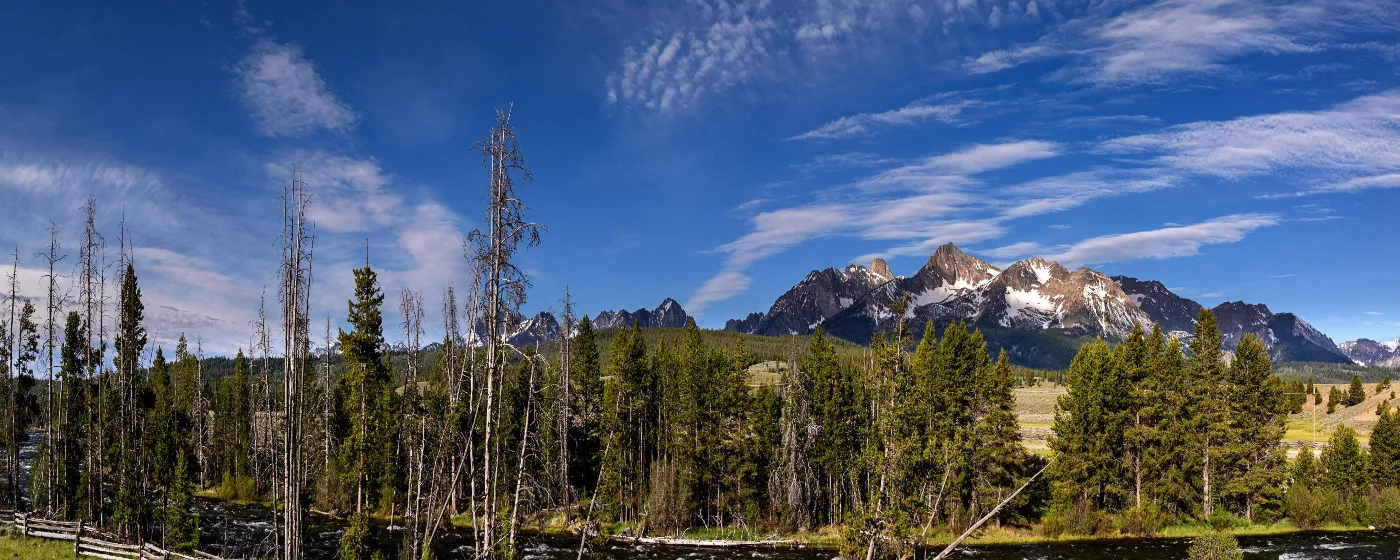
Local Expert Takeaway: Salmon's neighborhood decision usually comes down to one honest question: how often are you willing to drive Highway 93? If the answer is daily and cheerfully, outlying areas like Williams Creek, Carmen, or North Fork open up dramatically. If the answer is reluctantly, stay inside the city limits — Downtown Salmon, the Riverfront District, or South Salmon — where you can walk to Rise And Shine Espresso on Shoup Street, catch the Agaidika Gathering at the Sacajawea Center in August, and reach every essential service in town in well under ten minutes. The buyers who regret their Salmon purchase are almost always the ones who bought acreage for the idea of it and discovered that the drive for a gallon of milk compounds into a real quality-of-life issue by February.
Quick Takeaways & FAQs
✅ Salmon's Riverfront District offers genuine Salmon River frontage at prices noticeably below comparable river-access markets in Sun Valley or western Montana.
⚠️ The 21-mile drive from North Fork to Salmon through the canyon is demanding in winter — buyers routinely underestimate it when they fall in love with a property in August.
📍 Most Salmon rental listings never appear on national platforms — check the local Facebook group and the Greater Salmon Valley Chamber of Commerce board before assuming nothing is available.
What is the most affordable neighborhood in Salmon, Idaho?
Which Salmon neighborhood is best for families with kids?
Is it better to live in downtown Salmon or in one of the outlying communities?
How competitive is the Salmon, Idaho real estate market right now?
Are there flood zone concerns for homes near the Salmon River?
Moving to Idaho?
Tell us what you need help with and we'll connect you with local resources.
