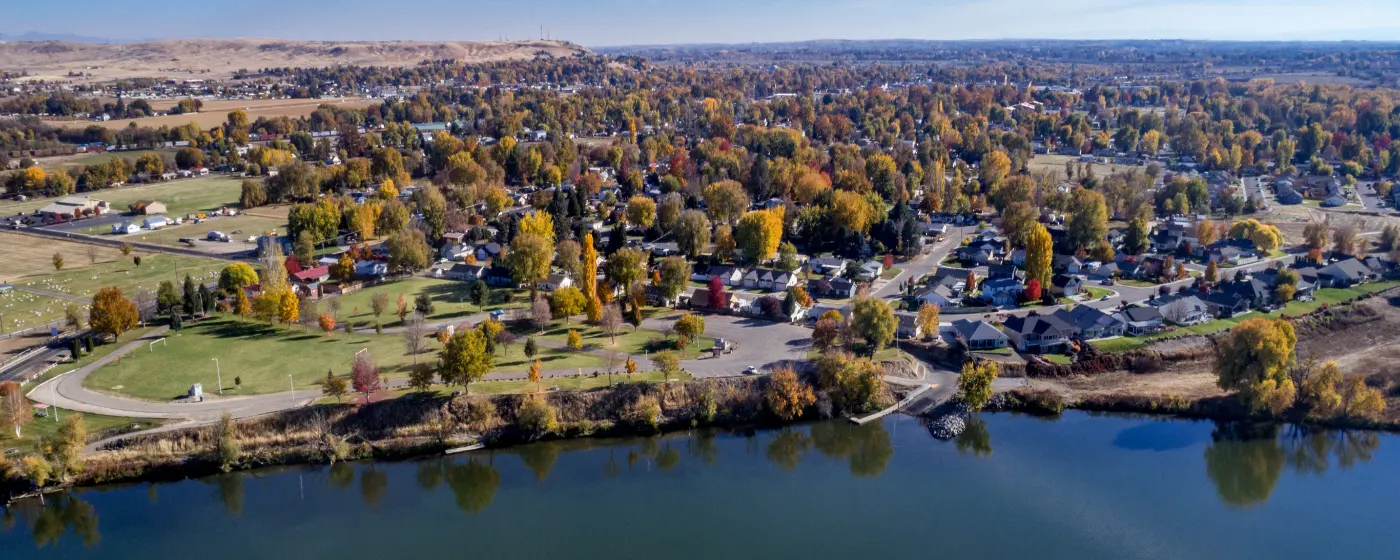
Most people discover Payette by accident — they were priced out of somewhere closer to Boise, or a job at Woodgrain Millwork or Dickinson Frozen Foods brought them to this small county seat at the edge of Idaho and Oregon. What they don't expect is how self-contained the city feels. Payette sits where the Payette River meets the Snake, and that geography shapes everything: which streets flood, where the good walking is, and why the northwest corner of town feels like a different world from the blocks around 8th Street downtown. U.S. Highway 95 and Idaho Highway 52 connect you to Fruitland, Ontario (Oregon), and — eventually — Boise, roughly 50 miles east.
The economic backbone here is agricultural and industrial. Woodgrain Millwork and Dickinson Frozen Foods are among the largest private employers, and the Payette Joint School District employs a significant slice of the workforce. The families who choose to stay — rather than commute out — tend to put down roots quickly. Block parties, Kiwanis Park little-league crowds, and Friday nights near Centennial Park at the end of North 6th Street are where community actually happens. The city incorporated in 1891 and still wears its age well: the 1912 City Hall and Courthouse anchors a downtown listed on the National Register of Historic Places, and the original commercial core along 8th Street remains largely intact.
Home prices here sit well below the Treasure Valley average — the Zillow Home Value Index pegged the city-wide typical home value at $353,113 in 2026, a figure that looks almost implausible if you've been shopping in Meridian or Nampa. The catch is that inventory is thin and the rental market is tight; when something decent lists, it moves. Day-to-day life means driving for most errands — the nearest big-box retail is across the Snake River in Ontario — but Kiwanis Park, the riverfront at Centennial Park, and the 18-hole public course at Scotch Pines Road fill the weekend calendar for most residents without leaving city limits. For the full picture on cost of living, schools, and outdoor recreation, those pages go deep.
Whether you're relocating for work, escaping higher prices to the east, or buying your first home somewhere you can still afford a yard, the sections below break down Payette's six neighborhoods, how they compare on price and lifestyle, which areas suit which buyer types, and the mistakes that catch newcomers off guard.
The Payette Reality
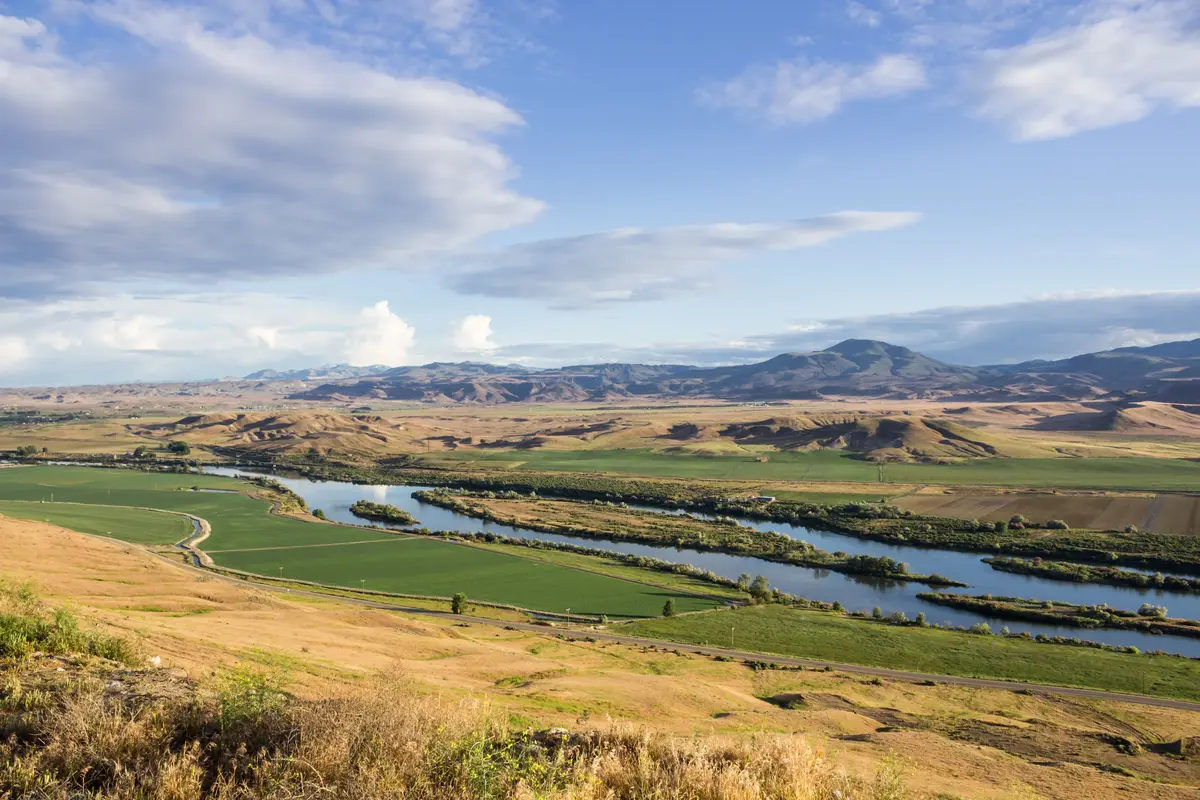
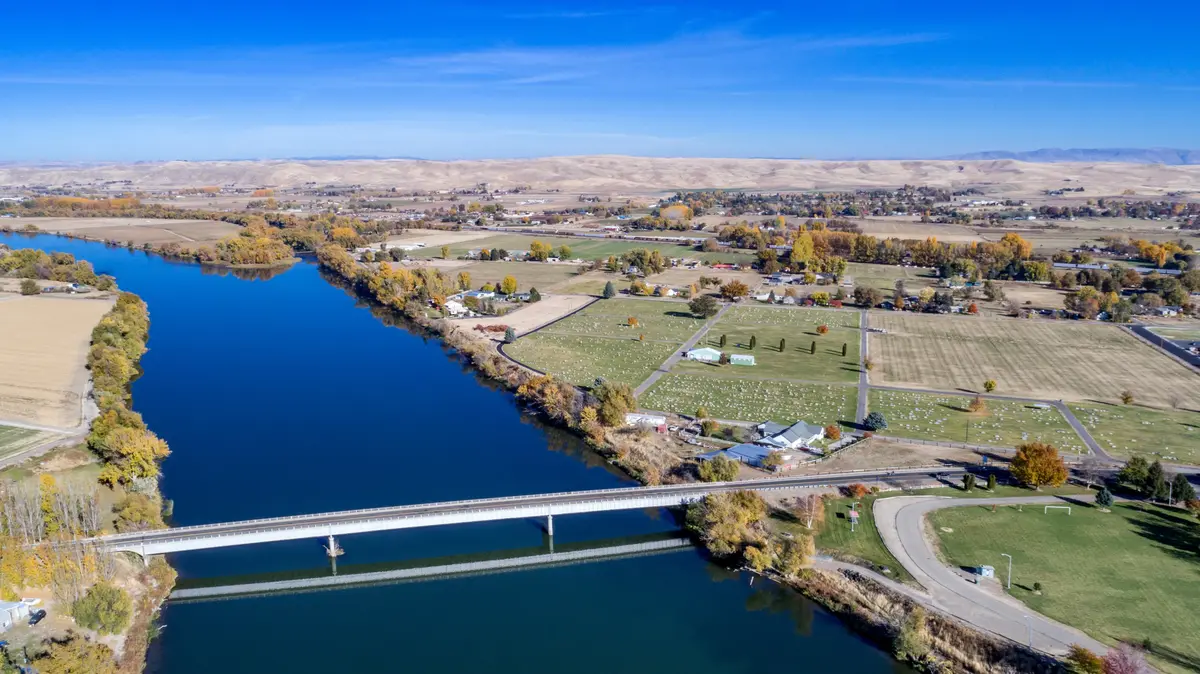
Payette is a small city, but it's not a uniform one. The single divide that matters most to buyers is elevation and proximity to the river corridor. The blocks closest to the Snake and Payette rivers — particularly the area around Centennial Park at the end of North 6th Street and parts of West Payette near the confluence — carry both the best views and the most weather-related exposure. Buyers who skip the FEMA flood map before making an offer on an older riverside property routinely get an unpleasant surprise at the insurance quote stage.
The second divide is directional: north of downtown trends older and more established, with the foothills giving the Scotch Pines area a distinctly different feel from the flatter, more affordable streets south of 8th Street. South Payette and West Payette trade the premium addresses for lower entry prices and larger lots — a real trade-off that matters if your priority is square footage over on-foot access to the historic core.
School boundaries within Payette Joint School District 371 largely follow the city grid, so most families feed into the same elementary and secondary programs regardless of which side of 8th Street they live on. What changes with location is how connected you feel to the city's daily rhythms — the morning activity at Kiwanis Park, the weekend flow along the riverfront trail, and how quickly you can reach downtown without getting in the car.
Neighborhoods at a Glance
| Neighborhood | Best For | Price Range | Vibe |
|---|---|---|---|
| Downtown Historic District | Walkable First-Time | $260,000–$350,000 | Brick storefronts, National Register blocks, on-foot access to city services |
| North End | Families Quiet | $300,000–$390,000 | Established tree-lined streets, larger lots, close to Kiwanis Park |
| Scotch Pines | Luxury Views | $380,000–$500,000+ | Foothill setting, golf course adjacency, the city's most elevated price points |
| South Payette | Value First-Time | $230,000–$320,000 | Affordable grid streets, larger parcels, working-class roots |
| Centennial Park Area | Nature Families | $290,000–$380,000 | Riverfront access, park-adjacent lots, Snake River views |
| West Payette | Privacy Value | $240,000–$340,000 | Rural-edge feel, larger land, close to the Oregon border |
Best Neighborhood by Buyer Type
| Buyer Type | Best Neighborhood | Why |
|---|---|---|
| First-Time Buyer | South Payette | Entry prices starting around $230,000 make down payment math achievable without stretching into a distressed property. |
| Luxury Buyer | Scotch Pines | Foothill lots adjacent to the 18-hole course at Scotch Pines Road command the city's highest prices and most distinctive setting. |
| Walkability Seeker | Downtown Historic District | The 8th Street corridor puts city hall, the Payette County Museum, and the downtown restaurant row within walking distance of your front door. |
| Families with Kids | North End | Proximity to Kiwanis Park, established sidewalks, and quieter through-traffic make it the area parents most consistently choose. |
| Highway-Access Buyers | North End | The North End sits closer to the Highway 95 on-ramp than any other residential area, making it a practical base for households that travel frequently. |
| Large-Lot Buyers | West Payette | Properties at the city's western edge offer the most land per dollar, often with outbuilding potential that closer-in lots simply don't allow. |
| Renters | Downtown Historic District | The highest concentration of rental units in the city sits within a few blocks of 8th Street, giving renters the most options in a tight market. |
Looking to buy in Payette? Estimate your payment.
Enter your numbers to see an estimated monthly mortgage payment.
Estimate only. Excludes HOA fees and mortgage insurance. The interest rate above is a starting point, not a quoted rate — replace it with your own to see real numbers. Insurance is a flat placeholder, not a Payette quote.
Most Popular Neighborhoods
1. Downtown Historic District
The 1912 City Hall and Courthouse at 3rd Avenue and 8th Street, alongside the 1908 Woodward Building at 23 8th Street — both on the National Register of Historic Places — anchor a downtown that still looks like it meant something a hundred years ago. Homes here skew older and smaller, with renovation projects mixed among move-in-ready bungalows, and the city's active Downtown Facade program hints at ongoing reinvestment. The compromise: parking is tight, lots are narrow, and older mechanical systems are common in homes priced at the lower end of the $260,000–$350,000 range.
Best for: On-foot residents, first-time buyers who want character over square footage, and renters who want walkable streets.2. North End
North of downtown, the streets widen and the lots deepen — this is where Payette's established professionals and long-time residents have concentrated for decades, within easy range of Kiwanis Park. Homes in the $300,000–$390,000 band here tend to offer more finished square footage than comparable downtown properties, with mature trees that genuinely shade yards in July heat. The honest downside is that turnover is low; when a North End home lists, expect competition and a short decision window.
Best for: Families with school-age children, buyers prioritizing neighborhood stability, and households that value proximity to the Highway 95 on-ramp.3. Scotch Pines
Named for the 18-hole public course at 10610 Scotch Pines Road — a volunteer-built, privately run non-profit that has operated since 1962 — this foothill pocket northwest of the city center is the closest Payette gets to a premium address. Lots sit higher than the rest of town, views open up to the west, and prices in the $380,000–$500,000+ range reflect both the setting and the scarcity. The on-site bar and grill at the course is where neighbors tend to decompress on summer evenings, and that social gravity is part of the neighborhood's identity. The trade-off is distance: you're adding minutes to every errand run, and the roads into the foothills aren't built for winter ice.
Best for: Golfers, buyers wanting the city's most elevated setting, and anyone prioritizing views over urban proximity.4. South Payette
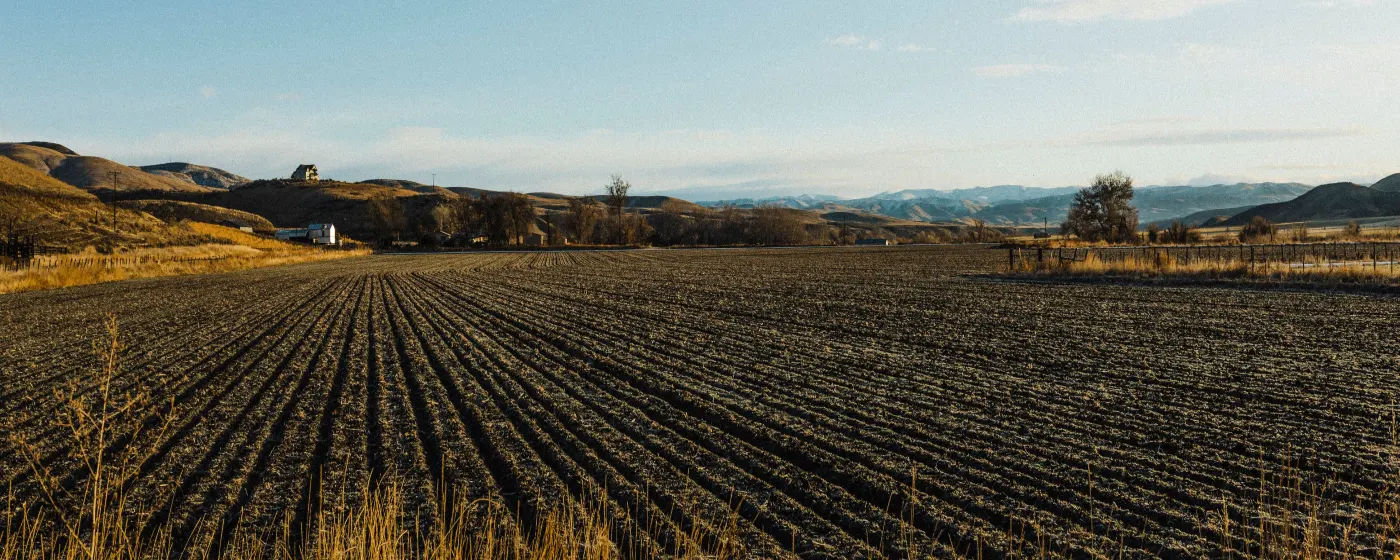
South of the downtown core, the grid opens up and prices drop — this is where Payette's working-class and agricultural roots are most visible, in a good way. At $230,000–$320,000, South Payette offers the city's most accessible entry point, with larger parcels that can accommodate a shop, chickens, or a serious garden. The honest catch is that the streetscape is less polished than the North End and infrastructure — sidewalks, lighting — thins out toward the southern edge of the city boundary.
Best for: First-time buyers, buyers wanting large lots at the lowest price point, and households that work closer to the agricultural south end of the county.5. Centennial Park Area
The streets near the end of North 6th Street, where Centennial Park meets the Snake River, offer something no other Payette neighborhood can match: a walk to the water that begins at your front door. Built during the city's 1991 centennial celebration, the park anchors a short but well-maintained riverfront trail that follows the Snake west to the Payette River confluence — which means summer evenings here have a quality of life that the price tag ($290,000–$380,000) doesn't fully reflect. The trade-off is flood zone awareness: river-adjacent parcels require careful due diligence on FEMA mapping and insurance before you commit.
Best for: Outdoor-oriented buyers, families who want park access without a drive, and anyone for whom a riverfront walk on a Tuesday morning matters.6. West Payette
West Payette occupies the city's trailing edge before you hit the Oregon border — properties here lean rural, lots run large, and the pace is slower than anywhere else in town. Prices in the $240,000–$340,000 range are honest: you're getting land, quiet, and distance in roughly equal measure. The practical consideration is that Ontario, Oregon — the nearest significant retail corridor — is just across the river, which is convenient for shopping but means daily errands require a bridge crossing.
Best for: Large-lot buyers, buyers with outbuilding or agricultural needs, and households that genuinely prefer the city's edge over its center.Common Mistakes Buyers Make in Payette
Assuming Every Block Prices the Same
Because Payette is small, first-time buyers often treat it as a single market and anchor to the city-wide Zillow Home Value Index figure of $353,113. In practice, a home near Scotch Pines Road can list $150,000 above a comparable square-footage property on the south side of 8th Street. Setting your search parameters by city rather than by corridor is how buyers end up either overpaying for the wrong neighborhood or missing better options entirely.
Skipping the Flood Map on River-Adjacent Streets
The streets closest to Centennial Park and the western edge of town near the Snake–Payette confluence carry genuine flood zone exposure that doesn't show up in a listing description. Buyers who skip FEMA flood map review before making an offer on a North 6th Street–area property sometimes discover that homeowner's insurance quotes change the affordability math substantially. Ask your agent for the parcel's flood zone designation before you fall in love with the riverfront view.
Chasing Square Footage in South Payette Without Checking the School Boundary
South Payette's larger lots at lower prices are genuinely appealing, but the southernmost parcels push against the edge of city services and occasionally sit in different attendance boundary configurations as the district adjusts enrollment. Parents who buy based on lot size alone, without confirming which elementary school feeds their specific address, occasionally find the assignment isn't what they expected. A quick call to Payette Joint School District 371 before you make an offer takes five minutes and prevents a real headache.
Underestimating What the West Payette Location Means Day-to-Day
West Payette's lower prices and larger lots are real advantages, but buyers sometimes misjudge how much the edge-of-city location shapes daily life. The nearest grocery options and most retail are across the Snake River in Ontario, and that crossing — convenient as it sounds on a map — adds a consistent step to every errand. Buyers who prioritize spontaneity and proximity to services tend to find the North End or Downtown Historic District a better fit once they're actually living here.
Best Areas to Rent in Payette
| Area | Ideal For | Typical Rent Range | Trade-off |
|---|---|---|---|
| Downtown Historic District | Singles, young couples, residents who want walkable streets | $850–$1,150/mo for 1–2BR | Older units, limited parking, some deferred maintenance in older stock |
| North End | Families wanting quiet streets near Kiwanis Park | $1,000–$1,350/mo for 2–3BR | Low turnover; vacancies are rare and competition is high when they appear |
| South Payette | Budget-conscious renters, agricultural workers, large households | $800–$1,050/mo for 2–3BR | Fewer amenities nearby; sidewalk coverage thins toward the south edge |
| Centennial Park Area | Outdoor-oriented renters, couples wanting riverfront proximity | $950–$1,250/mo for 2BR | Limited inventory; flood zone considerations can affect some units |
| West Payette | Renters wanting more space and rural feel at lower cost | $800–$1,100/mo for 2–3BR | Distance to retail means most errands require a trip across the river |
Payette's rental market is thin by any measure — for a city of just over 9,000 people, vacancy rates stay low enough that quality units rarely sit for more than a week or two. If you're relocating here and need to rent first before buying, starting your search 60–90 days ahead of your move date is not overcautious — it's the realistic timeline for a city this size.
Local Expert Takeaway: Payette rewards buyers who do the neighborhood-level homework. The gap between a Scotch Pines foothill lot near the golf course at Scotch Pines Road and a South Payette parcel south of 8th Street is real — in price, in feel, and in daily convenience. Start with the riverfront walk at Centennial Park on North 6th Street to orient yourself geographically, then drive the North End streets on a weekday morning to understand where community actually concentrates. The city reveals itself quickly to anyone willing to spend a few hours on foot before making a six-figure decision.
Quick Takeaways & FAQs
✅ Payette's typical home value of $353,113 (Zillow Home Value Index, 2026) sits well below Treasure Valley averages, making entry-level ownership genuinely achievable here.
⚠️ The rental market is tight for a city this size — quality units in the North End and Centennial Park area regularly lease within days of listing, so plan your search timeline accordingly.
📍 The Scotch Pines neighborhood takes its name from the 18-hole public course at 10610 Scotch Pines Road, a volunteer-built non-profit open since 1962 — living near it is a lifestyle choice as much as a real estate one.
What is the most affordable neighborhood in Payette, Idaho?
Which Payette neighborhood is best for families with young children?
Is Scotch Pines a gated golf community or open to the public?
How far is Payette from Boise, and which neighborhood has the best highway access?
Are there flood zone concerns in any Payette neighborhoods?
Moving to Idaho?
Tell us what you need help with and we'll connect you with local resources.
