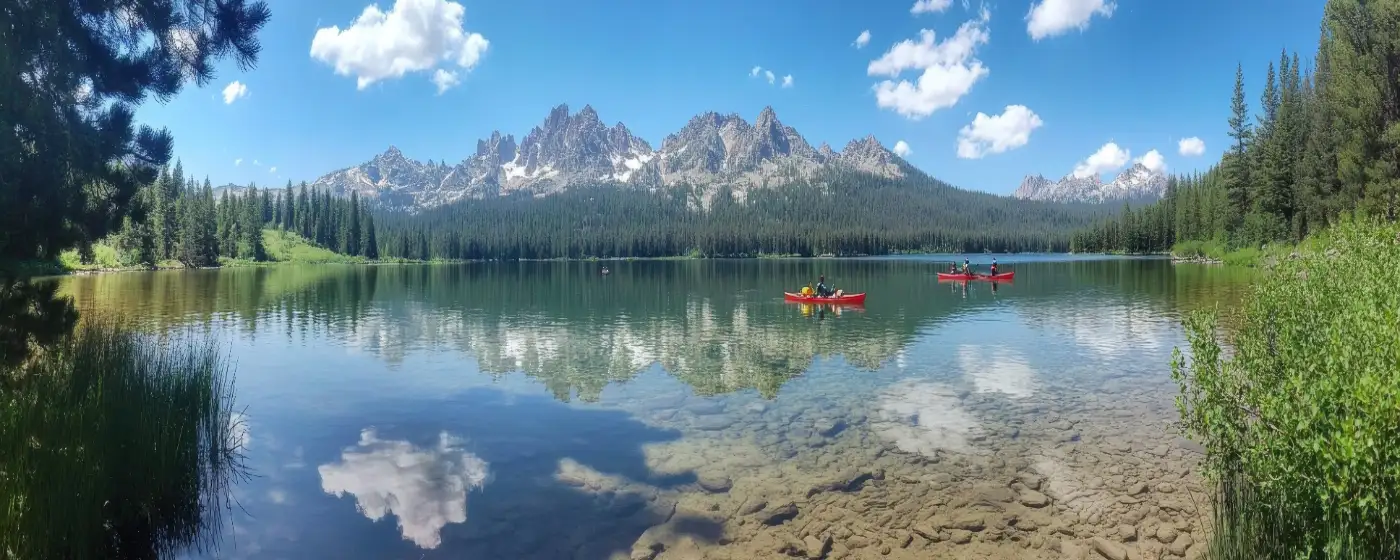
Maybe you've been watching Bay Area prices edge past what any reasonable salary justifies. Maybe someone in your remote-work Slack mentioned Sun Valley and you pulled up Zillow at midnight. Either way, Hailey surprises people the same way every time: it's not cheap the way Idaho is supposed to be cheap. At 5,318 feet in the Wood River Valley, Hailey is the year-round working town that supports a world-class ski resort twelve minutes up the road — and the market reflects that. Friedman Memorial Airport (SUN) offers direct seasonal flights that make this feel far less remote than a map suggests, and Highway 75 is the one road that connects everything, so understanding the valley's north-south geography is the first thing any California transplant needs to internalize.
The employment base here is narrower than anything in a California metro. Blaine County School District, Sun Valley Company, and Blaine County Government anchor much of the local payroll. That list tells you something important: if you're not in education, hospitality, or government, you're probably bringing your income with you. The influx of remote workers from California and other high-cost states has pushed Hailey's median household income to $90,760 — above the national median — which shapes everything from the coffee shops on Main Street to the politics of Blaine County, which votes noticeably differently from the surrounding rural Idaho counties. The Blaine County School District serves the whole valley, and the district's schools are worth researching before you commit to a specific part of the valley.
The cost-of-living picture is more complicated than the Idaho-vs.-California headline suggests. Idaho's composite cost-of-living index sits well below California's — but Hailey runs its own premium above the statewide Idaho average because of its resort-market position. Groceries, dining, and services cost more here than in Boise or Twin Falls. What you gain, unambiguously, is the Wood River Trail threading through town, Rotarun Ski Area for weeknight laps, Roberta McKercher Park as the neighborhood gathering point, and a crime profile that families moving from Sacramento or the East Bay describe as almost disorienting in its quietness. The full cost-of-living breakdown covers utilities and groceries in detail.
Whether you're still in the spreadsheet phase or already scheduling a walkthrough, the sections below cover what Californians consistently get wrong about Hailey's housing market, the income-tax math that actually changes your monthly cash flow, the climate reality of 199 freezing nights a year, where daily life plays out on the ground, and the honest reasons some California transplants eventually head back south.
The Home Price Reality: Hailey Is Not What People Expect from Idaho
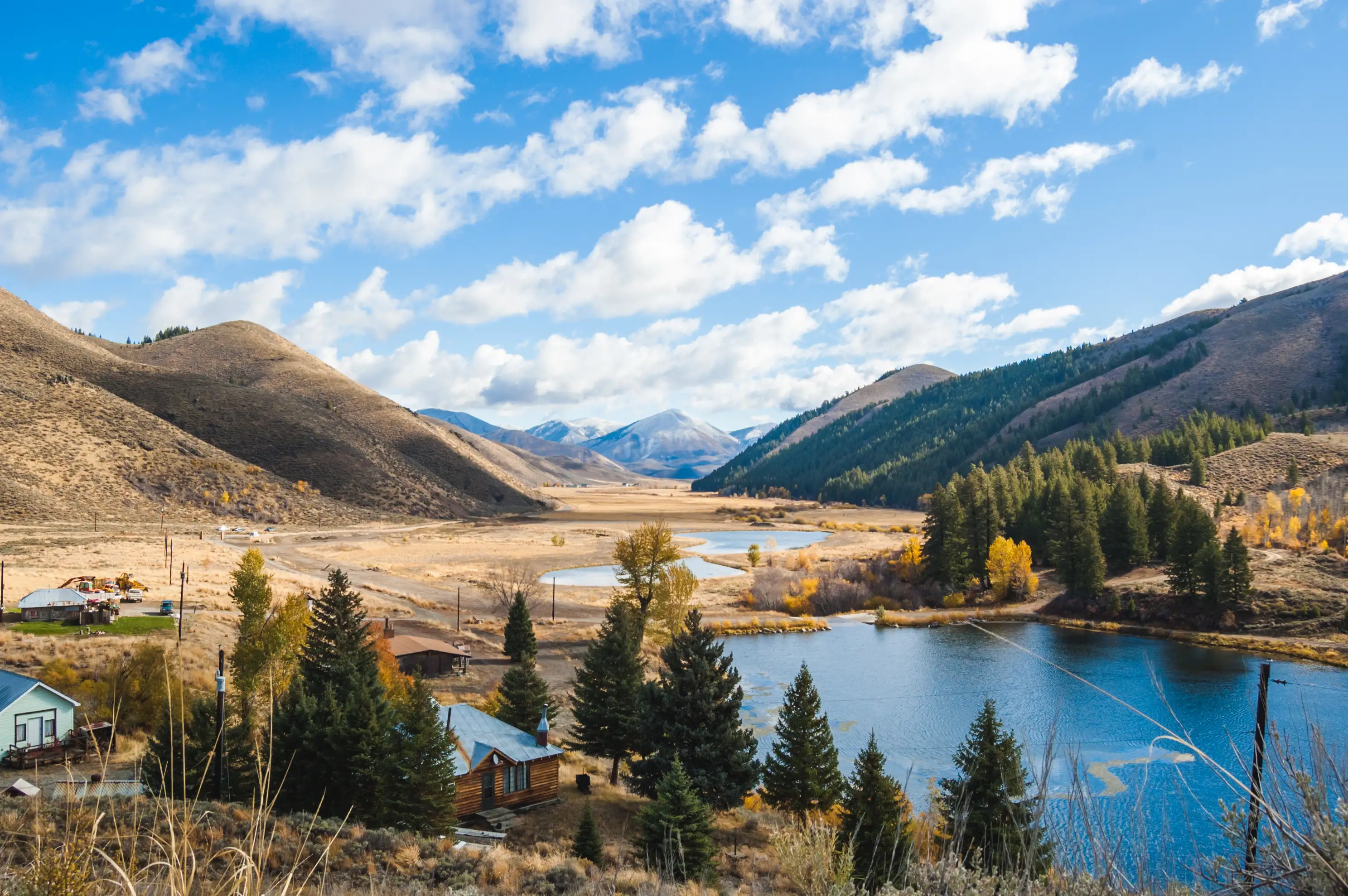
The Idaho-is-affordable story breaks down fast in Blaine County. Hailey's typical home value is $780,999 (Zillow Home Value Index, May 2026) — a figure that lands in the same conversation as a statewide California median, not a rural Idaho one. The California Association of Realtors reported a statewide median sale price of $843,390 for Q1 2026. That gap is real but narrower than most Californians expect when they start researching the state.
What that comparison obscures is where you're coming from within California. If you're leaving the Central Valley or Inland Empire, Hailey's prices may feel lateral or even higher. If you're leaving San Francisco, the Peninsula, or the Westside of Los Angeles, Hailey represents a meaningful step down in purchase price — but not the dramatic reset you'd find in Boise or Twin Falls.
Entry-level in Hailey typically means older construction or a smaller footprint, and even that starting point sits well above what Idaho's statewide numbers would suggest. The neighborhood guide breaks down the character of each area, including which parts of town deliver the most square footage for the investment.
What the Numbers Mean for a California Buyer
California buyers who arrive with significant equity from a high-cost market often expect to pay cash for a Hailey property and bank the difference. That math can work — but it requires buying in a market that has attracted the same wave of equity-rich transplants since 2020, which means competition is real and well-priced inventory moves quickly. Lowball offers based on rural Idaho comps consistently disappoint people here.
Hailey's effective property tax rate is 0.39% — among the lowest in a state that already averages 0.50% statewide. California's statewide effective rate averages approximately 0.7%, though longtime California homeowners with Proposition 13 protections often pay far below that on paper. The practical implication: a California owner who has held a home for twenty years and enjoys a heavily suppressed assessed value may experience property taxes going up after a Hailey purchase, even at the lower rate, because the Idaho assessment resets to market value at sale. That is one of the most common surprises in the first year.
| Metric | Hailey, ID | California (Statewide) |
|---|---|---|
| Typical home value (mid-2026) | $780,999 (Zillow Home Value Index, May 2026) | $843,390 (C.A.R. median sale price, Q1 2026) |
| Effective property tax rate | 0.39% | ~0.7% statewide avg (Prop 13 complicates individual cases) |
| State income tax (top rate) | 5.3% flat (effective Jan 1, 2025) | 13.3% top marginal rate |
| State wage assessment (W-2) | None | 1.3% on all wages (2026, no earnings ceiling) |
| State sales tax rate | 6.0% (combined avg 6.03%) | 7.25% base; most counties exceed 8% combined |
| Estate / inheritance tax | None | None (but federal estate tax applies to both) |
| Cost-of-living index | Resort-market premium above Idaho avg (97.7) | 142.2 (national avg = 100) |
* Zillow Home Value Index (ZHVI) reflects the typical value across the housing stock, not just recent sales. Tax figures sourced from Idaho State Tax Commission and Tax Foundation 2026 profiles.
Idaho has no estate or inheritance tax, which matters for Californians moving significant assets or planning multigenerational wealth transfers — a detail that tends to surface in conversations with financial planners after the move, not before.
The Income Tax Shift: What Idaho's Flat 5.3% Actually Means for Your Paycheck
This is where the math gets concrete fast. Idaho taxes income at a flat 5.3% — full stop. That rate was reduced from 5.695% by legislation signed in March 2025 and applies to every dollar of taxable income with no graduated bracket above it.
California's structure works the opposite way. The top marginal rate hits 13.3%, and the state separately assesses 1.3% on all wages in 2026 with no earnings ceiling — a line item that appears on every California W-2 and has no Idaho equivalent. A California worker earning $200,000 faces a combined state-level income burden that can reach into the high-single or low-double digits as a percentage of gross. Idaho's equivalent is 5.3%, no additional wage assessments, no surcharges.
Running the Real Numbers
The difference is most dramatic for high earners. Someone earning $300,000 in California can be paying $30,000 or more annually in combined state income tax and wage assessments. The same income in Idaho generates roughly $15,900 in state tax — a gap that meaningfully changes the math on whether a Hailey home pencils out versus staying put in California.
Remote workers are the demographic where this plays out most visibly. If your employer is in San Francisco and you work from Hailey, you generally owe Idaho income tax on your wages, not California's — though the exact treatment depends on your employer's nexus and how many days you physically work in California. Confirm the specifics with a CPA before you relocate, not after you file your first Idaho return.
Idaho's sales tax rate of 6.0% (combined average of 6.03%) is noticeably below California's base rate of 7.25% and well below what most California counties collect once local rates are added. Day-to-day, that difference is modest — but it accumulates on large purchases like appliances, vehicles, and building materials, which matter more in a place where home improvement projects are common.
What Doesn't Change
Federal income tax is identical in both states. Social Security, Medicare, and federal capital gains rates don't move when you cross the state line. And if you sold a California home and triggered capital gains, Idaho will tax the portion allocated to the Idaho tax year — the state-level savings on that event are real but not unlimited. Again: talk to a tax professional who has handled California-to-Idaho moves specifically, because the year-of-move return is where people routinely make errors.
Climate and Elevation: The Adjustment California Doesn't Prepare You For
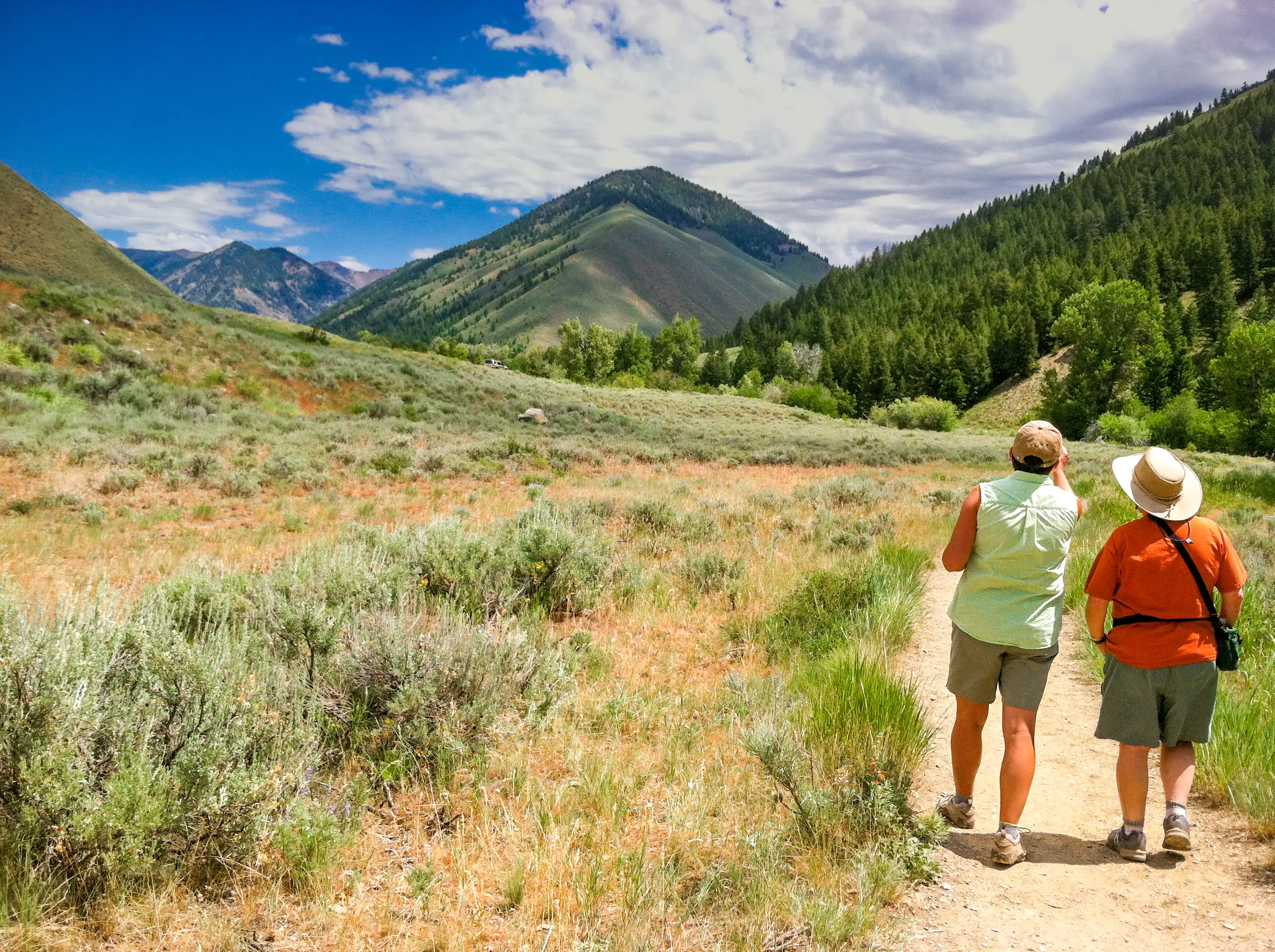
Hailey sits at 5,318 feet in a high-desert mountain valley. That elevation is not a backdrop detail — it shapes every logistical decision from what you plant in a garden to what time of year you need to sell a home to attract the most buyers.
The valley averages 199 nights below freezing per year. Read that again: more than half the nights in a calendar year drop to 32°F or below. Californians from coastal areas — the Bay Area, San Diego, Los Angeles — consistently report that the first winter is the sharpest adjustment of the entire move. Not because the cold is uniquely extreme by mountain-west standards, but because nothing in a decade of San Jose winters prepares you for scraping ice off a windshield in October or watching a May snowstorm close Highway 75.
What Locals Know About the Seasons
The flip side is a summer that California can't compete with. June through September in the Wood River Valley runs warm and dry, with smoke from regional wildfires being the main seasonal variable to plan around — air quality during August fire season has become a genuine quality-of-life factor in recent years, not just a footnote. The Wood River Trail and surrounding backcountry are genuinely extraordinary from late spring through fall, and that's what keeps people here once they've cleared the first winter.
Heating costs are a real line item that California transplants frequently underestimate. A home that's perfectly reasonable to heat in Marin County requires a more serious mechanical system in a 5,300-foot mountain valley. Budget for it in year one before you have actual utility bills to reference. The cost-of-living page covers utility ranges in more detail.
The altitude itself takes adjustment for people arriving from sea level or near it. Moderate physical exertion — hiking, carrying boxes up stairs — feels harder for the first few weeks. Most people adapt within a month, but it catches some transplants off guard when they arrive in summer expecting to immediately match the pace of people who've been living here for years.
Driving in Winter
Highway 75 between Hailey and Ketchum is the artery for everything north of town, and it closes or severely restricts travel after significant snowfall events. Four-wheel drive or all-wheel drive with proper winter tires is not optional here — it's the cost of access. California all-season tires will get you stranded on a routine January morning. Budget for the tire swap before your first November.
Looking to buy in Hailey? Estimate your payment.
Enter your numbers to see an estimated monthly mortgage payment.
Estimate only. Excludes HOA fees and mortgage insurance. The interest rate above is a starting point, not a quoted rate — replace it with your own to see real numbers. Insurance is a flat placeholder, not a Hailey quote.
Daily Life on the Ground: What Hailey Actually Feels Like
Hailey is a working small city of about 10,000 people that has been slowly absorbing the overflow of people who wanted Sun Valley access without Sun Valley prices. The result is a Main Street that has more range than you'd expect — Shorty's Diner on S Main for breakfast, Black Owl Coffee on N River Street for the morning laptop crowd, TUNDRA Restaurant on N Main for dinner when you want something more considered. A handful of independent cafés and casual spots fill out the options, though none of it resembles the density of a California food scene — and that's a genuine adjustment for people moving from areas with abundant restaurant choice.
Roberta McKercher Park is where Hailey families actually congregate — weekends, school afternoons, summer evenings. The Wood River Trail connects directly through it, making it the town's central social hub rather than just a green rectangle on a map. If you want to understand whether the community would feel right for your household, spending a Saturday afternoon at McKercher in August tells you more than any online forum.
The Things That Take Getting Used To
Grocery shopping requires either planning ahead or accepting that you'll pay resort-area prices for convenience. The nearest large-format retail is in the Twin Falls area, roughly 90 minutes south on US-20. Costco runs are an event, not a routine errand. People new to the valley frequently underestimate how much they'll rely on ordering things online that they used to pick up casually.
The commute to Ketchum and Sun Valley — about 12 minutes under normal conditions — sounds easy, and it usually is. The catch is that Highway 75 through the Ketchum corridor gets genuinely congested during peak ski season, particularly on Friday afternoons when weekend visitors pile in from Friedman Memorial Airport. The workaround that locals use: run errands northbound on Tuesday or Wednesday mornings, when the road feels like a completely different place. More on Hailey commutes and daily rhythms is on the living-in-Hailey page.
What Six Months In Usually Reveals
The most common observation from California transplants at the six-month mark: the quiet is real and the pace is slower, and which of those two things matters more to you is the real test of whether Hailey will stick. People who came for the ski access and the tax savings but fundamentally need urban stimulation — museum openings, a dense bar scene, same-day delivery as a baseline expectation — tend to find the valley beautiful but understimulating by spring. People who genuinely wanted the outdoor access and the small-town rhythm tend to wonder why they waited so long.
Honest Reasons People Leave — and Who Stays
Hailey has a real retention problem among a specific subset of California transplants. The people who leave most often aren't the ones who couldn't handle the winters or found the prices too high. They're the ones who moved here because Sun Valley looked extraordinary on Instagram and didn't account for how much of their social and professional life in California depended on density.
The employer base is narrow. Blaine County School District, Sun Valley Company, and Blaine County Government represent the bulk of local hiring. If your career doesn't fit one of those anchors, you need remote income or self-employment — and remote work arrangements that felt permanent in 2021 have become less stable for some California transplants as employers have shifted return-to-office expectations. People who built their Hailey budget on a remote income that later evaporated have had to make hard choices.
The Population That Stays
Families with kids who are locked into a school district, outdoor-obsessed households who structure their whole life around trail and ski access, and professionals with truly portable income are the demographic with the highest retention in the valley. The full profile of who Hailey suits — and who it typically doesn't — lives on the living-in-Hailey page.
The people who most consistently stay are those who consciously chose the constraints: the smaller restaurant selection, the longer drive for Costco, the 199 freezing nights, the limited nightlife. Hailey rewards intentionality. It tends to frustrate people who arrived hoping it would feel like a quieter version of what they left.
One Thing Not to Do When You Arrive
Don't buy in a hurry based on a single visit during Sun Valley's peak summer season. The valley in July looks and feels categorically different from the valley in February — and understanding that difference before signing a purchase agreement is the single most common advice from buyers who have lived here through multiple seasons. A week-long stay during a shoulder month, ideally early November or late March, gives you a more honest read on what day-to-day life actually looks like at its least photogenic. The neighborhood guide can help orient you on which areas of town fit different buyer priorities before you schedule those visits.

Local Expert Takeaway: Hailey is Idaho's resort-market outlier — priced accordingly, taxed lightly, and genuinely demanding of the people who live there. The income-tax savings versus California are real and significant, particularly for high earners. The home prices are not the Idaho bargain most Californians expect. The winters at 5,318 feet are the defining lifestyle filter: spend a February here before you commit to the move, not after. If the Wood River Trail out your back door and a 12-minute drive to Ketchum sounds like the point rather than the consolation prize, Hailey tends to stick. If you need density, Hailey tends to disappoint by spring.
Quick Takeaways & FAQs
✅ Idaho's flat 5.3% income tax rate — with no equivalent wage assessment on W-2 earnings — represents a meaningful annual savings versus California's top marginal rate of 13.3% plus its 1.3% wage levy.
⚠️ Hailey's typical home value of $780,999 (Zillow Home Value Index, May 2026) reflects a resort-market premium — this is not the budget Idaho most Californians expect.
📍 Hailey averages 199 nights below freezing per year at 5,318 feet; all-wheel drive and proper winter tires are non-negotiable, not optional upgrades.
Is Hailey, Idaho actually cheaper than California for housing?
How much do I save on income taxes by moving from California to Hailey?
What is Hailey's property tax rate compared to California?
What is the biggest lifestyle adjustment for Californians moving to Hailey?
Can I work remotely in Hailey if I'm employed by a California company?
Moving to Idaho?
Tell us what you need help with and we'll connect you with local resources.
