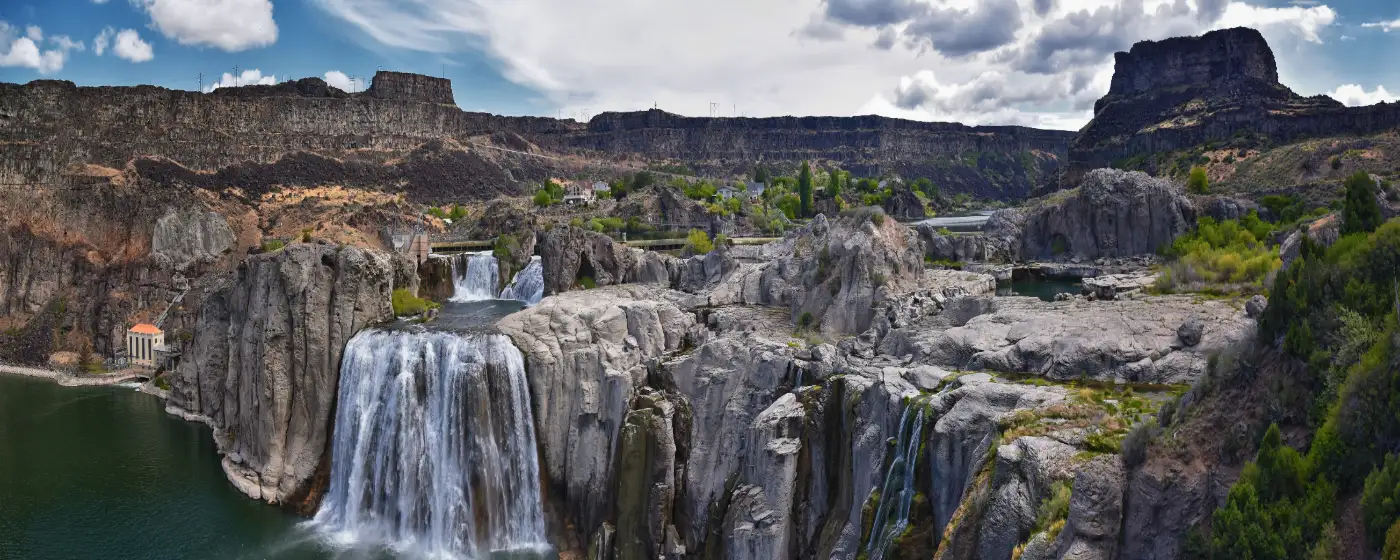
Maybe you've been watching your California property tax bill climb while the house across the street sold for $776,000 — the statewide median — and you started doing the math on what the same money buys in Idaho. Maybe your company went remote and you realized nothing is anchoring you to a state where the top marginal income tax rate is 13.3%. Burley sits in Idaho's Magic Valley along the Snake River, about 40 minutes west of Twin Falls on I-84, and it is the kind of place that takes a few visits to understand. It is not a suburb of anything. It is its own working agricultural city, built around food processing and distribution, with a downtown that functions rather than performs.
The economic backbone here is real industry, not tech campuses. McCain Foods — one of the world's largest potato processors — operates a major facility in Burley, and High Desert Milk runs dairy processing nearby. The Cassia County School District serves families throughout the region, and D.L. Evans Bank, headquartered locally, is one of Idaho's larger community banks. Dot Foods, a major national food distributor, adds logistics jobs to the mix. The wage structure reflects food processing and agriculture rather than Bay Area or Southern California salary scales — something California remote workers often use to their advantage when their income follows them across the state line.
Idaho's overall cost-of-living index is approximately 97.7 — nearly at the national average — compared to California's index of approximately 142.2. That gap shows up most visibly in housing, but also in what you pay the state at the end of the year. Burley's full cost-of-living breakdown covers utilities, groceries, and transportation in detail. Day-to-day life here centers on the Snake River corridor, Centennial Park, and the Cassia County Fairgrounds — not the freeway-adjacent amenities Californians often expect. The city is quiet in the way that Magic Valley towns are quiet: genuinely, and by design.
Whether you are finalizing a timeline or still at the research stage, the sections below break down what the California-to-Burley move looks like financially, what changes about daily life, what the housing market actually offers, how the tax picture shifts, and what Californians consistently say they didn't anticipate.
The Home Price Comparison: What Your California Money Buys Here
The number that stops most Californians mid-scroll: Burley's typical home price is $330,751 (Zillow Home Value Index, March 2026). California's statewide median sits at approximately $776,000. That is not a rounding-error difference — it is the kind of gap that rewrites what a down payment means and what monthly overhead looks like for the rest of your working life.
In practical terms, a budget that gets you a two-bedroom condo in the outer suburbs of Sacramento or the Inland Empire can buy a four-bedroom house with a yard in Burley. Buyers who arrive from the Bay Area often report the disorienting experience of having to upgrade their expectations rather than compromise them.
For a more detailed look at specific areas within the city, the Burley neighborhoods page breaks down the character and positioning of areas like North Burley, the Riverfront corridor, and the Park Avenue District.
What the Price Gap Actually Means for Buyers
If you are carrying equity out of California, the math can be dramatic. Selling a median-priced California home and buying at Burley's typical price could leave a substantial portion of your proceeds outside the mortgage entirely, depending on your equity position. That dynamic is a large part of why IRS migration data shows California losing approximately 100,397 net tax filers and $11.9 billion in adjusted gross income to other states in the 2022–2023 tax years — Idaho ranks among the top per-capita destinations.
The effective property tax rate in Burley is 0.45%. California's typical effective rate runs approximately 0.7%, and that is before Mello-Roos or special assessments that are common in newer California subdivisions. On a home priced at Burley's typical value, that rate differential represents a meaningful annual savings — the kind that compounds over a decade of ownership.
| Factor | Burley, Idaho | California (Statewide) |
|---|---|---|
| Typical / Median Home Price | $330,751 (ZHVI, Mar 2026) | ~$776,000 |
| Effective Property Tax Rate | 0.45% | ~0.70% |
| State Income Tax (top rate) | 5.3% flat (all income) | 13.3% marginal (top bracket) |
| Sales Tax Rate | 6.0% (no local add-on) | 7.25%–10.75% (varies by city) |
| Grocery Tax | 6% (with $155/person annual credit) | Exempt (unprepared food) |
| Cost-of-Living Index | ~97.7 (near national average) | ~142.2 |
| Local Income Tax | None | None (state only) |
* ZHVI = Zillow Home Value Index.
One important nuance on the grocery tax: Idaho applies its 6% sales tax to groceries, unlike California, which exempts unprepared food. Idaho partially offsets this with a refundable Grocery Tax Credit — $155 per person per year, raised from $120 in the 2025 legislative session. A family of four receives $620 annually, which covers a meaningful portion of what you pay on groceries across the year.
The Income Tax Shift: From California's 13.3% to Idaho's Flat 5.3%
For high-earning Californians, the income tax change is the most immediate financial shift — and the most personally felt. California operates nine marginal brackets, with a top rate of 13.3% on income above roughly $1 million (and 12.3% starting much lower). Idaho replaced its previous graduated structure with a flat 5.3% rate, effective retroactively January 1, 2025, after Governor Brad Little signed HB 40 in March 2025.
The flat structure matters beyond the headline rate. In Idaho, a teacher earning $55,000 and a remote software engineer earning $180,000 pay the same percentage. There are no brackets to optimize around, no cliff effects from a bonus or stock vesting event, and no local income taxes layered on top — Idaho prohibits them at the city and county level entirely.
What This Means If You're Working Remotely
Remote workers moving from California's Bay Area or Los Angeles on a California salary see the largest single-year tax impact. A household earning $200,000 that moved from California at the start of 2025 would have shifted from a blended California effective rate well into the double digits to Idaho's flat 5.3% — on every dollar, with no bracket creep as income grows. That is not a minor optimization; it changes monthly cash flow in a way that compounds across years.
California-based remote workers who maintain California employer ties should speak with a tax professional about sourcing rules — California aggressively asserts taxation rights on income earned by former residents still working for California companies in certain situations. That is an edge case, but it catches people who don't plan for it. Once the tax residency break is clean, Idaho's structure is straightforward by design.
Sales Tax: Simpler, But Watch the Groceries
Burley's total sales tax rate is 6.0% — the Idaho statewide flat rate, with no Cassia County or city surcharge added on top. Californians moving from jurisdictions with combined rates above 9% or 10% will notice the difference quickly. The one genuine catch is the grocery tax, which California does not levy on unprepared food. The $155-per-person annual Grocery Tax Credit helps, but it does not fully cancel the difference for larger households with significant grocery spending.
Daily Life in Burley: What Changes and What Doesn't
Six months after moving, most Californians say the same thing: they didn't realize how much mental bandwidth went to traffic until it was gone. Burley has approximately 12,000 residents. The I-84 / U.S. Highway 30 interchange near the bridge to Heyburn backs up on Friday afternoons during peak agricultural season, but 'backed up' here means five to eight minutes, not forty. That adjustment takes longer to internalize than you'd expect.
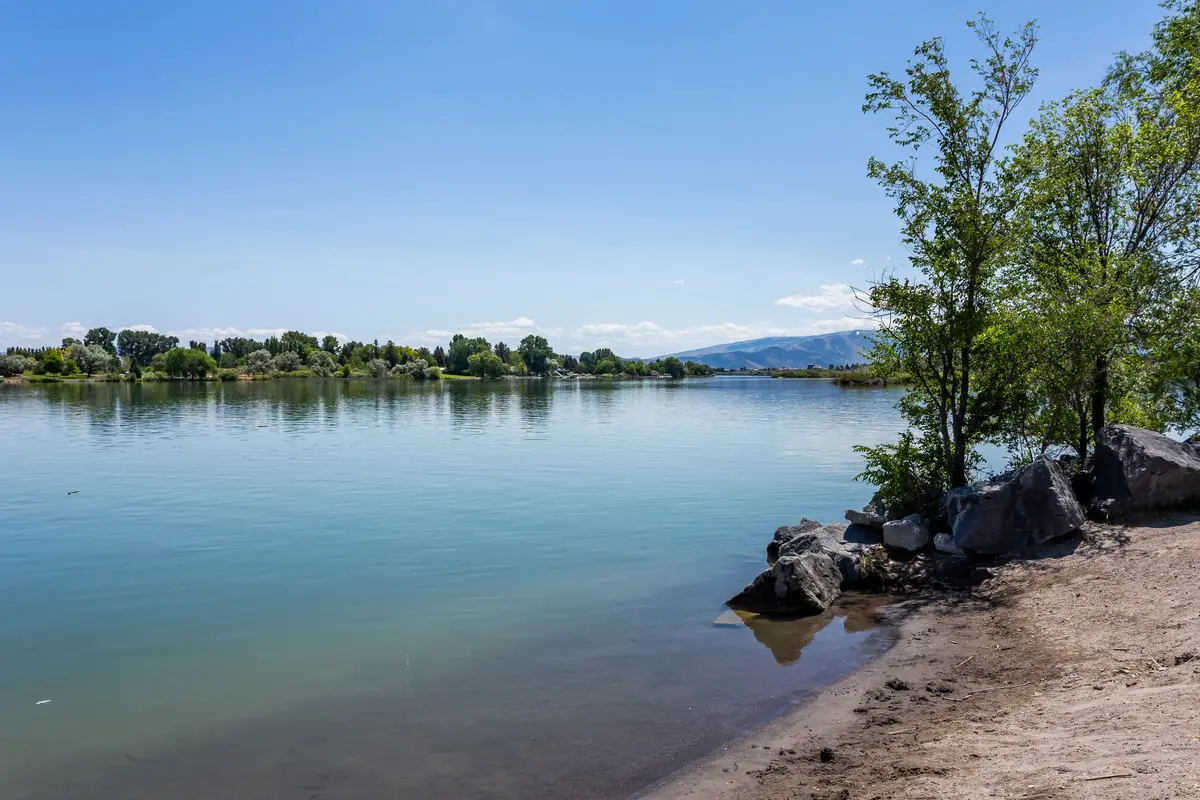
The Snake River runs along the southern edge of the city, and the Riverfront area is where Burley actually congregates on warm evenings. The Boathouse in Burley sits riverside and draws a mix of locals and out-of-towners — it is one of the few places in town where you'll find people from multiple ZIP codes in the same room on a Saturday night. For a quieter morning, Nostalgia Coffee & Cafe on Albion Ave is a genuinely local coffee operation with a breakfast and lunch menu that has nothing to prove to anyone. EdgeWater Dining & Spirits on Hampton Drive rounds out the sit-down options for evenings when you want something closer to a steakhouse experience without Twin Falls prices.
What Californians Find Missing
There is no Trader Joe's in Burley — the nearest is in Twin Falls. There is no REI. The arts infrastructure is real but modest: the King Fine Arts Center hosts performances, and the Cassia County Fairgrounds anchors the summer calendar. If your social life in California was built around a dense restaurant row or a wine bar you walked to three times a week, Burley will require recalibrating what a good Tuesday looks like.
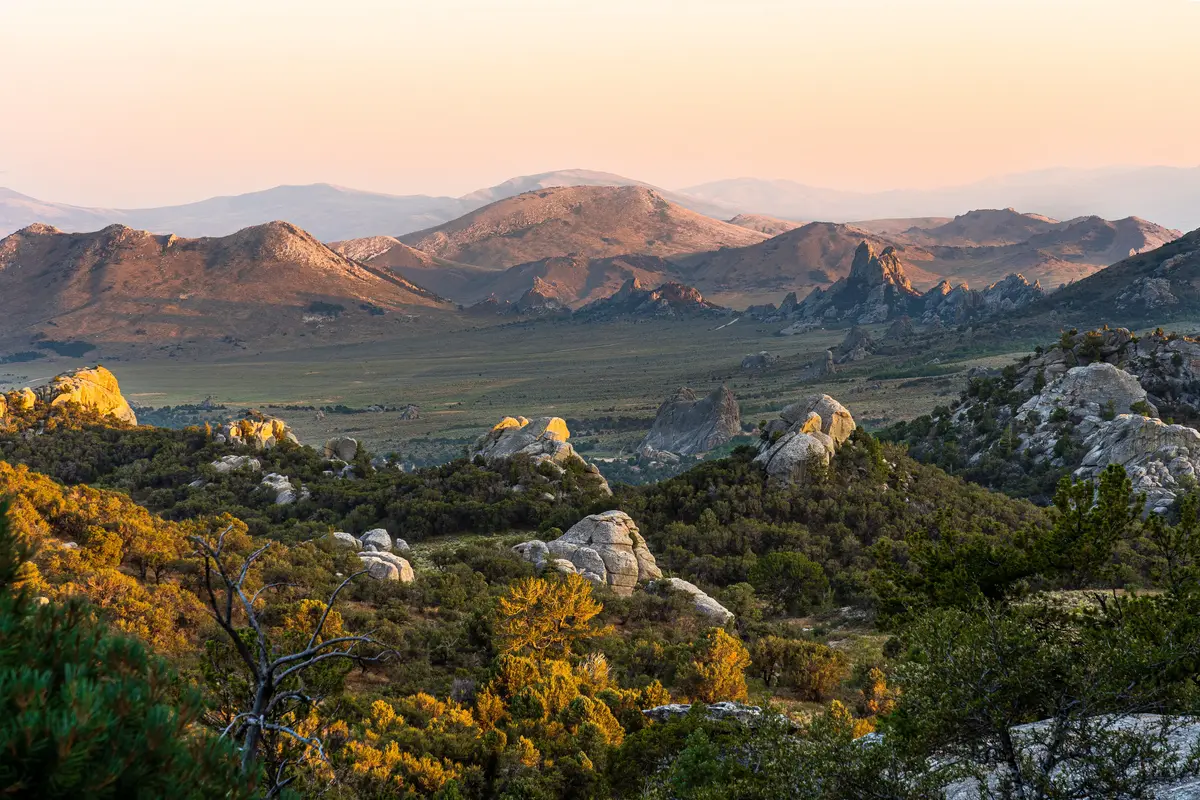
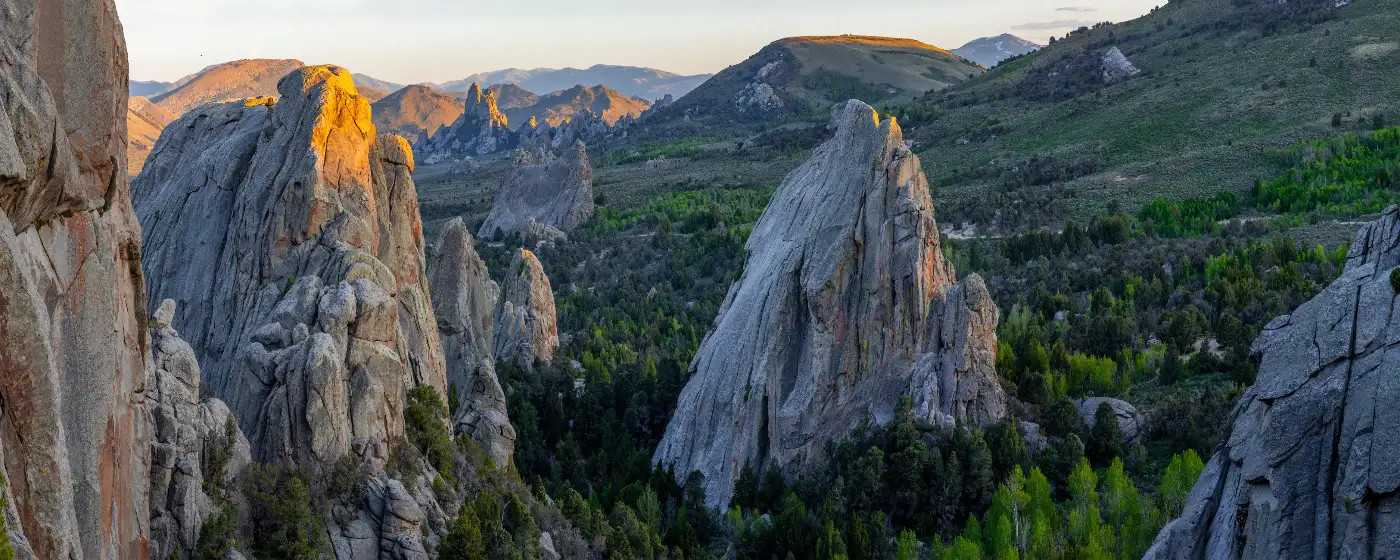
The school system — Cassia County Joint School District — serves the region, and families tend to gather around Centennial Park and youth athletic schedules more than around nightlife. The schools page covers district specifics. Weekend access to outdoor recreation is genuinely strong: the Snake River provides fishing and boating, City of Rocks National Reserve is about an hour south, and Pomerelle Mountain Resort is closer than most Californians expect for a ski day.
What Locals Know About Getting Around
The Twin Falls commute runs about 40 minutes on I-84 — manageable if you need a larger city's amenities a few times a week. Most Burley residents find that they make that drive for Costco, specialist medical appointments, and the occasional concert, then stop expecting to need it for everything else. Burley Municipal Airport handles small aircraft; commercial flights route through Twin Falls or Boise. That access pattern is very different from living 40 minutes from an urban core in California, where the surrounding area fills in most needs.
Looking to buy in Burley? Estimate your payment.
Enter your numbers to see an estimated monthly mortgage payment.
Estimate only. Excludes HOA fees and mortgage insurance. The interest rate above is a starting point, not a quoted rate — replace it with your own to see real numbers. Insurance is a flat placeholder, not a Burley quote.
What to Know Before You Buy: The Burley Housing Market
Burley's housing stock skews older. Much of what you find in the North Burley and Downtown areas was built between the 1940s and 1980s, with genuine character but also the maintenance considerations that come with age. West Burley and newer construction near the Overland Avenue Corridor offer more recent builds, typically with open floor plans and modern mechanicals. For the full neighborhood-by-neighborhood breakdown, the best neighborhoods page is the right starting point.
Inventory moves differently here than in California's competitive markets. Multiple-offer situations happen, but they are not the norm the way they are in Sacramento or the Inland Empire. Inspection contingencies are standard and expected — you should use them. Californians who waived inspections routinely in competitive markets sometimes arrive with that reflex still active; that is one of the habits worth leaving behind.
The First-Time and Equity Buyer Picture
Buyers arriving with California equity often find they can pay cash or put down a substantial percentage, which changes their negotiating position entirely. First-time buyers working without a California equity windfall have different considerations; Idaho has state-level programs worth researching, which the first-time homebuyer page covers in detail. The effective property tax rate of 0.45% keeps annual carrying costs well below what California buyers are used to, which opens up price points that would feel untenable back home.
One thing to verify before closing: irrigation water rights, which attach to many parcels in the Magic Valley and carry their own maintenance obligations and seasonal assessments. This is a normal part of rural Idaho real estate and not a red flag — but it surprises buyers who have never encountered it, and a local title company will walk you through what each property carries.
What You Would NOT Do Moving Here
Don't buy on the eastern fringe of East Burley near the rail corridor without spending a night nearby first. Train traffic through that section runs at irregular hours, and the sound carries differently than you might expect depending on wind direction. It is not a dealbreaker for everyone, but it is the kind of thing that surfaces in month two rather than during a Saturday afternoon showing.
The Cultural Shift: What Nobody Puts in the Spreadsheet
Idaho received roughly 100,397 net new tax filers from California in the 2022–2023 tax years. Not all of them stayed. The ones who leave — and some do — almost always cite the same two things: they underestimated how different the social environment would feel, and they moved before spending enough time here in the off-season.
Magic Valley winters are not Sierra Nevada winters — the elevation in Burley is around 4,150 feet, and snow accumulation is real but usually manageable. The harder adjustment is the length and the grey: January and February are cold, often overcast, and the city contracts socially in ways that Californians who moved here for summer-visit reasons did not anticipate. People who come from year-round outdoor cultures in Southern California sometimes find February in Burley genuinely difficult in a way that the tax savings alone don't fix.
What Does Work Remarkably Well
The pace is the thing people who stay cite most. Life in Burley operates at a cadence that California's larger metros have simply lost — neighbors who actually know each other, the Cassia County Courthouse as a genuine civic anchor, a Friday night at the Cassia County Fairgrounds during summer that feels like community in a way that is increasingly hard to manufacture in larger places. That is not nostalgia for a fictional version of small-town America; it is a description of what people find when they show up.
Politically, Cassia County runs heavily conservative. This is not a culture-war observation — it is a practical one. If you are moving from a part of California where political alignment was part of your daily social fabric, the adjustment is real and worth thinking through honestly before you commit. Many Californians find it irrelevant to daily life; others find it the hardest part of the move. The honest answer is that it depends entirely on what your social life in California was built around.
The Safety Picture in Brief
Burley's crime figures are relatively low for a city of its size — the safety page has the full breakdown. Most longtime residents describe the city as one where they leave the garage open without thinking about it, which is a qualitative data point worth more than most statistics.
The Californians who thrive in Burley tend to share one trait: they moved toward something — the quiet, the space, the financial reset — rather than purely away from something. The ones who moved away from California's costs without a clear picture of what Burley actually is tend to be the ones who end up back in Twin Falls or Boise within three years. This guide exists so you walk in with both eyes open.
Local Expert Takeaway: Burley rewards Californians who do the full homework, not just the tax math. The income tax shift from California's 13.3% top rate to Idaho's flat 5.3% is real money, and the home price difference is genuinely life-changing for equity buyers. But the move works best for people who spend a February weekend in Burley before signing anything — who have coffee at Nostalgia Coffee & Cafe on Albion Ave on a grey Tuesday morning, drive past the McCain Foods plant on the way back, and still feel like this is the place. If that Tuesday feels right, the spreadsheet will confirm what your gut already knows.
Quick Takeaways & FAQs
✅ Burley's typical home price of $330,751 (Zillow Home Value Index, March 2026) gives California equity buyers options they simply cannot find anywhere near their current market.
⚠️ Idaho's grocery tax applies to food that California exempts — the state's $155-per-person annual Grocery Tax Credit helps but doesn't fully offset the difference for larger families.
📍 The I-84 and U.S. Highway 30 interchange near the Heyburn bridge is Burley's one real traffic chokepoint — it backs up on Friday afternoons during harvest season, but the delay is measured in minutes, not the hours California commuters are used to.
How much less expensive is Burley compared to California for buying a home?
What happens to my income taxes when I move from California to Burley?
Does Idaho tax groceries? I've heard it does.
What should California buyers know about Burley's real estate market before making an offer?
What do people who move from California to Burley most commonly regret or find surprising?
Moving to Idaho?
Tell us what you need help with and we'll connect you with local resources.
