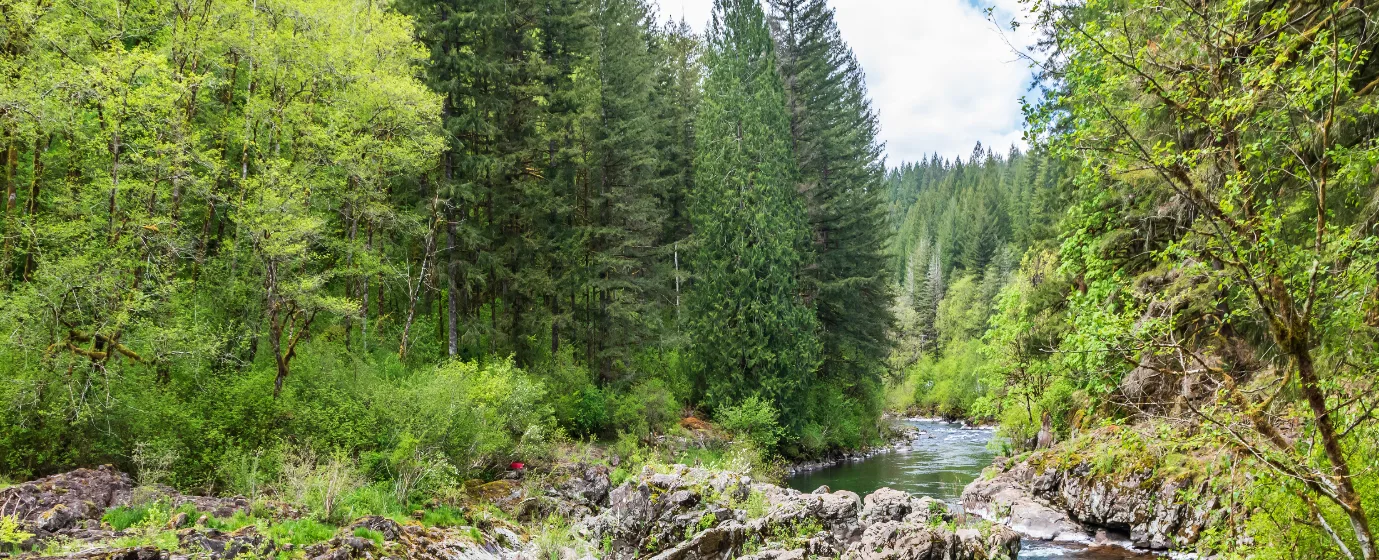
Most people moving to Battle Ground check the commute to Portland first and the home prices second. What they don't research until they're already signing paperwork: the city sits minutes from a 280-acre state park built around a volcanic crater lake — something you'd expect to find deep in the Cascades, not on the edge of a Clark County suburb. That geographic quirk shapes what daily life actually looks like here more than most relocation spreadsheets capture.
Battle Ground has roughly 23,000 residents, and the park system punches well above that number. Three distinct recreation anchors serve very different needs: Battle Ground Lake State Park for wilderness-adjacent camping and paddling, Kiwanis Park for walkable community recreation in the city core on SW 2nd Ave, and Fairgrounds Park near E. Main St. and NE Fairgrounds Ave. for structured sports and skateboarding. That range is why families with young children, outdoor enthusiasts, and teens who skate all end up here — and why the parks feel genuinely used rather than decorative.
Recreation here is largely affordable. The state park charges a Washington State Discover Pass ($10 per day or $45 annually) for day-use parking, the Skate & Bike Park at Fairgrounds is free every day, and Kiwanis Park's six new covered pickleball courts run on a first-come, first-served basis with no fee. The catch — and it's real — is that the state park draws visitors from across Southwest Washington, so summer weekend parking fills earlier than newcomers expect. Arriving by 9 a.m. on a July Saturday is not an exaggeration; it's a genuine local tip.
This guide covers Battle Ground's signature parks and what you'll actually find at each one, the trail and water options available by season, what recreational life looks like week to week for residents, and the practical details — passes, fees, and seasonal quirks — that don't show up in the brochure.
Battle Ground Lake State Park: A Volcanic Crater in the Foothills
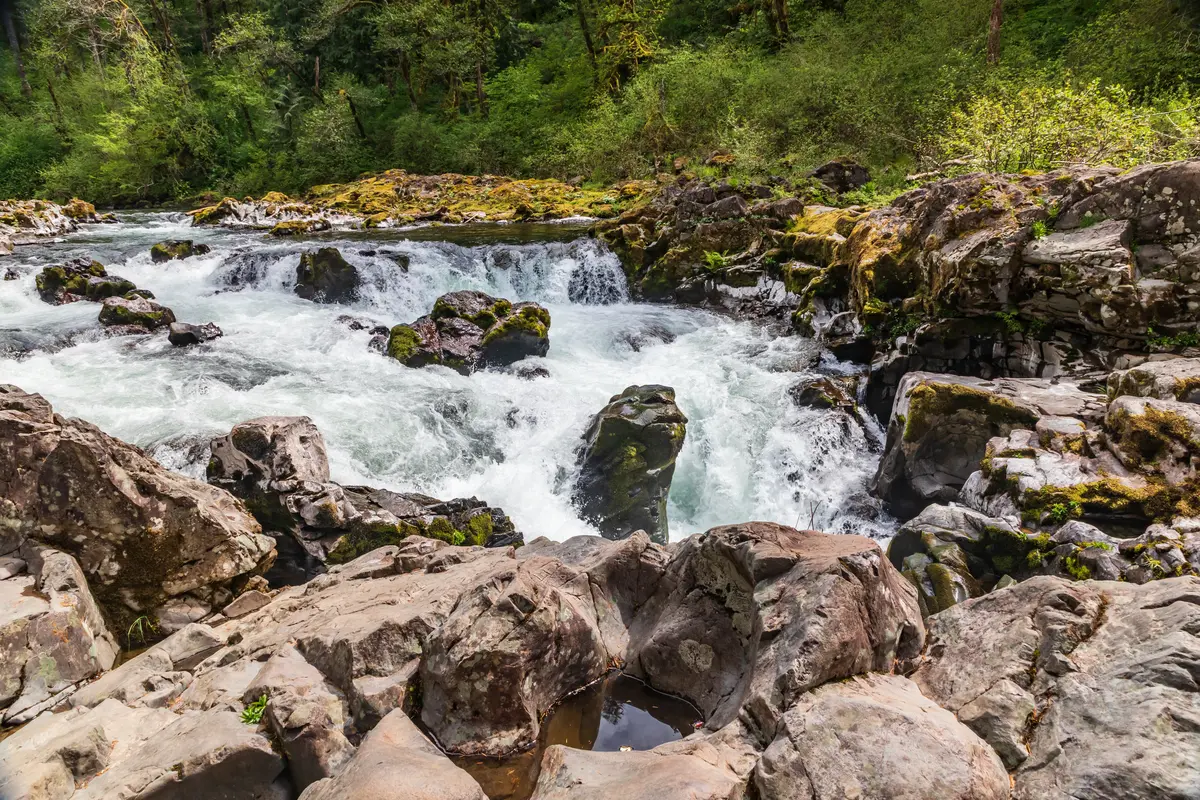
The headline feature of recreation in Battle Ground isn't a city park at all — it's a 280-acre state park centered on a 28-acre lake that formed roughly 100,000 years ago when a magma-induced steam explosion collapsed into itself, creating what geologists call a maar. The result is a spring-fed volcanic crater lake with unusually clear water — a miniature version of Oregon's Crater Lake, set in second-growth forest about two miles from the city center.
No motorized watercraft are allowed on the lake. That single rule changes the entire experience. On a summer morning, the surface is quiet enough to hear the paddle strokes of kayakers rounding the far shoreline. The park's on-site store rents kayaks and SUP boards from 10 a.m. through 8 p.m. daily through Labor Day, so you don't need to own gear to get out on the water. A non-motorized watercraft launch fee of $7 per day applies on top of the Discover Pass parking requirement.
Trails and Terrain
The park offers approximately 10 miles of trails threading through the forested hillsides — a mix of hiking routes, mountain-bike access on the horse trails (riders yield to equestrians), and dedicated equestrian paths. The most-used route for newcomers is the one-mile Lower Lake Trail, a loop that circles the volcanic crater itself. It's flat enough for young kids, scenic enough that most people do it twice.
The primitive walk-in campsites require a quarter- to half-mile hike from the trailhead, which keeps that section of the park noticeably quieter than the main campground loop. Families who've camped both report the walk-in sites feel like a completely different park.
Camping Options at a Glance
| Site Type | Number of Sites | Hookups / Features | Notes |
|---|---|---|---|
| Water & Electric | 6 | Water, electric | Best for RVs or families wanting hookups |
| Standard | 25 | None | Most common reservation type |
| Primitive Walk-In | 15 | None | Quarter- to half-mile hike required |
| Cabins | 4 | Roofed accommodation | Fee increase effective 2026; book early |
| Equestrian Group Camp | 1 group area | Equestrian facilities | Separate reservation process |
| General Group Camp | 1 group area | None | Suitable for larger gatherings |
The park is open year-round, which matters more than it sounds: fall and early spring weekdays at the lake are among the genuinely underrated experiences in Southwest Washington.
Passes, Fees, and the 2026 Changes
Washington State Parks increased several fees in 2026 due to legislative reductions to the parks' general fund. Non-resident reservation fees rose from $5 to $15 effective April 1, 2026, and roofed accommodation rates went up as well. The Discover Pass remains $10 per day or $45 annually — and campers who've paid overnight fees don't need a separate day-use pass. Washington State Parks offers 12 Discover Pass Free Days in 2026 if you want to scout the park before committing to an annual pass.
Summer Saturday Interpretive Programs run through the season; the full 2026 schedule is posted at parks.wa.gov. These programs — led by park rangers and covering local geology, wildlife, and ecology — are the kind of thing longtime residents quietly love and newcomers rarely know about until their second summer.
Kiwanis Park and the Veterans Memorial: The Heart of Community Recreation
If Battle Ground Lake State Park is the destination, Kiwanis Park at 422 SW 2nd Ave is the living room. At over 8 acres, it's the city's largest community park — donated by the local Kiwanis Club in 1980 and renovated twice since, most recently in 2025. It opens at dawn and closes at dusk seven days a week, and on any given weekday afternoon it runs the full spectrum: toddlers on the play equipment, adults walking the perimeter, and now a steady queue for the pickleball courts.
The Pickleball Addition That Changed the Park
Six covered, lighted pickleball courts — branded as the Kiwanis Courts — opened in summer 2025 as part of the renovation. They run daily from 8 a.m. to 9 p.m. on a first-come, first-served basis, free for all ages. The covered-and-lighted combination means they're usable in rain and well into the evening, which matters in a region that sees overcast skies from October through April. On weekend mornings, regulars arrive early; by 9 a.m. in good weather, all six courts tend to be occupied.
The courts have become one of the more reliable social hubs in town. Newcomers who showed up expecting a quiet warm-up session in their first month got a faster-than-expected introduction to the neighborhood instead.
The Veterans Memorial
At the northern entrance to Kiwanis Park stands the Battle Ground Veterans Memorial, dedicated on November 11, 2015. The memorial is engraved with the names of 31 Battle Ground-area service members who died in service to the country — and it was paid for entirely through community donations, not city budget. That distinction matters locally; residents mention it as an example of what the community does when it decides something matters.
The memorial makes the northern entrance to Kiwanis Park feel different from the southern playground end. Many residents walk through it on their morning laps around the park without quite realizing, until someone points it out, that they've been passing 31 names engraved in stone.
Fairgrounds Park: Where the County Fair Used to Be
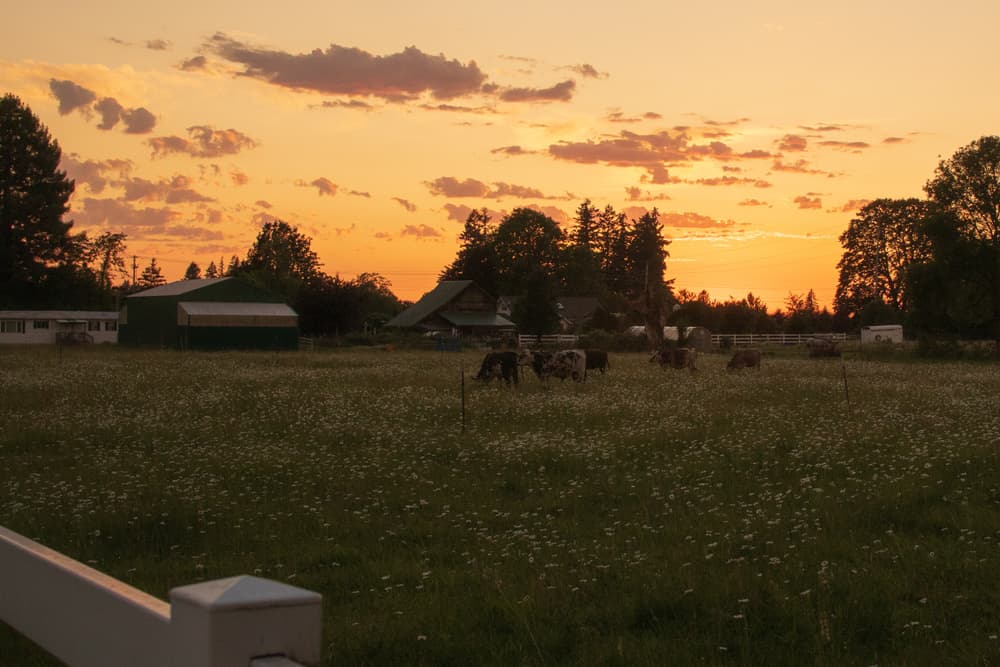
Fairgrounds Park occupies 8.53 acres near E. Main St. and NE Fairgrounds Ave. — the original footprint of the Clark County Fair before it outgrew the site. What replaced it is a mix of uses that doesn't exist in many cities this size: baseball and softball diamonds, the Battle Ground Community Center, and a 25,000-square-foot Skate & Bike Park that draws riders from well outside city limits.
The Skate & Bike Park
The Skate & Bike Park is free, every day, with no membership or registration required. The design transitions from a flat beginner area to vertical terrain calibrated for advanced and professional-level skaters — not a smooth progression in every park, but executed well enough here that parents consistently bring kids who have never skated before and serious riders show up for the technical sections. It draws a genuinely mixed age range.
The park's size — 25,000 square feet — gives it room for both populations to coexist without crowding each other out, which is the practical reason it stays busy on weekends. If you have a teenager who skates, this is one of the first things they'll discover about Battle Ground on their own.
Community Center and Ball Fields
The Battle Ground Community Center on the Fairgrounds Park campus hosts organized programs, leagues, and events throughout the year — recreational youth sports leagues run through the city's parks and recreation department, connecting the park physically and administratively to structured community activities. For a closer look at how youth athletics connect to school-based programs, the Battle Ground schools page covers that in more detail.
The baseball and softball fields at Fairgrounds see consistent use from spring through fall, with weekend tournaments occasionally pulling in teams from surrounding Clark County communities. The combination of the Community Center, ball fields, and skate park on one contiguous property makes Fairgrounds Park the most programmatically active site in the city's park system — even if it's Battle Ground Lake that gets the photos on Instagram.
Looking to buy in Battle Ground? Estimate your payment.
Enter your numbers to see an estimated monthly mortgage payment.
Estimate only. Excludes HOA fees and mortgage insurance. The interest rate above is a starting point, not a quoted rate — replace it with your own to see real numbers. Insurance is a flat placeholder, not a Battle Ground quote.
Seasonal Recreation and What Year-Round Life Actually Looks Like
Battle Ground's park calendar divides cleanly along the rain line. From roughly mid-June through September, the lake fills up, the skate park runs at capacity on weekends, and the pickleball courts at Kiwanis see their heaviest use in the early morning and evening hours after the sun drops. From October through May, the experience shifts — but it doesn't disappear.
Summer: The Crater Lake Crowd
Swimming in Battle Ground Lake is the defining summer activity for many residents with kids. The no-motorized-watercraft rule keeps the swimming area calm and the water visibility high. The on-site Battle Ground Lake Store's 10 a.m. opening creates a predictable rhythm: paddlers who bring their own equipment launch early, store rentals pick up by mid-morning, and the lake reaches its busiest point from about 11 a.m. to 3 p.m. on Saturdays.
Anyone who's moved here from a city without a lake this close underestimates how much the park shapes summer social life. It's not unusual for new residents to run into their neighbors at the lake before they've met them on their street.
Fall and Winter: The Uncrowded Window
The trails through the second-growth forest around Battle Ground Lake are arguably at their best in October and November — the deciduous canopy turns and the crowds thin dramatically after Labor Day. Weekday visits in the off-season often feel like having the park to yourself, even though the state park is open year-round.
The covered pickleball courts at Kiwanis were clearly planned with Pacific Northwest winters in mind: the lighting and overhead cover extend the usable season well into the months when most outdoor courts in the region sit empty. That's a meaningful quality-of-life detail for anyone who moved from a sunnier climate and expects recreation to pause in November.
Spring: The Return of Equestrians and Mountain Bikers
The state park's horse trails open up in spring, and mountain bikers return to the shared routes (yielding to equestrians, per park rules). The Lower Lake Trail loop is the first route to dry out and the first to fill back up. Spring also brings the Summer Saturday Interpretive Program schedule announcement from Washington State Parks — worth bookmarking at parks.wa.gov for families with younger kids.
After the Trail: Evening Options Near the Parks
After a day at the lake or the skate park, Battle Ground has two independently verified local breweries within close range. Barrel Mountain Brewing on E. Main St. and Everybody's Brewing at Northwood on SE Rasmussen Blvd both draw the outdoor-recreation crowd on weekend evenings. Neither is a chain, and both sit close enough to the park system that the post-hike pint is a genuine local ritual rather than a forced category.
| Recreation Asset | Location | Season / Hours | Cost | Best For |
|---|---|---|---|---|
| Battle Ground Lake (swimming, paddling) | State Park, ~2 mi from city center | Year-round; busiest Jun–Sep | Discover Pass: $10/day or $45/yr; watercraft launch $7/day | Families Nature |
| Lower Lake Trail Loop (1 mile) | State Park | Year-round | Discover Pass required for parking | Families Quiet |
| Extended Trail Network (~10 mi) | State Park | Year-round; best Apr–Nov | Discover Pass required for parking | Nature Views |
| Kiwanis Courts (6 pickleball courts) | 422 SW 2nd Ave | Daily 8 a.m.–9 p.m. | Free | Walkable Families |
| Kiwanis Park (general) | 422 SW 2nd Ave | Dawn to dusk, daily | Free | Families Walkable |
| Fairgrounds Park Skate & Bike Park (25,000 sq ft) | Near E. Main St. & NE Fairgrounds Ave. | Open daily | Free | Families Value |
| Fairgrounds Park Ball Fields | Near E. Main St. & NE Fairgrounds Ave. | Spring–Fall | League fees vary | Families |
| State Park Camping (46 sites + cabins) | Battle Ground Lake State Park | Year-round reservations | Varies by site type; cabins increased 2026 | Nature Privacy |
Washington State Parks' 12 Discover Pass Free Days in 2026 are worth marking on your calendar if you want to test the state park experience before deciding on an annual pass.
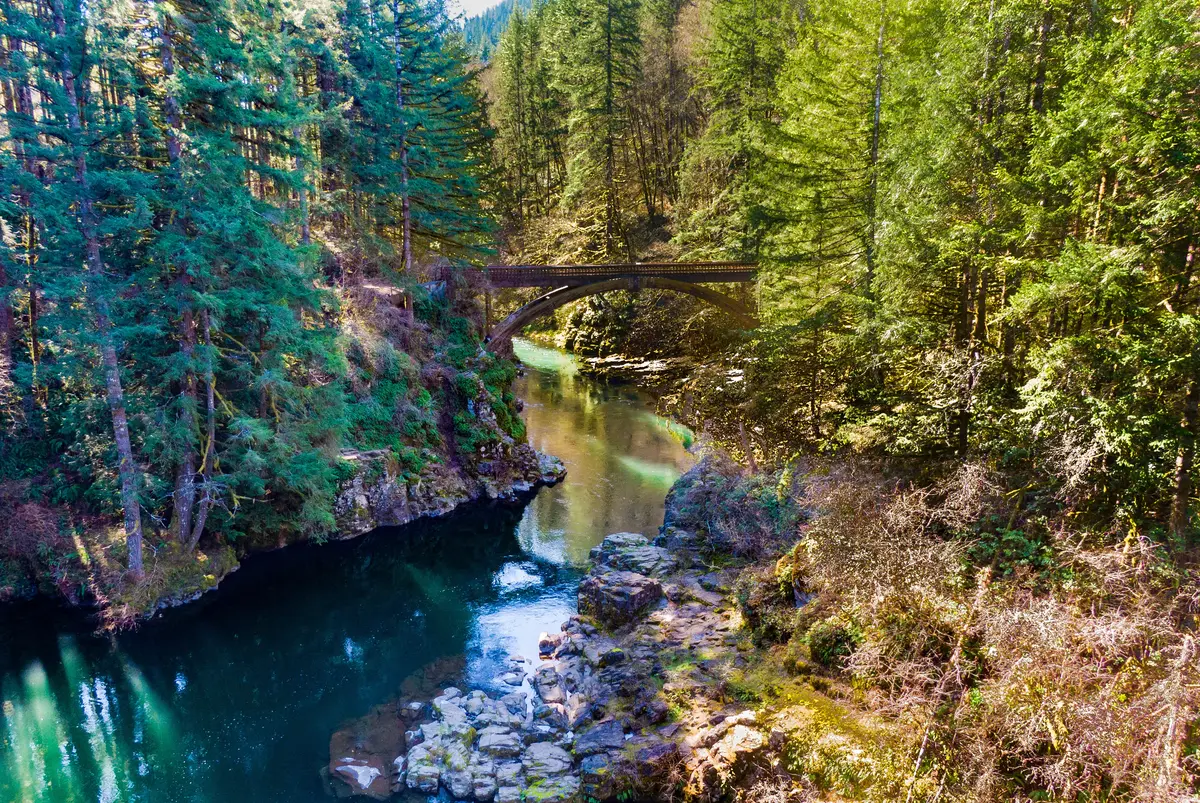
Local Expert Takeaway: Battle Ground's recreation system is the part of the city that genuinely surprises people after the move. The volcanic crater lake at Battle Ground Lake State Park is within ten minutes of most addresses in town, and the no-motorized-watercraft rule keeps it calmer than any comparable lake in the region. The practical insider move: buy the $45 annual Discover Pass in late May, arrive at the lake before 9 a.m. on summer Saturdays, and use the covered Kiwanis Courts on SW 2nd Ave for pickleball on the rainy mornings between June lake days. The Skate & Bike Park at Fairgrounds is free every day — if you have a teenager who skates, they will find it on their own within the first week.
Quick Takeaways & FAQs
✅ Battle Ground Lake State Park's 28-acre volcanic crater lake — open year-round, no motorized watercraft — is within minutes of nearly every neighborhood in the city.
⚠️ Summer weekend parking at Battle Ground Lake State Park fills fast; arriving after 10 a.m. on a July Saturday often means circling or being turned away entirely.
📍 The six covered, lighted Kiwanis Courts at Kiwanis Park (422 SW 2nd Ave) opened in summer 2025 and are free daily from 8 a.m. to 9 p.m. — one of the most underreported additions to the city's recreation system.
Do you need a Discover Pass to visit Battle Ground Lake State Park?
Can you swim in Battle Ground Lake?
Are there pickleball courts in Battle Ground, WA?
How many campsites does Battle Ground Lake State Park have?
Is the Battle Ground skate park free?
Moving to Washington?
Tell us what you need help with and we'll connect you with local resources.
