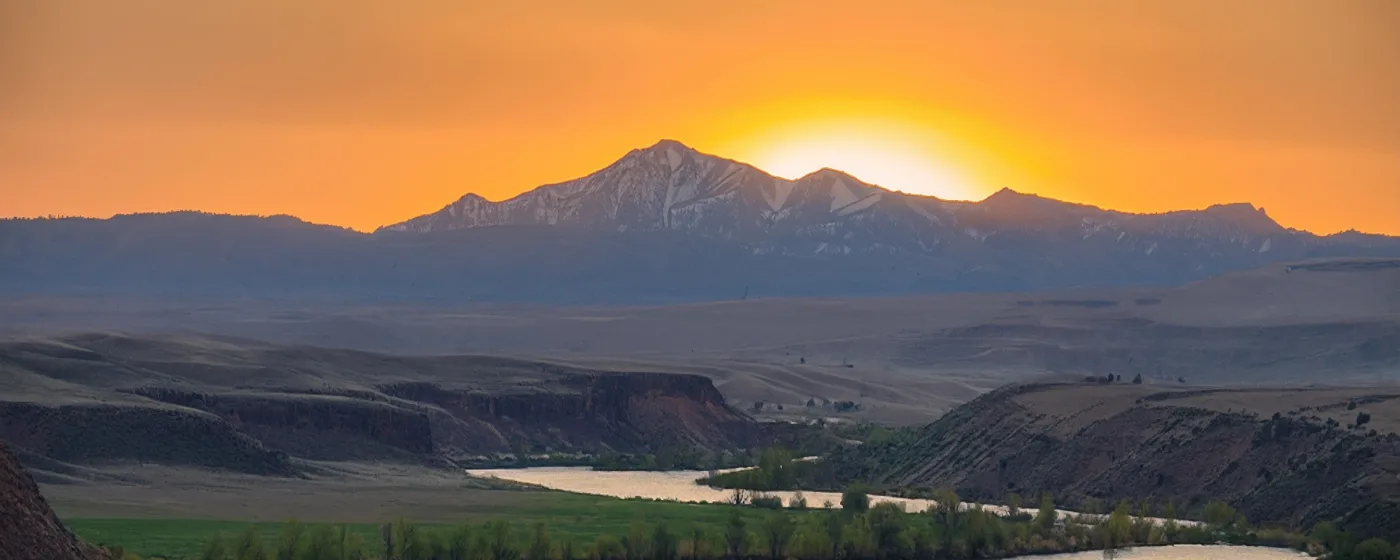
Maybe you've been priced out of the Boise corridor and someone at the golf league mentioned Nampa. Maybe your adult kids are already out here and you're running the numbers. Whatever landed you on this page, the first thing to know is this: Nampa is not a polished retirement brand. It doesn't have a master-planned active-adult resort with a waterpark and a tram. What it has is genuine affordability, two full-service hospitals inside city limits, a senior center that actually buzzes with activity Monday through Friday, and access to Deer Flat National Wildlife Refuge — a 10,000-acre reservoir with flat walking trails — five minutes from the south side of town. That combination is harder to find than it sounds.
Nampa sits on I-84 in the Treasure Valley, about 20 miles west of downtown Boise, and the freeway defines both its opportunity and its tradeoff. Employment here is anchored by St. Luke's Health System — which operates one of the city's two hospitals — along with the College of Western Idaho and a growing manufacturing base. For retirees, the St. Luke's presence matters less as an employer and more as an indicator: a health system large enough to anchor a full-service hospital in a mid-sized city typically brings specialist depth that smaller towns simply can't sustain. The city's population now sits at roughly 125,000, which is the sweet spot many retirees want: real amenities without the traffic and pace of a major metro.
Cost is what drives most of the conversations about retiring here. The Zillow Home Value Index for Nampa stood at $390,832 as of May 2026 — noticeably below what the same dollar buys in Meridian or Boise, and a fraction of what comparable Western metros charge. Day-to-day expenses run only modestly above the national average, Social Security is fully exempt from Idaho state income tax, and the effective property tax rate of 0.57% is well below the U.S. norm. None of that makes Nampa free, but it makes a fixed income stretch in a way it wouldn't along the Wasatch Front or the Oregon coast.
Whether you're seriously considering a move or still in the research phase, the sections below cover what retiring in Nampa actually looks like — from healthcare depth and the retiree tax picture to downsizing inventory, daily walkability, and how Nampa stacks up against nearby alternatives like Caldwell, Meridian, and Star.
Why Retirees Are Choosing Nampa
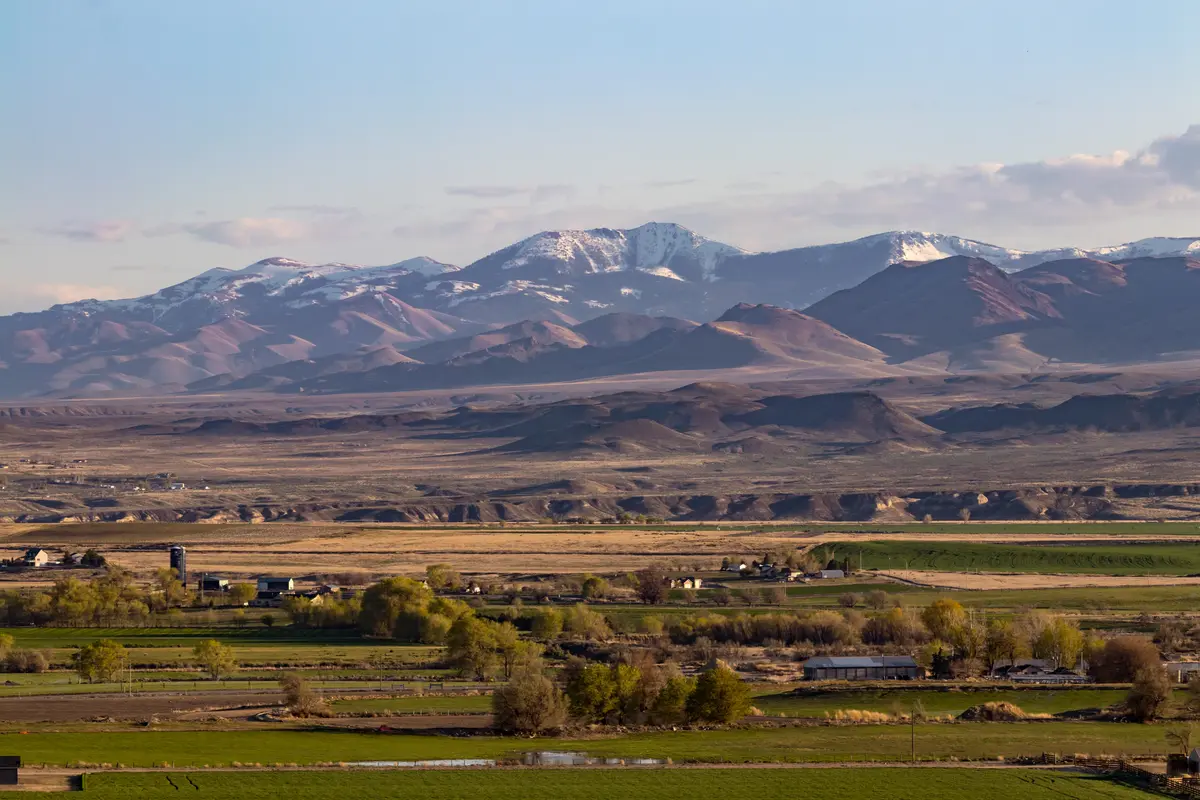
The retirees who land in Nampa and stay tend to share a profile: they want space, they want low overhead, and they've made peace with driving. Nampa fits that combination better than almost anywhere else in the Treasure Valley. The Zillow Home Value Index stood at $390,832 as of May 2026 — a figure that lets many retirees pay cash or carry a very small mortgage after selling a California or Pacific Northwest home. That freed-up equity is often the difference between a retirement that works and one that doesn't.
Nampa also fits the retiree who genuinely wants proximity to Boise's medical specialists, arts calendar, and airport without paying Boise prices to live there. The drive on I-84 runs about 25 minutes in normal conditions — long enough to feel like your own city, short enough to matter when you have a quarterly cardiology appointment or grandchildren in a school play. The catch is that you will drive. Nampa is not the place for a retiree who imagines walking to a coffee shop and the farmers market every morning without getting in a car; that lifestyle exists here only if you buy specifically in or near Downtown Nampa.
Retirees who tend to be disappointed here typically fall into one of two groups: those who want a walkable, urban retirement experience with transit as a fallback, and those relocating from genuinely small towns who find Nampa's growth-era traffic and construction noise jarring. The city added tens of thousands of residents in a decade, and the roads and retail mix still reflect that churn. If either of those things sounds like you, Meridian's more established infrastructure or a smaller market like Middleton might be worth a closer look first.
Healthcare & Medical Access in Nampa
Two Hospitals, One City
Most mid-sized cities in the West have one hospital. Nampa has two full-service systems operating inside city limits, and that fact should weigh heavily in any retirement calculus. St. Luke's Nampa Medical Center and Saint Alphonsus Medical Center–Nampa both offer emergency departments and a range of specialty services. Retirees living near several of the city's senior communities are within 1.6 to 1.7 miles of one of these facilities — a reassuring buffer when minutes matter.
What's Here vs. What Requires Boise
For routine and mid-level specialty care — cardiology follow-ups, orthopedics, outpatient surgery, imaging — Nampa's two systems cover most of what active retirees need. What you won't always find locally is the highest tier of subspecialty care: complex neurosurgery, Level I trauma, advanced cancer treatment protocols, and certain transplant services are concentrated at the larger St. Luke's and Saint Alphonsus campuses in Boise. That's a roughly 25-minute drive, which is genuinely manageable for planned appointments but worth acknowledging if you or a spouse has a condition requiring frequent specialist visits.
Getting to Appointments Without Driving
Valley Regional Transit runs two programs that directly address the retiree transportation gap. The Beyond Access program provides door-to-door shared-ride service at no cost for older adults and people with disabilities, operating Monday through Friday from 7 a.m. to 6 p.m. across Canyon and Ada counties. The Rides2Wellness program takes that a step further, offering free rides specifically for patients of St. Luke's and Saint Alphonsus — an underappreciated benefit for retirees managing ongoing care who can no longer drive or simply prefer not to.
What Locals Know
The six-month surprise many Nampa retirees report is how much the two-hospital setup normalizes everyday healthcare access. After years in a one-hospital or no-hospital rural town, having emergency care under ten minutes away — with a health system large enough to maintain round-the-clock specialist coverage — changes how secure retirement actually feels. The gap to Boise only registers when something genuinely complex arises, which for most healthy retirees in their 60s and early 70s is infrequent.

The Retiree Budget in Nampa
Idaho's Tax Posture for Retirees
Idaho's 2026 tax picture improved meaningfully for retirees. Governor Brad Little signed House Bill 40 in 2026, cutting the state's flat income tax rate from 5.695% to 5.3% — described by state officials as the largest income tax cut in Idaho history. More importantly for most retirees: Social Security benefits are fully exempt from Idaho state income tax at any income level, with no earnings cap or phase-out. If Social Security makes up the bulk of your monthly income, your Idaho tax bill on that income is zero.
The picture is less favorable for retirees drawing heavily from pensions, traditional IRAs, or 401(k) distributions. Those sources remain fully taxable at the flat 5.3% rate. Idaho conformed to the federal One Big Beautiful Bill Act, which added a new senior deduction of up to $6,000 for individuals age 65 and older for tax year 2025 — though this deduction phases out at higher income levels, so higher-income retirees should model their specific situation with a tax advisor rather than assume full benefit.
Property Taxes: The Real Advantage
The effective property tax rate in Nampa is approximately 0.57% — notably below the U.S. average of roughly 1.0%. For retirees downsizing into a smaller home, this rate means the annual tax burden on a modestly priced property stays genuinely manageable on a fixed income. It's one of the clearest structural advantages Nampa holds over comparable markets in Oregon, Washington, or California.
Day-to-Day Cost of Living
Nampa's overall cost of living index runs at approximately 104 against a national baseline of 100 — meaning day-to-day expenses are close to the national norm, not dramatically below it. Groceries, gas, and dining out land near average. The 6.0% combined sales tax rate applies to most purchases, though Idaho's Food Tax Credit — $155 per person per year, rising to $250 with receipts — directly offsets grocery costs, which matters when you're shopping on a fixed income week after week. See the full Nampa cost of living breakdown for utilities, groceries, and transportation detail.
Looking to buy in Nampa? Estimate your payment.
Enter your numbers to see an estimated monthly mortgage payment.
Estimate only. Excludes HOA fees and mortgage insurance. The interest rate above is a starting point, not a quoted rate — replace it with your own to see real numbers. Insurance is a flat placeholder, not a Nampa quote.
Walkability, Community & Staying Active in Nampa
The Walkability Reality
Nampa is flat — genuinely flat — which matters enormously once knees and hips become a consideration. The terrain poses no barrier. The car-dependence does. Most of the city's residential areas require a vehicle for routine errands: grocery runs, pharmacy pickups, haircuts. Downtown Nampa is the meaningful exception, where a stretch of 1st Street South and the blocks around the Nampa Civic Center put coffee, lunch, and some services within walking distance. If on-foot access to daily errands is non-negotiable for you, Downtown Nampa is the only part of town where that's consistently realistic.
Deer Flat National Wildlife Refuge at Lake Lowell is the outdoor anchor for active retirees. The flat, wheelchair-accessible trails around the 10,000-acre reservoir are genuinely usable year-round for birding, walking, and fishing — and unlike many Treasure Valley recreation spots, they're inside Nampa's city limits, not a long drive away. Wilson Springs Ponds, on the northwest edge of town, offers another low-key option that locals tend to have largely to themselves on weekday mornings.
The Nampa Senior Center
The Nampa Senior Center at 207 Constitution Way, adjoining the Harward Recreation Center, is the social spine of retirement life here. It serves lunch Monday through Friday at noon — open to the public, not just members — and runs a genuinely varied calendar: dances, bingo, card games, foot clinics, blood pressure checks, and monthly legal clinics. For retirees who've moved to Nampa without an existing social network, showing up for a Tuesday lunch is one of the most effective ways to actually meet people who've been here five years and know where things are.
Beyond the Senior Center
The Warhawk Air Museum near the Ford Idaho Center draws a steady volunteer base of retired veterans and aviation enthusiasts — it's one of the more distinctive volunteer niches in any Treasure Valley city. The Nampa Civic Center hosts concerts and community events that pull a multigenerational crowd. Valley Regional Transit's Beyond Access program means retirees who've stopped driving aren't stranded: door-to-door shared rides Monday through Friday keep the city navigable without a car, even if the schedule requires planning ahead.
Right-Sizing: Downsizing in Nampa
Single-Level Living and What's Available
Nampa's growth surge of the past decade produced a lot of single-story production homes in the 1,400–1,900 square foot range — exactly what most downsizing retirees are looking for. Subdivisions across West Nampa, South Nampa, and the Centennial area built out with accessible floorplans and low-maintenance landscaping as standard features. These aren't luxury builds, but they're practical: wide doorways, open layouts, attached garages, and HOA-maintained common areas that eliminate yard work as a concern.
Patio Homes and Smaller Footprints
Patio-home communities — paired or zero-lot-line single-family homes with shared exterior maintenance — exist in Nampa but inventory tightens fast when interest rates shift. The areas around Lake Lowell Estates and Lakeview have seen patio-style development that appeals to retirees who want ownership without maintenance obligations. These sell quickly when priced correctly, so buyers coming from out of state should expect to move faster than they might in their previous market.
Condos and Attached Options
True condominium inventory in Nampa is thinner than in Meridian or Boise. A handful of attached-unit communities exist near Downtown Nampa, and a small number of age-restricted or adult-oriented complexes have come online as the city's senior population has grown. If a condo is your target form factor, expect to search longer here than you would in Ada County — or be prepared to look at Meridian as a parallel option.
55+ and Active-Adult Communities
Nampa has seen development of active-adult communities marketed to the 55-and-older cohort, though the inventory is not as deep as Sun City-style markets in Arizona or the large planned communities outside Boise. What exists tends to sell on reputation within the local senior community — word travels through the Nampa Senior Center faster than any real estate listing. An honest read on inventory: it's improving but not abundant. Buyers with flexibility on timing have the best selection; those on a hard move-in deadline may need to rent short-term while the right unit comes available.
What Six Months In Reveals
The thing retirees consistently don't anticipate after downsizing in Nampa is how quickly the low property tax rate compounds as a quality-of-life factor. At approximately 0.57% effective, the annual overhead on a mid-priced home here is substantially lower than most markets they've come from — and that difference, month after month, is what makes the budget actually work the way the spreadsheet promised it would.
Nampa vs Nearby Retirement Destinations
| City | Cost vs Nampa | Primary Hospital | Walkability | Senior Living Depth | Overall Retirement Fit |
|---|---|---|---|---|---|
| Nampa | Anchor | St. Luke's Nampa + Saint Alphonsus Nampa (both in-city) | Car-dependent; Downtown walkable; flat terrain throughout | Growing — patio homes, some 55+ communities; condo inventory thin | Value Nature Best for budget-conscious retirees wanting in-city hospitals |
| Caldwell | Noticeably cheaper | West Valley Medical Center (in-city) | Car-dependent; older downtown core | Limited; fewer purpose-built senior communities | Value Good for retirees prioritizing maximum affordability; fewer amenities |
| Meridian | Pricier | St. Luke's Meridian Medical Center (major campus) | Car-dependent; newer retail corridors well-served | Deeper — more 55+ communities and condo options than Nampa | Families Quiet Better for retirees wanting newer infrastructure and more senior-living choice |
| Boise | Pricier | St. Luke's Boise + Saint Alphonsus Regional (both full major campuses) | Most walkable of the group; Transit available | Widest selection; urban condos, established 55+ communities | Walkable Transit Best for retirees who want to minimize car use and access top-tier specialty care |
| Star | About the same | No in-city hospital; Nampa and Meridian facilities are nearest | Very car-dependent; rural suburban feel | Minimal; almost entirely standard single-family | Quiet Privacy Appeals to retirees wanting space and quiet; not for those managing health conditions |
| Middleton | Noticeably cheaper | No in-city hospital; Nampa and Caldwell are nearest | Very car-dependent; small-town scale | Very limited; small market with minimal senior-specific inventory | Quiet Best for retirees coming from genuinely rural backgrounds who want low overhead and slower pace |
Hospital and walkability assessments reflect 2026 facility data and general character; senior living depth reflects current inventory and is subject to change as the Treasure Valley continues to develop.
Caldwell wins on pure cost but gives up amenity depth and senior-community variety. Boise is the right call for retirees whose healthcare complexity or lifestyle preference demands walkability, transit access, and top-tier subspecialty medicine — just know you'll pay for it. Meridian splits the difference on infrastructure quality and senior living inventory but not on price. Star and Middleton suit the retiree who genuinely wants rural quiet and has reliable transportation, but neither is a good fit for anyone managing serious or frequent health conditions without a driver. Nampa's two in-city hospitals remain its clearest structural advantage over every smaller market in this comparison — and that advantage only grows in importance as retirees age.

Local Expert Takeaway: The decision to retire in Nampa usually comes down to one question: are you willing to drive in exchange for dramatically lower housing costs and two hospitals inside city limits? If yes, Nampa delivers. The Nampa Senior Center on Constitution Way is genuinely active — show up for a weekday lunch in the first month and you'll know more neighbors than most people accumulate in a year. The flat trails around Deer Flat National Wildlife Refuge at Lake Lowell are wheelchair-accessible and largely uncrowded on weekday mornings. And the Rides2Wellness transit program means a medical appointment at St. Luke's or Saint Alphonsus doesn't require borrowing a car. The retirees who leave Nampa within two years are almost always the ones who needed more walkability than the city outside Downtown can honestly offer — figure out where you land on that before you buy.
Quick Takeaways & FAQs
✅ Social Security is fully exempt from Idaho state income tax at any income level, and the effective property tax rate of approximately 0.57% is well below the national average — a genuine structural advantage for retirees on fixed incomes.
⚠️ Nampa is flat and easy to navigate physically, but outside of Downtown Nampa, nearly every daily errand requires a car — retirees who stop driving will depend on Valley Regional Transit's Beyond Access program to stay mobile.
📍 The Nampa Senior Center at 207 Constitution Way serves a free public lunch Monday through Friday at noon and runs monthly legal clinics, blood pressure checks, and a full social calendar — it's the fastest way to build a local network after relocating.
Is Social Security taxed in Idaho for retirees in Nampa?
Does Nampa have a hospital, or do retirees have to go to Boise for medical care?
What is the property tax rate for retirees in Nampa, Idaho?
Are there 55+ or active-adult communities in Nampa?
How do retirees get around Nampa without a car?
Moving to Idaho?
Tell us what you need help with and we'll connect you with local resources.
