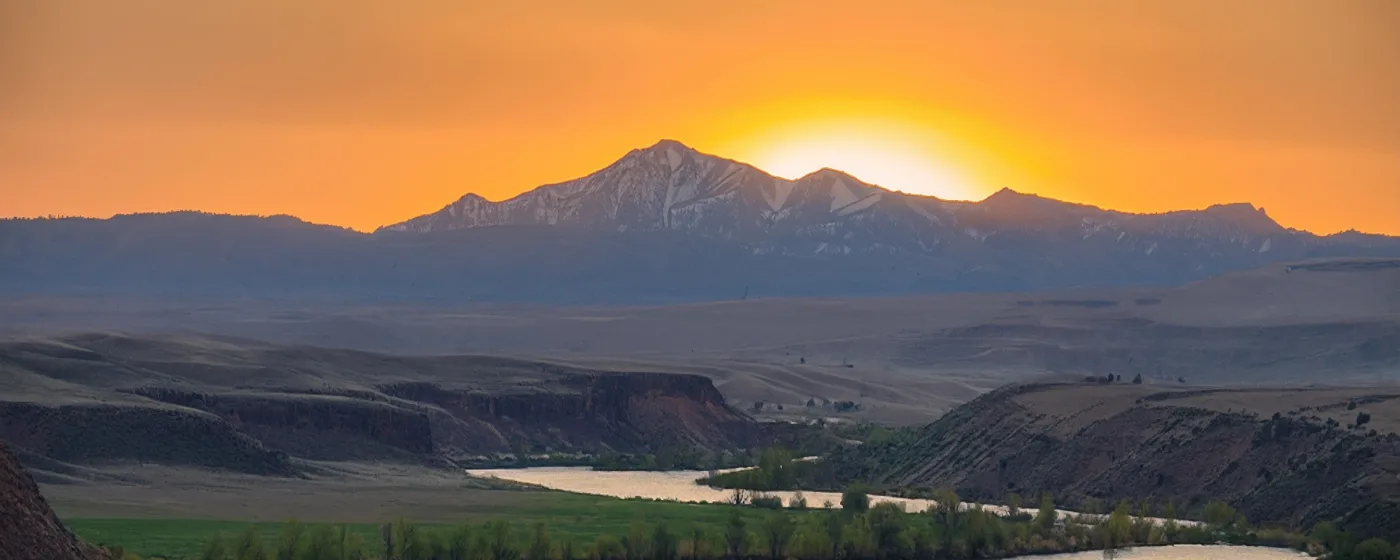
Move to Nampa and you'll quickly realize that the outdoors here aren't an afterthought — they're the whole point. A city of 125,000 people sitting at the edge of the Treasure Valley has something most metros its size don't: a federally managed wildlife refuge with a 9,000-acre lake practically inside city limits. Deer Flat National Wildlife Refuge is the anchor of outdoor life in Nampa, and it shapes everything from where people buy homes to how they spend their weekends from April through September.
Beyond the refuge, Nampa's Parks and Recreation Department maintains 27 parks and 14 miles of paved pathways threading through the city. The system ranges from Lakeview Park — the city's oldest, with 44-plus acres along the Garrity entrance — to newer paved corridors like the Wilson Pathway and Stoddard Pathway on the east side. Two municipal golf courses, a BMX pump track, spring-fed fishing ponds, and a seasonal water park round out what's available without leaving city limits.
What surprises most people after six months here is how much free outdoor access exists. Deer Flat's trails are open daily during daylight hours at no charge, Wilson Springs Ponds carries no day-use fee, and the paved pathway network is expanding under an active bicycle and pedestrian master plan. The catch — and it's worth knowing before you commit to a neighborhood — is that many of the best recreation areas are clustered in the southern and eastern parts of the city, so where you live determines how convenient any of this actually is.
Whether you're deciding between Nampa and a neighboring city or just figuring out what a weekend here looks like, the sections below cover the signature parks, the trail network, water recreation at Lake Lowell and beyond, and the seasonal rhythm of outdoor life across the year.
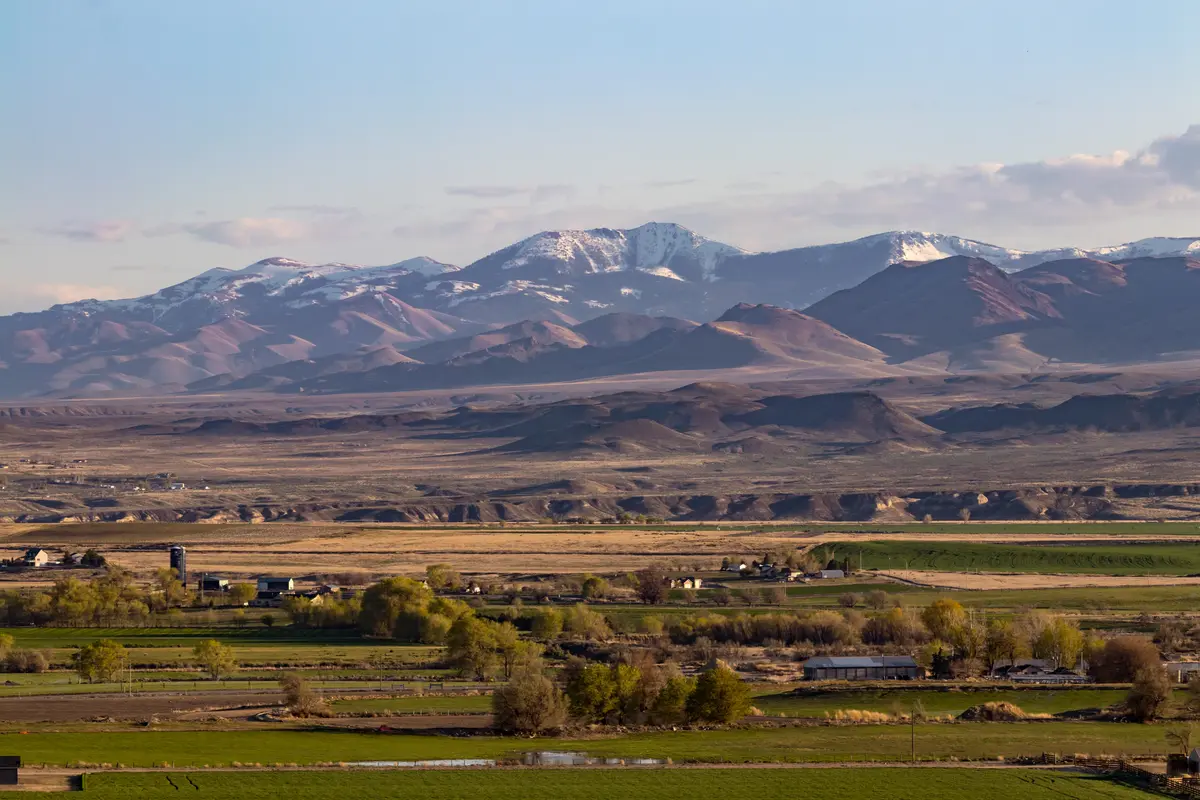
Deer Flat National Wildlife Refuge and Lake Lowell
No other feature defines outdoor life in Nampa the way Deer Flat does. The refuge covers more than 10,500 acres split between two distinct units: the Lake Lowell Unit south of the city, and the Snake River Islands Unit — more than 1,000 acres spread across 104 islands along 113 miles of river. Most locals think of Deer Flat simply as Lake Lowell, and that's where the action concentrates.
The Lake Lowell Unit
Lake Lowell itself spans nearly 9,000 acres, making it one of the largest bodies of water in southwest Idaho. The Lower Dam Recreation Area is the hub — picnic tables, a beach, boat ramps, and room to spread out. It runs April 15 through September 30, the same window when motorized and non-motorized boating is permitted on the lake. That seasonal calendar is something to plan around: the water goes quiet on October 1, and the refuge shifts into a different mode entirely.
Fishing is the year-round draw. The lake holds largemouth bass, smallmouth bass, crappie, bluegill, and catfish, and ice fishing is permitted in winters when conditions allow. Anglers who move here from wetter states are often caught off guard by how good the bass fishing gets by midsummer, when the shallows warm and the aquatic vegetation fills in along the southern shore.
More Than 10 Miles of Refuge Trails
The trail system inside Deer Flat stretches more than 10 miles, open daily during daylight hours at no cost. Birding is the activity that draws the widest range of visitors — the refuge sits along a major migratory flyway, and waterfowl numbers in fall can be genuinely staggering. Hunting is also permitted in season for pheasant, quail, ducks, and deer, which means certain sections of trail feel different from September through January than they do in spring and summer.
Wildlife photography and environmental education round out what the refuge offers. The U.S. Fish and Wildlife Service manages the site; their visitor programs are worth checking before your first visit if you're new to the refuge's layout and access points.
The Snake River Islands Unit
Fewer Nampa residents explore this unit regularly, but it's worth knowing it exists. Stretching 113 river miles along the Snake, the 104 islands offer a completely different experience from the lake — quieter, more remote, and more demanding to access. For kayakers and canoeists who want something beyond Lake Lowell, it's a legitimate option within reach of the city.
Lakeview Park and the City Park System
Lakeview Park sits right at the Garrity Boulevard entrance to Nampa, and it's been the city's gathering place since before most of the surrounding development existed. At more than 44 acres, it holds more amenities per square foot than any other park in the system.
What's Actually Inside the Park
The rose garden and amphitheater anchor the eastern section, while the western end hosts a seasonal water park that runs through summer — the kind of free or low-cost heat relief that matters in a valley where July temperatures routinely push past 95 degrees. There's an outdoor fitness center, two covered picnic shelters, playgrounds, and a StoryWalk® trail where picture-book pages are mounted along the path for young readers walking with their families.
The BMX and pump track is newer and draws a consistent crowd on weekday afternoons and weekend mornings. The 1.1-mile loop trail around the park is paved, open year-round, and flat enough that it gets heavy use from walkers and joggers who want a defined circuit without navigating a longer pathway.
Where Families Actually Gather
Lakeview Park on a Saturday morning in June is as close as Nampa gets to a town square moment. The Festival of the Arts runs here annually, as does the Zamzows Frisbee Fest. These aren't small events — they draw from across Canyon County and pull crowds that fill the parking along Garrity and spill into the neighborhood streets. If you're evaluating a home in West Nampa or the Downtown area, proximity to this park is a genuine lifestyle factor, not just a checkbox.
The Broader System
Beyond Lakeview, the 27-park system includes neighborhood parks scattered across all quadrants of the city, from smaller pocket parks in Centennial to Wilson Creek Park along the south-side pathway corridor. The distribution is reasonably even, but the largest and most amenity-rich parks tend to cluster near the older, western neighborhoods rather than the newer subdivisions pushing south and east.
| Park / Facility | Size / Scale | Signature Amenity | Open Year-Round? |
|---|---|---|---|
| Lakeview Park | 44+ acres | Seasonal water park, BMX/pump track, amphitheater | Park yes; water park seasonal |
| Deer Flat NWR (Lake Lowell Unit) | 10,500+ acres | 9,000-acre lake, boat ramps, beach | Trails yes; boating April 15–Sept 30 |
| Wilson Springs Ponds | 55 acres | Trophy Pond, stocked trout, no fee | Yes (dawn to dusk) |
| Wilson Creek Park | Along Wilson Drain corridor | Greenway access, pathway connection | Yes |
| Centennial Golf Course | 6,700 yards, par-72 | Convenient to I-84, municipal pricing | Yes (seasonal play) |
| RedHawk Golf Course | 18-hole championship | Views of Lake Lowell, opened 2014 | Yes (seasonal play) |
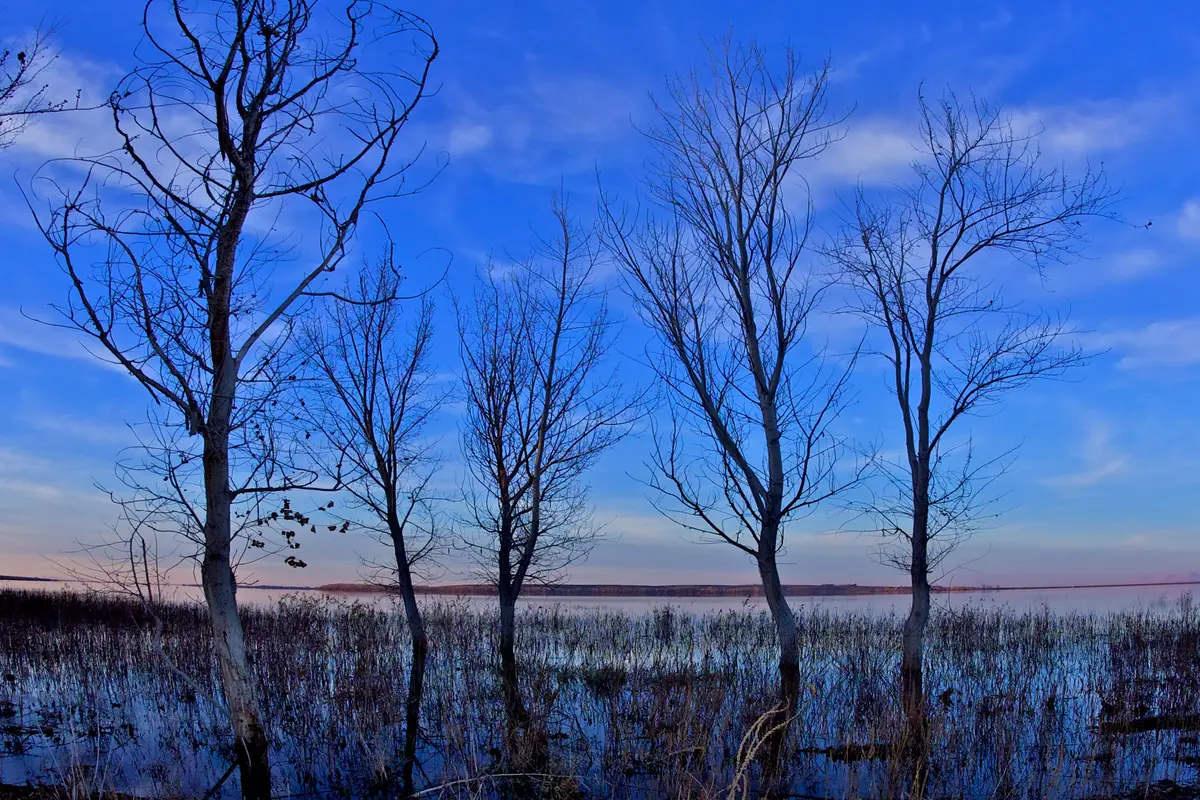
Trails, Pathways, and Getting Around Outdoors
Nampa's 14 miles of paved pathways aren't a single connected loop — they're a growing network of corridors, and understanding which ones exist (and how they connect) matters if trail access is part of why you're considering this city.
The Stoddard Pathway
The Stoddard Pathway is a 2.78-mile paved rail-trail on the east side of the city, running from E. Sherman Avenue south to the Ridenbaugh Canal. It's open to walkers, cyclists, inline skaters, and wheelchair users, with a parallel natural surface strip where equestrians are permitted. The flat grade and wide paving make it the most accessible multiuse trail in the system — it doesn't require fitness or experience, just showing up.
The rail-trail origins give it a straight-shot character that makes it genuinely useful as a commuter route, not just a recreational one. Cyclists who live in the neighborhoods east of downtown use it to reach work or run errands without touching a car. That utility is something newer greenways in the Treasure Valley often lack.
The Wilson Pathway
The Wilson Pathway runs 5 miles along the Wilson Drain — a water management canal that becomes a linear park once the pathway was built alongside it. It passes Wilson Creek Park, skirts Wilson Springs Ponds, and connects to the Stoddard Pathway at its eastern terminus. That connection matters: it means you can link the two corridors for a combined route approaching 8 miles of paved, car-free travel through the southern half of the city.
The Wilson Pathway also functions as a practical route between South Nampa and the east side, and residents in the Lake Lowell Estates and South Nampa neighborhoods use it regularly enough that it feels neighborhood-owned rather than just a civic amenity.
Lakeview Park Loop and Smaller Trails
The 1.1-mile loop at Lakeview Park is flat, well-lit, and heavily trafficked — it's the entry point for people who are just getting into walking or running and want a defined, safe circuit. Inside Deer Flat NWR, the 10-plus miles of trails offer more variety in terrain and setting, ranging from open shrub-steppe habitat near the lake to denser vegetation along the upper reaches of the refuge.
What the Network Still Lacks
Honest answer: connectivity between the western parks and the eastern pathway corridors is still incomplete. Lakeview Park does not have a paved trail link to the Wilson or Stoddard pathways — you'd drive between them. The bicycle and pedestrian master plan is designed to close these gaps over time, but if you're choosing a neighborhood partly on trail access, verify which specific pathways are within walking distance of the address you're considering.
Looking to buy in Nampa? Estimate your payment.
Enter your numbers to see an estimated monthly mortgage payment.
Estimate only. Excludes HOA fees and mortgage insurance. The interest rate above is a starting point, not a quoted rate — replace it with your own to see real numbers. Insurance is a flat placeholder, not a Nampa quote.
Water Recreation, Fishing, and Seasonal Highlights
Water shapes the recreational calendar in Nampa more than any other factor. The city sits in a high-desert valley where temperatures spike in July and August, and the three distinct water recreation options — Lake Lowell, Wilson Springs Ponds, and the Lakeview water park — each fill a different niche.
Wilson Springs Ponds: The Local Fishing Spot
Wilson Springs Ponds off Powerline Road at Locust Lane in South Nampa is a 55-acre complex of spring-fed ponds managed jointly by Canyon County Parks and Idaho Fish & Game. It's free, open dawn to dusk year-round, and stocked with rainbow trout by Idaho Fish & Game. The 4.4-acre Trophy Pond is the main draw for serious anglers — the daily trout bag limit is two fish, and bass and bluegill round out what you can pursue across the other ponds on the property.
This is where Nampa residents fish after work on a Tuesday. It's not a destination; it's a neighborhood asset. Families with kids who are learning to fish use it because the spring-fed water stays clear and the trout are reliably present. No boat ramp, no fee, no reservation required.
Lake Lowell: The Big-Water Experience
For boating, swimming, and serious fishing, Lake Lowell operates on a defined seasonal calendar — April 15 through September 30 for the Lower Dam Recreation Area and all on-water activity. The beach at the Lower Dam draws swimmers and picnickers throughout summer, and the boat ramps handle everything from kayaks to larger motorized vessels.
Bass fishing on Lake Lowell improves significantly as summer progresses. Anglers targeting largemouth tend to work the southern vegetation lines, while crappie and bluegill concentrate around the shallower structure. The lake's size means you can find uncrowded water even on a Saturday afternoon in July if you're willing to run away from the ramp.
Golf With a View
RedHawk Public Golf Course, which opened in July 2014, sits on terrain that looks out over Lake Lowell — it's one of the more distinctive settings for public golf in the Treasure Valley, and local golfers treat it as the more scenic of the two municipal options. Centennial Golf Course, at 6,700 yards and par-72, is the workhorse course: convenient to I-84, straightforward to get to from anywhere in the city, and consistently busy on weekend mornings from April through October.
The Seasonal Rhythm
Spring in Nampa starts at Deer Flat, where migratory birds arrive in enormous numbers along the flyway — birders who move here from the Pacific Northwest are often surprised by the scale of the waterfowl concentrations. Summer means the lake, the water park at Lakeview, and evening walks on the Wilson Pathway when the heat drops after 7 p.m. Fall shifts the energy to hunting season inside the refuge and fishing the Trophy Pond at Wilson Springs. Winter is quieter but not dead — ice fishing at Lake Lowell when conditions allow, and the paved pathways stay walkable most days since Nampa rarely sees the extended snow cover that limits trail access further north in Idaho.
| Activity | Where | Season / Access Window | Cost |
|---|---|---|---|
| Motorized boating | Lake Lowell (Lower Dam Ramp) | April 15 – September 30 | No refuge entry fee |
| Swimming / beach | Lower Dam Recreation Area | April 15 – September 30 | No fee |
| Bass, crappie, catfish fishing | Lake Lowell | Year-round | Idaho fishing license required |
| Stocked trout fishing | Wilson Springs Ponds | Year-round (dawn–dusk) | No day-use fee; license required |
| Ice fishing | Lake Lowell (when conditions allow) | Winter (variable) | No fee |
| Refuge hiking / birding | Deer Flat NWR (10+ miles of trails) | Daily, daylight hours | Free |
| Seasonal water park | Lakeview Park | Summer | Low / no cost (city-operated) |
| Public golf | RedHawk / Centennial courses | April – October (peak) | Municipal green fees |
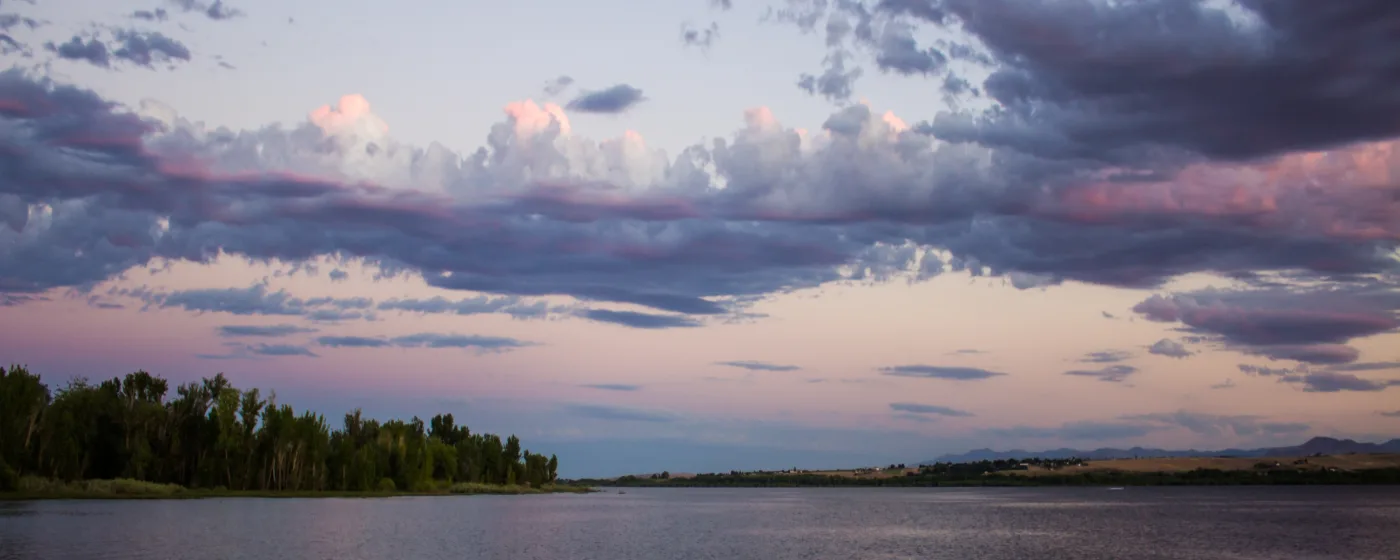
Local Expert Takeaway: The single most underrated thing about living in Nampa is what April 15 means here: Lake Lowell's boat ramps open, the Lower Dam beach comes back to life, and the Deer Flat refuge trails shift from a quiet birding spot to one of the busiest outdoor destinations in Canyon County — all within about five miles of downtown. Pair that with the year-round free access at Wilson Springs Ponds and 14 miles of paved pathways connecting the south side, and Nampa's outdoor life is genuinely more varied than the city's size or price point would suggest. The one thing to sort out before buying: the paved trail network doesn't yet connect the western parks to the eastern corridors, so if daily on-foot access matters to you, check which specific pathway runs through the neighborhood you're considering.
Quick Takeaways & FAQs
✅ Deer Flat National Wildlife Refuge gives Nampa residents free access to 10-plus miles of trails, a 9,000-acre lake, and one of Idaho's most productive bass fisheries — all within city limits.
⚠️ The paved pathway network is still growing, and there's no direct trail link between Lakeview Park on the west side and the Stoddard or Wilson pathways on the east side — driving between them is the current reality.
📍 Wilson Springs Ponds at Powerline Road and Locust Lane is a free, year-round fishing spot stocked by Idaho Fish & Game — the kind of tucked-away local asset that doesn't show up in city marketing but matters once you live here.
Is Lake Lowell open year-round for fishing and recreation?
Are there free parks and trails in Nampa?
Where do locals go fishing in Nampa?
What trails are available for biking and walking in Nampa?
Does Nampa have public golf courses?
Moving to Idaho?
Tell us what you need help with and we'll connect you with local resources.
