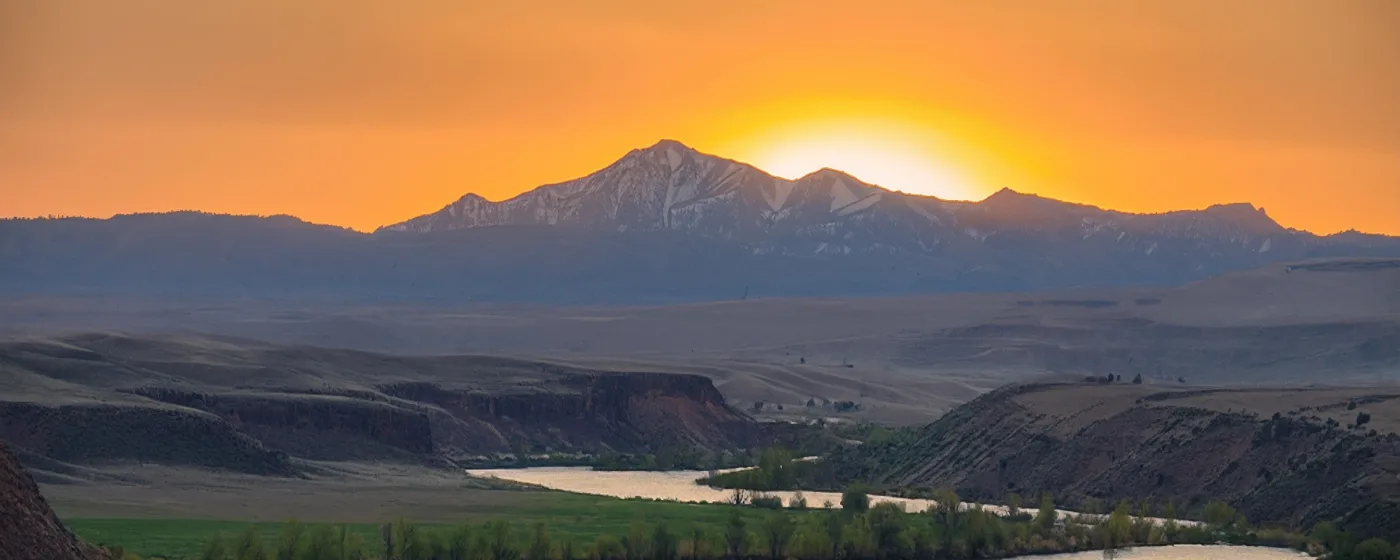
You've probably run the numbers twice. California's statewide median home sale price hit $843,390 in Q1 2026, and Nampa's Zillow Home Value Index sat at $390,832 as of May 2026. The spread between those two figures is what sends Bay Area and Southern California buyers loading up U-Hauls. But the math only tells you what you can afford. It doesn't tell you what you're trading your California life for: a mid-sized Treasure Valley city of 125,310 people that is simultaneously a blue-collar agricultural hub, a fast-growing bedroom community to Boise, and a place that has been discovered, hard, over the last five years.
Nampa is Canyon County's largest city, anchored by a mix of employers that look nothing like what most Californians left behind. Amazon runs a major fulfillment center here. A regional health system is one of the dominant employers in the area. Amalgamated Sugar and Plexus represent the manufacturing backbone that has always defined this part of the valley. The College of Western Idaho sits inside city limits, keeping the median age at a young 33.9 years. Nampa School District holds a C+ rating, according to Niche — a fact worth sitting with before you decide where in the Treasure Valley to land. Many California transplants who prioritize schools end up looking at neighboring Meridian instead, but they pay a premium for it.
The compromise Nampa offers is real and concrete: the cost of living runs noticeably below Boise and dramatically below California metros, with a 6.0% flat sales tax, no local add-ons, and an effective property tax rate of just 0.57% — less than half of what newly purchased California homes typically carry after Proposition 13 reassessment resets the clock. Day-to-day life revolves around the Deer Flat National Wildlife Refuge along Lake Lowell, the Ford Idaho Center arena on the north side of town, weekend runs along Wilson Springs Ponds, and a downtown strip that has more momentum now than it did ten years ago — though it is still a downtown in progress, not a finished product. Boise is roughly 25 minutes east on I-84.
Whether you're shipping your belongings or just stress-testing the idea, the sections below walk through Nampa's tax picture versus California's, what the housing market actually looks like on arrival, the cultural and lifestyle shifts that catch people off guard, the neighborhoods worth understanding, and the honest reasons some Californians eventually move on.
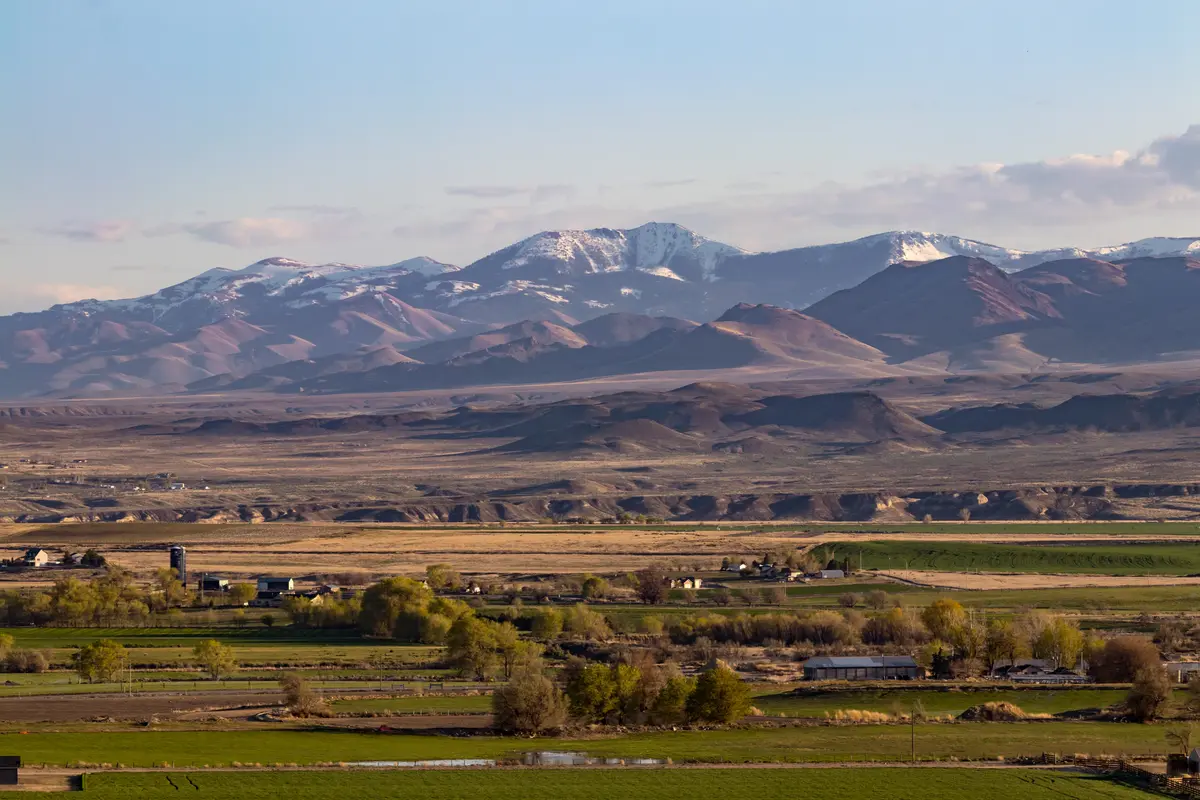
The Tax Comparison: Idaho vs. California by the Numbers
For most Californians, the tax picture is the first thing that needs decoding — and it is more nuanced than the headline suggests.
State Income Tax
Idaho levies a flat 5.3% state income tax on all taxable income, effective January 1, 2025, under HB 40, unchanged for 2026. California's top marginal rate reaches 13.3%, though what actually matters for most working households is the effective rate — and for middle-income earners, California's graduated structure typically lands somewhere between 6% and 10% on earned income alone.
The number most Californians miss is the State Disability Insurance (SDI) surcharge. California charges wage earners 1.3% of every dollar earned in 2026, with no wage cap, stacked on top of income tax. Idaho has no equivalent. For a household earning $120,000, that SDI line alone adds roughly $1,560 annually — gone in Idaho.
Property Tax
Nampa's effective property tax rate is 0.57%. California's effective rate for recently purchased homes routinely exceeds 1.1% once Proposition 13 reassessment resets the assessed value to today's purchase price — meaning a buyer who purchases at the California median gets assessed at market value from day one.
| Tax Category | Nampa, Idaho | California (Typical) |
|---|---|---|
| State income tax (flat / top marginal) | 5.3% flat | Up to 13.3% (graduated) |
| State Disability Insurance (SDI) | None | 1.3% of all wages, no cap |
| Effective property tax rate | 0.57% | 1.1%+ on new purchase |
| Combined sales tax rate | 6.0% (state only) | 7.25–10.75% (state + local) |
| Grocery sales tax | 6.0% (with ~$120/person annual credit) | Exempt (most groceries) |
| Local income / payroll surtax | None | Varies by city; San Francisco adds 1.5% |
One area where California has an edge: groceries are largely exempt from sales tax there. Idaho taxes them at 6.0%, though the state offers an annual credit of approximately $120 per person to offset the cost — a partial cushion, not a full one.
The Practical Net Effect
For a dual-income household earning $150,000 combined and purchasing at or near Nampa's typical price point, the annual property tax burden runs meaningfully lower than what the same household would pay in California. The income tax savings depend heavily on which California bracket you were in — high earners save substantially; median earners save less but still come out ahead when SDI is included in the calculation.
Housing: What Your California Equity Actually Buys Here
Arriving with California equity is genuinely transformative in this market. Nampa's typical home value sits at $390,832 (Zillow Home Value Index, May 2026). For context, that is the kind of number that reads as a down payment in much of coastal California.
What the Price Difference Means in Practice
A buyer selling a median-priced California home and moving to Nampa often arrives with enough equity to purchase outright or with a very modest loan. That reality is not hypothetical — it is the engine behind much of Nampa's 16.8% population growth between 2020 and 2024, which landed the city 91st on the Census Bureau's list of the 100 fastest-growing cities in that period.
What $390,000 gets you here is a three-bedroom, two-bath home on a real lot — not a townhouse, not a condo, not a fixer that needs $150,000 in work. For a full breakdown of what different price points deliver by area, the neighborhoods guide has the specifics.
What to Know Before You Make an Offer
Nampa moves faster than most California transplants expect at these price points. Multiple-offer situations on clean, move-in-ready inventory remain common. Coming in pre-approved and with a defined target area is not optional.
Nampa is also actively building. The city projects a need for 16,940 additional housing units by 2040, with most of that growth planned in the southwest quadrant — currently undeveloped land being brought into the city's area of impact. New construction there offers lower entry prices but longer commutes to Boise and fewer established amenities. If you want the established street grid and mature trees, that is a west or downtown trade-off worth understanding before you tour. See the first-time homebuyer page for loan program guidance specific to Idaho buyers.
The Catch Californians Don't See Coming
Appreciation here has been aggressive. Buyers who arrived in 2019 expecting permanently cheap housing found that Nampa tracked some of the fastest price growth in the country through 2021–2022. The market has moderated since, but the days of $220,000 starter homes are not coming back. You are buying at a significant discount to California — that part is real. You are not buying into a static market.

Culture Shock: What Actually Catches Californians Off Guard
The tax savings are easy to model. The cultural shift is harder to prepare for, and most people underestimate it until month four.
The Political Climate Is Different — Noticeably
Idaho is one of the most reliably Republican states in the country, and Canyon County runs redder than Ada County (Boise). If you are moving from the Bay Area or coastal Southern California, you will encounter a political environment that is not just different in degree but in texture — at school board meetings, at community events, in casual conversation with neighbors. That is not a judgment either direction; it is just something to process before the moving truck arrives.
The Pace Is Not Slower — It Is Different
Nampa does not have the density or the curation of a California coastal city. There is no Trader Joe's in Nampa — the nearest one is in Boise. The restaurant scene has improved meaningfully, with independent options downtown and along the main commercial corridors, but the range is narrower than what most Bay Area or San Diego residents are used to. The walkable dinner-and-drinks experience that feels normal in San Diego or Sacramento requires driving here.
Outdoor Access Is Genuine, Not Marketing
The Deer Flat National Wildlife Refuge wrapping around Lake Lowell is not a small urban park — it is nearly 11,000 acres of migratory bird habitat ten minutes from downtown. Wilson Springs Ponds offers a more casual walk-the-dog option closer in. The Treasure Valley's access to ski areas, river floats, and high desert camping is real and within a reasonable drive. For Californians accustomed to Big Bear or Tahoe traffic, the lack of weekend gridlock heading toward outdoor recreation is one of the first things that genuinely surprises people. More on specifics at the parks and recreation page.
What Locals Know That the Listings Don't Say
I-84 through downtown Nampa at the Karcher Road interchange backs up hard between 5:00 and 6:00 p.m. on weekdays — not California hard, but hard enough to be annoying if you are commuting to a job on the east side of Boise. The back-road alternative is Farmway Road or Midland Boulevard depending on your destination, which can shave meaningful time when the freeway is stacked. Ask any local who works in Boise and they will tell you the same thing.
The other thing six-month residents mention: Nampa summers are hotter and drier than most Californians from coastal areas expect. Triple-digit days happen. The high desert climate means low humidity, which helps, but the Valley floor in July and August is genuinely hot — closer to Sacramento's summer reality than San Francisco's.
Looking to buy in Nampa? Estimate your payment.
Enter your numbers to see an estimated monthly mortgage payment.
Estimate only. Excludes HOA fees and mortgage insurance. The interest rate above is a starting point, not a quoted rate — replace it with your own to see real numbers. Insurance is a flat placeholder, not a Nampa quote.
Who Moves Here from California — and Who Moves Back
Canyon County and its neighbors absorbed roughly 109,000 new residents between 2020 and 2025 — about 60% of Idaho's total population growth in that window. A substantial portion came from California. The pattern is identifiable enough that locals have opinions about it, ranging from warm to complicated.
Who Tends to Stay
Families with younger children who prioritize space, a yard, and lower housing costs over school district rating tend to adapt quickly. Remote workers who locked in California salaries and can keep them here are in an objectively strong financial position — Idaho income taxes are meaningful but not punishing, and the equity arbitrage on housing is real. Trades workers and logistics employees find Nampa's job market accessible in a way that Boise's increasingly expensive housing stock makes harder.
The median age here is 33.9 years, and the city genuinely skews young. If you are raising kids in that age range, you will find peers. For more on what daily life looks like for different buyer profiles, the living-in-Nampa guide goes deeper.
Who Tends to Move On
The honest answer: people who moved primarily for the price difference and did not fully account for what they were leaving. The cultural gap between coastal California and Canyon County is real and persistent. People who expected Nampa to feel like a cheaper version of their California city often find that the comparison does not hold — Nampa is its own thing, shaped by agriculture, manufacturing, and a western Idaho identity that predates the migration wave by decades.
Single professionals who want a dense, walkable social scene sometimes find Nampa limiting and end up gravitating toward livelier parts of Boise instead. Families who prioritize school performance frequently end up in Meridian once their kids hit middle school age. And buyers who purchased in outer new-construction zones for the lower entry price sometimes underestimate how far that actually puts them from the things they use daily.
The Safety Picture in Plain Terms
Nampa's violent crime rate runs at 3.6 per 1,000 residents and property crime at 8 per 1,000 — figures that are worth understanding by neighborhood before you make an offer. The full breakdown is on the safety page. West Nampa and the areas around Lake Lowell generally read differently than some of the older commercial corridors closer to downtown.
Practical Logistics: The First 90 Days After You Arrive
Getting the administrative side of a California-to-Idaho move right is less glamorous than choosing a neighborhood — and more consequential than most people expect.
Driver's License and Vehicle Registration
Idaho requires new residents to transfer their driver's license within 90 days of establishing residency. Vehicle registration must also be transferred, and Idaho does not have a smog check requirement — a relief for anyone who has nursed an older California car through a biennial inspection. Canyon County vehicle registration costs are generally lower than what California charges for the same vehicle.
Establishing Idaho Residency for Tax Purposes
California's state tax authority is aggressive about auditing former residents who claim to have moved but maintain California ties. If you are leaving a California employer, keeping California investment accounts, or maintaining any California property, document your Idaho residency carefully from day one — utility bills, Idaho voter registration, Idaho driver's license, and a physical presence log if you are still doing any California work. This is not hypothetical: California routinely pursues high-income movers who did not make a clean break. A CPA familiar with Idaho and California dual-residency situations is worth the consult fee.
Schools — Know Before You Enroll
The Nampa School District serves 12,364 students across K–12 as of 2024–2025, with 56% from low-income families and 41.2% Hispanic or Latino enrollment. That number reflects real resource constraints and achievement gaps — it is not simply a matter of optics. Families with strong school preferences should look at the individual school performance data carefully; outcomes vary within the district. The schools page has the campus-by-campus breakdown worth reading before you choose a neighborhood.
Where Families Actually Land on Weekends
The honest gathering spots for families in Nampa are Lakeview Park on the south shore of Lake Lowell on summer evenings, the Warhawk Air Museum for a Saturday morning with kids who have any interest in aviation history, and the farmers markets that run seasonally near the downtown depot area. The Nampa Train Depot Museum anchors a small but genuine stretch of downtown that has seen real investment. None of it is a finished urban core, but it is more than the drive-through strip-mall experience the city's reputation sometimes suggests.
The Bottom Line on Timing
Spring (March through May) is the most competitive buying window in Nampa — inventory moves fastest, and California buyers arriving with cash or large down payments compete against each other directly. If your timeline allows, late summer and fall often surface better negotiating conditions. That said, waiting for a slow market in a city growing at Nampa's pace carries its own risk. The southwest expansion is already underway, and the city's trajectory over the next decade points in one direction.

Local Expert Takeaway: Nampa is not a California suburb that happens to be in Idaho — it is a working western city that has been discovered by people fleeing coastal prices, and the seams of that transition are visible everywhere. The tax math is genuinely favorable: Idaho's flat 5.3% income tax, 0.57% effective property tax rate, and 6.0% flat sales tax all run well below what California charges. The housing spread is real and significant. But the buyers who thrive here are the ones who moved toward something — outdoor access at Lake Lowell and Deer Flat, a community young enough to feel energetic, proximity to Boise without Boise prices — not just away from a California mortgage. If your honest reason for moving is the number on the listing, give yourself an honest six months before you decide whether the rest of Nampa fits.
Quick Takeaways & FAQs
✅ Nampa's effective property tax rate of 0.57% is roughly half of what newly purchased California homes typically carry after Proposition 13 reassessment resets assessed value to market price.
⚠️ The school district's rating is the most common reason California transplants with school-age children eventually pivot to neighboring Meridian — and Meridian's prices reflect that demand.
📍 The Karcher Road interchange on I-84 backs up noticeably between 5:00 and 6:00 p.m. on weekdays; Farmway Road or Midland Boulevard are the local commuter alternatives worth mapping before your first week.
Is it worth moving from California to Nampa just for the housing prices?
How does Idaho income tax compare to California for a typical household?
Will California's state tax authority still try to tax me after I move to Nampa?
What is the school situation in Nampa for families moving from California?
How does Nampa's sales tax compare to California?
Moving to Idaho?
Tell us what you need help with and we'll connect you with local resources.
