
Maybe you've been priced out of Boise proper and someone mentioned Garden City as the smarter move. Maybe you already know the Boise River Greenbelt and want to live a few hundred feet from it rather than drive to it. Either way, Garden City tends to surprise people — not because it hides its charms, but because most retirees shopping the Treasure Valley never think to look at a 12,000-person city wedged between Boise and Eagle that technically has its own zip code, its own mayor, and its own growing identity. Positioned along the Boise River just minutes west of downtown Boise via State Street, it sits at the intersection of two things retirees increasingly want: outdoor access they can use on foot, and a price point that doesn't require liquidating the 401(k) on day one.
The city's backbone is an arts-and-hospitality economy — craft breweries along Chinden Boulevard, galleries and studios in the Surel Mitchell Live-Work-Create District, events at Expo Idaho — but that creative DNA matters to retirees because it shapes the social fabric. This is not a retirement community behind a gate; it's a working, walkable neighborhood where people of all ages mix, and where the pace feels distinctly more human than the sprawling subdivisions of Meridian. The citywide median home price sits meaningfully below comparable Boise addresses, and that gap is why many downsizers end up here with equity to spare — see the Garden City cost of living breakdown for the current figures and rent comparisons.
Idaho's tax posture toward retirees is genuinely favorable — Social Security is fully exempt from state income tax, property tax rates are among the lowest in the region, and the state has no estate or inheritance tax for the vast majority of estates. Daily life in Garden City benefits from that foundation: groceries, restaurants, and services are priced for real people, not for transplants from coastal markets. The Boise River Greenbelt's 46.1-mile paved trail runs directly through the city and is flat, paved, wheelchair-accessible, and genuinely usable year-round for anyone who can walk or ride.
Whether you're narrowing your list to Garden City specifically or comparing it against Boise, Eagle, and Meridian, the sections below cover healthcare access, the retiree tax picture, walkability and community life, downsizing options, and an honest side-by-side with nearby retirement destinations.
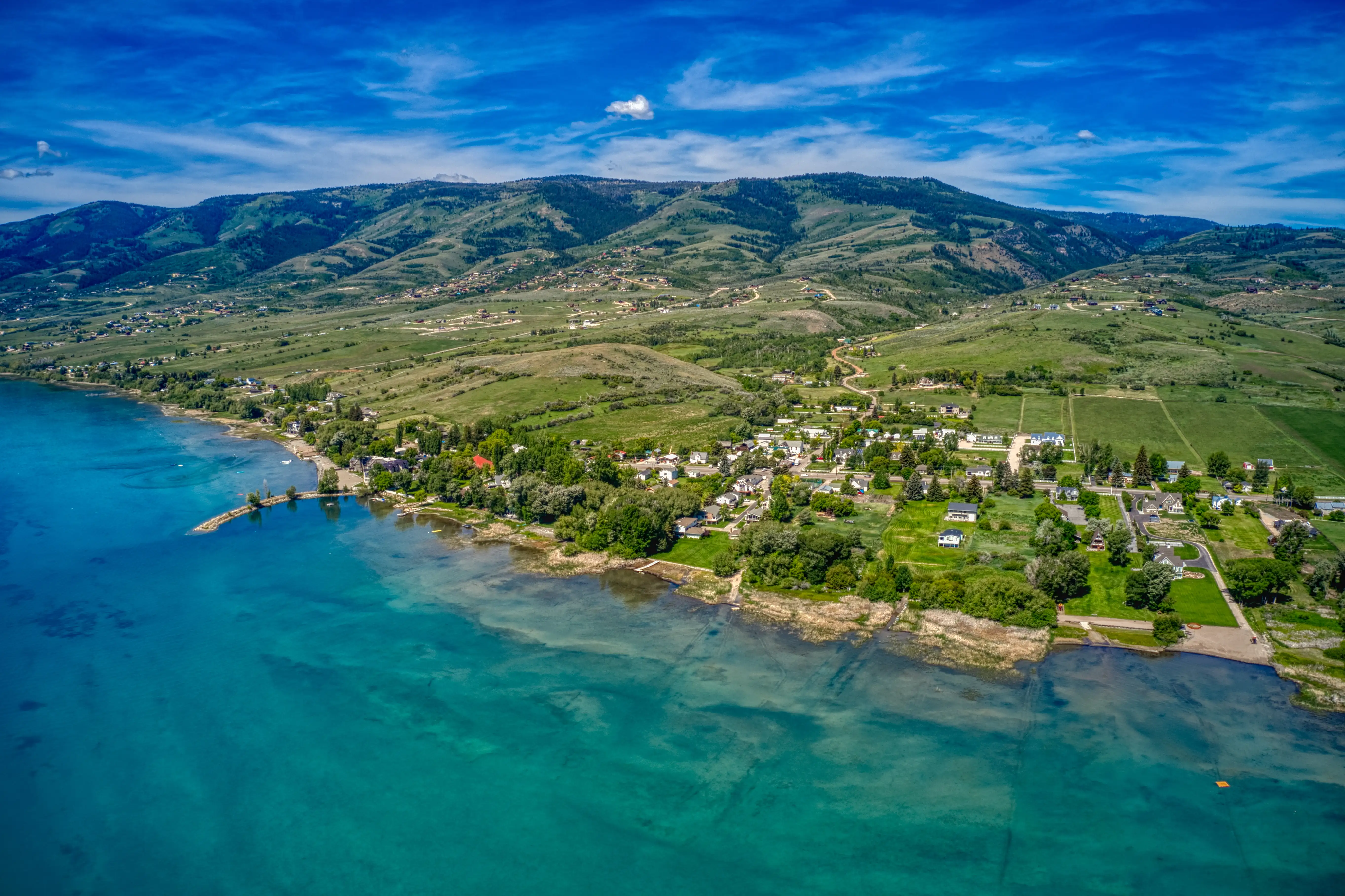
Why Retirees Are Choosing Garden City
Garden City fits a specific kind of retiree well: someone who wants proximity to a real city without paying full Boise prices, values walkable outdoor access over manicured amenity clubs, and doesn't need a dedicated 55+ community to feel at home. The price point here is a genuine advantage over much of the Treasure Valley — enough of a gap that downsizers frequently arrive with equity to spare after selling a larger home elsewhere.
The Boise River Greenbelt is the single biggest pull. Running directly through the city, it gives retirees immediate access to one of the most usable urban trails in the Mountain West — flat, paved, wheelchair-friendly, and connected to parks, fishing spots, and the entire Treasure Valley trail network. Proximity to downtown Boise (five minutes by car, roughly 20 minutes by bike on the Greenbelt) means world-class medical care, performing arts, and airport access are never far.
Garden City is a poor fit for retirees who want suburban quiet, HOA-managed landscaping, and a neighborhood that feels purpose-built for their demographic. Most of the residential fabric is older single-family housing stock mixed with newer infill. The city has no large gated active-adult community, and Chinden Boulevard is a working commercial arterial — not a scenic main street. Retirees who need a full suite of senior services on-site, or who are uncomfortable in a more eclectic, arts-adjacent environment, will likely find Eagle or a purpose-built community in Meridian a better match. For everyone else, Garden City offers a genuinely livable retirement at a price the rest of the Treasure Valley can't quite match.
Healthcare & Medical Access in Garden City
Saint Alphonsus: The Anchor Facility
Saint Alphonsus Regional Medical Center is the closest major hospital to Garden City, located at 1055 N. Curtis Road in Boise — roughly a five-minute drive from most Garden City addresses. It is a 381-bed non-profit acute-care facility with a full suite of specialties that matter most to retirees: emergency medicine, cardiology, oncology, orthopedics, neurology, and a comprehensive surgical program. For a city of Garden City's size, having a facility of this depth within a single traffic light's distance is a genuine advantage.
Specialist Access and the Boise Medical Ecosystem
Beyond Saint Alphonsus, Boise's broader medical ecosystem gives Garden City retirees access to specialty care that most similarly sized cities simply don't have nearby. St. Luke's Health System operates multiple facilities throughout Ada County, including a major regional medical center in Boise, providing competitive redundancy — meaning if your specialist or preferred system is St. Luke's rather than Saint Alphonsus, you're equally well-positioned from Garden City.
Primary care clinics, urgent care centers, and specialist offices line the Chinden Boulevard and State Street corridors within or adjacent to Garden City itself. You are unlikely to travel more than a few minutes for routine appointments.
The Honest Distance-to-Advanced-Care Reality
Advanced subspecialty care — organ transplant programs, Level I trauma, certain cancer treatment protocols — is concentrated in Boise proper, which is still minutes away. For most retirees, that distance is entirely manageable. The one genuine gap worth naming: if your health plan is structured around a rural critical-access hospital system, Garden City's urban adjacency may actually create coverage complexity rather than solve it. Confirm your Medicare Advantage or supplemental plan's network before committing.
Air medical transport to tertiary centers in Salt Lake City or Seattle exists for true emergencies, but in practice, Saint Alphonsus handles the overwhelming majority of acute cardiac, stroke, and trauma cases that would otherwise require transfer. For retirees whose primary healthcare concern is having a serious hospital close — not just a clinic — Garden City delivers.
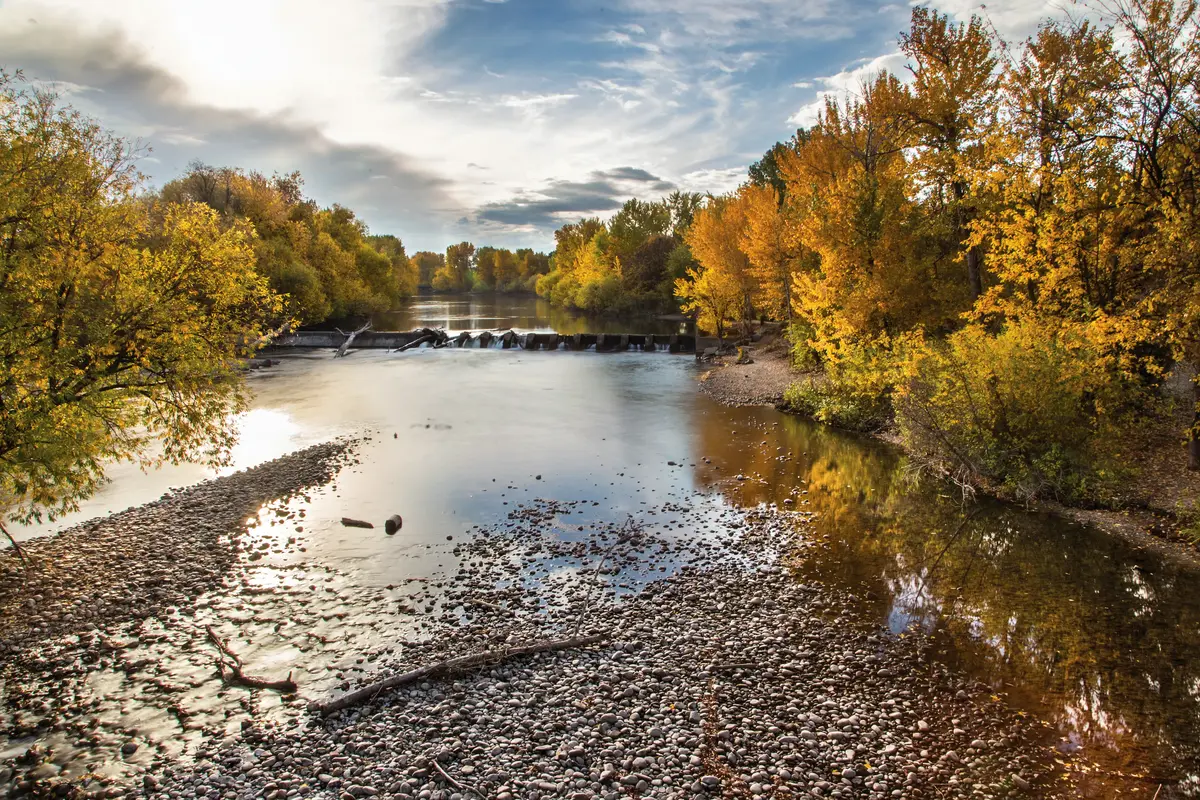
The Retiree Budget in Garden City
Idaho's Tax Posture for Retirees
Social Security benefits are fully exempt from Idaho state income tax, with no income threshold or phase-out — meaning a retiree living primarily on Social Security pays zero Idaho income tax on that income regardless of how large the benefit is. That exemption, combined with Idaho's flat 5.3% rate on all other income, makes the state's tax treatment genuinely competitive for retirees whose income skews toward Social Security.
The catch is real: private pensions, IRA withdrawals, and 401(k) distributions are taxed at the full 5.3% flat rate with no senior-specific carve-out. Idaho does not offer a broad retirement income deduction. If a meaningful share of your monthly income comes from pre-tax retirement accounts rather than Social Security, the 5.3% rate applies to every dollar of it. Roth conversion planning before you move — or shortly after — is worth a conversation with a tax advisor.
Property Taxes: Low Rate, Real Relief Programs
Garden City's effective property tax rate sits at approximately 0.52%, which is low by national standards and lower than most Idaho municipalities outside of rural counties. The state's Homeowner's Exemption reduces the assessed value of your primary residence by 50%, up to a maximum of $125,000 — a meaningful reduction on a sub-$500,000 home.
For lower-income retirees, Idaho's Circuit Breaker program offers an additional property tax reduction of $250 to $1,500 for qualifying homeowners aged 65 and older with 2025 income under $39,130. That's a relatively tight income ceiling, but for retirees living primarily on Social Security, it may apply.
Estate Planning and Daily Costs
Idaho has no estate or inheritance tax at the state level. The state's threshold mirrors the federal exemption — approximately $15 million in 2026 — meaning the vast majority of retirees' estates will face no Idaho estate tax burden. This matters most to those transferring real property or investment accounts to heirs.
Daily costs in Garden City track closely with the broader Boise metro: groceries, dining, and services are priced below most major West Coast metros but are not the bargain they once were. The Chinden corridor gives residents access to major grocery chains and big-box retail without leaving the immediate area. For the full picture on rent, utilities, and day-to-day spending, see the Garden City cost of living page.
Looking to buy in Garden City? Estimate your payment.
Enter your numbers to see an estimated monthly mortgage payment.
Estimate only. Excludes HOA fees and mortgage insurance. The interest rate above is a starting point, not a quoted rate — replace it with your own to see real numbers. Insurance is a flat placeholder, not a Garden City quote.
Walkability, Community & Staying Active in Garden City
The Greenbelt Reality
The 46.1-mile Boise River Greenbelt is paved, flat, and runs directly through Garden City on both the north and south banks of the Boise River. The city completed the south-side Greenbelt segment between 44th and 49th Streets in 2007 and added a north-side bike path in 2008 — meaning Garden City residents have genuinely good on-foot and on-bike access to the entire trail system. The path is wheelchair-accessible and used year-round by walkers, cyclists, and anglers. On a weekday morning, it is one of the more pleasant places to spend an hour in the entire metro.
That said, walkability for errands — the grocery run, the pharmacy trip, the coffee stop — is moderate and concentrated near the Greenbelt corridor and the Surel Mitchell District. Most of Garden City still requires a car for daily tasks. This is not a city where you park the car permanently; it is a city where you walk or ride for exercise and recreation, then drive for everything else.
Community Life and Social Infrastructure
Garden City does not have a dedicated senior center within its own city limits, but Boise's senior programs — including the Boise Senior Center — are minutes away and accessible to Garden City residents. The arts community centered around Surel's Place and the Visual Arts Collective provides genuine social infrastructure for retirees who want to engage creatively rather than recreationally. Opening receptions, artist talks, and studio events happen regularly and skew toward a mixed-age, curious crowd.
The brewery and taproom scene along Chinden Boulevard and 33rd Street functions as a de facto community gathering space for retirees willing to embrace it. Independent taprooms and brewpubs in the corridor draw regulars crowds for barrel-aged releases and weekend food events — the kind of neighborhood spots that become a weekly Friday destination for locals who discover them early.
What Locals Know After Six Months
What surprises most retirees after half a year here is how quickly the Greenbelt becomes the organizing principle of daily life — not just exercise, but social encounters, seasonal rhythms, and the mental geography of the city. The people you recognize from the trail become the people you wave to at the farmers market. It is a slower, more accidental community than anything a planned 55+ development can engineer, but for a certain kind of retiree, it is exactly what they were looking for.
Right-Sizing: Downsizing in Garden City
What the Housing Stock Actually Looks Like
Garden City's housing inventory skews toward older single-family homes, smaller bungalows, and a growing number of newer infill townhomes and condos near the river. Purpose-built 55+ or active-adult communities as a category — the kind with a clubhouse, pickleball courts, and a waiting list — do not exist within Garden City's borders in meaningful numbers. If that is what you are looking for, Eagle's growing active-adult developments and Meridian's larger senior living portfolio are better starting points.
What Garden City does offer is an increasing number of single-level or low-step homes in the Garden City Core and Chinden Corridor that suit retirees downsizing from a larger suburban house. Older ranch-style construction is common, which means single-floor living without the premium of a new build. Newer townhome and condo projects near the Greenbelt have been delivering more lock-and-leave options, and the planned mixed-use development on approximately 34 acres near the Waterfront District — approved for zoning up to 72 feet — will add a meaningful supply of walkable, lower-maintenance housing options over the next several years.
The Downsizing Math
Garden City's effective property tax rate of approximately 0.52% keeps ongoing carrying costs low relative to most metros — a meaningful factor on a fixed income. A retiree selling a larger home in Boise proper or an out-of-state market with appreciation can often arrive here with a paid-off or near-paid-off smaller home, with the tax structure working in their favor from day one.
The honest gap: condo and townhome inventory in Garden City turns over slowly, and purpose-built senior living with on-site services (memory care, assisted living, independent living communities) requires looking to Boise, Eagle, or Meridian. Garden City is a strong fit for the independent retiree downsizing to a smaller home with low maintenance — it is not a fit for anyone whose retirement plan includes transitioning to on-site care within the city limits.
What to Watch
The Waterfront District development trajectory is worth tracking if you are not moving for another two to three years. New walkable, river-adjacent housing near the Greenbelt could meaningfully expand the downsizing inventory in a part of town that currently has very little purpose-built density. Buyers who move now are ahead of that supply curve; buyers who wait may have more options but will pay the premium that follows completed development.
Garden City vs Nearby Retirement Destinations
| City | Cost vs Garden City | Primary Hospital | Walkability | Senior Living Depth | Overall Retirement Fit |
|---|---|---|---|---|---|
| Garden City | Anchor | Saint Alphonsus (5 min) | Moderate; Greenbelt-centered | Limited on-site; independent living focus | Nature Walkable Strong for active independents |
| Boise | Noticeably pricier | Saint Alphonsus + St. Luke's (in-city) | Higher near North End and downtown | Good; multiple assisted and independent options | Transit Amenities Best all-around but costs more |
| Eagle | Pricier to significantly pricier | St. Luke's Eagle (nearby) | Lower; car-dependent in most areas | Growing 55+ and active-adult inventory | Quiet Suburban Best for planned active-adult communities |
| Meridian | About the same to slightly pricier | St. Luke's Meridian (full campus) | Low; suburban grid | Strong; largest senior living portfolio in the metro | Services Best for on-site care and senior amenities |
| Nampa | Noticeably cheaper | Saint Alphonsus Nampa (30 min to Boise main) | Low overall | Moderate; some independent and assisted options | Value Best for retirees prioritizing affordability |
| Caldwell | Cheapest in the metro | West Valley Medical Center (in-city) | Low | Limited | Value Budget-first; trade-offs in amenities and access |
* Cost comparisons are qualitative and relative to Garden City's citywide market benchmark.
Boise beats Garden City on walkability in its denser neighborhoods and on senior living depth, but you pay a meaningful premium for the address. Eagle is the call if a purpose-built active-adult community with pickleball courts and a clubhouse is the actual priority — that inventory exists in Eagle in a way it simply doesn't in Garden City. Meridian wins on the widest selection of on-site senior care, from independent living through memory care, which matters if you're planning for a housing transition in the next decade. Nampa and Caldwell are the value play for retirees whose budget is the binding constraint — healthcare access is acceptable, but the amenity and walkability gap versus Garden City is real. Garden City itself is the right answer for the retiree who wants to walk the Greenbelt in the morning, catch a gallery opening in the evening, and not spend Boise prices to do it.
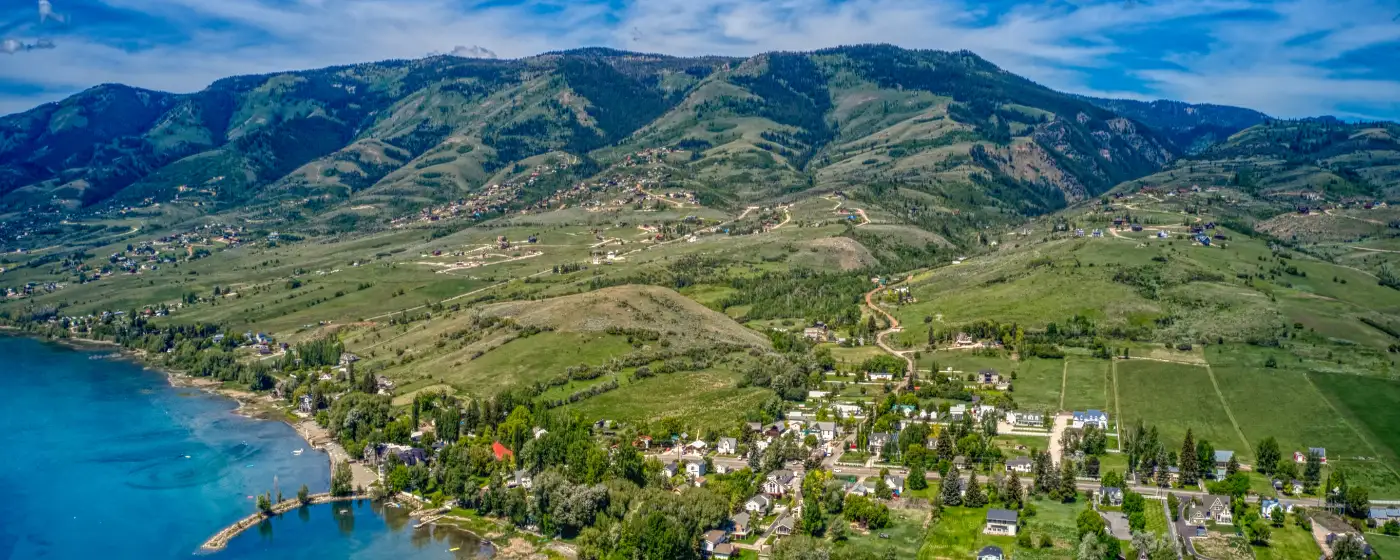
Local Expert Takeaway: Garden City is the retirement choice that rewards people who don't need to be told where to go or what to join. The Boise River Greenbelt organizes daily life here more than any senior center could — walk it at 7am and you'll see the same faces three days later. Saint Alphonsus Regional Medical Center is close enough that advanced cardiac care is a five-minute drive, not a life-flight question. The property tax rate of approximately 0.52% and Idaho's full Social Security exemption keep fixed-income budgets intact in a way that coastal markets simply can't match. What you give up is the purpose-built infrastructure of a 55+ community — there's no on-site dining room, no shuttle to appointments, no waiting list for a garden plot. What you get is a real town with a river running through it and Boise's full medical and cultural ecosystem available without the Boise price tag.
Quick Takeaways & FAQs
✅ Idaho fully exempts Social Security from state income tax and Garden City's effective property tax rate of approximately 0.52% keeps fixed costs low — a genuinely retiree-friendly combination.
⚠️ Garden City has no purpose-built 55+ or active-adult community within its borders; retirees who want on-site amenities or managed care need to look to Eagle or Meridian instead.
📍 Saint Alphonsus Regional Medical Center — a 381-bed acute-care facility with cardiology, oncology, and neurology — is roughly a five-minute drive from most Garden City addresses, a rare advantage for a city this size.
Is Social Security taxed in Idaho for Garden City retirees?
How close is a major hospital to Garden City?
Are there 55+ or active-adult communities in Garden City?
What property tax relief programs are available to Garden City retirees?
Is Garden City walkable enough for a car-free retirement?
Moving to Idaho?
Tell us what you need help with and we'll connect you with local resources.
