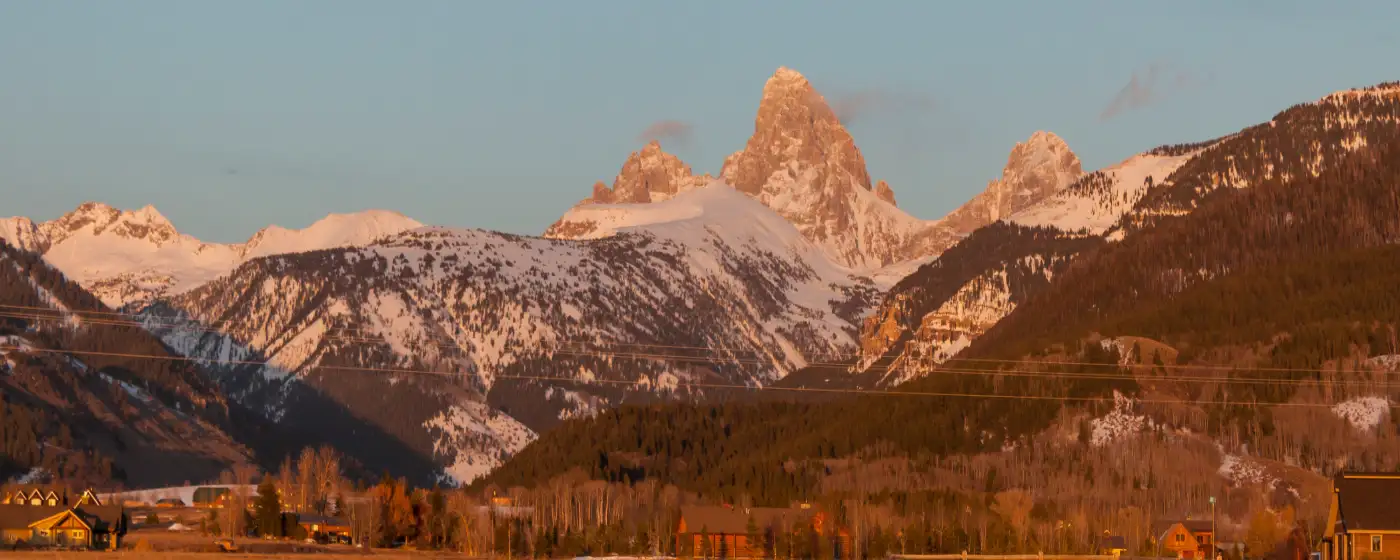
If you've spent any time looking at Driggs from the outside, you've probably already done the mental math: small town, mountain setting, tight-knit community. But the question people actually ask before they decide to put down roots here isn't about the scenery — it's whether the place is genuinely safe to live. The honest answer is yes, and the numbers back it up. Driggs sits in Teton County, Idaho, accessed via State Highway 33 from the south or Teton Pass from Wyoming, and what drives daily life here isn't crime — it's the rhythm of a resort-economy town where ski season and summer recreation define the calendar as much as anything else.
The 2024 crime data puts Driggs's violent crime rate at 1.1 per 1,000 residents and its property crime rate at 4.9 per 1,000. Those figures place Driggs safer than 71% of cities and towns across the United States. The workforce here has a real stake in the community's stability, and that mix of public-sector anchors and year-round hospitality workers creates a social fabric that tends to keep serious crime rare.
Context matters, though, and so do the caveats. The Teton County Sheriff's Office submitted incomplete crime data to Idaho State Police for both 2024 and 2025, which means the published city-level figures should be treated as best-available estimates rather than a definitive official count. There was also a documented county-wide burglary spike in 2024, attributed largely to a small number of repeat offenders who have since been sentenced. And because Driggs draws heavy seasonal visitor traffic — Grand Targhee Resort alone pulls significant winter crowds up Ski Hill Road — per-resident crime rates can read higher than they'd otherwise be, a well-documented artifact in federal crime data for resort towns everywhere.
Whether you're weighing a move to one of Driggs's established neighborhoods or simply doing due diligence before settling on a part of Teton Valley, the sections below break down the crime statistics in plain terms, contextualize them against Idaho and national figures, explain what the data misses about a town this size, and give you a practical neighborhood-level safety picture.
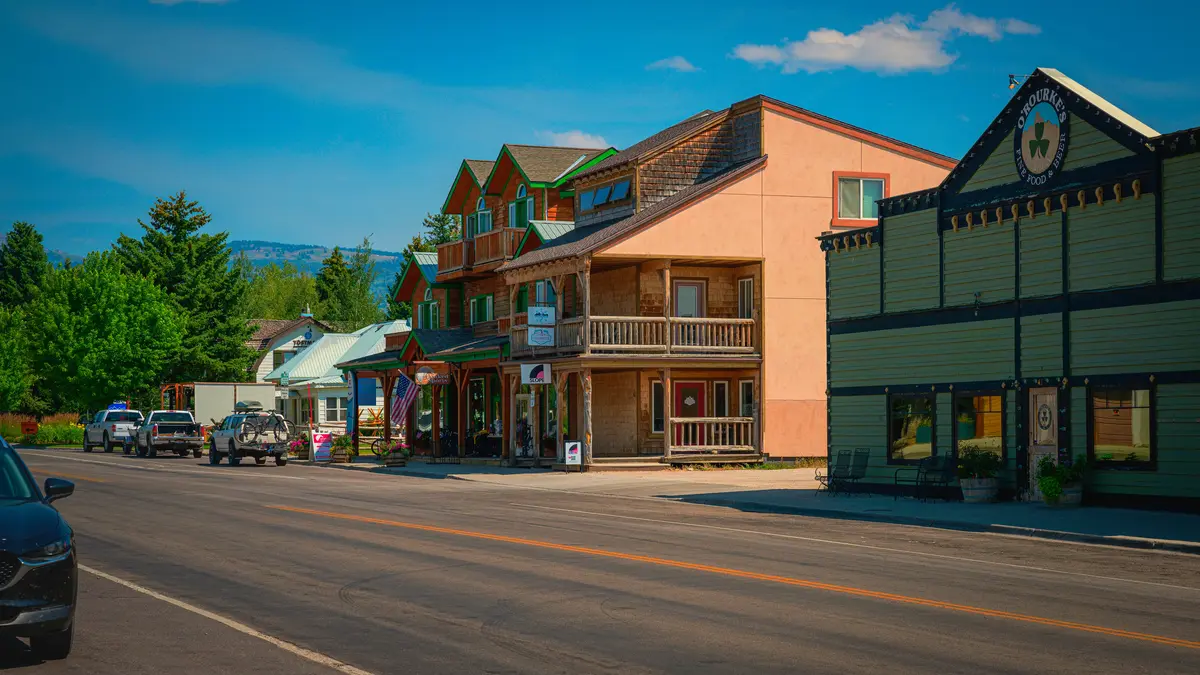
Driggs Crime Rates at a Glance: The Core Numbers
The two figures that anchor any honest safety assessment of Driggs are straightforward: a violent crime rate of 1.1 per 1,000 residents and a property crime rate of 4.9 per 1,000, both drawn from federal crime reporting data for the 2024 calendar year, released October 2025.
| Geography | Violent Crime (per 1,000) | Property Crime (per 1,000) |
|---|---|---|
| Driggs, ID | 1.1 | 4.9 |
| Idaho Statewide | 2.4 | 11.1 |
| U.S. National | 3.59 | 17.6 |
| Idaho rank (property crime) | — | Lowest in U.S. (2024) |
| Idaho rank (violent crime) | 13th lowest in U.S. | — |
| Driggs vs. U.S. cities (safety percentile) | Safer than 71% of U.S. communities | |
| Driggs vs. Idaho communities | Lower crime rate than 59% of Idaho communities | |
Put simply, Driggs's violent crime rate is less than half Idaho's already-low statewide figure, and its property crime rate is also less than half the Idaho average.
The combined victimization odds tell the same story: a Driggs resident's chance of becoming a crime victim — combining violent and property incidents — is approximately 1 in 233, compared with 1 in 47 for the average American. That's not a rounding error; it's a genuinely different risk profile.
Idaho itself is consistently among the nation's safest states, and its overall crime rate dropped 6.3% from 2023 to 2024, reaching its lowest point in 20 years according to Idaho State Police Statistical Analysis Center data. Driggs sits well below even that low statewide baseline.
What the Numbers Don't Capture: Data Gaps and Resort-Town Distortion
Before you treat those figures as settled science, there are two honest caveats worth understanding — and they actually cut in opposite directions.
The Incomplete Reporting Problem
The Teton County Sheriff's Office, which patrols Driggs and the surrounding county, did not submit complete crime data to Idaho State Police for either 2024 or 2025. Idaho State Police confirmed this gap, and Teton Valley News reported on it in August 2025. That means the published city-level figures of 1.1 violent and 4.9 property crimes per 1,000 should be read as best-available estimates — not a fully audited official count. Whether the true figure is slightly higher or lower, nobody outside the department can say with certainty yet.
The Tourist Traffic Problem
The flip side is the resort-town measurement artifact. Driggs has a resident population of roughly 2,481 people — but in peak ski season, the population on any given weekend swells dramatically as Grand Targhee visitors funnel up Ski Hill Road and fill short-term rentals across the valley. Crime rates are calculated against the permanent resident population, not against everyone actually present when an incident occurs.
That means a car break-in at a trailhead or a theft from a vacation rental during a busy February weekend gets counted against 2,481 residents, not against the much larger crowd that was actually there. For a small tourist town like Driggs, this is a well-documented inflation factor in federal crime data — and it means the already-modest property crime rate of 4.9 per 1,000 likely overstates the risk for year-round residents.
The 2024 Burglary Spike: County-Wide Context
Teton County reported a roughly 400% increase in burglary incidents for 2024 — a headline figure that understandably gets attention. The important context: this is a county-wide figure, not a Driggs-city figure, and local authorities attributed it largely to a small number of repeat offenders, at least one of whom has since been sentenced. Law enforcement indicated in mid-2025 that the figure was expected to decrease as a direct result of those prosecutions. It is not evidence of a broad or worsening crime trend in the valley.
County leaders also noted a 20.3% increase in reported county-level offenses from 2022 to 2024, though 2025 data suggested stabilization. The sheriff requested that Driggs and Victor consider jointly funding an additional patrol deputy — a budget-pressure conversation, not a crisis response.
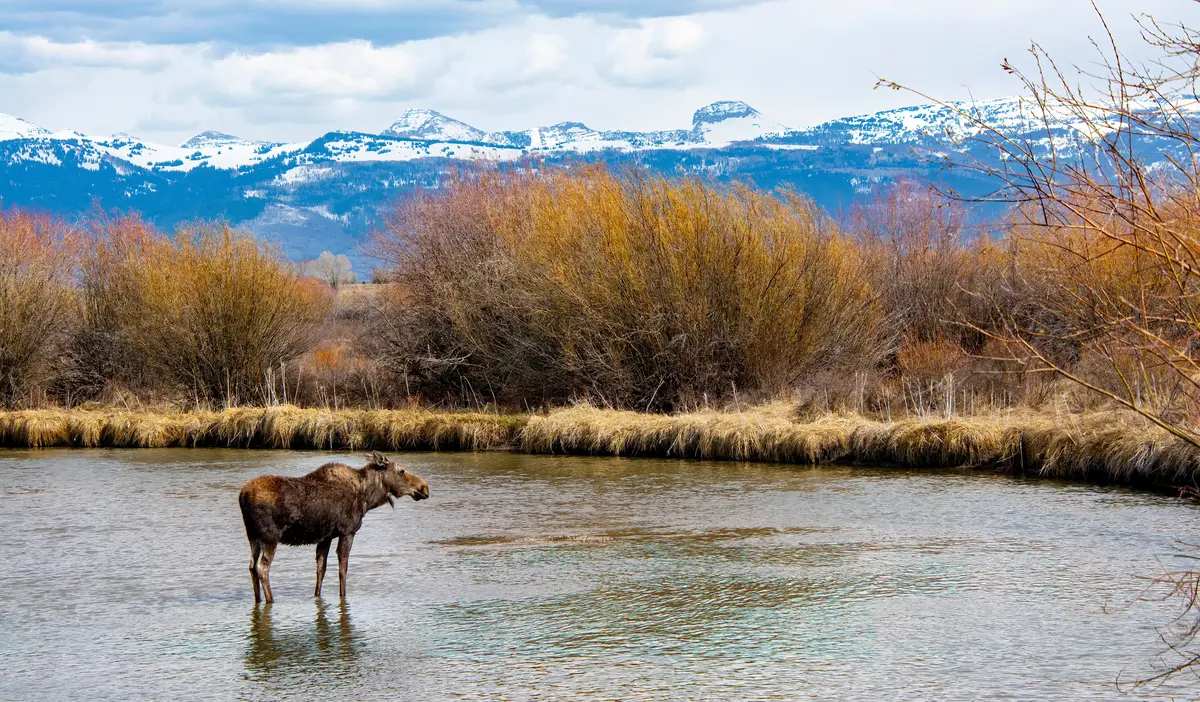
Neighborhood-Level Safety Picture
Driggs doesn't have the geographic complexity of a large city — there's no equivalent of a highway dividing a safe west side from a rougher east side. The divide here is more about density and visibility than anything else. Still, the neighborhoods do have distinct characters worth knowing before you settle on one. For a full breakdown of each area's character and pricing, see the best neighborhoods in Driggs guide.
Ski Hill Road and Targhee Ranch
The Ski Hill Road corridor is Driggs's most tourist-facing zone — short-term rentals are concentrated here, and the traffic pattern between town and Grand Targhee Resort means higher foot traffic, more unfamiliar vehicles, and the attendant minor property crime risk that comes with any vacation-rental district. Targhee Ranch, closer to the base of the mountains, shares some of that vacation-economy character. Neither area has a reputation for serious crime, but unlocked vehicles and unsecured gear in driveways are a practical concern during peak season.
Stoneridge and Aspen Pointe
These subdivisions represent some of the more established residential development in the valley. Stoneridge in particular has the feel of a neighborhood where people know their neighbors — which is itself a meaningful safety factor in a town this size. Residents here tend to be year-round, not seasonal, and the community cohesion that comes with that shows up in how the streets feel at night.
Powder Valley, Redtail, and Falcon Creek
These areas sit somewhat removed from the tourist corridor, which means they see less transient traffic. Powder Valley's rural-residential character means you're more likely to be concerned about wildlife encounters than property crime. Redtail and Falcon Creek are newer developments where the primary safety conversations tend to involve road conditions in winter, not incident history.
Miller Ranch
Miller Ranch has a quieter, more agricultural feel than the subdivisions closer to the Ski Hill corridor. The trade-off is that it's also more isolated — which many residents prefer, but which means a longer wait for any emergency response. That's less a crime consideration than a practical reality of living on the edge of Teton Valley.
In a town of fewer than 2,500 permanent residents, the honest answer is that no specific neighborhood registers as dangerous. The variation is more about tourist-season exposure than any structural safety difference between areas.
Looking to buy in Driggs? Estimate your payment.
Enter your numbers to see an estimated monthly mortgage payment.
Estimate only. Excludes HOA fees and mortgage insurance. The interest rate above is a starting point, not a quoted rate — replace it with your own to see real numbers. Insurance is a flat placeholder, not a Driggs quote.
How Driggs Compares to Nearby Communities
Teton Valley is small enough that the relevant comparisons aren't to Boise or Idaho Falls — they're to the handful of towns you'd actually choose between if you were deciding where to plant yourself in this corner of the state.
| Community | State | Safety Character | Key Context |
|---|---|---|---|
| Driggs | ID | Low crime, resort-town data caveats | 1.1 violent / 4.9 property per 1,000 (2024 est.) |
| Victor | ID | Similar small-town profile | Adjacent to Driggs; same TCSO jurisdiction |
| Tetonia | ID | Very rural, minimal incident history | Even smaller population; fewer data points |
| Felt | ID | Unincorporated, largely agricultural | No separate municipal crime data |
| Alta | WY | Tiny community, Wyoming jurisdiction | Different law enforcement agency and reporting system |
| Jackson | WY | Higher tourist volume, higher incident count | Larger city; Wyoming crime reporting separate from Idaho |
Victor and Driggs effectively share the same law enforcement coverage — the Teton County Sheriff's Office patrols both, and the same data reporting gaps apply to both. Jackson, roughly 45 minutes over Teton Pass, operates under Wyoming jurisdiction and a larger police department, with correspondingly more complete (and more complex) crime reporting.
The practical takeaway for anyone choosing between Victor and Driggs on safety grounds: the distinction is minimal. Both are quiet Idaho small towns with low incident rates and the same department watching over them.
Practical Safety Research Before You Choose a Neighborhood
The statistics tell a reassuring story, but a number on a spreadsheet doesn't tell you whether the specific street you're considering has had a pattern of car prowls, or whether the short-term rental next door generates friction. Here's how to research beyond the aggregate.
Talk Directly to Residents
Driggs is small enough that the most useful safety intelligence comes from conversations at a local café on W Little Avenue or an evening at a downtown bar on N Main Street. In a town of under 2,500 people, longtime residents know which blocks had break-ins last February and which blocks have never had an issue. That local knowledge is more current than any annual crime report.
Check the Sheriff's Blotter
The Teton County Sheriff's Office publishes call logs, and the Teton Valley News reports on significant incidents. Before settling on a specific neighborhood, spending 20 minutes reading through three months of local incident reports will tell you far more than a national crime-scoring tool that's working from incomplete county data.
Understand the Seasonal Pattern
Whatever property crime exists in Driggs clusters around high-tourist windows: the peak ski weeks from late December through mid-March, and the summer outdoor-recreation surge from July through Labor Day. If you're evaluating a home near a short-term rental cluster on Ski Hill Road, your risk calculus during those windows is different from what it looks like in late October or early April.
Ask About Emergency Response Times
The Sheriff's Office covers a large geographic area. If you're looking at a property in Falcon Creek or the outer edges of Miller Ranch, it's worth asking neighbors what realistic response times look like. This isn't a crime concern per se — it's a practical consideration about rural living anywhere in Teton County.
Don't Overweight the Burglary Headline
The county-wide burglary spike from 2024 generated attention, but the prosecutions that followed are documented. If that figure surfaces in your research, read the full context before letting it drive your neighborhood decision. One well-publicized criminal case inflated an annual statistic; it doesn't reflect a pattern you should expect going forward.
In six months here, most people say the thing that surprised them wasn't crime — it was how quickly they started recognizing every face at the Driggs City Center farmers market on a Saturday morning.
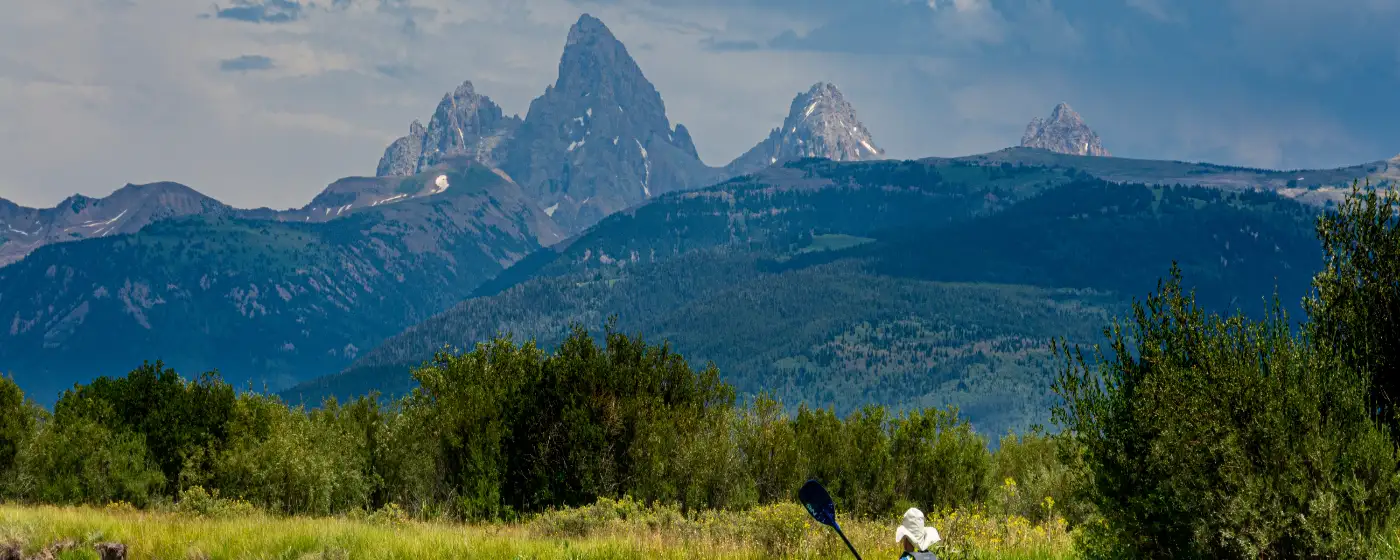
Local Expert Takeaway: Driggs is genuinely low-crime by any honest measure — a violent crime rate of 1.1 per 1,000 and a 1-in-233 combined victimization odds ratio put it well below both Idaho and national averages. The real nuance isn't in the headline numbers; it's in understanding that the Teton County Sheriff's Office has submitted incomplete data to the state for two consecutive years, that the 2024 county burglary spike was driven by specific documented offenders rather than a systemic trend, and that resort-town visitor traffic inflates per-resident crime rates everywhere from Jackson Hole to Park City. For practical research, skip the national crime-scoring apps and read three months of the Teton Valley News blotter and the Sheriff's call log — you'll get a sharper picture of what actually happens in this valley than any algorithm built on incomplete county data can give you.
Quick Takeaways & FAQs
✅ Driggs's violent crime rate of 1.1 per 1,000 is less than half Idaho's already-low statewide average — placing it among the quieter small towns in one of the nation's safest states.
⚠️ Teton County Sheriff's Office submitted incomplete crime data to Idaho State Police for both 2024 and 2025, meaning published figures are best-available estimates, not a fully audited count — treat them as directionally accurate, not definitive.
📍 Peak tourist season — late December through mid-March on the Ski Hill Road corridor, and July through Labor Day valley-wide — is when the small property-crime risk Driggs does have is most concentrated, a pattern worth knowing before choosing a neighborhood.
What is Driggs, Idaho's crime rate?
How safe is Driggs compared to other Idaho cities?
Is the 2024 burglary spike in Teton County something to worry about?
Which Driggs neighborhoods are considered the safest?
Does tourist traffic affect Driggs's crime statistics?
Moving to Idaho?
Tell us what you need help with and we'll connect you with local resources.
