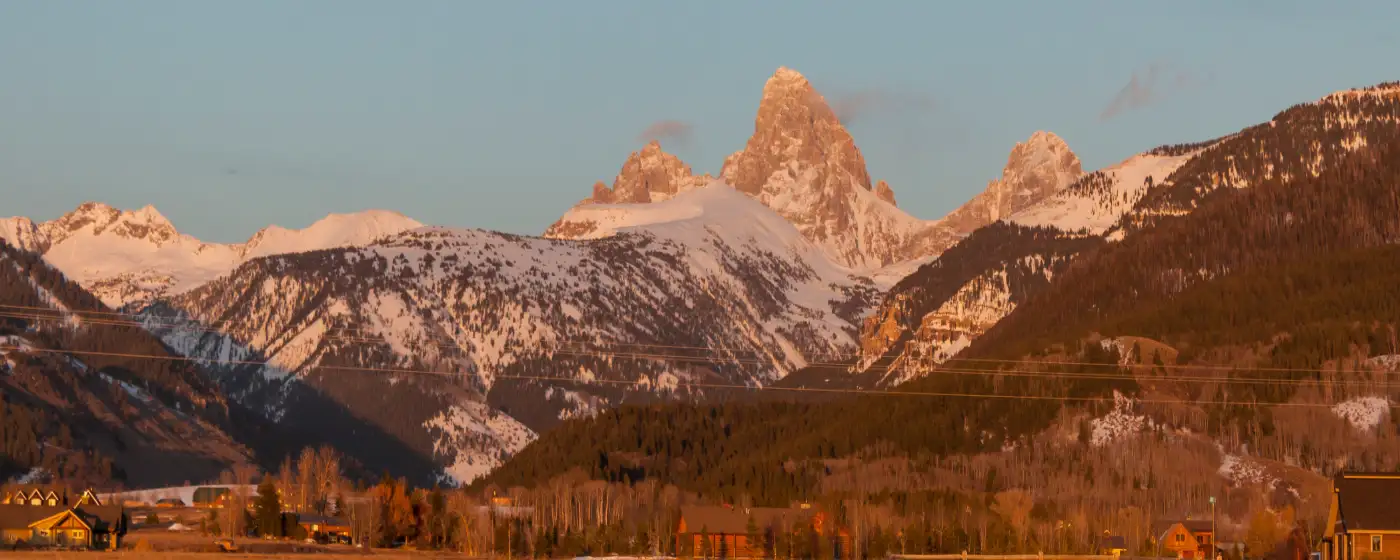
You've probably done the math on what California's top income tax bracket does to a paycheck — and at some point, someone mentioned Teton Valley. Driggs sits on the Idaho side of the Tetons, about 20 minutes from the base of Grand Targhee Resort and roughly 45 minutes from Jackson, Wyoming. That geography is everything here. This is not a bedroom suburb of Boise; it is a small mountain town of about 2,481 people that functions as the affordable entry point to one of the most spectacular corners of the American West — affordable being relative, because at a Zillow Home Value Index figure of $781,920 (2026), this is firmly resort-market territory.
The economic engine is tourism and public-sector employment. Grand Targhee Resort — accessible only through Driggs, even though it technically sits in Alta, Wyoming — ranked No. 5 among the top ski resorts in the West in SKI Magazine's 2026 list and averages over 500 inches of annual snowfall across 3,000 skiable acres. Teton County government and Teton School District #401 round out the major employers. The people who move here from California tend to fall into two groups: remote workers who want mountain access at a fraction of Jackson's prices, and people who have already taken jobs at Targhee or with the county. Both groups are surprised, in different ways, by what they find.
The cost of living overall runs approximately 27% above the U.S. national average, driven almost entirely by housing. But compared to major California metros, that figure looks very different — Driggs comes in meaningfully below what most California transplants left behind. The tax picture shifts dramatically: Idaho's flat 5.3% income tax and a property tax rate of just 0.35% are hard to argue with if you've been writing checks to Sacramento. See the full Driggs cost-of-living breakdown for utilities, groceries, and day-to-day spending.
Whether you're a remote worker pricing out your options, someone who's been priced out of Jackson Hole, or a California homeowner looking to cash out equity and reset your tax situation, the sections below cover what the California-to-Driggs comparison actually looks like on paper — and what surprises people after they've been here six months.
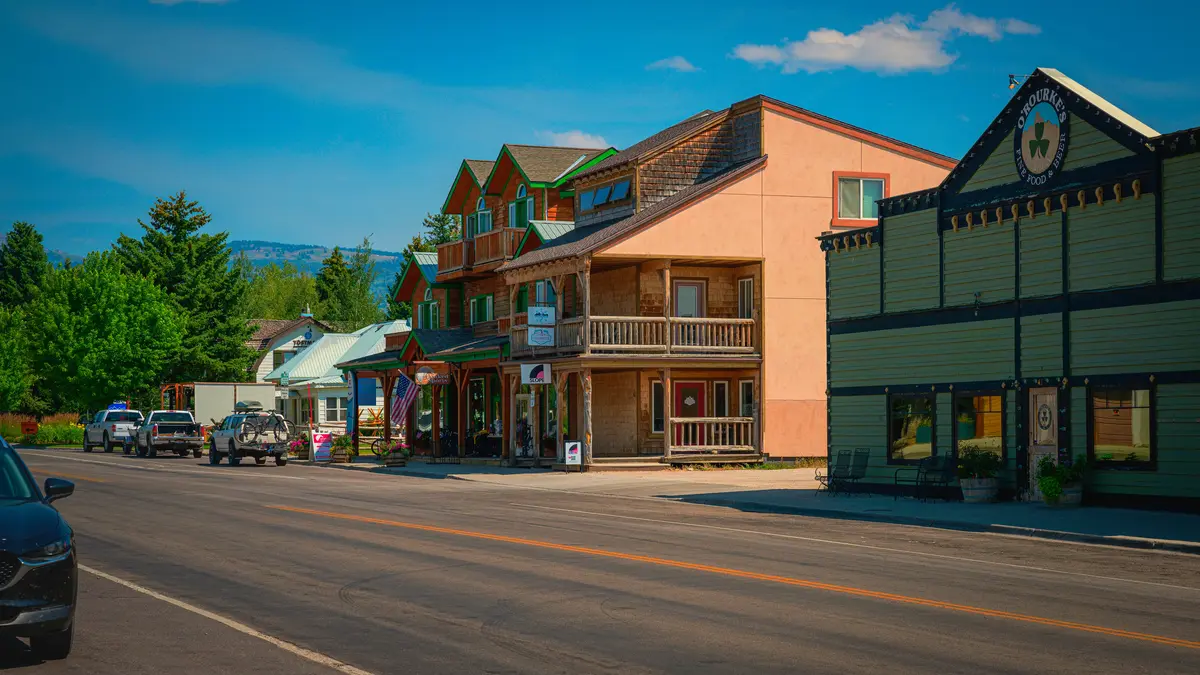
The Home Price Reality: What Your California Equity Buys Here
Driggs's typical home value sits at $781,920 (Zillow Home Value Index, 2026). That number tells a different story depending on where you're coming from — California equity from a Bay Area or Southern California sale can look like a clean reset here, while someone arriving from a lower-cost inland market may find the price point unexpected for a town this size.
This is a resort market, not a plains market. The Teton backdrop, the Grand Targhee access, and the overflow demand from Jackson Hole all push prices well above what you'd find in Nampa or even Boise. That said, what you actually get for $781,920 here versus what that same figure buys in most California markets is a different conversation entirely.
What the Numbers Look Like Side by Side
| Market | Typical Home Value (2026) | Effective Property Tax Rate | Approx. Annual Tax on Typical Home |
|---|---|---|---|
| Driggs, ID | $781,920 | 0.35% | Approximately $2,737/yr |
| San Jose, CA | ~$1,400,000 | ~1.1% | ~$15,400/yr |
| Los Angeles, CA | ~$900,000 | ~1.1% | ~$9,900/yr |
| Sacramento, CA | ~$520,000 | ~1.1% | ~$5,720/yr |
| San Diego, CA | ~$950,000 | ~1.1% | ~$10,450/yr |
| Fresno, CA | ~$370,000 | ~1.1% | ~$4,070/yr |
* California effective property tax rates shown as approximate blended rate; Driggs rate from Teton County authoritative fact sheet. Individual bills vary.
The property tax contrast is one of the sharpest in the comparison. California's effective rate runs roughly three times higher than Driggs's 0.35%, which means a Teton County homeowner keeps a significant annual sum that a comparable California homeowner hands to their county assessor.
What the Equity Play Actually Looks Like
If you're selling a home in a major California metro, there's a real chance you're arriving in Driggs with enough cash to buy without financing — or to make a very large down payment and keep your monthly housing cost well below what you carried in California. That dynamic has driven owner-occupancy in Driggs up to 61.4% as of 2024, rising from 56.8% the prior year, even as prices have climbed.
Entry-level inventory exists, but it's thin. Older or smaller construction can come in noticeably below the median, while move-up or newer construction trends well above it. For a more detailed look at specific neighborhoods and what drives price differences across Driggs, see the Driggs neighborhood guide.
One thing California buyers often underestimate: vacation-rental demand and second-home buyers compete directly with primary-residence buyers in Driggs. When a property is priced attractively, you may be bidding against a Jackson Hole family looking for a ski-season retreat, not just another local family. That's a Jackson Hole market dynamic that has crept west over the Tetons.
The Tax Shift: What Leaving California Actually Saves You
The income tax difference between California and Idaho is the number that makes California transplants lean forward. Idaho levies a flat 5.3% on all taxable income, effective January 1, 2025 under HB 40. California's rate is progressive and reaches 13.3% at the top bracket — nearly two and a half times Idaho's rate for high earners.
For a household earning $300,000 in W-2 income, that gap is not a rounding error. It is tens of thousands of dollars annually, and it compounds every year you remain a California resident.
The Full Tax Picture at a Glance
| Tax Type | California | Idaho (Driggs) | Direction |
|---|---|---|---|
| Top state income tax rate | 13.3% | 5.3% (flat) | Idaho wins significantly |
| Effective property tax rate | ~1.1% (blended) | 0.35% | Idaho wins significantly |
| State sales tax base rate | 7.25% + local surtaxes | 6.0%, minimal local additions | Idaho wins modestly |
| State Disability Insurance (SDI) | 1.3% on all wages, no ceiling (2026) | No equivalent | Idaho wins |
| Grocery tax | Most groceries exempt | 6%, offset by $155/person/yr Grocery Tax Credit | Roughly even |
| Estate / inheritance tax | None | None | Even |
| Tax Foundation competitiveness rank | Bottom tier nationally | 9th out of 50 states (2026) | Idaho wins |
The SDI line deserves a closer look. California imposes State Disability Insurance at 1.3% on every dollar of wages with no income ceiling in 2026. Idaho has no equivalent payroll deduction. For a dual-income household, that difference alone adds up meaningfully over a year.
The Grocery Tax Nuance
Idaho's 6% sales tax does apply to groceries — California's generally does not — but Idaho offsets this with a refundable Grocery Tax Credit of $155 per person per year, raised from $120 in the 2025 legislative session. For a family of four, that's $620 back at tax time. It doesn't fully neutralize the grocery tax for high-volume households, but it's a real offset that many incoming Californians don't expect.
The Residency Timing Question
California's state tax authority is aggressive about auditing former high-income residents who claim they've moved. If you sell a California home, take the gain, and file as an Idaho resident in the same year, expect that transition to be documented carefully. Establishing Idaho domicile — changing your driver's license, registering vehicles, updating voter registration, and actually being physically present — matters more than just buying a house here. This is a conversation to have with a CPA who knows both states before your close date, not after.
Idaho also has no estate or inheritance tax. For California residents relocating with significant assets, or those planning multi-generational wealth transfers, that simplicity has real value even though California itself has no estate tax either — Idaho's overall framework is meaningfully less complex to navigate.
What Daily Life in Driggs Actually Looks Like
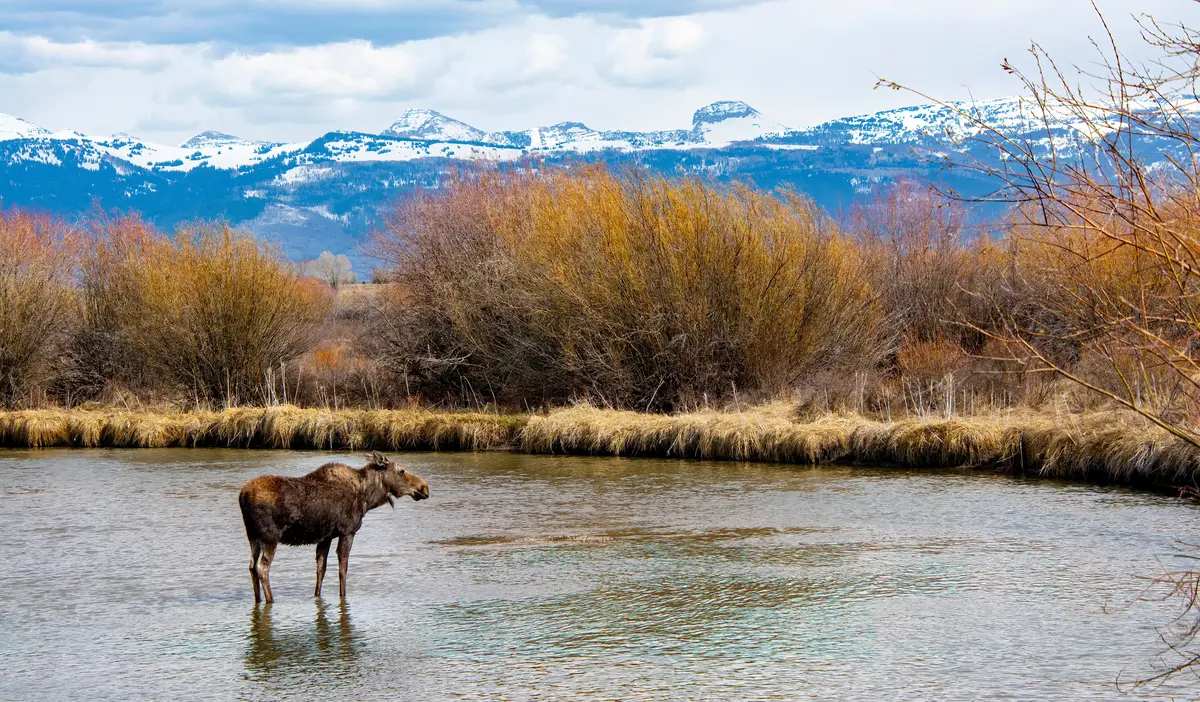
Driggs has a population of about 2,481. If you're moving from the Bay Area or greater Los Angeles, the first Saturday here will feel quiet in a way that takes adjustment. There is no Trader Joe's — the nearest is in Idaho Falls, about 90 minutes south. There is no Target, no Costco within reasonable distance, and no movie theater in town. That is not an oversight; it is the trade-off you are accepting when you choose a mountain town of this size.
What Driggs does have is a Main Street that functions. Wydaho Roasters Coffee House on W Little Ave is where you'll spot the full cross-section of Teton Valley — backcountry skiers, remote workers on laptops, county employees, and Targhee ski patrol grabbing a coffee before heading up the hill. It is the town's de facto community center on weekday mornings.
Where Locals Actually Spend Time
Citizen 33 Brewery on N Main Street draws the after-ski and post-trail crowd. Tatanka Tavern, also on N Main, leans toward a locals-first dinner crowd. Forage Bistro & Lounge, which relocated to Warbird Lane near the Driggs-Reed Memorial Airport and the Warbird Museum, is the upscale option — the place Driggs residents take out-of-town guests. Lula Wine Bar & Bistro on W Little Ave opened in 2025 and filled a gap for wine-focused dining that the town previously lacked. Royal Wolf on Depot Street rounds out the bar-and-grill options for a weeknight.
That is most of the dining scene. Six venues is not a long list. People who moved from San Francisco's Mission District or Silver Lake and expected an active restaurant rotation tend to hit a wall around month four.
The Seasonal Reality
Winter is the busy season, not the slow one. Grand Targhee's 500-plus annual inches of snowfall and 3,000 skiable acres — ranked No. 5 among top western resorts in SKI Magazine's 2026 list — means December through March brings a real energy to town. Summer hiking, mountain biking, and fly fishing on the Teton River keep things moving through September. October and November, and again in April and May, are the slow seasons: some businesses reduce hours, the road to Targhee closes for the mud season, and Driggs goes very quiet. Californians who aren't skiers or dedicated backcountry users sometimes find the long off-seasons harder than expected.
The Commute Friction Point
If you're working in Jackson — and many Driggs residents do — plan around Teton Pass on US-26/89. The pass sits at over 8,400 feet and closes without warning during winter storms, sometimes for hours, occasionally overnight. On a normal day the drive runs about 45 minutes. After a major storm event, it can double or simply not happen. If your job requires reliable daily Jackson access, that closure risk is the single most important logistical fact about living on the Idaho side of the Tetons. Many Driggs-based Jackson commuters keep a flexible schedule or remote-work contingency precisely for pass-closure days.
Looking to buy in Driggs? Estimate your payment.
Enter your numbers to see an estimated monthly mortgage payment.
Estimate only. Excludes HOA fees and mortgage insurance. The interest rate above is a starting point, not a quoted rate — replace it with your own to see real numbers. Insurance is a flat placeholder, not a Driggs quote.
Who Moves Here from California — and Who Leaves
The California transplant arriving in Driggs usually fits one of a few profiles. The most common is the remote worker: someone in tech, finance, or a creative field who locked in remote work permanently during or after 2020, sold a Bay Area or San Diego home, and is looking to deploy that equity somewhere with world-class outdoor access and a tax environment that doesn't feel punitive. Grand Targhee's ski access and the proximity to Grand Teton and Yellowstone are the pull.
The second profile is the Jackson Hole worker who couldn't afford Jackson. Teton County, Wyoming has a median home price that runs dramatically higher than Driggs. Workers at Jackson Hole Mountain Resort, in hospitality, or in local government have been crossing the state line into Teton Valley for decades. The 45-minute Teton Pass commute is a known quantity for them; they priced it in before buying.
What Keeps People Here
Six months in, most California transplants say the same thing: they didn't expect how much they would use the outdoors every single week, not just on vacation. The trails accessible from Driggs — including the national forest terrain above town and the approach routes to the Tetons — are not weekend excursions. They become weeknight habits. That normalization of outdoor access is what people cite when asked why they don't miss the city more.
The community is also smaller and more legible than anything most Californians have experienced as adults. You will know your neighbors. You will see the same people at Wydaho Roasters, at the Teton County Courthouse, and at the local post office. Some people find that warmth; others find it claustrophobic.
Why People Leave
The honest answer is that Driggs loses residents who underestimated three things. First, the service-sector gap: retail variety and the depth of services that residents of California metros take for granted require a drive to Idaho Falls or Jackson, or a flight out of Driggs-Reed Memorial Airport. Second, the career ceiling: unless you work remotely or in tourism and local government, professional advancement options are extremely limited in a 2,481-person town. Third, the isolation in mud season and early summer — when Targhee is closed, the trails are wet, the restaurants are quiet, and Jackson feels far away — catches people off guard. Those who stay have either built a life specifically designed for this place, or they arrived knowing exactly what they were choosing.
For a deeper look at employers, job categories, and who Driggs suits day-to-day, the living in Driggs guide covers those specifics.
What to Do Before You Make an Offer
A California homeowner arriving in Driggs with equity has real leverage in a thin-inventory market. Using that leverage well means doing a few things before you're in contract — not after.
Get the Residency Transition Right
California's state tax authority has a well-documented history of pursuing former residents who claim they moved mid-year. If you are selling a California property and establishing Idaho residency in the same tax year, the documentation requirements are specific: change your driver's license within 90 days of establishing domicile, register all vehicles in Idaho, change your voter registration, and be physically present in Idaho for more than half the year. A CPA who handles California-to-Idaho transitions is not optional for high-income sellers — it is the first professional you hire, before the real estate agent, before the mortgage lender.
Understand the Vacation-Rental Market Dynamic
Teton County, Idaho has been navigating the tension between primary-residence buyers and short-term rental investors for years. Zoning rules around vacation rentals vary by area, and some of Driggs's neighborhoods have restrictions that affect whether a property can legally operate as a short-term rental. If income from a vacation rental is part of your financial model for buying here, verify the specific parcel's zoning before making an offer — not in the inspection period.
Price the Pass Into Your Life
If your job, your appointments, or your social life depends on regular Jackson access, map out what Teton Pass closures mean for your household specifically. Parents with school-age children enrolled in Teton County School District #401 should read the district's weather-delay and closure protocols — schools in Driggs respond to Idaho road conditions, not Wyoming ones, and a pass closure doesn't automatically mean a school closure on the Idaho side. For a fuller picture of schools and district performance, see the Driggs schools guide.
Know What the Property Tax Rate Actually Means in Dollars
Idaho's 0.35% effective property tax rate is genuinely low — ranked among the most competitive in the country by the Tax Foundation's 2026 State Tax Competitiveness Index. On a home at the Zillow Home Value Index figure of $781,920, that rate produces a very manageable annual bill compared to what you were paying in California. But Driggs is a resort market, and assessed values here have moved with sales prices. Confirm with Teton County what the assessed value of any specific property is before you write your offer — Idaho assessors reset values at sale, so a purchase will re-anchor your tax base at or near your purchase price. For specifics on how Idaho property tax is calculated and what else you'll pay in Teton County, see the full cost-of-living page.
Talk to Someone Who Has Done It
The most useful thing you can do before signing is spend a week in Driggs in February and a week in April. February shows you the mountain town at its best — Targhee in full swing, the Main Street alive, the energy of a ski season. April shows you what locals call the mud season: the quiet, the closed patios, the roads that are neither snow-packed nor dry. Most people who move here and stay say they made the decision after seeing both. Most people who move here and leave say they only saw the winter. For a first-time buyer in Idaho, the Driggs first-time homebuyer guide covers the mechanics of how purchases work in this state — including what's different from the California process.
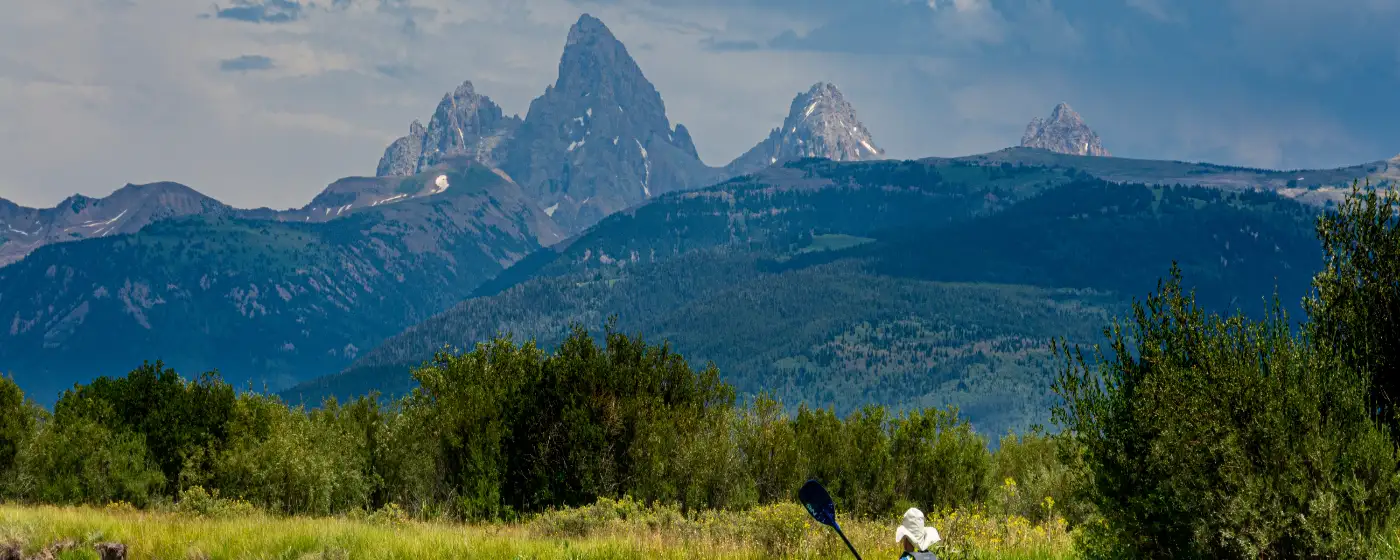
Local Expert Takeaway: Driggs is one of the few places left where a California equity sale can genuinely reset your financial life — lower income tax, a property tax rate at 0.35% that is a fraction of what you paid in California, and mountain access that most people fly to on vacation. The catch is that you're moving to a town of 2,481 people where Wydaho Roasters on W Little Ave and Citizen 33 on N Main are your anchor social spots, Teton Pass can close without warning on your Jackson commute, and the mud seasons in April and November will test whether you actually love this place or just love skiing at Grand Targhee. The people who thrive here came knowing the difference.
Quick Takeaways & FAQs
✅ Idaho's flat 5.3% income tax and Driggs's 0.35% effective property tax rate together represent one of the most dramatic tax reductions available to a California homeowner relocating anywhere in the Mountain West.
⚠️ Driggs is a resort market, not a bargain market — the typical home value sits at $781,920 (Zillow Home Value Index, 2026), and vacation-rental buyers compete directly with primary-residence buyers for the same inventory.
📍 Grand Targhee Resort is accessible only through Driggs and reached via Ski Hill Road — meaning the resort's 500-plus annual inches of snowfall and its proposed terrain expansion will shape Driggs's housing demand and community character for the next decade.
How much does the income tax savings actually add up to when moving from California to Driggs?
Is Driggs actually cheaper than Jackson Hole for buying a home?
What is the property tax rate in Driggs, and how does it compare to California?
What should I know about the commute from Driggs to Jackson before buying?
How do I establish Idaho residency to actually stop paying California taxes?
Moving to Idaho?
Tell us what you need help with and we'll connect you with local resources.
