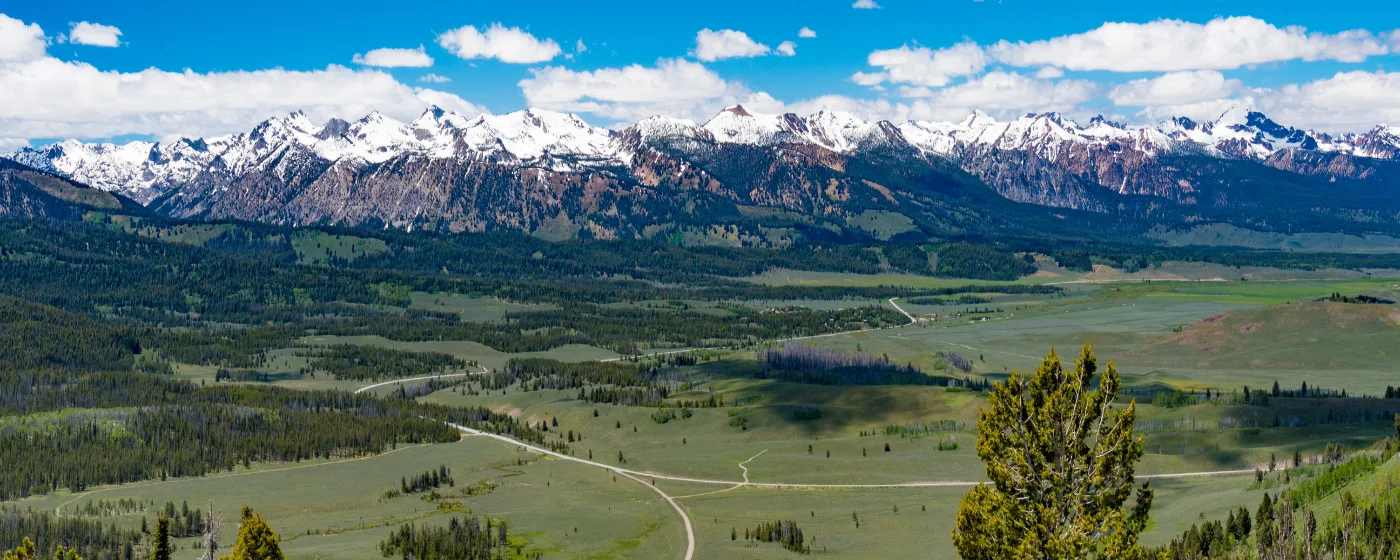
Most people who move to Salmon already know about the river. What surprises them is how completely it structures daily life here. The Salmon River — known as the River of No Return and the longest free-flowing river in the contiguous United States at approximately 425 miles — doesn't run past the city so much as it runs through the identity of everyone who lives here. Fly rods, drift boats, and river sandals are not recreational accessories in Salmon; they're basic equipment. The city sits at the convergence of three National Scenic Byways covering a combined 297 miles, which means on any given Saturday morning you can be deep inside roadless wilderness within the time it takes most commuters to reach the freeway.
That access shapes who comes and who stays. The Salmon-Challis National Forest is not a backdrop — it's the operating environment for daily life here. Local outfitters and guide services run commercial trips on the Middle Fork, Main, and Lower sections of the river, drawing visitors from across the country. For families considering a move, it's worth knowing that youth sports and school-based activities in Salmon lean heavily on the outdoors — you can find more detail on programming through the Salmon schools page.
The recreation calendar here is genuinely four-season, though the character shifts dramatically. May through October brings rafting, fishing, hiking, and mountain biking. Winter pivots to snowmobiling, cross-country skiing, and ice skating at the Salmon Hockey Rink downtown. The city added its first true state park in the immediate area in June 2026 — Twin Peaks Ranch State Park, 20 miles out — which meaningfully expanded the formal outdoor infrastructure that had previously been almost entirely on federal land.
Whether you're weighing a move or already under contract, this guide covers Salmon's signature parks, trail and water access, the day-trip destinations that most new residents discover in their first season, and how outdoor life actually changes month to month once you're living here.
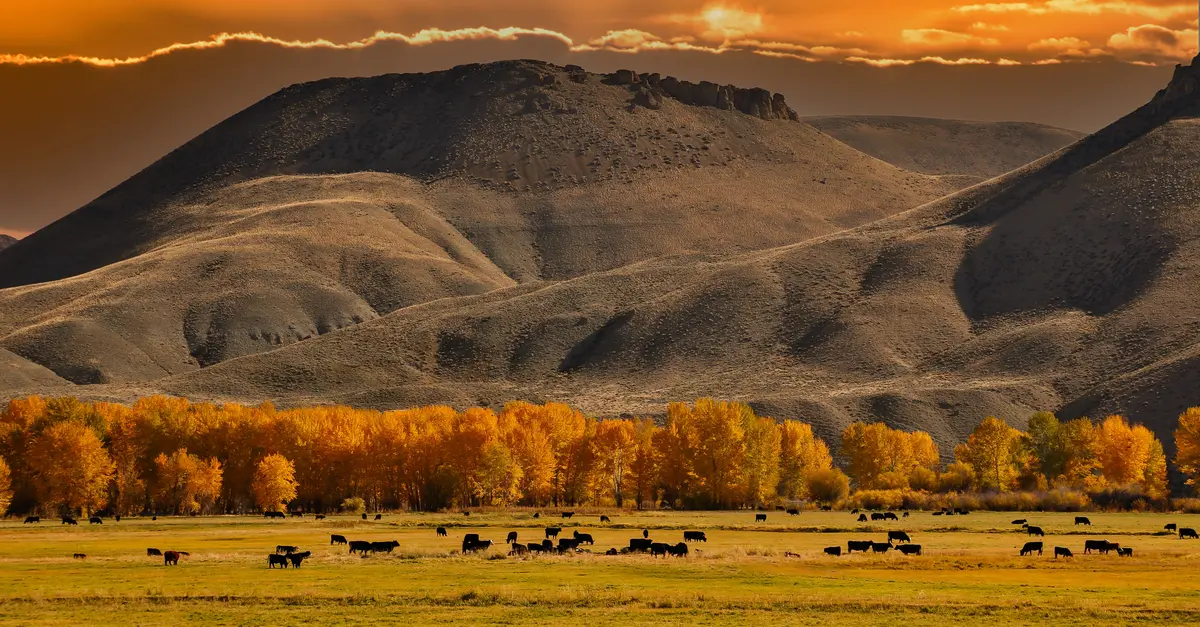
The Sacajawea Center and In-City Green Space
Two miles east of downtown on Highway 28, the Sacajawea Interpretive, Cultural & Educational Center sits on 71 acres along the Lemhi River corridor — and it is far more than a museum stop. The grounds are open year-round, making it the closest thing Salmon has to a formal city park with maintained trails, garden space, and seasonal programming layered on top.
The two nature trails wind through interpretive stops that explain the landscape as the Agai Dika Lemhi Shoshone experienced it, including the waterways and wildlife ecosystems that Sacajawea herself would have known growing up in this valley. Those trails don't feel like docent-guided education — they feel like a quiet morning walk where the signage earns its place.
Beyond the trails, the grounds include a Heritage Community Garden, a Kid's Garden, Seaman's Dog Walk and Play Area, and a Meriwether Theatre housed in a classic red barn. In winter, a groomed cross-country ski trail loops through the property — which matters in a town where maintained Nordic terrain is otherwise hard to find close to home.
Summer Programming Worth Knowing
Every Thursday in July, the center runs a Kids' Camp from 9 a.m. to noon for $10 per session, with scholarships available. The curriculum focuses on waterways and local wildlife — not arts and crafts, but field-based exploration of the ecosystems right outside the door. For families with school-age children who moved here specifically for the outdoor lifestyle, this is one of the first programs they end up recommending to new neighbors.
The indoor Interpretive Center itself is open daily from Memorial Day through Labor Day. If you arrive in September or earlier in May, the exhibits are closed but the trails and gardens remain accessible — something worth knowing before you drive out with visiting family and find a locked door.
Twin Peaks Ranch State Park: Salmon's New Backyard
On June 28, 2026, Idaho opened Twin Peaks Ranch State Park roughly 20 miles from Salmon — the first state park in the immediate area, and a meaningful shift in what structured outdoor recreation looks like here. The Idaho Department of Parks and Recreation paid $4.75 million for the 677-acre property, and the result is a genuine gateway rather than a day-use picnic ground.
The park sits adjacent to both the Salmon River and the Salmon-Challis National Forest, which means the 677 acres function as an entry point to an essentially unlimited backcountry. Facilities include camping grounds, rental units, and trail access designed for hikers, off-highway vehicle riders, disc golfers, anglers, and bicyclists. That breadth is intentional — this is not a manicured park where you walk a paved loop. It's a staging area for deeper trips.
| Feature | Detail |
|---|---|
| Distance from Salmon | ~20 miles |
| Total acreage | 677 acres |
| Opened | June 28, 2026 |
| Acquisition cost | $4.75 million |
| Primary activities | Hiking, OHV riding, disc golf, fishing, biking, camping |
| Adjacent lands | Salmon River, Salmon-Challis National Forest |
| Camping | Grounds and rental units available |
For residents who previously felt that Salmon's outdoor recreation was excellent but almost entirely on unmanaged federal land, Twin Peaks fills a real gap. Before June 2026, there was no state park within comfortable striking distance. Now there is one close enough to reach after work on a long summer evening.
What This Changes for New Residents
The practical difference is infrastructure. Federal wilderness land is spectacular but deliberately undeveloped — no rental cabins, no maintained disc golf course, minimal signage. Twin Peaks offers the kind of amenities that make a day trip with kids or visiting relatives straightforward rather than logistically demanding. Locals who moved here from larger metro areas often say the learning curve for public-land recreation is steeper than expected; Twin Peaks shortens that curve considerably.
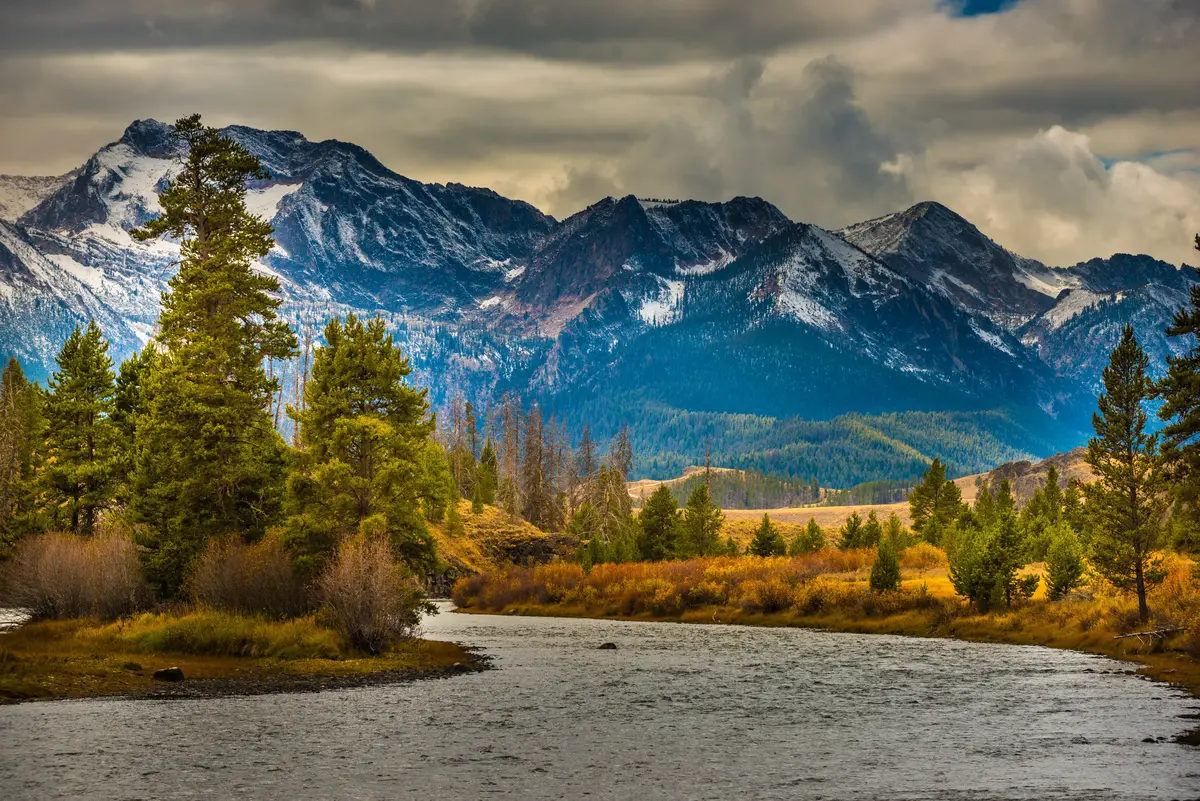
The Salmon River: Fishing, Rafting, and the River Road
Living in Salmon means living alongside a river that holds genuine world records. The Salmon River stretches approximately 425 miles without a single dam — the longest free-flowing river in the lower 48 — and the wild steelhead that swim over 900 miles upstream from the Pacific Ocean to spawn here complete one of the longest anadromous fish runs on earth. That's not promotional language; it's the biological reality that makes this stretch of water a destination for serious anglers from across the country.
Fishing: Steelhead and Beyond
Prime steelhead seasons near Salmon run February through April and again October through November. The Salmon River Road — running west from North Fork to Corn Creek — puts you alongside nearly 50 miles of prime water, with historic mines, Native American pictographs, and wildlife viewing woven into the drive. In season, you'll share the pullouts with steelhead anglers and drift boats in equal measure.
The Middle Fork of the Salmon is a blue-ribbon fishery and one of the most sought-after rafting corridors in the American West — which is why it requires a lottery permit during core season. If you're planning to float it as a local, apply early through the federal recreation reservation system. The Main and Lower sections are commercially guided and more accessible for first-timers, offering everything from mild whitewater up to demanding rapids depending on the section and the runoff year.
After a Day on the Water
Bertram's Salmon Valley Brewery on Main Street has become the standard post-float stop for rafters and anglers coming off the river — local craft beer and food within a short walk of the put-in takeout points. After a long day on the water, Odd Fellows Bakery on Main Street is worth knowing for an early-morning sandwich before a fishing trip, or Wally's Cafe a few doors down if you're looking for something more substantial at the end of the day.
Looking to buy in Salmon? Estimate your payment.
Enter your numbers to see an estimated monthly mortgage payment.
Estimate only. Excludes HOA fees and mortgage insurance. The interest rate above is a starting point, not a quoted rate — replace it with your own to see real numbers. Insurance is a flat placeholder, not a Salmon quote.
Day Trips: Byways, Hot Springs, and Winter Terrain
Salmon is the only place in Idaho where three National Scenic Byways converge — a fact that sounds like tourism-office copy until you actually start exploring and realize you can drive in almost any direction and end up somewhere genuinely remarkable within 30 minutes. Most new residents spend their first full year discovering what's accessible from their front door.
Lewis and Clark Back Country Byway
About 20 miles south of Salmon near Tendoy, the Bureau of Land Management manages a 36-mile single-lane gravel loop that climbs and drops 4,000 feet in elevation, following both the Lewis and Clark National Historic Trail and the Continental Divide National Scenic Trail. Lemhi Pass — where Lewis and Clark first crossed the Continental Divide — is the centerpiece. Sharkey Hot Springs and a Flag Unfurling Monument are additional stops along the route. The byway is open summer through early fall, then groomed for snowmobiling in winter, which means it pulls double duty across two very different seasons.
Goldbug Hot Springs
Roughly 23 miles south of Salmon, Goldbug Hot Springs offers six natural pools fed by waterfalls reaching up to 113°F. Getting there requires a 4-mile round-trip hike with 1,350 feet of elevation gain and four bridge crossings — not a casual stroll, but well within reach for reasonably fit hikers. The pools are accessible year-round; in winter, bring traction devices, because the trail ices over in a way that has turned pleasant holiday outings into unplanned slide-outs for the unprepared. Locals typically hit it in shoulder season — late May or October — when the crowds from summer visitors thin out but the water temperature stays perfect.
Winter Recreation
The outdoor calendar doesn't stop when the river drops below rafting levels. The Sacajawea Center's groomed cross-country ski trail is the most convenient winter terrain for anyone who lives on the east side of town. The Lewis and Clark Back Country Byway's snowmobile access draws riders from across the region. And the Salmon Hockey Rink downtown — a genuine point of local pride in a city of 3,327 — keeps the community gathering through February in a way that few towns this size can claim.
| Destination | Distance from Salmon | Season | Highlight |
|---|---|---|---|
| Twin Peaks Ranch State Park | ~20 miles | Year-round | 677 acres, camping, OHV, disc golf |
| Lewis and Clark Back Country Byway | ~20 miles south | Summer–fall; snowmobile in winter | Lemhi Pass, Sharkey Hot Springs, 4,000 ft elevation change |
| Goldbug Hot Springs | ~23 miles south | Year-round (traction needed in winter) | Six pools up to 113°F, 4-mile RT hike |
| Salmon River Road (North Fork to Corn Creek) | Starts ~20 miles west | Spring–fall | ~50 miles of river, wildlife, pictographs |
| Sacajawea Center Ski Trail | 2 miles east of downtown | Winter | Groomed Nordic trail, free access |
| Salmon Hockey Rink | Downtown | Winter | Community ice skating and hockey |
One honest note for people moving from larger cities: the outdoor infrastructure here rewards self-sufficiency. There are no ranger stations at every trailhead, no cell service in the byway canyons, and the seasonal windows are real — a road that was passable last Saturday may not be this Saturday after an early-fall snowstorm. That's not a deterrent; it's just the terms of living in a place this remarkable.
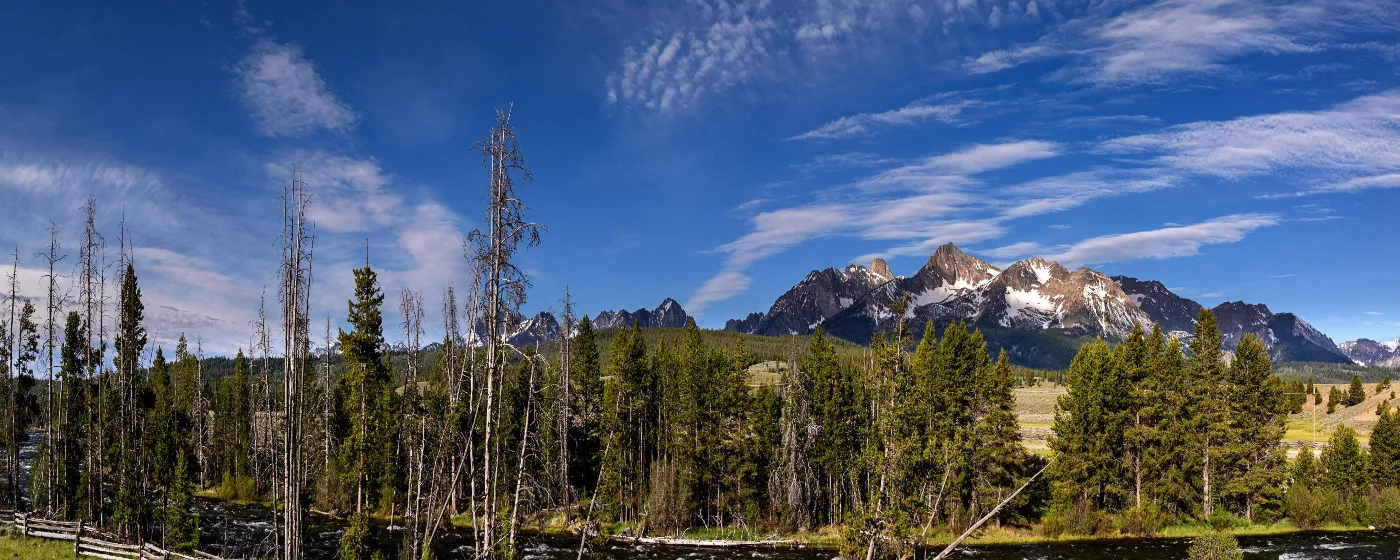
Local Expert Takeaway: The first thing most new residents do wrong is treat the outdoor recreation here like a weekend hobby rather than a daily operating system. The Sacajawea Center trail is two miles from downtown — that's a Tuesday morning walk, not a special occasion. The Salmon River Road starts at North Fork, twenty minutes away. Goldbug Hot Springs is a Saturday morning, not a vacation. Twin Peaks Ranch State Park, which opened in June 2026, adds camping and OHV access that didn't exist as a managed option before. If you're moving here and not planning to use these places regularly, you're paying for a lifestyle you're not living.
Quick Takeaways & FAQs
✅ Salmon sits at the convergence of three National Scenic Byways covering 297 combined miles — a level of scenic road access essentially unmatched in Idaho.
⚠️ The outdoor calendar is genuinely four-season, but the shoulder windows are narrower than newcomers expect — summer conditions can close by mid-October and winter snowpack varies dramatically year to year.
📍 Twin Peaks Ranch State Park opened June 28, 2026, giving Salmon its first state park within 20 miles — with camping, OHV trails, disc golf, and direct access to the Salmon-Challis National Forest.
Is Goldbug Hot Springs open year-round, and how hard is the hike?
Do I need a permit to raft the Salmon River?
What is Twin Peaks Ranch State Park and when did it open?
What outdoor recreation is available in Salmon during winter?
When is the best time of year to visit or move to Salmon for outdoor recreation?
Moving to Idaho?
Tell us what you need help with and we'll connect you with local resources.
