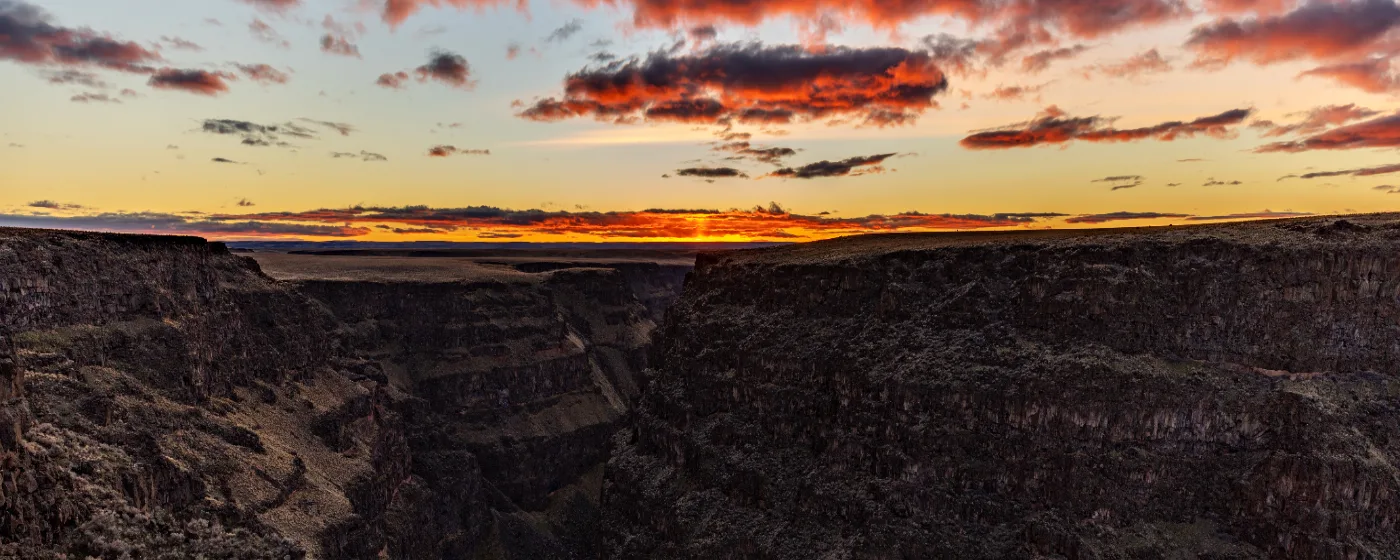
Maybe your orders just sent you to Mountain Home Air Force Base and you have 60 days to find a house. Maybe you've been priced out of Boise's west side and someone mentioned this place is still affordable. Either way, the first thing to understand is that Mountain Home is genuinely two different cities depending on which side of downtown you land on — and the military mission that drives the local economy shapes neighborhood turnover, rental demand, and resale timing in ways that no Zillow filter will show you.
Mountain Home Air Force Base sits 12 miles southwest of the city along State Highway 67 — locally called Airbase Road — an Air Combat Command installation that functions as the city's economic spine. Mountain Home School District 193 serves the entire city, and while the district earns a B- overall, school-assignment boundaries can quietly steer families toward or away from specific subdivisions. The city's population of roughly 17,300 is a mix of active-duty military families rotating every two to four years, civilian base workers who have lived here for decades, and a growing wave of Boise commuters who drive Interstate 84 for the price advantage.
The city-wide typical home value sits at $346,124 (Zillow Home Value Index, May 2026) — noticeably below what you'd pay in Meridian or Eagle, which is exactly what draws the Boise commuter crowd. Day-to-day life revolves around Carl Miller Park, Railroad Park, and the murals along the Penny Wall corridor; the high desert setting at 3,150 feet means dramatic summer skies and genuine cold snaps in January. On-foot access is limited outside the downtown core, so most households run at least two cars.
Whether you're buying on a military timeline, planting roots as a civilian, or scouting a rental while you get oriented, the sections below break down Mountain Home's seven neighborhoods by price, character, and who each area actually suits — plus the mistakes buyers most commonly make here.

The Mountain Home Reality
Airbase Road is the geographic fact that organizes everything else. The five-lane State Highway 67 corridor cuts southwest from the city toward the base, and where you land relative to it — east of downtown, west of town, or tucked into the northern plateaus — determines your noise exposure, your lot character, and how quickly your home re-sells when military families rotate out.
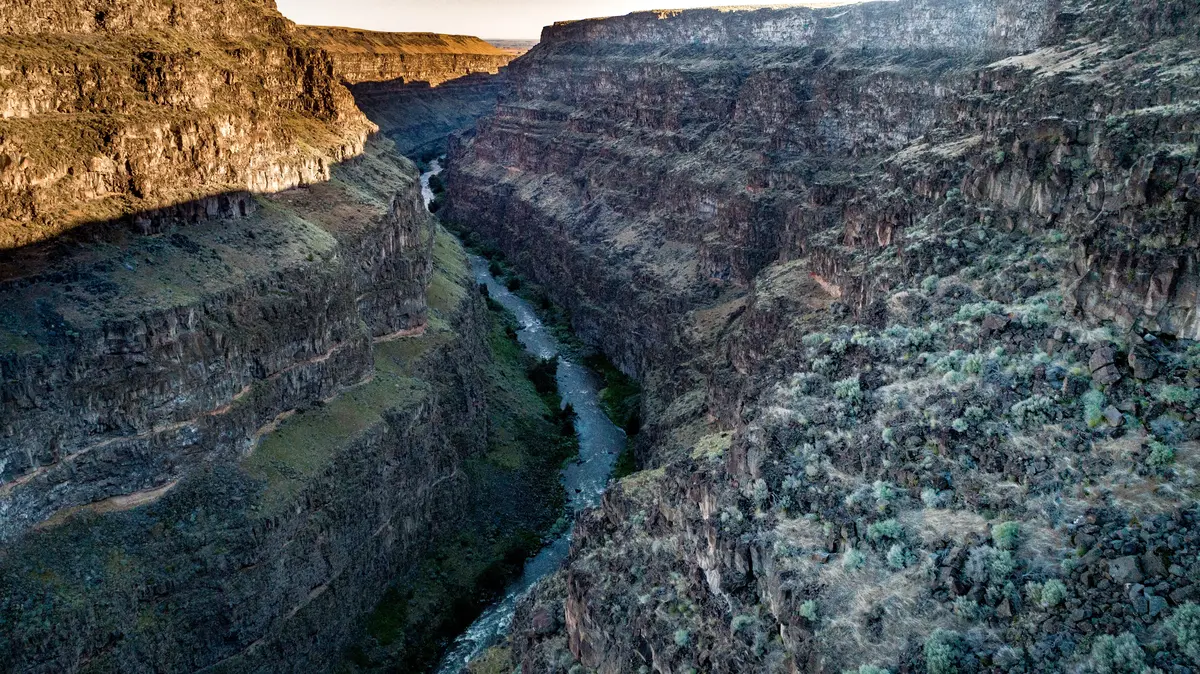
The second dividing line is elevation and lot size. Bennett Mountain sits above the rest of the city with acreage parcels and Owyhee Mountain views; everything else is flat, grid-pattern desert streets. Buyers who assume the whole city looks the same are usually surprised by how different the energy feels between a quarter-acre downtown lot and a 1.16-acre Bennett Mountain parcel five minutes away.
School boundary lines inside Mountain Home School District 193 are worth verifying before you close — the district is not large, but elementary feeder schools vary by address, and families with school-age children consistently report that getting the right school assignment matters more than the extra bedroom they were chasing. Check the district's current boundary map for any address you're seriously considering.
Neighborhoods at a Glance
| Neighborhood | Best For | Price Range | Vibe |
|---|---|---|---|
| North End | Families School | $320,000–$390,000 | Quiet grid streets, established yards, school-focused |
| Patriot Subdivision | First-Time Commuter | $310,000–$375,000 | Newer construction, HOA order, base-accessible |
| Bennett Mountain | Luxury Privacy Views | $420,000–$580,000 | Acreage lots, panoramic views, elevated and separate |
| East Airbase Road | Commuter Value | $270,000–$340,000 | High turnover, entry-level, close to the base corridor |
| Downtown Historic District | Walkable Renter | $280,000–$360,000 | Century brick buildings, murals, indie character |
| South Cole | Families Quiet | $305,000–$370,000 | Suburban feel, newer pockets, low through-traffic |
| West Mountain Home | Value Nature | $260,000–$330,000 | Affordable, open desert edge, closest to the base corridor |
Best Neighborhood by Buyer Type
| Buyer Type | Best Neighborhood | Why |
|---|---|---|
| First-Time Buyer | Patriot Subdivision | Newer builds with manageable maintenance, consistent resale values, and a predictable HOA structure that protects the investment. |
| Luxury Buyer | Bennett Mountain | The only area in Mountain Home where acreage lots, Owyhee Mountain views, and true separation from the city grid combine at the top of the price range. |
| Walkability Seeker | Downtown Historic District | Apple Barrel Deli & Bakery on N 2nd E St, Stoney's Restaurant on N Main, the Penny Wall murals, and Railroad Park are all reachable on foot — rare in this city. |
| Families with Kids | North End | Established neighborhood with school-friendly streets, Carl Miller Park nearby, and lower cut-through traffic than the Airbase Road corridor. |
| Commuters to Boise | Patriot Subdivision | Straightforward I-84 on-ramp access makes the Boise drive as manageable as it gets from Mountain Home. |
| Large-Lot Buyers | Bennett Mountain | Parcels averaging around 1.16 acres give you room for outbuildings, animals, or just genuine quiet — nothing else in the city comes close. |
| Renters | East Airbase Road | The highest concentration of rental inventory in the city, driven by military rotation demand, keeps availability relatively steady year-round. |
Looking to buy in Mountain Home? Estimate your payment.
Enter your numbers to see an estimated monthly mortgage payment.
Estimate only. Excludes HOA fees and mortgage insurance. The interest rate above is a starting point, not a quoted rate — replace it with your own to see real numbers. Insurance is a flat placeholder, not a Mountain Home quote.
Most Popular Neighborhoods
North End
North End is the neighborhood families most reliably point to when they want a settled, school-focused street without the noise of the Airbase Road corridor. Yards are mature, lots are standard residential size, and Carl Miller Park anchors the eastern edge of the area. The catch is that housing stock skews older — expect deferred maintenance on roof and HVAC on anything priced at the low end of the range.
Best for: Families with school-age children who want a quiet, established street and easy park access.
Patriot Subdivision
Patriot Subdivision is Mountain Home's clearest example of purpose-built military-community housing: HOA-governed, newer construction, and priced so that PCS orders don't trap a seller underwater. The downside of that same turnover engine is that neighbors rotate frequently, which makes building a long-term block community harder than in older parts of town. I-84 on-ramp access is straightforward, which makes it the default choice for Boise commuters who also want a newer home.
Best for: First-time buyers, active-duty families, and Boise commuters who want low-maintenance construction and predictable resale.
Bennett Mountain
Bennett Mountain is the area buyers move to when they've decided Mountain Home is home — not a two-year posting. Parcels running around 1.16 acres, views toward the Owyhee Mountains, and proximity to CJ Strike Reservoir and Anderson Ranch Dam all point toward a lifestyle rather than just a house. Prices at $420,000–$580,000 put it clearly above the city-wide typical figure, and the road into the subdivision adds real drive time for errands that feel trivial on a flat grid street.
Best for: Buyers prioritizing space, views, and long-term roots over convenience and proximity to services.
East Airbase Road
East Airbase Road is where the math on entry-level ownership works best in Mountain Home — prices at $270,000–$340,000 are the lowest of any established neighborhood, and the location along State Highway 67 keeps the base within easy reach. The honest downside: the five-lane corridor means truck traffic, commercial signage, and noise levels that feel distinctly different from the residential streets one mile north or south. Buyers who don't drive to the base regularly sometimes underestimate how present the road feels from a front porch here.
Best for: Base workers on tight budgets, investors targeting military rental demand, and buyers who genuinely don't mind a commercial-corridor streetscape.
Downtown Historic District
Downtown's century-old brick storefronts — including the 1910 Bengoechea Hotel on N. 2nd West St. and the 1908 Carnegie Library on S. 3rd St. East — give Mountain Home its only real sense of architectural layering. The Hub retail revitalization project and the Penny Wall murals signal active investment, and Stoney's Restaurant on N Main and Apple Barrel Deli & Bakery on N 2nd E St are within genuine walking distance. The catch is that downtown Mountain Home is still very much a work in progress: vacant storefronts and inconsistent foot traffic sit alongside the bright spots, and some blocks feel more like a project than a destination.
Best for: Buyers who value walkable character, historic architecture, and want to be part of a neighborhood still finding its footing.
South Cole
South Cole reads as the quietest quadrant of the city — suburban in the real sense, with low through-traffic and newer residential pockets built in the 2000s and 2010s. Richard Aguirre Park sits within the broader south side and gives families a local green space without driving across town. The compromise is that South Cole doesn't have a strong identity of its own: it's comfortable and unremarkable, which suits buyers who want to live their life without the neighborhood being a conversation topic.
Best for: Families with young children and buyers who prioritize a calm, low-traffic street over neighborhood character or proximity to downtown.
West Mountain Home
West Mountain Home carries the city's most affordable price range at $260,000–$330,000, and that's a real advantage for buyers who don't need to be near downtown or north-end schools. The western edge of the city sits closest to the State Highway 67 corridor toward the base, making it the shortest distance for base workers. The honest read is that this side of town has the least amenity density — grocery runs and school drop-offs require driving across the city — and some blocks show the wear of a housing stock that hasn't seen the same reinvestment as Patriot or North End.
Best for: Budget-conscious buyers, base workers prioritizing location to the corridor, and investors comfortable with a value-tier entry point.
Common Mistakes Buyers Make in Mountain Home
Assuming Airbase Road Is Just a Street
Buyers relocating from outside Idaho routinely underestimate what it means to live adjacent to a five-lane state highway. State Highway 67 handles heavy military and commercial traffic on weekday mornings, and homes within a block or two of the corridor — particularly along the East Airbase Road stretch — carry that noise into backyards and front windows. Spend time in the area on a weekday morning before you make an offer on anything within sight of it.
Chasing Square Footage Over School Boundary
Mountain Home School District 193 is one district, but elementary feeder school assignments are address-specific. Buyers focused on getting the most house for the money sometimes land in a school zone they didn't intend — often by buying two blocks south or west of where they assumed the boundary ran. Pull the district's current boundary map for any address you're seriously considering; don't rely on a neighbor's word or last year's data.
Misjudging the Bennett Mountain Drive Time
Bennett Mountain looks close on a map. It is close on a map. But the combination of elevation change, the road into the subdivision, and the fact that Mountain Home's commercial services sit on the opposite side of the grid means that daily errands add up differently than a flat-city buyer expects. Families who need quick school drop-offs, same-day pharmacy runs, or frequent base access sometimes find the compromise steeper than the view justifies.
Buying a Rental Without Accounting for Military Rotation Timing
East Airbase Road and Patriot Subdivision carry strong rental demand — but that demand moves in waves tied to PCS (permanent change of station) seasons, which cluster around June and July. Investors who close on a rental in September occasionally find themselves chasing a tenant until the following summer. If you're buying specifically for the military rental market, aligning your purchase and lease-up period to base rotation cycles matters more here than in almost any other Idaho market.
Best Areas to Rent in Mountain Home
| Area | Ideal For | Typical Rent Range | Trade-off |
|---|---|---|---|
| East Airbase Road | Base workers, military families on BAH | $1,100–$1,500/mo | Corridor noise; high turnover means limited landlord continuity |
| Patriot Subdivision | Families wanting newer construction | $1,300–$1,700/mo | HOA rules apply to tenants; fewer available units than east corridor |
| North End | Families prioritizing school proximity | $1,150–$1,500/mo | Older housing stock; fewer rentals listed at any given time |
| Downtown Historic District | Singles, couples, base civilian workers | $950–$1,350/mo | Walkable but limited grocery and big-box access on foot |
| West Mountain Home | Budget-conscious renters, base workers | $900–$1,200/mo | Fewest amenities nearby; some blocks need attention |
Mountain Home's rental market moves in sync with base rotation seasons — availability peaks in early summer when outgoing military families vacate, and tightens fast by August. Median days on market for listed homes sat at 55 days in April 2026, a signal that the overall market is stable rather than competitive, which generally keeps rents from spiking the way they do in Boise's tighter submarkets.
Local Expert Takeaway: Mountain Home's neighborhood decision usually comes down to one question: are you here for the base, or are you here to stay? If you're on a military timeline, Patriot Subdivision and East Airbase Road keep you close to the corridor and your resale options clean. If you're planting roots, North End gives you the schools and the parks, Bennett Mountain gives you the land and the views, and Downtown is the bet on a neighborhood still becoming what it wants to be. The city-wide typical home value of $346,124 means your dollar goes further than almost anywhere else in the Treasure Valley — but only if you understand which corridor you're living next to and which school boundary your address actually falls inside.
Quick Takeaways & FAQs
✅ Mountain Home's $346,124 typical home value (Zillow Home Value Index, May 2026) puts entry-level ownership within reach for buyers priced out of Boise's closer suburbs.
⚠️ Military rotation cycles drive rental demand in waves — investors and renters alike should plan around June–July PCS season rather than treating availability as steady year-round.
📍 Bennett Mountain parcels average around 1.16 acres with Owyhee Mountain views, but the road into the subdivision adds real daily drive time that flat-map buyers consistently underestimate.
What is the most affordable neighborhood in Mountain Home, Idaho?
Which Mountain Home neighborhood is best for military families?
Are there neighborhoods in Mountain Home with large lots or acreage?
How walkable is downtown Mountain Home?
What do people who move out of Mountain Home say they miss — or didn't expect?
Moving to Idaho?
Tell us what you need help with and we'll connect you with local resources.
