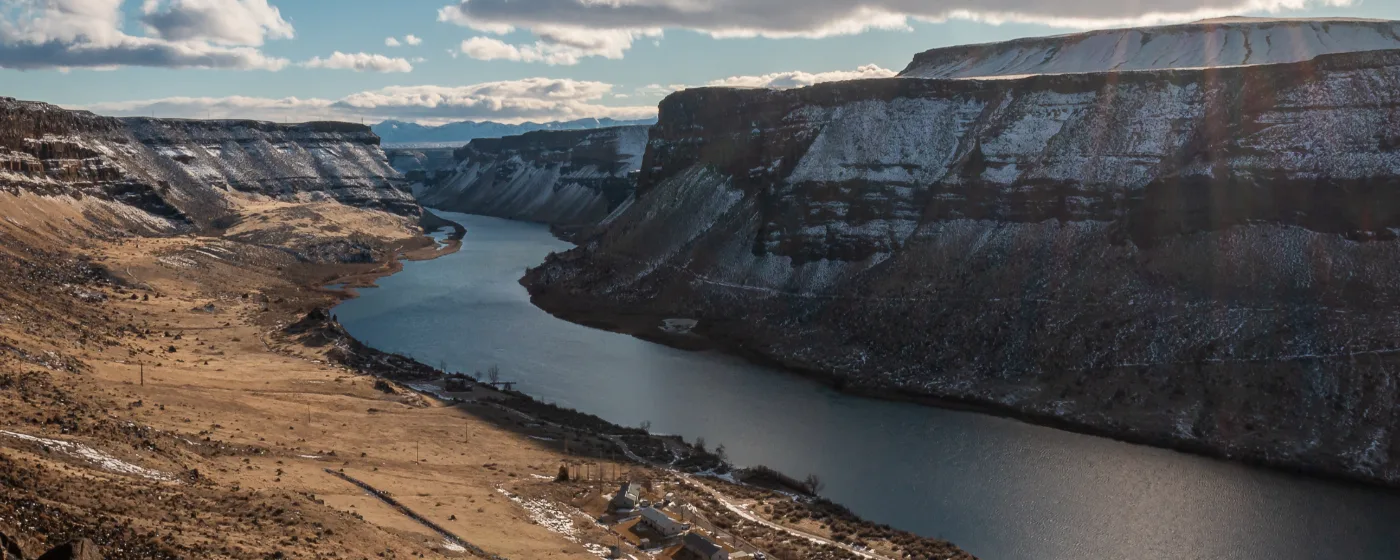
Most Californians who land in Kuna say the same thing in month three: they can't believe how quiet it is — and they mean that in every sense. No freeway roar outside the bedroom window, no neighbor six feet away through a shared wall, no 90-minute commute that eats the beginning and end of every workday. Kuna sits about 25 minutes southwest of Boise on the flat, high-desert edge of the Treasure Valley, connected to the metro by Highway 69 and I-84. It is not a suburb that crept outward from a downtown core. It is a standalone small city that has grown fast — from roughly 15,000 people a decade ago to more than 32,000 today — precisely because people from California, Oregon, and Washington figured out the math and liked what they found.
The community's backbone is a mix of young working households, construction and logistics workers, and remote professionals who needed space their California budget couldn't buy. The Kuna Joint School District is the city's largest single employer, and the district's growth mirrors the city's: new elementary capacity has been added repeatedly in recent years to keep pace. Costco Warehouse and FedEx Ground anchor the local employment base on the retail and logistics side, while many residents commute north to Meridian or Boise, where tech, healthcare, and state-government jobs concentrate. The household income here goes noticeably further than it would in the Bay Area or greater Los Angeles, and the city's growth reflects that calculation playing out in real time.
On price alone, Kuna is one of the more accessible entry points into Ada County. The city's typical home value is $462,954 (Zillow Home Value Index, April 2026) — a figure that, for many California buyers, represents the kind of single-family home with a real yard and a two-car garage they hadn't been able to afford for years. Day-to-day life runs on big-box retail in Nampa and Meridian, a handful of independent restaurants along W Main St and W Avalon St in Kuna proper, and outdoor access to the Snake River Birds of Prey National Conservation Area and the Indian Creek Greenbelt, which threads through the city's core. For more on parks and trails, see the parks and recreation page.
Whether you're being relocated by an employer, priced out of a coastal market, or simply done with California's cost structure, the sections below break down what the California-to-Kuna move actually looks like on paper and on the ground — home prices, taxes, the property-tax nuance that surprises most Prop 13 holders, the lifestyle trade-offs, and the things nobody puts in a relocation brochure.
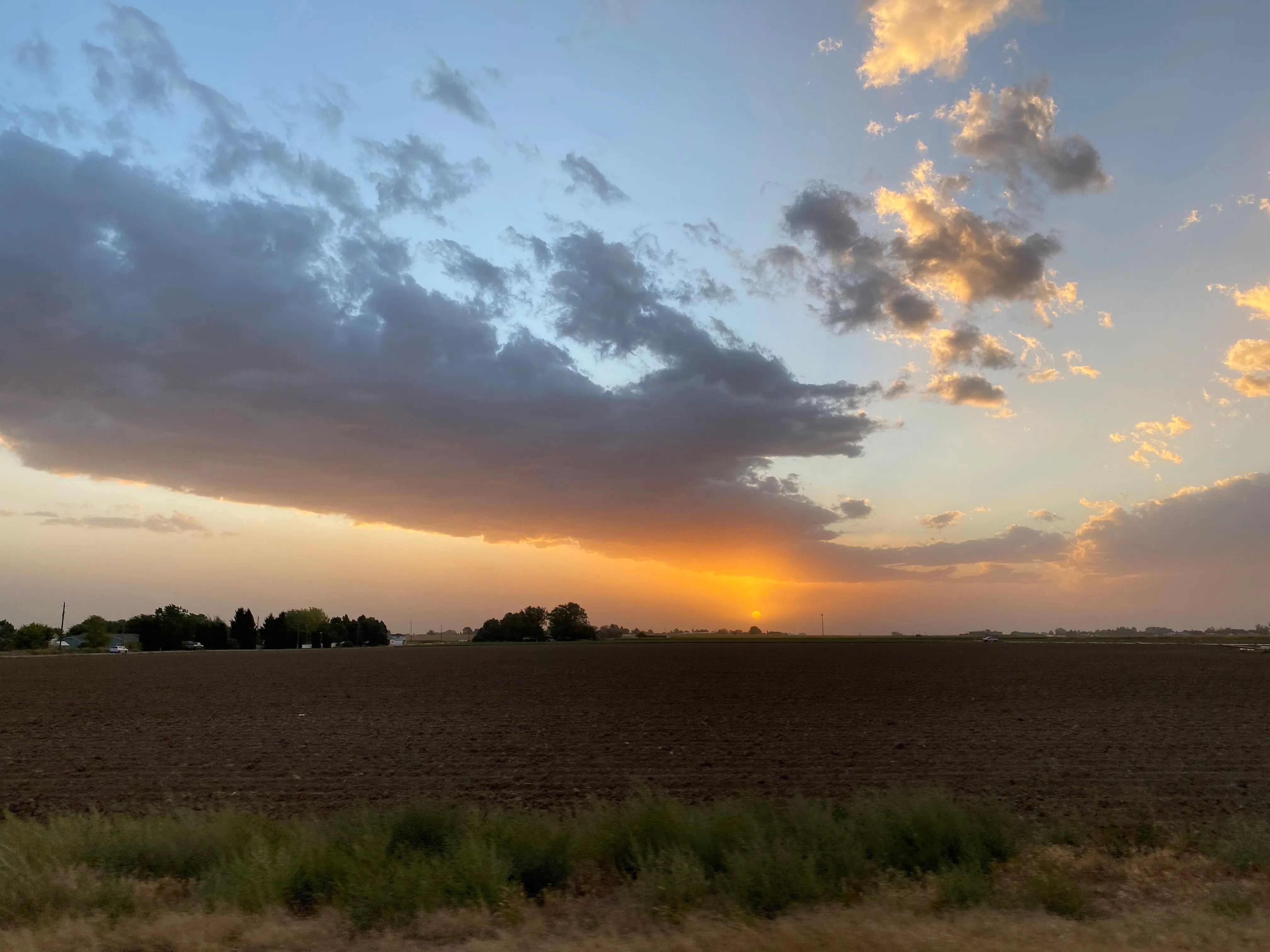
The Home Price Gap: What California's $843,390 Buys Here
California's statewide median home sale price was $843,390 in Q1 2026, per the California Association of Realtors. Kuna's typical home value sat at $462,954 during the same period, per the Zillow Home Value Index. That gap is not a rounding difference — it is the difference between stretching to afford a 1,400-square-foot townhouse in Sacramento's outer suburbs and buying a 2,000-square-foot single-family home with a three-car garage and a view of the Owyhee foothills.
What that figure buys in Kuna specifically depends on the neighborhood and the age of construction. Newer planned communities tend to price at or above the city median, with larger lots and HOA amenities. Older sections of town and infill streets closer to downtown Kuna typically come in below it. For neighborhood-by-neighborhood character and what each area feels like to live in, the best neighborhoods guide goes deeper.
The home-price-to-income ratio tells its own story. Kuna's median household income of $96,219 against a $462,954 typical home value puts the price-to-income ratio at roughly 4.8 times earnings. The California ratio implied by that $843,390 statewide median is considerably higher — the gap in purchasing power between the two markets is one of the clearest financial cases for the move.
What Californians Actually Get for That Price
Entry-level inventory in Kuna — homes under $400,000 — tends to be older construction from the early 2000s or smaller footprints in newer developments. The $450,000–$550,000 range is where most of the mid-market action is: three or four bedrooms, an open-concept main floor, and a yard that actually has room for a trampoline or a garden bed. For a full breakdown of what different price points deliver across specific neighborhoods, the best neighborhoods page has the detail.
California buyers often arrive expecting to negotiate hard. Kuna's market has softened from its 2021–2022 peak, but well-priced homes in established neighborhoods still move within two to three weeks. Coming in with a clean offer and local pre-approval helps more than most buyers expect. For the mechanics of buying in Idaho — down payment structures and loan programs — see the first-time homebuyer page.
Taxes: The Full Picture, Not Just the Headline
Idaho's income tax is a flat 5.3% on all taxable income — one rate, no brackets, effective January 1, 2025 under HB 40 and unchanged for 2026. California runs nine brackets from 1.00% to 12.30%, plus a 1% Behavioral Health Services Tax on income above $1 million, for an effective top rate of 13.3%. On top of that, California imposes State Disability Insurance at 1.3% in 2026 with no wage cap, applied to every dollar of W-2 earnings. Idaho has no equivalent.
The Crossover Point Nobody Mentions
Here's what most California-to-Idaho relocation content skips: Idaho's flat rate is not always lower. Below approximately $81,000 in taxable income, California's progressive brackets can produce a smaller state tax bill than Idaho's 5.3% flat rate. Above that threshold, Idaho wins. At $100,000 of income, Idaho saves roughly $462 compared to California. The higher your income, the wider the gap in Idaho's favor.
If you're moving with a household income near or below that crossover point — say, one earner in a new position that pays less than your California salary — run the actual numbers before assuming Idaho is cheaper on income tax. It usually is for Kuna's median household, but not universally.
| Tax Type | California | Idaho (Kuna) |
|---|---|---|
| State income tax | 1%–12.3% (9 brackets) + 13.3% top rate | Flat 5.3% |
| SDI / disability payroll | 1.3% on all W-2 wages, no cap | None |
| Base sales tax rate | 7.25% | 6.0% |
| Grocery tax | Exempt in most jurisdictions | 6%, offset by $155/person refundable credit |
| Gas excise tax | 61.2¢/gallon (highest in U.S.) | Significantly lower |
| Effective property tax rate | ~0.7% at assessed value (Prop 13 applies) | 0.76% |
| State tax competitiveness (Tax Foundation 2026) | Low-ranked | 9th overall |
The Proposition 13 Nuance
California's effective property tax rate is approximately 0.7% — nearly identical to Kuna's 0.76% on paper. But Prop 13 freezes assessed value increases at 2% per year from the date of purchase. If you bought your California home a decade ago at $500,000 and it's now worth $1.1 million, you're being taxed on something close to $600,000, not $1.1 million.
When you sell that home and buy in Kuna, you lose that Prop 13 protection permanently. Your new assessed value in Idaho is the purchase price, and it adjusts with the market each year. For most buyers, Kuna's lower base rate and far lower purchase price mean the annual property tax bill is substantially smaller — but don't assume the rates are the math. The numbers to compare are the actual dollar amounts on the bill, not the percentages alone. For a full tax breakdown, see the cost of living page.
Sales Tax: Idaho Taxes Groceries, California Often Doesn't
Idaho's 6% sales tax applies to groceries — California's generally does not. Idaho offsets this with a refundable Grocery Tax Credit of $155 per person per year, raised from $120 in the 2025 legislative session. For a family of four, that's $620 back at tax time. It softens the blow, but if your household eats well and shops at full-service grocery stores, budget accordingly. California's base sales rate of 7.25% is higher, but local add-ons in many California cities push effective rates well above Idaho's 6%.

What Changes After You Move: The Lifestyle Shift
Six months in, California transplants tend to notice two things they didn't fully anticipate. First, Kuna is genuinely quiet at night — the kind of quiet that feels unsettling if you grew up with ambient freeway noise. Second, you will drive more than you think. There is no meaningful public transit, and the city's commercial core is a single corridor along W Main St with limited walkability. Every grocery run, every dinner out, every soccer practice involves getting in a car.
Where People Actually Gather
Bernie Fisher Park along the Indian Creek Greenbelt is the social anchor on weekend mornings — families with kids, dog walkers, and the informal weekend farmer's market crowd in season. The Falcon Crest Golf Course draws its own consistent community. For dinner, the independently owned sit-down spots along W Main St and W Avalon St handle most of the local rotation — neither is a destination restaurant, but they're well-regarded by residents who don't want to drive to Nampa every time.
The Boise Commute: What the Clock Actually Says
Highway 69 north to the Boise metro is the dominant daily artery. The 25-minute drive to Boise works reliably before 7:15 a.m. and after 6:00 p.m. Between those windows, the merge onto I-84 near Meridian becomes the bottleneck. Experienced Kuna commuters who work in south Boise or downtown often take Kuna-Mora Road to Five Mile Road to sidestep the worst of it — it adds two minutes on a light day but can save ten on a heavy one. If your job is in Nampa rather than Boise, the commute is even shorter and largely avoids that chokepoint entirely.
Remote and hybrid workers have the most to gain from Kuna's price point — they get the space and the savings without the daily Highway 69 grind. That's a real part of why Kuna's population has grown so fast. For more on commute patterns and employer locations across the Treasure Valley, see the living in Kuna overview.
What People Miss — and What Makes Them Leave
The honest version: people who leave Kuna after a year or two usually name one of three things. They underestimated how car-dependent daily life would be. They wanted more restaurant and cultural variety than a city of 32,000 can support without driving to Meridian or Boise. Or they moved during winter without understanding that the Treasure Valley sits in an inversion zone — when cold air pools in the valley and wildfire smoke settles in the basin, air quality drops sharply, and the high-desert landscape that looked golden and open in July can feel grey and sealed-in for stretches of January and February.
None of those are dealbreakers for most buyers. But they are the things a relocation brochure won't tell you, and they're worth weighing honestly before you close.
Looking to buy in Kuna? Estimate your payment.
Enter your numbers to see an estimated monthly mortgage payment.
Estimate only. Excludes HOA fees and mortgage insurance. The interest rate above is a starting point, not a quoted rate — replace it with your own to see real numbers. Insurance is a flat placeholder, not a Kuna quote.
Who Moves to Kuna from California — and Who Thinks Twice
Ada, Canyon, and Kootenai counties added approximately 109,000 residents between 2020 and 2025, roughly 60% of Idaho's total population growth over that period. Ada County alone added more than 10,000 residents in 2025. A significant portion of that wave came from California — and a disproportionate share of those buyers landed in Kuna because it offered Ada County access at a price point that Meridian and Boise's core neighborhoods no longer could.
The Buyer Profile That Fits Best
The move makes the most financial sense for households earning above that $81,000 income-tax crossover threshold — especially dual-income households where combined earnings put them solidly into California's upper brackets. Families with school-age children who value space, low crime, and a quieter pace over urban walkability tend to settle in quickly. Remote workers who need a home office and a backyard, not a 15-minute walk to a coffee shop, find Kuna delivers exactly what they're optimizing for. For a fuller picture of who thrives here and in which neighborhoods, the living in Kuna page maps it out.
Who Tends to Struggle with the Adjustment
Single buyers and childless couples who built their California life around walkable neighborhoods, dense restaurant scenes, and strong public transit often find Kuna undersized for their daily needs — even with Boise 25 minutes away, it's not a substitute for living in a walkable urban core. Parents with school-age children should go in with clear eyes on the district: the Kuna Joint School District holds a C+ rating, according to Niche, and it is growing fast with infrastructure still catching up — it is not at the level of some competing Treasure Valley districts. The schools page has the full breakdown.
Buyers who expect to replicate a California lifestyle at Idaho prices are usually satisfied with the financial trade. Buyers who expected Idaho to feel like a cheaper version of California socially and culturally are the ones who end up surprised. It's a different place — lower density, more conservative politically, built around driving and outdoor access — and the buyers who thrive here are usually the ones who moved specifically because they wanted that difference, not in spite of it.
Safety: One Thing That Rarely Disappoints
Kuna's violent crime rate is among the lower figures in the Treasure Valley, and the property crime rate similarly sits well below national averages — something California transplants from higher-crime metro areas notice immediately and consistently. It's among the safer communities of its size in Idaho. For more detail, see the safety page.
Making the Move: Practical Steps for California Buyers
California buyers entering the Kuna market face a few practical realities that differ from what most of them experienced buying in-state. Idaho does not have the same disclosure requirements California does — the seller disclosure form is shorter and the buyer carries more responsibility for due diligence. Get a thorough inspection. The high-desert climate is hard on roofing, HVAC systems, and concrete flatwork in ways that may not be obvious to someone used to coastal California construction.
Timing Your Sale and Your Purchase
The most common mistake California sellers make is assuming they can sell their home, park the proceeds in savings for six months while they rent in Kuna, and then buy leisurely. Kuna's rental market has tightened significantly as the city has grown — finding a quality short-term rental while you search for a home is harder and more expensive than most people expect. If your California equity is strong and your timeline is flexible, a bridge approach or a simultaneous close is often cleaner than a two-step rental.
Kuna's market slows meaningfully in November and December and picks back up in late February. Buyers who can be flexible and shop in late fall often face less competition. Sellers listing in March through June typically see the best activity. That seasonality is less pronounced than in mountain resort markets but more defined than California's relatively year-round cycle.
What to Sort Out Before You Arrive
- Driver's license and vehicle registration: Idaho requires both within 90 days of establishing residency. Budget for emissions testing if your vehicle is registered in a California county with stricter standards — Idaho's requirements are lighter, which is a welcome change.
- Idaho residency for income-tax purposes: Establish a clear date of domicile change. California's state tax authority is aggressive about part-year residency claims — consult a CPA who understands both states before your first Idaho tax year.
- Home insurance: Wildfire risk is real in southwest Idaho, and insurers have been tightening underwriting across the West. Get quotes early — do not assume your current carrier will write a policy or that Idaho will be as straightforward as wherever you came from.
- Water rights and irrigation: Some Kuna-area parcels have irrigation water rights attached — a concept most California buyers from suburban areas have never encountered. If a listing mentions irrigation rights, understand what they are and whether they transfer.
The financial case for moving from California to Kuna is strong for most mid-to-upper-income households. The practical case depends on whether you're moving toward something you actually want — space, quiet, a different pace, land — or simply away from California's cost structure. Buyers in the first group tend to stay. The cost of living page has the detailed figures to help you run your own comparison.
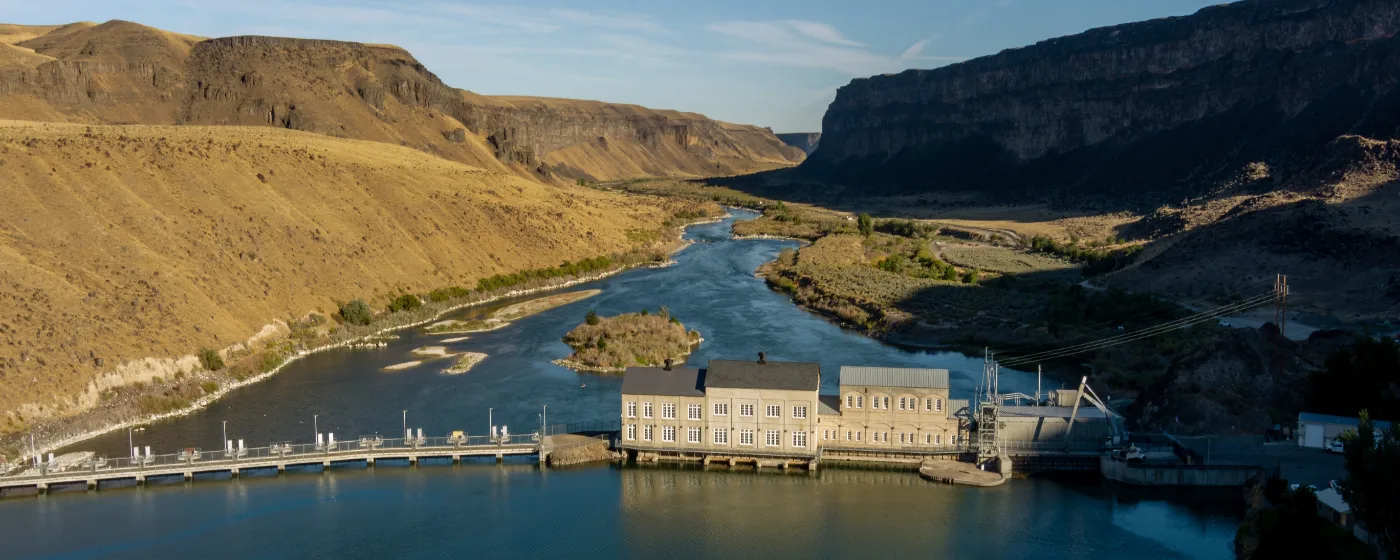
Local Expert Takeaway: Kuna makes the most financial sense for California households earning above roughly $81,000 — that's where Idaho's flat 5.3% income tax starts consistently outperforming California's brackets. Pair that with a typical home value of $462,954 against California's $843,390 statewide median, and the equity math for most California sellers is compelling. But go in knowing that Highway 69 is your lifeline and Bernie Fisher Park is your nearest version of a town square — Kuna is a car-dependent, outdoor-first, genuinely quiet small city, and the buyers who thrive here moved because they wanted exactly that.
Quick Takeaways & FAQs
✅ Kuna's typical home value of $462,954 (Zillow Home Value Index, April 2026) is dramatically below California's statewide median, giving most California equity sellers a rare chance to buy outright or carry a small mortgage.
⚠️ Idaho taxes groceries at 6% — California generally does not — and Kuna's car-dependent layout means you'll drive more than you expect, even for daily errands.
📍 The Highway 69 merge onto I-84 near Meridian is the one real traffic chokepoint on the Boise commute; leave before 7:15 a.m. or take Kuna-Mora Road to Five Mile Road to sidestep the worst of it.
Is moving from California to Kuna, Idaho worth it financially?
What happens to my Proposition 13 property tax protection when I move to Idaho?
How long is the commute from Kuna to Boise?
What are the schools like in Kuna for families moving from California?
What do California transplants wish they'd known before moving to Kuna?
Moving to Idaho?
Tell us what you need help with and we'll connect you with local resources.
