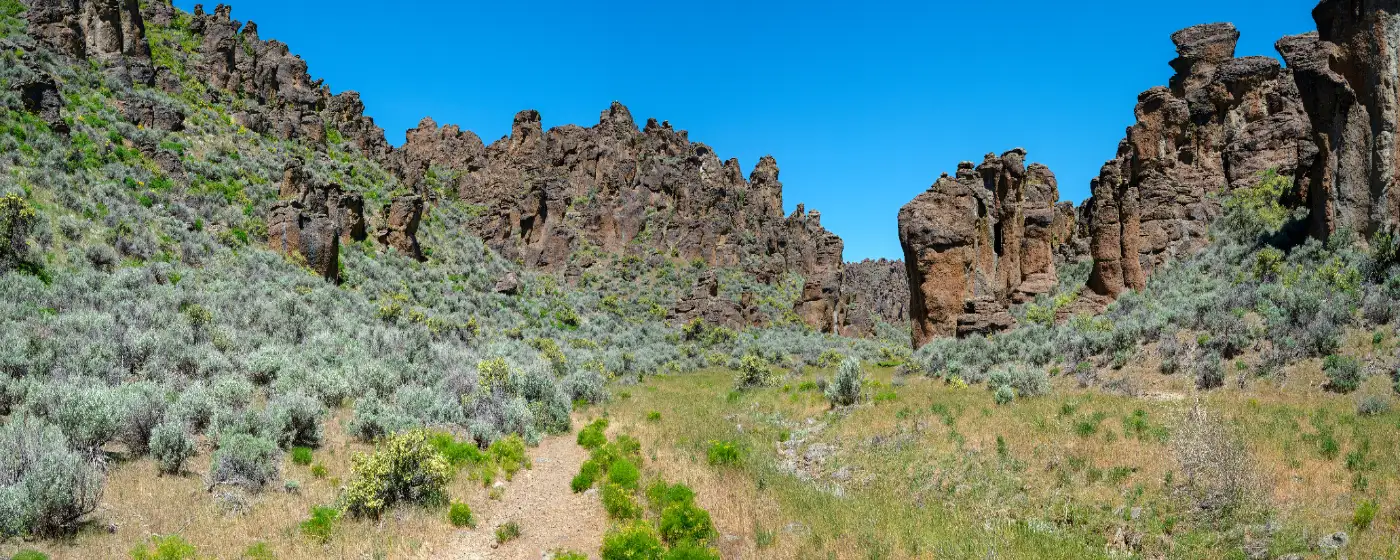
Maybe someone from your company mentioned Gooding, or you pulled up a map and noticed it sits almost exactly halfway between Twin Falls and the smaller agricultural towns to the east along U.S. Highway 26 — close enough to Magic Valley's job centers to be practical, far enough from them to feel like a genuinely different pace of life. What surprises most people who come to look at homes here is how intact the town feels: a functioning downtown with historic brick storefronts, a real main street with independent restaurants, and a Gooding County Courthouse that looks like it belongs in a postcard. The Glanbia Foods plant on the eastern edge provides an industrial anchor that keeps the local tax base steady, and Highway 46 running north-south gives the city its main commercial spine.
The economic backbone is a combination of dairy and food manufacturing — Glanbia Foods and Ballard Family Dairy & Cheese among them — plus the Gooding Joint School District, which accounts for a significant share of local employment. Gooding High School punches above its small-town weight: in 2025, Colston Loveland became a top NFL Draft pick out of this community of under 4,000 people, and that kind of story travels fast among families scoping out small Idaho towns. The Idaho School for the Deaf and the Blind also calls Gooding home, giving the city an institutional footprint larger than its population would suggest.
Home prices here sit noticeably below the Idaho state median — the Zillow Home Value Index for Gooding stood at $322,701 as of July 2026, and active MLS listings average a comparable figure — which means buyers priced out of Boise, Twin Falls, or even Jerome are finding real square footage at attainable prices. The compromise is that Gooding is a small, agricultural town with limited retail, and the closest big-box shopping is in Twin Falls, a short drive west. For day-to-day life, the Gooding Recreation District and Municipal Golf Course carry most of the community-gathering weight, and the Gooding City of Rocks is only about 12 miles away for weekend hiking.
Whether you're comparing a few listings or mapping out a full relocation, the sections below break down Gooding's neighborhoods by character, price range, buyer type, and honest trade-offs — along with the most common mistakes buyers make and where renters find the most options.

The Gooding Reality
The single most important thing to understand about Gooding's layout is that Highway 26 (Main Street through town) and Highway 46 together create a loose cross that divides the city into quadrants — and those quadrants feel genuinely different from one another. The commercial and historic core clusters along Main Street between roughly 3rd and 7th Avenues, while residential streets fan out north toward Montana Street, south toward Idaho Street, and west toward 7th Avenue. The Highway 46 corridor on the eastern edge is where the industrial uses — including the Glanbia Foods plant — are concentrated, and the noise and truck traffic that come with them are a real factor buyers routinely underestimate.
South of downtown, the character shifts quickly from town-grid neighborhoods to rural residential lots once you pass the established city blocks, giving buyers who want acreage without leaving the area's services a genuine option. North of Main Street, the Montana Street area represents some of the quieter, more established residential pockets in Gooding — older homes on mature tree-lined blocks that feel insulated from highway noise even though they're only a few blocks away. Understanding which side of Highway 46 you're on, and how close you are to the Main Street commercial corridor, is the orientation every buyer needs before making an offer.
School boundaries in Gooding Joint School District cover the whole city, so the school question here isn't about boundary lines — it's about condition, walkability to campus, and proximity to the Recreation District. Families with school-age children consistently prioritize the northwest quadrant (Montana Street, West 7th Avenue) for its calmer streets and reasonable walk to both the elementary and high school campuses.
Neighborhoods at a Glance
| Neighborhood | Best For | Price Range | Vibe |
|---|---|---|---|
| Downtown Gooding | Walkable First-Time | $210,000–$290,000 | Historic brick, walkable core, older bones |
| East Gooding | Value First-Time | $195,000–$270,000 | Working-class, no-frills, close to the plant |
| Main Street District | Walkable Commuter | $220,000–$310,000 | Revitalizing commercial strip, mixed-use feel |
| Montana Street area | Families Quiet | $250,000–$340,000 | Established, tree-lined, residential calm |
| Idaho Street corridor | Value Renter | $185,000–$265,000 | Affordable south-side lots, mixed housing stock |
| West 7th Avenue | Families School | $255,000–$360,000 | Newer builds, best school proximity, low traffic |
| Highway 46 corridor | Commuter Value | $190,000–$270,000 | Commercial-adjacent, industrial neighbor, practical |
| South Gooding rural residential | Privacy Nature | $310,000–$480,000 | Larger lots, agricultural edge, open sky |
Best Neighborhood by Buyer Type
| Buyer Type | Best Neighborhood | Why |
|---|---|---|
| First-Time Buyer | Downtown Gooding | Entry prices start below $215,000, walking distance to the courthouse, the Recreation District, and Main Street dining — manageable without a second car. |
| Luxury Buyer | South Gooding rural residential | The only area where you can reach an acre-plus lot with a newer build or custom home at the top of Gooding's price band, without the industrial adjacency of the east side. |
| Walkability Seeker | Main Street District | Independent restaurants, a local tap house, and El Cazador are all on this corridor — the closest thing Gooding has to a walkable restaurant row. |
| Families with Kids | West 7th Avenue | Newer construction, calmer cross-streets, and the shortest walking routes to both the elementary school campus and the Gooding Recreation District. |
| Plant & Institutional Workers | Montana Street area | Easy access to Highway 26 without the Highway 46 industrial noise, and quiet enough that early morning departures don't feel like a daily penalty. |
| Large-Lot Buyers | South Gooding rural residential | Half-acre to multi-acre parcels here are the only realistic option for buyers who want genuine separation from neighbors while staying near city services. |
| Renters | Idaho Street corridor | The highest concentration of rental stock in the city sits along and near Idaho Street, with the most availability and the most accessible price points for single-income households. |
Looking to buy in Gooding? Estimate your payment.
Enter your numbers to see an estimated monthly mortgage payment.
Estimate only. Excludes HOA fees and mortgage insurance. The interest rate above is a starting point, not a quoted rate — replace it with your own to see real numbers. Insurance is a flat placeholder, not a Gooding quote.
Most Popular Neighborhoods in Gooding
1. Downtown Gooding
Downtown Gooding is one of the few places in a city this size where you can walk from your front door to a sit-down dinner on Main Street without moving your car. The stock here runs to 1940s–1960s homes on compact lots — many with original hardwood floors and tall ceilings, but also with aging plumbing and electrical that buyers should price into their offer. Prices in this area typically run $210,000–$290,000, which makes it the most accessible owner-occupied option near downtown services.
Best for: First-time buyers, single-income households, and anyone who wants proximity to Gooding's civic and dining core without needing a large yard.
2. East Gooding
East Gooding is the most honest neighborhood in the city — it doesn't pretend to be anything other than a working-class residential area that sits close to the Glanbia Foods plant and the Highway 46 commercial strip. Prices in the $195,000–$270,000 range are the lowest in the city for owner-occupied stock, which attracts first-time buyers and plant employees who want a short walk to work. The catch is real: the industrial character of the area is noticeable on warm days when the wind is out of the east, and the surrounding land uses are a daily presence rather than an occasional nuisance.
Best for: Buyers on the tightest budgets who prioritize low price over quiet surroundings, and plant employees who value being close to work.
3. Main Street District
The Main Street District is where Gooding's urban renewal ambitions are most visible — crosswalk improvements, historic building fronts, and the active streetscape between roughly 3rd and 7th Avenues give this corridor more energy than any other block in the city. Residential properties here are mixed in with commercial uses, and the Gooding Hotel Bed & Breakfast (a National Register of Historic Places property) and the Citizens State Bank building at 3rd and Main anchor the historic identity. Prices in the $220,000–$310,000 range reflect the trade-off between walkability and the background hum of an active commercial street.
Best for: Buyers who want Gooding's most walkable address and don't mind the noise of a functioning main street.
4. Montana Street area
Montana Street and the blocks surrounding it represent the most livable residential pocket in Gooding — mature trees, established setbacks, and a neighborhood rhythm that feels a full generation more settled than anything on the east side of the highway. Homes here are predominantly from the 1950s through 1980s, with lot sizes that feel generous by modern standards, and they tend to hold value better than comparably priced stock elsewhere in the city. At $250,000–$340,000, this area is priced modestly above East Gooding and the Idaho Street corridor, which is appropriate given what you get in return.
Best for: Families with school-age children, remote workers who want a quiet home environment, and buyers who want a resale-friendly purchase in Gooding's most stable pocket.
5. Idaho Street corridor
The Idaho Street corridor runs along the southern side of the city's established grid and holds the highest density of rental housing in Gooding — which means buyers here are often purchasing into a neighborhood with mixed owner and tenant occupancy. Prices in the $185,000–$265,000 range attract investors as well as first-time buyers, and the lot sizes can be generous for the price point. The honest limitation is that street condition, property maintenance standards, and housing stock quality vary considerably from block to block, so walkthrough due diligence matters more here than anywhere else in the city.
Best for: Investors, first-time buyers comfortable doing cosmetic work, and buyers whose priority is price per square foot over neighborhood uniformity.
6. West 7th Avenue
West 7th Avenue and the blocks immediately surrounding it represent Gooding's best answer to the question of where parents with school-age children should look first — it has the newest residential construction in the established city grid, the least through-traffic, and the most walkable routes to the Gooding Recreation District and school campuses. New construction at nearby Clover Creek Estates has brought 5-bedroom homes with 9-foot ceilings and no HOA to this part of town, giving buyers a rare chance to get fresh construction without a premium lot cost. Prices in the $255,000–$360,000 range are the highest within the city grid proper, which is the right trade-off for buyers who want move-in-ready condition and low-traffic streets.
Best for: Parents with school-age children, buyers who want newer construction inside city limits, and households prioritizing low traffic over low price.
7. Highway 46 corridor
The Highway 46 corridor is the most practical — and the least romantic — address in Gooding, running north-south along the eastern edge of the city with a mix of commercial properties, light industrial uses, and residential lots that exist somewhat in the shadow of both. Prices in the $190,000–$270,000 range reflect the industrial adjacency and the noise from the Glanbia plant and associated activity on the eastern side of town. Buyers here are making a deliberate choice: they want the lowest price point that still puts them inside city services, and they're willing to accept the downside.
Best for: Buyers who need the lowest achievable price inside Gooding city limits and are realistic about the noise and industrial neighbor on the east side.
8. South Gooding rural residential
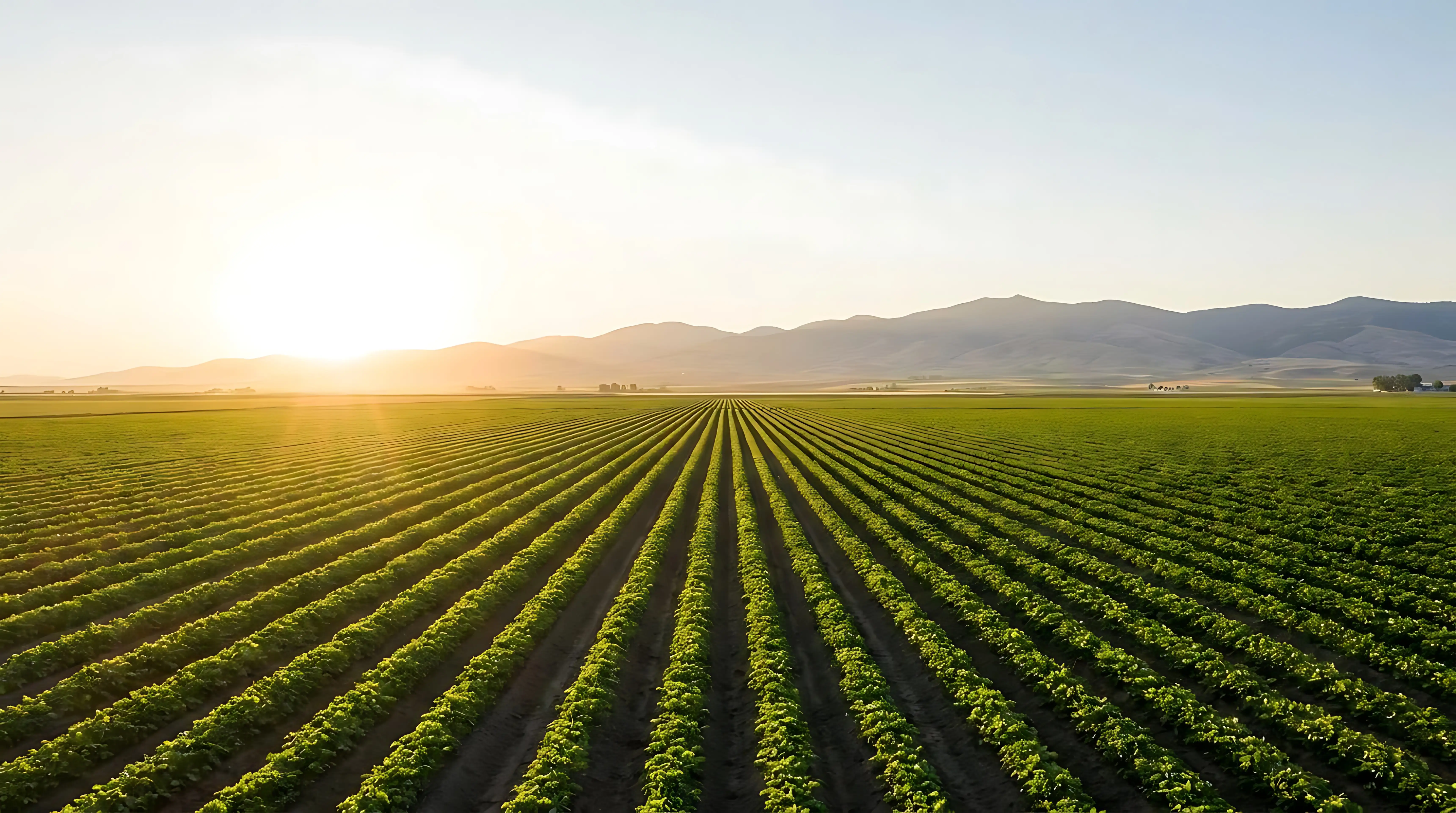
South Gooding rural residential is where the city grid dissolves into larger parcels — half-acre lots at minimum, with some properties running well past an acre — and where buyers from Boise or Twin Falls who want genuine breathing room find their answer. The price range of $310,000–$480,000 is the widest and the highest in Gooding, reflecting everything from older farmhouses on large lots to newer custom-built homes with mountain views and full agricultural surroundings. The honest limitation is distance from downtown services: the Recreation District, Main Street dining, and local retail all require a short drive that adds up when you're making that trip multiple times a day.
Best for: Buyers who prioritize lot size, privacy, and open-sky surroundings over walkability to town — and who are comfortable with the distance into Gooding's core from a rural base.
Common Mistakes Buyers Make in Gooding
Assuming the Highway 46 east side is just like everywhere else
The most consistent pattern among buyers who regret their purchase in Gooding is underestimating the Highway 46 corridor's industrial character. The Glanbia Foods plant operates on a manufacturing schedule, not a 9-to-5 one, and activity on the eastern side of town is audible from residential lots within two blocks during off-peak hours. Visiting a property on a Saturday afternoon does not tell you what Tuesday before dawn sounds like.
Buying south of downtown without accounting for the service trip
South Gooding rural residential looks like a great deal on paper — more land, newer builds, lower price per square foot than comparable acreage closer to Twin Falls. Buyers who move there without calculating how often they'll drive to the Recreation District for kids' activities, or even a hardware run on Idaho Street, often find the distance more wearing after six months than they expected. The city is small, but the lack of sidewalks and the separation from the core matters when you're making that trip on a weeknight.
Treating the Main Street District as a guaranteed appreciation play
The urban renewal vision for Main Street is real — the Opportunity Zone designation and the streetscape improvements are documented — but Gooding's population of under 4,000 means the timeline for that investment to translate into price appreciation is slower than buyers from larger markets assume. Purchasing on Main Street because you expect a five-year flip is a different calculation than purchasing because you want the walkable address today. Price it for today's use case, not a projected trajectory.
Ignoring school proximity when buying in the Idaho Street corridor
Every student in Gooding attends the same Gooding Joint School District schools, so there are no boundary advantages to protect — but the walk from the southern reaches of the Idaho Street corridor to school campuses is longer than families with young kids typically want. Buyers who prioritize price in that area and then discover the school run requires a car every day often wish they'd budgeted $15,000–$20,000 more for a Montana Street or West 7th Avenue address instead.
Best Areas to Rent in Gooding
| Area | Ideal For | Typical Rent Range | Trade-off |
|---|---|---|---|
| Idaho Street corridor | Single-income renters, plant employees | $750–$1,050/mo for 2BR | Most availability in the city; stock condition varies significantly block to block |
| Downtown Gooding | Young singles, couples without kids | $800–$1,100/mo for 2BR | Walkable to Main Street dining, but older buildings with limited parking |
| Main Street District | Newcomers testing the market | $850–$1,150/mo for 2BR | Most on-foot access in the city; some units above commercial spaces |
| Montana Street area | Families with school-age children | $950–$1,250/mo for 3BR | Quieter and better maintained, but fewer units available and lower turnover |
| Highway 46 corridor | Plant workers, budget-driven renters | $700–$950/mo for 2BR | Lowest rents in the city; industrial noise is a daily reality |
Gooding's rental market moves at a measured pace — homes citywide averaged 86 days on the market in August 2026, and the rental inventory reflects the same unhurried rhythm. Availability is limited: this is a predominantly owner-occupied town, and renters who find a well-maintained unit in the Montana Street area or Downtown typically hold onto it, which means the most desirable units rarely surface through standard listing channels and often move through word-of-mouth.

Local Expert Takeaway: In a city of under 4,000 people, Gooding's neighborhood differences are real but compressed — the distance between the quietest block on Montana Street and the loudest block near the Highway 46 corridor is under a mile. What matters most is which side of that industrial spine you're on, and whether your daily routine bends toward downtown's Main Street dining and the Recreation District, or toward a rural south-side lot with acreage and open sky. The West 7th Avenue and Montana Street areas are the most consistently recommended by local buyers' agents for families with kids, and for good reason — they combine Gooding's affordability with the city's best residential calm. If you're renting first to test the town, start on the Idaho Street corridor for availability, then migrate north when the right Montana Street or West 7th Avenue unit opens up.
Quick Takeaways & FAQs
✅ Gooding's Zillow Home Value Index of $322,701 (July 2026) puts it well below Idaho's state median, giving buyers real square footage at prices that have largely disappeared from Twin Falls and Jerome.
⚠️ The Highway 46 corridor's industrial character — including early-morning plant activity and occasional dairy-processing odor — is the most underestimated negative among buyers who visit on weekends and miss the weekday reality.
📍 Clover Creek Estates is bringing new 5-bedroom construction with 9-foot ceilings and no HOA to the West 7th Avenue side of town — currently the only place in Gooding to get fresh construction inside the established city grid.
What is the most affordable neighborhood in Gooding, Idaho?
Which Gooding neighborhood is best for families with school-age children?
Is South Gooding rural residential worth the distance from downtown services?
How competitive is the Gooding real estate market in 2026?
Are there new construction options in Gooding?
Moving to Idaho?
Tell us what you need help with and we'll connect you with local resources.
