
You've probably run the numbers at least twice. California's home prices, income tax, and general cost of pressure finally hit a tipping point, and someone — a coworker, a Reddit thread, a cousin who already left — mentioned the Treasure Valley. Caldwell sits at the western edge of that valley, anchored to Boise by I-84 and about 30 minutes from the state capital. It's the county seat of Canyon County, the fastest-growing city in Idaho between 2020 and 2024 (21.5% population growth, ranked #51 nationally), and it's pulling in California transplants at a pace that's visibly reshaping the city's housing stock, retail corridors, and school enrollment rosters.
The economic backbone here is a mix of public-sector anchors — Canyon County government, the College of Idaho, and two school districts — alongside a growing commercial base. Toll Brothers recently received city approval for Verbena Ranch Subdivision, a 1,019-home development south of W. Homedale Rd., and a new Home Depot broke ground at Sky Ranch Business Center in late 2024. That construction activity signals what locals already sense: Caldwell is no longer just Nampa's quieter neighbor. It has its own momentum, and the people driving that momentum are disproportionately arriving from the Bay Area, Sacramento, and Southern California.
The lifestyle shift is real and worth naming honestly. Caldwell's typical home value sits at $405,784 (Zillow Home Value Index, 2026) — a figure that reads like a typo to anyone coming from a coastal California market. The trade-off is a smaller-city pace, fewer dining and nightlife options, and summers that hit 100°F with little humidity. But Indian Creek Plaza in downtown hosts more than 200 public events annually, Lake Lowell is a legitimate outdoor amenity on the city's southern edge, and Amano on Arthur Street — a modern Mexican restaurant whose chef earned a James Beard regional Best Chef award in 2025 — is the kind of detail that surprises people expecting a farm town.
Whether you're mid-decision or deep into Zillow searches, the sections below cover the California-to-Caldwell financial comparison in detail, what the tax environment actually looks like, what surprises people after six months here, and the honest case for and against making this move.

The Home Price Reality: What California Money Buys Here
California's statewide median home price sits at approximately $776,000 in 2026. Caldwell's typical home value is $405,784 (Zillow Home Value Index, 2026). That gap is not a rounding error — it's a structural shift in what homeownership actually costs.
For most California buyers, the immediate reaction is disbelief followed by a second question: what's the catch? The honest answer is that Caldwell is not a suburb of Boise in the way Burbank is a suburb of Los Angeles. It has its own downtown, its own identity, and its own gaps in retail and services that you'll notice in year one. But the purchasing power difference is substantial and immediate.
What California Equity Does in Caldwell
A buyer rolling significant California equity into Caldwell can often purchase near or above the city's median price point while carrying a far smaller mortgage than a comparable California property would require. A buyer selling a median Bay Area or Los Angeles home and buying near Caldwell's median is often left with significant equity to invest, pay down debt, or hold as a financial cushion.
Entry-level homes — older construction, smaller lots, some deferred maintenance — start well below the city median. Newer construction in areas like Mandalay Ranch or the developing edges off Homedale Road commands more, but still tracks noticeably below what comparable new construction costs in Meridian or Eagle. For a deeper look at neighborhood-level character and geography, the Caldwell neighborhoods guide covers what distinguishes each area.
The New Construction Pipeline
Verbena Ranch, the Toll Brothers development approved in May 2025, will add 1,019 homes over roughly seven years south of W. Homedale Rd. and S. 10th Ave. That supply matters: it's one reason Caldwell's price appreciation has been more measured than Meridian's, and it gives buyers real optionality between existing homes and new builds.
The catch with new construction in any fast-growing Idaho city is that infrastructure sometimes lags. Roads, schools, and services in newer subdivisions can feel underdeveloped for the first few years. That's not unique to Caldwell, but it's worth asking about when evaluating specific developments.
| Category | California (Statewide) | Caldwell, Idaho |
|---|---|---|
| Typical home value (2026) | ~$776,000 | $405,784 (Zillow Home Value Index) |
| Effective property tax rate | ~0.70% | 0.57% |
| Top state income tax rate | 13.3% | 5.3% (flat rate, tax year 2025) |
| State sales tax (base) | 7.25% + local add-ons | 6.0%, no local add-on in Caldwell |
| Grocery sales tax | Exempt for most items | Taxed at full 6.0% |
| Estate / inheritance tax | No estate tax (federal only) | None |
Property taxes in Caldwell run at an effective rate of 0.57%, below California's approximate 0.70% — though California's Proposition 13 can push effective rates well below that figure for long-term homeowners. For a full breakdown of ongoing ownership costs, the cost of living page covers utilities, groceries, and transportation alongside housing.
The Tax Picture: Idaho vs. California
The income tax difference is the number that stops most California conversations cold. Idaho taxes income at a flat 5.3% (effective tax year 2025, reduced from 5.695% in 2024). California's top marginal rate is 13.3% — the highest in the nation — and it kicks in at income levels that catch more earners than most people expect.
For a household earning $150,000 a year, the difference between paying California's marginal rates versus Idaho's flat 5.3% is not symbolic. It's a material improvement in monthly take-home pay. That said, Idaho's flat rate means lower-income households don't get the same proportional benefit that progressive states offer at the low end of the income scale.
Sales Tax: One Counterintuitive Detail
Idaho's state sales tax is 6.0%, with no additional local sales tax in Caldwell. California's base rate is 7.25%, with local add-ons that push combined rates above 10% in many cities. On most purchases, Idaho's rate is lower.
The exception that surprises California transplants: Idaho taxes groceries at the full 6.0% rate. California exempts most groceries from sales tax entirely. If you're used to loading a cart at a California supermarket tax-free, you'll feel that difference at checkout almost immediately. It doesn't erase the other tax savings, but it's a real line item for families buying food in volume.
No Estate or Inheritance Tax
Idaho has no estate tax and no inheritance tax. For California families with significant assets — property equity, retirement accounts, investment portfolios — this can factor meaningfully into longer-term financial planning, particularly if wealth transfer is a consideration.
What Remote Workers Should Know
California's state tax authority has specific rules about taxing income earned by former residents, including a lookback period for equity compensation like RSUs and stock options that vested while you were a California resident. If you're leaving a tech job with unvested equity, verify your situation with a tax advisor before you move — the state may still claim a portion of that income even after you establish Idaho residency. This is one of the most commonly missed traps for Bay Area tech workers relocating to lower-tax states.
What Actually Surprises California Transplants
Six months in, most California transplants say some version of the same thing: the financial math is even better than they expected, but the cultural adjustment is larger than they anticipated. Both of those deserve specifics.
The Heat
Caldwell summers routinely reach 100°F or higher, and the valley's high desert climate means that heat is dry and relentless through July and August. Californians from coastal markets — the Bay Area, San Diego, even much of coastal Los Angeles — are genuinely unprepared for it. People from the Central Valley or the Inland Empire adjust faster. Budget for central air conditioning and expect your electricity costs to spike in summer months.
The Traffic Reality
The I-84 interchange at 10th Avenue becomes a genuine bottleneck during the afternoon commute window, roughly 4:30 to 6:00 p.m., especially on Fridays. Caldwell's east-west surface streets — Cleveland Boulevard in particular — back up in ways that surprise people used to thinking of this as a small town. The commute to Boise clocks around 30 minutes at off-peak hours; plan closer to 45 to 50 minutes if you're catching I-84 eastbound during the peak window. For a broader picture of commute patterns and employment corridors, see the living in Caldwell page.
Where Families Actually Gather
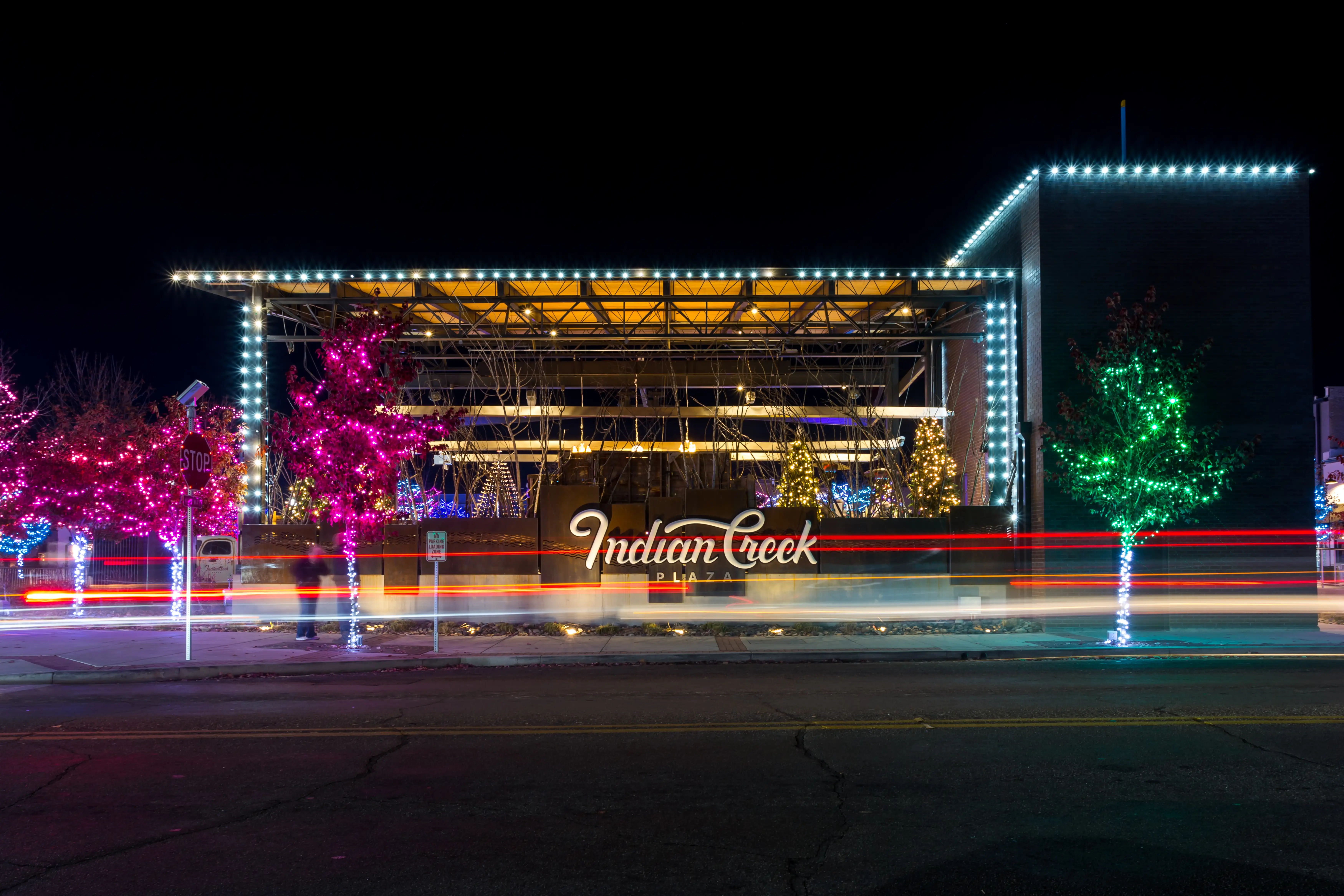
Indian Creek Plaza is the community's living room. Tuesday evenings draw a consistent crowd to the Farm to Fork Market from late spring through fall. The Indian Creek Festival in September and the Winter Wonderland in November are the two biggest anchors of the annual calendar. If you move here and don't make it to Indian Creek Plaza in your first month, you're missing the most direct read on how Caldwell socializes.
Why People Move Out
The honest reason people leave after two or three years: they underestimated how much they'd miss the amenity density of a larger metro. Caldwell has good bones and genuine momentum, but it doesn't yet have the restaurant variety, entertainment options, or walkable retail of Boise's established neighborhoods or Meridian's newer commercial corridors. Buyers who moved from Sacramento expecting a comparable urban texture sometimes find themselves driving to Boise more than they planned — and eventually relocating there.
The other common exit reason is schools. The district picture is mixed, and parents with specific academic or extracurricular priorities sometimes find what they need in Nampa or Meridian instead. A full look at the district options is on the Caldwell schools page.
Looking to buy in Caldwell? Estimate your payment.
Enter your numbers to see an estimated monthly mortgage payment.
Estimate only. Excludes HOA fees and mortgage insurance. The interest rate above is a starting point, not a quoted rate — replace it with your own to see real numbers. Insurance is a flat placeholder, not a Caldwell quote.
The Cultural and Lifestyle Shift
Caldwell is a working-class city with a strong agricultural history, a growing Latino community, and a college-town thread running through the College District neighborhood near the College of Idaho campus. That's a different social texture than most California suburbs, and it's worth engaging with honestly rather than projecting expectations onto it.
Downtown Is Genuinely Developing
The Caldwell Train Depot, the Canyon County Historical Museum, and Indian Creek Plaza form a walkable downtown core that has real character. Amano on Arthur Street — a modern Mexican restaurant whose chef earned a James Beard regional Best Chef award in 2025 — is the clearest signal that downtown Caldwell is not a placeholder. It's a destination, and the culinary identity it represents is rooted in the city's existing Latino community, not imported as a gentrification amenity.
That said, downtown's retail and dining ecosystem is still developing. You'll find the core, but not yet the density that makes a downtown feel self-sufficient on a random Wednesday evening. The Flying M Coffeeshop is a confirmed open coffee option in Caldwell for a daytime anchor.
Outdoor Access Is Real but Different
Lake Lowell on the city's southern edge provides boating, fishing, and bird-watching that are genuinely underrated. The Boise River Greenbelt and the foothills trail systems are 30 minutes east. Oregon's canyon country and the Snake River backcountry are within weekend reach. What Caldwell doesn't have is the immediate walkability to trails that Boise's closer-in neighborhoods offer — you'll drive to most outdoor recreation rather than walk out your front door. For a full breakdown of parks and access, the parks and recreation page has specifics.
The Political and Social Environment
Idaho is a deeply conservative state, and Canyon County tracks more conservative than Ada County (Boise). If you're coming from a California metro and are accustomed to a more politically diverse environment, the shift is noticeable — in local politics, in signage, and in social conversation. Most transplants find that daily life is neighborly and direct regardless of political differences, but it's worth knowing before you move rather than after.
The Idaho Identity Learning Curve
One thing Californians consistently underestimate: locals notice and remember where you're from, especially during periods of rapid growth. This isn't hostility — it's the friction of any fast-changing community. Engaging genuinely with what Caldwell already is, rather than what you wish it were, shortens the adjustment considerably.
Making the Move: Practical Steps for California Buyers
The mechanics of buying in Idaho differ from California in ways that catch first-timers off guard. Idaho is an escrow state with a typical close timeline of 30 days, similar to California, but the paperwork and disclosure expectations are different enough that working with an agent who specifically handles relocation buyers — not just local move-ups — matters.
Establish Idaho Residency Correctly
To sever California's claim on your income, you need to establish Idaho domicile with documentation. That means an Idaho driver's license, Idaho vehicle registration, updating your voter registration, and — critically — not maintaining a California residence or spending significant time there. California's state tax authority is aggressive about residency audits for high-income earners who claim to have left. Keep a log of where you spend each day for the first two years after the move. This is not paranoia; it's standard advice from any California-to-low-tax-state tax advisor.
The Equity Deployment Decision
Many California sellers arrive with equity that exceeds Caldwell's median home value outright. The temptation to put the full amount down and eliminate a mortgage is real, but it's worth modeling alternatives — particularly if that cash could generate returns that outpace a modest mortgage rate. Talk to a fee-only financial planner who works with relocation clients before you decide. For the buying process mechanics, including down payment considerations and loan programs available to Idaho buyers, the first-time homebuyer page covers the specifics even if you're not technically a first-timer.
What to Budget That California Didn't Require
Air conditioning is not optional — budget for a home with central AC or plan to retrofit. A truck or an SUV is more practical here than it was in a walkable California neighborhood. Utility costs in a Caldwell summer can run significantly higher than a mild California coastal winter and spring, so factor seasonal electricity spikes into your monthly budget.
Timing the Market
Caldwell's inventory tends to expand meaningfully in late winter and early spring as sellers list ahead of the summer moving season. If you're targeting a specific neighborhood — Brittany Heights for established tree cover and lot size, Mandalay Ranch for newer construction, the College District for walkable proximity to campus — you'll compete with other California buyers who are targeting the same window. Getting pre-approved and understanding what you want before March gives you an edge over buyers who arrive in April still figuring out their criteria.
The commercial growth is also worth tracking as a livability signal. The new Home Depot at Sky Ranch Business Center and the D&B Supply corporate presence indicate that Caldwell's retail gap is closing — which means the city you move into in 2025 or 2026 will have more amenities two or three years later. That's a reasonable bet for buyers willing to live in the city's current state rather than waiting for it to be fully built out.

Local Expert Takeaway: Caldwell is not a soft landing for Californians who want the Bay Area at a discount — it's a genuinely different city with its own pace, culture, and gaps. The financial case is real and substantial: home prices well below California's statewide median, a flat 5.3% state income tax versus California's 13.3% top rate, and no estate tax. But the adjustment is real too. Tuesday nights at the Farm to Fork Market at Indian Creek Plaza and a meal at Amano on Arthur Street will tell you more about whether Caldwell fits than any spreadsheet will. If the lifestyle trade makes sense on the ground, the numbers almost always confirm it on paper.
Quick Takeaways & FAQs
✅ Caldwell's typical home value of $405,784 (Zillow Home Value Index, 2026) is well below California's statewide median, giving California equity holders substantial purchasing power from day one.
⚠️ Idaho's grocery tax of 6.0% — one of the few states that taxes food at the full rate — catches California transplants off guard, since California exempts most groceries from sales tax entirely.
📍 Amano on Arthur Street in downtown Caldwell is a James Beard regional Best Chef award-winning modern Mexican restaurant — the kind of culinary credential you don't expect 30 minutes from Boise.
How much cheaper are homes in Caldwell compared to California?
Does California still tax you after you move to Idaho?
What is Idaho's income tax rate compared to California?
What surprises California transplants most about living in Caldwell?
Is Caldwell a good place to buy if I'm working remotely from a California company?
Moving to Idaho?
Tell us what you need help with and we'll connect you with local resources.
