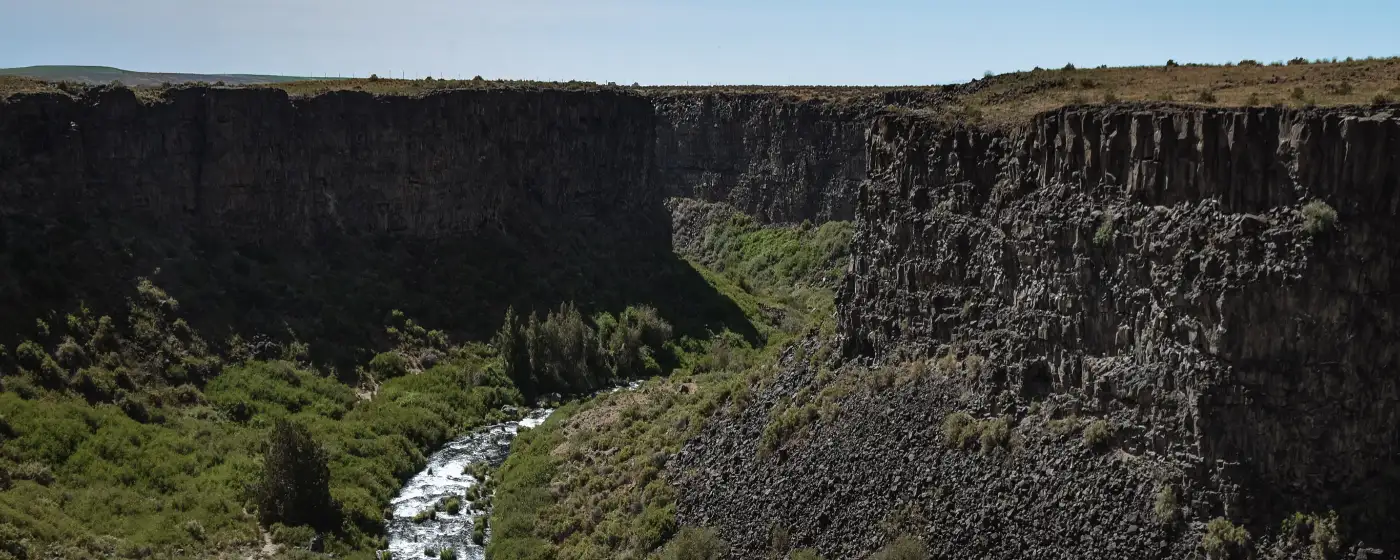
Maybe you've run the numbers on a Buhl home and everything looks right — the price, the open space, the proximity to Twin Falls. Then you get to the school question, and it gets complicated. Buhl Joint School District is a small, tight-knit system serving roughly 1,220 students across four schools on the south rim of the Snake River Canyon. It is not a high-performing district by standardized testing measures, and families moving from suburban Boise or out-of-state systems with strong academic rankings will notice the difference. That gap is real and worth understanding before you make an offer.
What the district does offer is something harder to quantify: every student in Buhl goes to school in a community where Clear Springs Foods — the world's largest trout producer — employs their neighbors, where agriculture shapes the school calendar, and where a graduating class of 80-some kids means teachers actually know their students by name. Per-pupil spending comes in at approximately $10,245, above the Idaho state median, and the graduation rate has climbed meaningfully over five years — from the low 70s to the low-to-mid 80s (district-reported, 2024–2025). The district is investing, and the improvement is real, even if test scores have not yet caught up.
Buhl Joint's student population reflects the town's agricultural workforce: approximately 36% Hispanic enrollment, above the state average of 27%, and about 36% of students classified as economically disadvantaged. For families who value a diverse, working-class school culture over a manicured suburban campus environment, that context matters. High school athletics, meanwhile, punch above what you might expect from a town of under 5,000 — the Idaho High School Activities Association places Buhl High in the 3A classification, and the Indians field a full slate of eleven varsity sports. The outdoor recreation surrounding Buhl feeds directly into those programs in ways worth reading about.
Whether you're weighing a move to the Broadway corridor, scoping out the Clear Lakes area, or just trying to understand what raising kids here actually looks like, the sections below break down Buhl Joint School District's structure and performance, the three standout schools worth knowing by name, youth sports and kids activities, honest limitations, and who this system serves well — and who it doesn't.
Buhl Joint School District at a Glance
The Basic Structure
Buhl Joint School District runs four schools from a single campus footprint headquartered at 920 Main Street. The three confirmed named schools — Popplewell Elementary, Buhl Middle School, and Buhl High School — handle PK through 12. A fourth building likely covers a pre-K or alternative program; the count varies slightly by how federal and state databases classify it.
With 1,220 total students, the district is small enough that a single graduating class runs roughly 80–90 kids. That size is a feature for some families and a constraint for others — more on that below.
| Metric | Buhl Joint District | Idaho State Average |
|---|---|---|
| Total enrollment (PK–12) | ~1,220 | — |
| Number of schools | 4 | — |
| Student-to-teacher ratio | 18:1 | ~18:1 |
| Math proficiency | ~30–31% | ~42% |
| Reading proficiency | ~42% | ~55% |
| Graduation rate (current) | ~80–84% | — |
| Per-pupil spending | ~$10,245 | ~$9,364 |
| Hispanic enrollment | ~36% | ~27% |
| Economically disadvantaged | ~36.1% | — |
The proficiency gap versus state averages is the most important number in that table. Buhl's testing average is ranked 2 out of 10 by Public School Review, placing it in the bottom half of Idaho public school districts for standardized assessment outcomes.
What the Spending Figure Actually Signals
Above-median per-pupil spending in a district with below-median test scores suggests the challenge is demographic and socioeconomic, not a lack of resource commitment. The district is putting more money per student into the classroom than most Idaho districts — the outcomes gap reflects the harder task, not indifference.
The five-year graduation rate climb from the low 70s to the low-to-mid 80s is the most encouraging trend line in the data. It suggests the district is keeping more students engaged through senior year, which is a structural win even before test scores improve.
Three Schools Worth Knowing by Name
Popplewell Elementary (PK–5)
Popplewell Elementary is where most Buhl kids start. The school serves the youngest segment of the district's 1,220 students and sits within the compact downtown school zone. Because the district is small, Popplewell is the only elementary feeder — every kid in town ends up in the same building, which means the classroom diversity you see here reflects the whole community, not a self-selected attendance zone.
Parents who move here from larger metro districts sometimes take a few months to adjust to the absence of magnet programs or gifted-and-talented tracks. What you find instead is a staff that tends to know every student's family by name within the first semester.
Buhl Middle School (6–8)
Buhl Middle feeds directly from Popplewell, and again, there is only one. The class sizes at the middle level remain small enough that teachers carry genuine continuity with students across multiple years — a math teacher who had your child in sixth grade likely still knows them in eighth. For kids who thrive with relational consistency, that structure works well. For families hoping to find a specialized STEM or arts pathway at the middle level, those formal tracks are limited in a district this size.
Buhl High School (9–12)
Buhl High School is the district's best-known building, and for good reason. With 347 students in grades 9–12, it competes in the Idaho High School Activities Association's 3A classification — the bracket for schools with 175–349 high schoolers. The Indians (orange and black) field eleven varsity sports including football, soccer, baseball, softball, volleyball, basketball, wrestling, golf, cross country, cheer, and track.
The school's size means a willing athlete has a real shot at varsity playing time that would be far harder to earn at a 5A program in Twin Falls. That's a genuine draw for sports-oriented families. Advanced course offerings are more limited than at larger high schools, though dual-credit options through the College of Southern Idaho in Twin Falls can supplement the senior year transcript for college-bound students.
Best for: Student-athletes, kids who need a smaller environment to stay engaged, and families who value staff continuity over program breadth.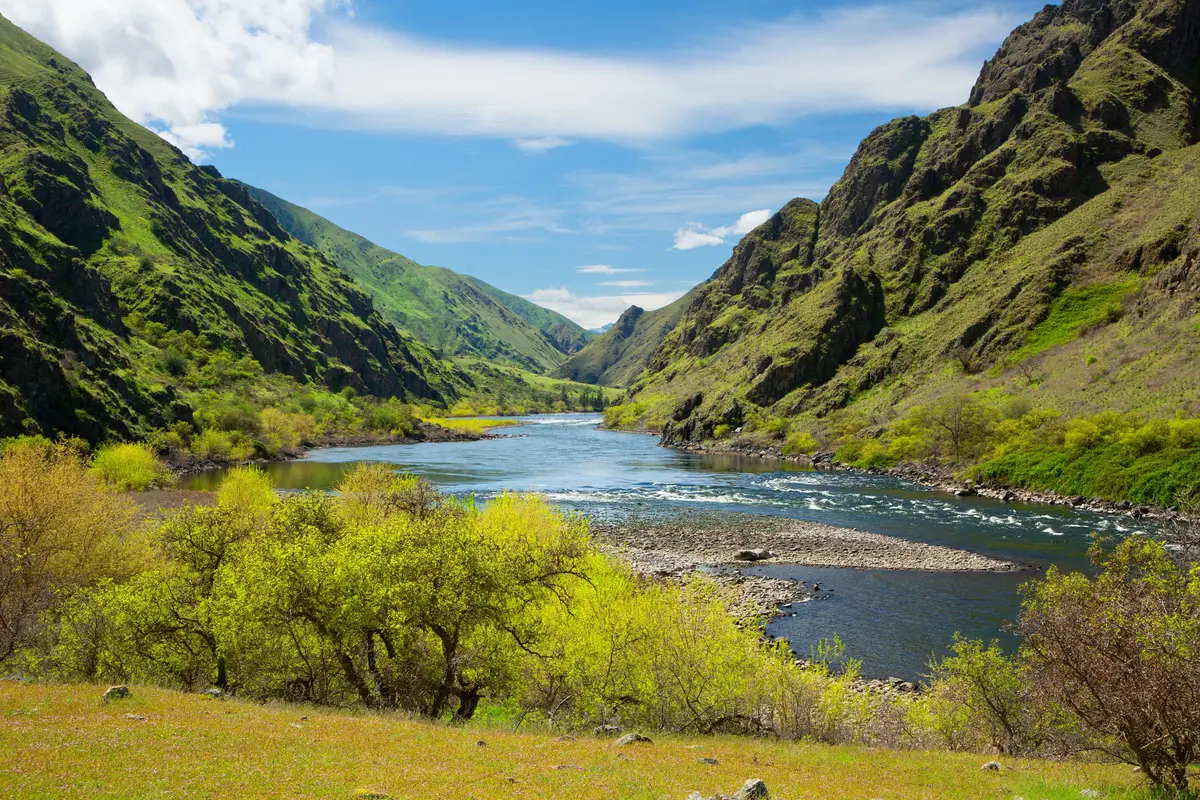
Youth Sports and Kids Activities in Buhl
High School Athletics Under IHSAA 3A
Buhl High competes under the Idaho High School Activities Association, which sponsors 26 sports and activities across its 161+ member schools. At 3A, Buhl's teams play against similarly sized towns — think Gooding, Wendell, and Filer — rather than the bigger Twin Falls programs. That bracket means competitive balance, and it means a sophomore with genuine ability can see varsity action without sitting two years behind a packed depth chart.
Football, wrestling, and volleyball have historically been the programs with the strongest local following. Friday night games at Buhl High draw the kind of crowd that a town of under 5,000 can still generate when the whole community turns out.
Youth Recreation Leagues
Below the high school level, youth recreation leagues in Buhl run through city parks and recreation programming and through informal community organizers tied to local churches and agricultural families. Baseball and softball are the most established youth sports in the area, with fields used from spring through early summer. Youth basketball runs through the winter, typically organized through the school district's facilities.
Soccer has grown as a youth sport locally, reflecting the broader demographic shift in Magic Valley. Families with kids ages 6–12 will find entry-level rec leagues available, though travel to Twin Falls is common for more competitive club play.
Club and Travel Sports
Buhl's size means serious club athletes — competitive club soccer, select baseball, club volleyball — will almost always need to travel to Twin Falls for organized club programs. The drive is manageable, and most Magic Valley club programs treat Buhl families as part of their normal geographic draw. For parents whose child is committed to a single sport at a high level, factor in the weekly Twin Falls trip as a real time cost starting around age 9 or 10.
Swimming is the notable gap: there is no public indoor aquatics facility in Buhl, so competitive swimmers train and compete through Twin Falls programs.
Outside the Lines: Kids Activities Beyond Sports
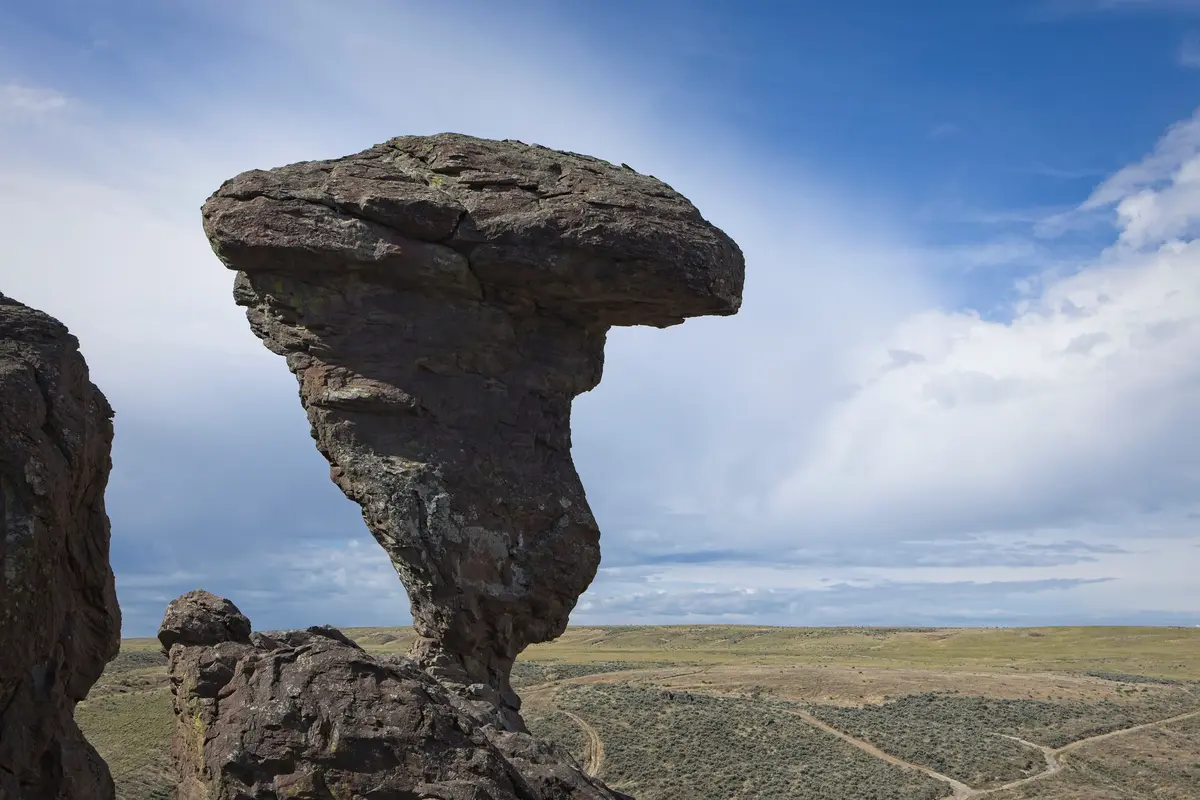
The Snake River Canyon, Thousand Springs Scenic Byway, and the Clear Lakes area give kids in Buhl an outdoor education that no suburb can replicate. Fishing — made locally famous by the trout operations at Clear Springs Foods and Riverence — starts young here, and the canyon trails are genuinely used by families on weekday evenings, not just on weekend itineraries. Agricultural youth programs through the school district, including livestock and aquaculture tracks, are active and well-attended, which shouldn't be surprising in a town where agriculture is the dominant economic culture. For a child interested in those programs, Buhl is among the better small Idaho towns to grow up in.
Best for: Nature Families School SportsLooking to buy in Buhl? Estimate your payment.
Enter your numbers to see an estimated monthly mortgage payment.
Estimate only. Excludes HOA fees and mortgage insurance. The interest rate above is a starting point, not a quoted rate — replace it with your own to see real numbers. Insurance is a flat placeholder, not a Buhl quote.
What the District Does Well
Staff-to-Student Relationships
In a district where a high school has 347 students total, anonymity is structurally impossible. Teachers carry student relationships across multiple years, counselors are not managing 400-student caseloads, and a struggling student is unlikely to slip through unnoticed for an entire semester. That relational density matters for kids who need attention — whether that's academic support, a mental health check-in, or just an adult in the building who knows their name.
Above-Median Investment
Per-pupil spending of approximately $10,245 against an Idaho state median of roughly $9,364 tells you the district is not underfunding the classroom. The money is going in; the outcomes gap is a reflection of the demographic challenge, not a district that has given up. That distinction matters when you're thinking about whether things are improving.
A Real Graduation Rate Trend
The climb from the low-70% range to 80–84% over five school years is not a small move. It suggests the district has made structural changes — attendance intervention, credit recovery, or counseling supports — that are keeping students on track to graduate. That trend is more useful to a family moving here in 2025 than a static snapshot.
Agriculture and Trades Pathways
For students who are not on a four-year college track, the district's agricultural programs and the broader community context offer vocational pathways that are genuinely useful. Clear Springs Foods and the local dairy and farming operations are real employers that hire locally. A student who graduates with hands-on experience in aquaculture or livestock has a legitimate head start in the Magic Valley economy.
Who This District Is Not the Right Fit For
This section exists because honest guidance serves families better than a sales pitch. Buhl Joint School District is the right fit for many families — and the wrong one for others. Knowing which you are before you buy saves a difficult conversation two years in.
Families Prioritizing Academic Rankings
If your household benchmarks school quality against top-quartile test scores, state rankings, or GreatSchools ratings above 7, Buhl Joint will disappoint. Math proficiency in the district runs approximately 30–31%, reading approximately 42%, both noticeably below Idaho state averages. No amount of good intentions changes those numbers in the short term. Families for whom this is the primary filter are better served by districts in Twin Falls, or further afield in the Treasure Valley.
Advanced Course Seekers
A graduating class of roughly 80 students cannot support the advanced course catalog of a 1,500-student suburban high school. Parents whose teenager needs specialized science electives, advanced technology courses, or a robust performing arts program will hit limits here. Dual-credit courses through the College of Southern Idaho can fill some gaps for motivated seniors, but the curriculum menu at Buhl High is that of a small 3A school — broad enough for most, thin enough to frustrate a student with specific academic ambitions.
Competitive Club Athletes Who Won't Travel
If your child is committed to a club sport at a competitive level and you're not willing to make regular trips to Twin Falls, Buhl is a harder fit. Select soccer, competitive swimming, and high-level club volleyball all require Twin Falls infrastructure. The drive is manageable for many families — but it is a real recurring commitment, not an occasional trip.
Families Expecting Suburban Program Breadth
Four schools serving 1,220 students means no magnet school, no language immersion program, no dedicated gifted track, and limited elective depth at the middle school level. Parents who moved here from districts with those structures sometimes spend the first year rebuilding enrichment outside the classroom — private tutoring, online coursework, or extracurriculars organized through Twin Falls. That's a workable adjustment, but it's an adjustment.
Making the Decision: What Families Actually Find After a Year
The Six-Month Surprise
Most families who move to Buhl from larger metro areas say the same thing around month six: the school felt smaller than they expected in ways that turned out to matter more than the test scores. A teacher who calls home proactively before a grade slips. A principal who knows a student's name in the hallway. A wrestling coach who also teaches PE and has been with the program for twelve years. Those aren't marketing points — they show up as lived experience.
The families who struggle are the ones who moved expecting a performance-equivalent alternative to Twin Falls or Boise at a lower price point. The academics are not equivalent. If your child needs academic challenge above what a small rural district can provide, plan to supplement from day one rather than hoping the environment will deliver it organically.
The Practical Checklist Before You Decide
- Visit Buhl High and ask specifically about dual-credit enrollment with the College of Southern Idaho — the availability and course selection changes year to year.
- Ask the middle school counselor directly about enrichment options for a student who is already ahead in math or reading. The answer will tell you a lot.
- If your child plays a club sport, map out how often you'd need to head to Twin Falls for that program and decide whether you can sustain it weekly for three-to-four years.
- Talk to a current Buhl parent, not just a real estate agent. The perspective after two years in the district is different from the welcome brochure.
The Bottom Line
Buhl Joint School District is a small, improving system in a genuinely close-knit town. It will serve a curious, socially comfortable kid with average academic needs extremely well. It will strain a family that prioritizes rankings, program depth, or competitive club infrastructure without a willingness to supplement. Neither outcome is a surprise if you walk in with clear eyes.
Buhl is also a town where agricultural fair competitions are a community event, where the canyon that runs along the south edge of town shapes what childhood here actually looks like, and where a student with genuine interest in the land-based economy will find real opportunity. For families whose version of a good education includes that context, the district's limitations become a lot easier to accept.
Local Expert Takeaway: Buhl Joint School District is small, improving, and honest about its limitations if you look at the data. Per-pupil spending is above the Idaho median, the graduation rate has climbed roughly ten percentage points over five years, and Buhl High School fields a full 3A athletic program where a willing athlete genuinely competes — not rides the bench. The trade-off is real: test scores run well below state averages, advanced course options are limited, and competitive club sports require regular Twin Falls trips. Families who move here knowing those facts tend to settle in well. Families who move here expecting suburban program equivalence at a rural price point tend to feel it around year two.
Quick Takeaways & FAQs
✅ Buhl High School fields eleven varsity sports in IHSAA 3A competition, giving motivated student-athletes real playing time that a larger 5A program would rarely offer.
⚠️ District math proficiency runs approximately 30–31% and reading approximately 42% — both noticeably below Idaho state averages — so families prioritizing standardized academic performance should weigh that gap carefully before buying.
📍 Competitive club sports (select soccer, swimming, club volleyball) require regular trips to Twin Falls — plan for that time commitment starting around age 9 or 10.
What schools are in the Buhl Joint School District?
How does Buhl High School rank in Idaho athletics?
Are there youth sports and rec leagues for younger kids in Buhl?
What is the graduation rate for Buhl Joint School District?
Is Buhl Joint School District a good fit for college-bound students?
Moving to Idaho?
Tell us what you need help with and we'll connect you with local resources.
