
People moving to Lakeland from larger metros often expect a suburban bedroom community where outdoor recreation means a tidy neighborhood sidewalk and little else. What they find instead is a city that was literally built around a lake — a 241-acre lake that shapes property values, social life, and what it means to spend a weekend here. The outdoor infrastructure here is not incidental to Lakeland; it is the product Lakeland sells itself on.
At 14,422 residents, Lakeland is a city small enough that you can reach any of its major parks in under ten minutes by car, yet large enough to have organized youth sports leagues, a city-run events calendar, and more than 30 miles of trails connecting neighborhoods to green space. The school district — with 2,478 students enrolled in 2024-25 — runs active programs that lean on those parks for activity space, and the Parks & Recreation Department layers community events throughout the warmer months. Families with school-age children who care about outdoor access tend to find Lakeland punches well above its weight class for a city this size.
The honest caveat: some of Lakeland's most spectacular outdoor asset — the lake itself — is not a public amenity in the way a first-time visitor might assume. Understanding which spaces are open to everyone and which require a lakefront address is the first piece of local knowledge any newcomer needs. The sections below lay that out plainly, along with the trail system, the city's signature park, and what is still coming.
Whether you are weighing a move or already under contract, this guide covers Lakeland's parks, trails, water recreation, organized sports, and the community center project that will change the outdoor picture here. For a broader look at neighborhoods and pricing, see the best neighborhoods and cost of living pages.
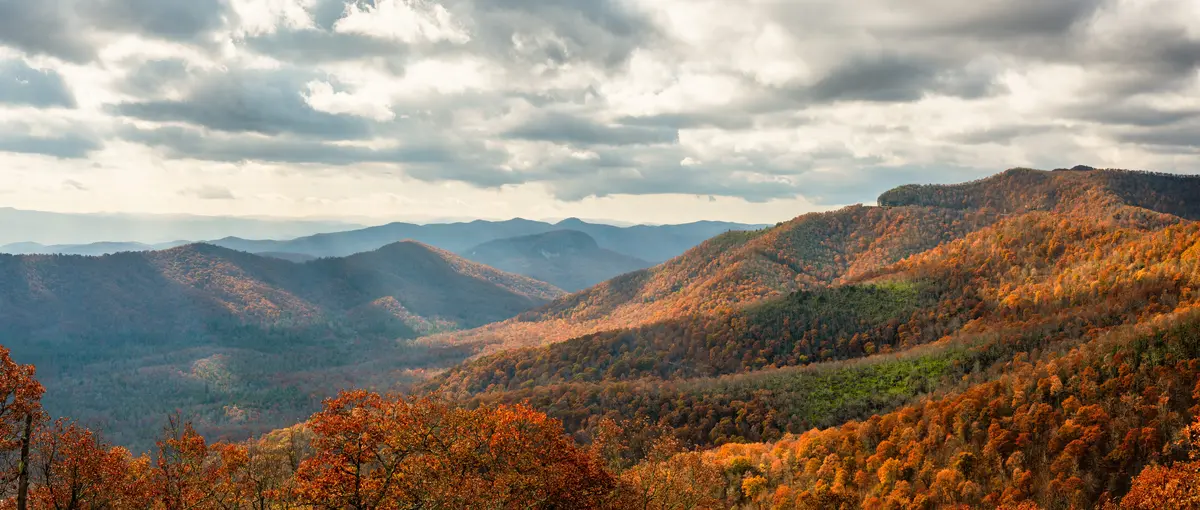
Garner Lake: The City's Defining Feature
Garner Lake is not just scenery — it is the reason this city exists in its current form. The lake was carved from farmland in 1959 as the centerpiece of Lakeland Amusement Park, which ran from 1961 to 1978, and was named after the park's creator, Louis Garner. When the amusement park closed, the lake remained, and the residential neighborhoods that grew around its shoreline gave Lakeland its identity.
The numbers are genuinely impressive for a suburban lake. At 241 acres, it is the largest lake in Shelby County. It stretches 1.1 miles and traces 8.44 miles of shoreline, with 266 lakefront homes sitting along its edges. The water reaches depths of over 50 feet near the dam — unusually deep for a lake in this part of Tennessee — and surface temperatures climb into the 80s through summer, which makes it genuinely swimmable for months at a stretch.
The lake holds bass, crappie, bluegill, and catfish, and more than 500 boats call it home. A 15-horsepower motor limit keeps things calm enough for kayaks, sailboats, and pontoons to share the water comfortably with fishing boats. Around the Fourth of July, the lake hosts one of the largest fireworks displays in Shelby County — funded entirely by resident donations and volunteers — alongside a decorated-boat parade that has become the city's signature summer event.
The Access Reality
Here is what relocating buyers get wrong most often: Garner Lake is not a public lake. Access is restricted to residents of the surrounding lakefront neighborhoods — which include Lakeland Estates and Windward Slopes, among others — and their guests. A visitor can accompany a resident, but cannot use the lake independently.
If lake access is your primary reason for considering Lakeland, you need a lakefront address to get it. That matters enormously for how you approach the home search. For a full look at how those neighborhoods are priced relative to the rest of the city, the best neighborhoods page breaks it down.
If you don't land a lakefront lot, Garner Lake is still very much part of your daily life — visible from roads, central to the city's social rhythm, and the backdrop for the fireworks display you can watch from almost anywhere in town. You just won't be launching a kayak from it.
IH Park: 65 Acres at the Heart of Public Recreation
International Harvester Managerial Park — IH Park to anyone who has lived here longer than a week — is Lakeland's primary public green space and the most versatile outdoor asset available to every resident regardless of where they live. The name comes from International Harvester's former corporate use of the property; the park the city built from it is something else entirely.
Sixty-five acres of rolling hills, wooded creek corridors, and open meadow surround a five-acre fishing lake at the park's center. Over 20 picnic facilities are spread across the grounds, and the park's trail system covers 2.8 miles of walking, hiking, and mountain-biking routes. The color-coded system — Red, Yellow, and Blue Trails — is rated moderate, with about 177 feet of elevation gain across roughly 2.5 miles of marked loops. The trails are pet-friendly, well-maintained, and run through genuine woodland rather than manicured lawn, which makes them feel less suburban than the surrounding city suggests.
The LAMP and the Events Calendar
The LAMP Amphitheatre at IH Park anchors a community events calendar that runs from spring through the holiday season. The LAMP Concert Series brings live music through the warmer months. A Fishing Rodeo draws families with kids to the park lake. Movie Days, the Freedom Festival, Harvest Festival, and Christmas in Lakeland all use the park's open space and amphitheatre. For a city of 14,422, this is a genuinely full calendar — one of the things people who move here from larger suburbs tend to notice and appreciate after a few months.
The Parks & Recreation Department uses IH Park as the home base for organized sports leagues as well. Flag football, tackle football, cheerleading, basketball, baseball, and soccer all run through the city's program, with leagues for both youth and adults. Parents with school-age children will find themselves here on weekday evenings and weekend mornings more often than they expect — it becomes the social hub in a way the rest of the city's infrastructure does not quite replicate yet. For more on the connection between Lakeland's school programs and youth athletics, see the schools page.
| Feature | Detail |
|---|---|
| Total acreage | 65 acres |
| Fishing lake | 5 acres |
| Trail system | 2.8 miles (Red, Yellow, Blue trails) |
| Elevation gain on trails | 177 feet |
| Picnic facilities | Over 20 |
| Amphitheatre | The LAMP Amphitheatre |
| Sports leagues | Flag football, tackle football, basketball, baseball, soccer, cheerleading |
| Major annual events | LAMP Concert Series, Fishing Rodeo, Movie Days, Freedom Festival, Harvest Festival, Christmas in Lakeland |
Windward Slopes Park, Town Square, and the Trail Network
Windward Slopes Park is the city's second main public park — 11 acres that serve the residential neighborhoods on that side of the city. The park is deliberately built for everyday use: a one-third-mile paved walking trail, a playground with water misters, two tennis courts, pickleball courts, a ball wall, and a reservable pavilion with restrooms. It is the kind of park where a parent can let a child loose on the playground while getting a walk in, without needing to drive to the other side of town.
In late 2025, the city launched a master-planning process for Windward Slopes with proposed upgrades including enhanced playground equipment and natural play features. A planned pickleball facility broke ground as part of the same civic push. This is a park in transition — functional now, but likely more capable in a few years.
Lakeland Town Square
Lakeland Town Square is the city's walkable mixed-use center, and it doubles as an outdoor event venue. The annual Lakeland Arts and Crafts Festival — organized by the Lakeland Arts Council — takes place there, and the 2024 edition drew over 60 vendors, double the participation from the year before. It is not a traditional park, but it is one of the places where the community gathers outside and on foot, particularly for seasonal events.
Trails Beyond the Parks
Lakeland's trail picture extends beyond the parks themselves. More than five local trails covering roughly 34 miles in and around the city connect parks, neighborhoods, and commercial areas via a mix of paved and semi-paved paths suited for walking, running, and cycling. This is the part of Lakeland's outdoor infrastructure that surprises people who assume suburban Tennessee means car-only movement. The trail network is not complete — there are gaps, and some connectors require sharing a road — but it is more developed than many comparable cities in the region.
For residents who want to run or ride without repeating the same IH Park loop, the broader trail system gives real variety. And with Garner Lake's shoreline on the other side of the equation, the city's total outdoor footprint is larger than its population of 14,422 would suggest.
Looking to buy in Lakeland? Estimate your payment.
Enter your numbers to see an estimated monthly mortgage payment.
Estimate only. Excludes HOA fees and mortgage insurance. The interest rate above is a starting point, not a quoted rate — replace it with your own to see real numbers. Insurance is a flat placeholder, not a Lakeland quote.
Beyond the Monthly Mortgage Payment — What to Factor In
- The property tax rate above — The 0.45% used in the estimate is the median effective rate — tax actually paid as a share of market value — published by Ownwell, 2026. Half of local homes pay more and half pay less: your own bill depends on that property's assessed value and any exemptions it qualifies for, which can differ a lot from its market price. Confirm with the Shelby County assessor before you budget.
- Total cost of ownership — Your monthly mortgage payment is just the baseline. Depending on the specific city, county, and service district, homeownership costs also include local utility fees, municipal surcharges, and special assessments (such as water, sewer, storm drainage, or local energy taxes) that vary by location.
- Independent due diligence — Because these recurring local costs and municipal fees change depending on the exact property address, buyers must research them independently during their transaction process.
Tax laws, local municipal fees, and utility costs change frequently and individual situations vary. This page is general information, not tax or legal advice — always consult a qualified tax professional, CPA, or local municipal offices for personalized guidance.
What's Coming: The YMCA and Lakeland's Recreation Future
The single biggest change to Lakeland's recreational picture was formalized on February 5, 2026, when the city broke ground on the Lakeland Community Center YMCA — a public-private partnership between the City of Lakeland and the YMCA of Memphis and the Mid-South. The 38,820-square-foot facility was under construction as of early 2026.
The facility's program is more comprehensive than a typical suburban rec center. Plans approved at groundbreaking include an early learning child care center, a multipurpose gymnasium, workout studios, locker rooms, a fitness airnasium, and an outdoor aquatic training center with seating. That last element — an outdoor aquatic facility with structured seating — is the piece most residents have been waiting for. Lakeland has long been a city where a lap pool or community swim program meant driving to a facility elsewhere; the groundbreaking in February 2026 set that change in motion.
The Honest Seasonal Trade-Off
Lakeland gets 214 sunny days a year — enough to sustain serious outdoor recreation for a long stretch of the calendar. The flip side is the summer heat. Late July and August in Shelby County are legitimately difficult: temperatures regularly run into the mid-90s, and the humidity makes it feel hotter. The trails at IH Park are wooded enough to offer some relief, and the lake is at its most appealing precisely when the heat is worst — but planning outdoor activity around the early morning or the evening hours becomes second nature by your second summer here.
Families relocating from the Pacific Northwest or the Upper Midwest find this the sharpest adjustment. People coming from Georgia, Texas, or the Carolinas barely notice it. The winters, by contrast, are mild enough that the parks stay usable through most of December and January, and the city's events calendar runs into the holiday season rather than shutting down after Labor Day.
Taken together, Lakeland's outdoor picture is on a clear upward trajectory: the YMCA groundbreaking fills the structured fitness and aquatics gap, the Windward Slopes master plan adds capacity on the residential side of the city, and IH Park remains the community anchor it has been for years. For buyers weighing outdoor lifestyle as a serious factor, this is one of the stronger setups available in the eastern Memphis suburbs — not despite the city's size, but in part because of it.
Local Expert Takeaway: Lakeland's outdoor life splits into two tracks: the lake world, which belongs to lakefront homeowners in neighborhoods like Lakeland Estates and Windward Slopes, and the public parks world, anchored by IH Park's 65-acre trail system, amphitheatre, and fishing lake. If you're moving here without a lakefront address, IH Park is where your weekends happen — the trails, the Fishing Rodeo, the summer concerts, the youth leagues. The February 2026 groundbreaking on the YMCA closes the one real gap in the city's recreation picture. Go in with clear eyes about Garner Lake's access rules and you will not be disappointed; go in assuming it is a public amenity and you will be.
Quick Takeaways & FAQs
✅ IH Park's 65-acre trail system, five-acre fishing lake, and LAMP Amphitheatre give Lakeland genuine public green space that outperforms most cities its size.
⚠️ Garner Lake — the largest lake in Shelby County — is a residents-only amenity; buyers expecting open public lake access need a lakefront address to get it.
📍 The City of Lakeland broke ground on a 38,820-square-foot YMCA in February 2026, a partnership with the YMCA of Memphis and the Mid-South that will add an aquatic center and gymnasium the city currently lacks.
Is Garner Lake open to the public?
What is the best public park in Lakeland for hiking and trails?
Does Lakeland have a community pool or recreation center?
What outdoor events does Lakeland host through the year?
How many miles of trails are there in and around Lakeland?
Moving to Tennessee?
Tell us what you need help with and we'll connect you with local resources.
