
Most people moving to a small city of 15,000 expect a handful of neighborhood parks and maybe a trail or two. Ridgefield delivers something a different order of magnitude: 5,300 acres of federally protected wetlands, grasslands, and riparian forest sitting immediately west of town, bordered by the Columbia River. You can drive to Portland in roughly 30 minutes, but the thing that makes daily life here feel genuinely different isn't the commute time — it's that you can also walk to the edge of a national wildlife refuge and watch sandhill cranes from a city street.
The outdoor infrastructure here organizes itself around three distinct layers. The Ridgefield National Wildlife Refuge anchors everything — it draws roughly 120,000 visitors a year who come specifically for Pacific Flyway bird migrations. Below that, the Port of Ridgefield waterfront on Lake River gives residents a paved trail, a boat launch, and a kayak put-in within walking distance of downtown. Then there's Abrams Park, the city's own 40-acre recreational hub off Division Street, which handles the everyday stuff: baseball diamonds, disc golf, orienteering, and playgrounds. Each layer serves a different rhythm of outdoor life, and together they give Ridgefield a recreational footprint that punches well above its population.
The honest caveat: Ridgefield is still building out its park system. The Waterfront Park Master Plan — adopted in late 2024 — envisions an event lawn, beach access, an inclusive play area, and an art walk along 1,500 feet of Lake River shoreline, but that work is underway, not finished. What exists today is already worth moving here for. What's coming in the next few years is genuinely exciting. People who moved here expecting a fully built-out trail network sometimes feel the gap; people who moved here because the bones are exceptional are glad they came early.
This guide covers Ridgefield's signature parks and green spaces, the refuge in detail, the water trails and paddling options on Lake River, and how the seasonal recreation calendar actually plays out across the year — so you know what to expect before you get here.
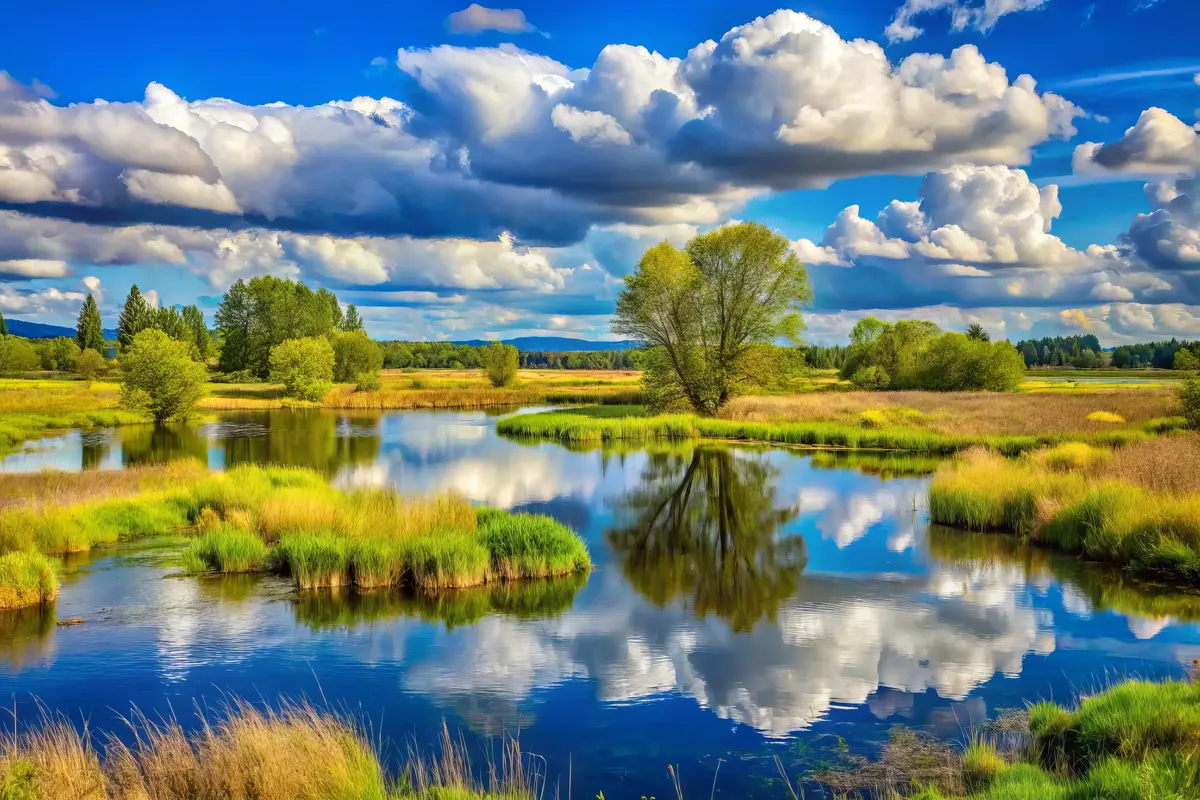
Ridgefield National Wildlife Refuge: The 5,300-Acre Backyard
Having a national wildlife refuge as your literal western border is not a amenity you can build — it's a founding geographic fact of life in Ridgefield. The refuge covers approximately 5,300 acres of marshes, wetlands, grasslands, riparian corridors, and forest, all bordering the Columbia River. It was established in 1965 to provide wintering habitat for the dusky Canada goose after the 1964 Alaskan earthquake disrupted their nesting grounds — and it has grown into one of the most-visited wildlife refuges in the Pacific Northwest.
Two units are open to the public, and they feel very different from each other. The Carty Unit at 28908 NW Main Ave is the quieter, more intimate option. It hosts the Oaks-to-Wetlands Trail (open year-round), the Cathlapotle Plankhouse — a full-scale reconstruction of a Chinookan longhouse — and the brand-new Community Nature Center, which held its grand opening on May 3, 2026. The Nature Center includes a visitor contact station, indoor classrooms, and native plant landscaping, with an outdoor education classroom and Nature Exploration Area still in development. For families with young kids, this unit is where you start.
The River 'S' Unit at 1071 S Hilhurst is more expansive. A 4.2-mile one-way Auto Tour Route winds through the wetlands at a pace that lets you actually spot wildlife rather than startle it. The seasonal Kiwa Trail (open roughly July 2 through September per U.S. Fish & Wildlife Service notices) gives hikers a ground-level perspective on the same landscape. And a kayak and canoe water route runs along the refuge boundary — more on that in the water trails section below.
What the Entry Fee Actually Looks Like
Refuge entry runs $3 per vehicle, waived entirely if you carry an America the Beautiful pass. A refuge-specific annual pass costs $15. For residents who plan to use the refuge multiple times a week — and many do — the $15 pass pays for itself in two visits.
What Locals Know
The fall migration window, roughly October through November, is when the refuge earns its reputation. Thousands of waterfowl stage in the wetlands during the Pacific Flyway migration, and the Carty Unit at dawn on a clear October morning is the kind of experience that people describe to family members back in California as the reason they moved here. Nobody warns new residents that the Auto Tour Route at the River 'S' Unit can back up on weekend mornings in October — arrive before 8 a.m. or plan for a wait at the entrance. It's a real seasonal quirk of life in a small city with a world-class wildlife draw.
Lake River, the Port Waterfront, and Paddling in Ridgefield
Lake River runs directly through Ridgefield's downtown edge, and the Port of Ridgefield has made it one of the more functional waterfront access points in Southwest Washington. The existing site includes a paved waterfront trail, a public boat launch, a dedicated kayak launch, and roughly 40 acres of open area with direct sightlines to the refuge across the water. You don't have to drive to get here — it's a short walk or bike ride from Historic Downtown.
The paddling opportunity on Lake River is more significant than most newcomers realize. The river forms part of a water trail corridor connecting the Lewis River to Vancouver Lake — a multi-mile route through the heart of the region. Birders who paddle it describe seeing great blue herons, river otters, and bald eagles within the first 20 minutes of launching from the Port. The kayak/canoe route bordering the River 'S' Unit of the refuge adds a specific wildlife-paddling angle that's hard to replicate anywhere else this close to a metro area.
What's Being Built
The current waterfront is functional but unfinished. The Waterfront Park Master Plan, adopted by the City and Port in late 2024, envisions a genuine transformation: roughly 8 acres and 1,500 feet of shoreline reimagined as an active southern zone — event space, hand-launched watercraft access, beach access, an inclusive play area — and a quieter northern zone with open lawns, picnic shelters, a trail connection, an art walk, and accessible overlooks. The full buildout will make this one of the more complete small-city waterfronts in Clark County. Until then, what you have is genuinely useful but not yet what the master plan promises.
The City-Wide Trail Loop
A city-endorsed 5-mile loop ties it all together: starting at the Port waterfront, connecting through city streets, threading into the refuge trail network, exiting at Main Avenue, and returning along an improved pedestrian path. It's the kind of route you can run on a weekday morning and still be home in under an hour. Not every section is finished to the same standard, but the core loop is walkable and well-marked.
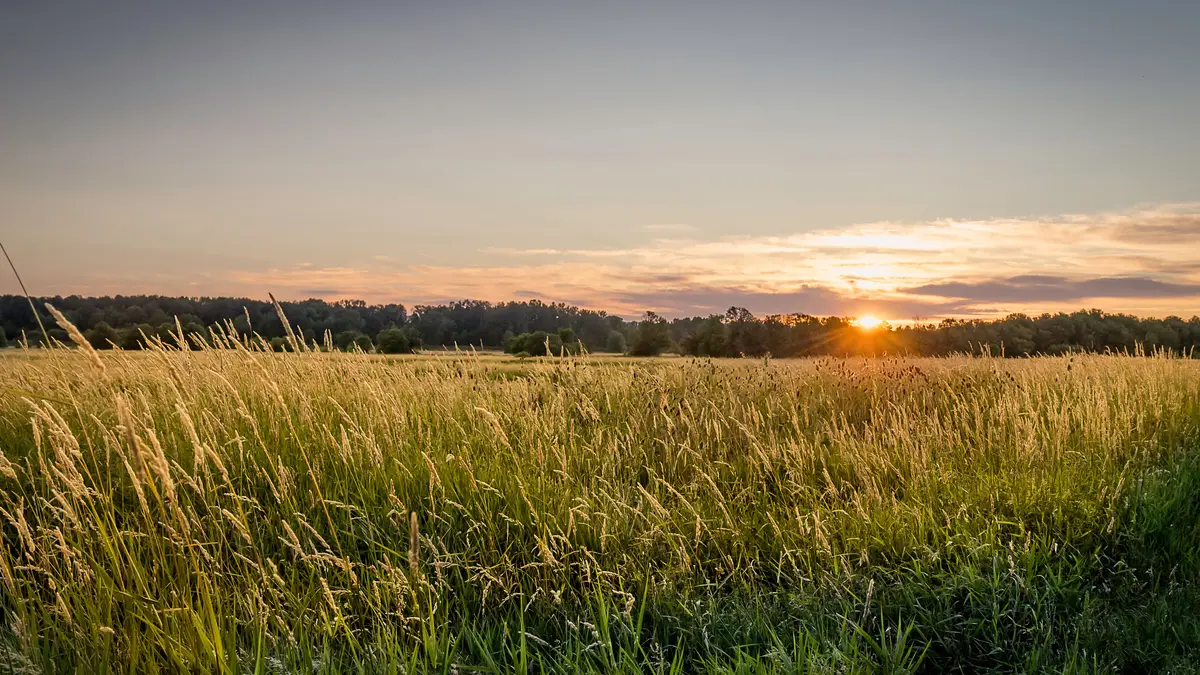
Abrams Park, Overlook Park, and the City's Everyday Green Space
While the refuge gets all the attention, the parks that shape daily life for most Ridgefield residents are closer to home. Abrams Park and Overlook Park are the two anchors of the city's own park system, and they serve very different purposes.
Abrams Park: The Recreation Hub
Abrams Park sits off Division Street near the Union Ridge neighborhood and covers 40 acres — substantial for a city this size. The amenity list is one of the more varied in Clark County for a municipal park: two children's play structures, baseball diamonds, softball and soccer fields, walking trails, a disc golf course, a permanent orienteering course, horseshoe pits, and open grassy areas for pickup use. Bennett Hall, the reservable picnic shelter, comes with kitchen facilities, which makes it the default venue for birthday parties, team end-of-season gatherings, and any event that needs an outdoor space with indoor amenities nearby.
The disc golf course and the permanent orienteering course are the two features that distinguish Abrams from a standard suburban park. Orienteering courses require ongoing maintenance of markers and maps, and cities this size rarely invest in them — Ridgefield did, which tells you something about the recreation culture here.
Overlook Park: Where Downtown Meets the Refuge
Overlook Park sits at the end of Main Street in Historic Downtown, and its name is literal: it overlooks the National Wildlife Refuge. The brick plaza hosts the Ridgefield Farmers Market and First Saturday events throughout the warmer months. An outdoor stage draws live music. Historical panels document Native American settlement in the area, giving the space a sense of place that most park plazas don't have.
Friday evenings at Overlook Park during summer are where you'll find a cross-section of the community — kids running the plaza, adults at the outdoor stage, the refuge visible in the background. It's the closest thing Ridgefield has to a town square, and it works. After a First Saturday event, the Ridgefield Craft Brewing Co. Taphouse on N 3rd Ave is where a portion of the crowd tends to migrate.
| Park | Size | Key Features | Best For |
|---|---|---|---|
| Abrams Park | 40 acres | Baseball/softball/soccer fields, disc golf, orienteering, playgrounds, Bennett Hall shelter | Families Nature |
| Overlook Park | Plaza-scale | Outdoor stage, farmers market plaza, refuge overlook, historical panels | Walkable Community |
| Port Waterfront | 40 acres | Paved trail, boat launch, kayak launch, refuge views | Nature Views |
| Refuge — Carty Unit | Part of 5,300 ac. | Oaks-to-Wetlands Trail, Cathlapotle Plankhouse, Community Nature Center | Families Nature |
| Refuge — River 'S' Unit | Part of 5,300 ac. | 4.2-mi Auto Tour Route, seasonal Kiwa Trail, kayak/canoe water route | Nature Views |
| Lake River Water Trail | Multi-mile corridor | Kayak/canoe route, Lewis River to Vancouver Lake connection | Nature Quiet |
Youth sports and recreation programs tied to these facilities are coordinated through Ridgefield's school and recreation framework — see the full breakdown on the Ridgefield schools page.
Looking to buy in Ridgefield? Estimate your payment.
Enter your numbers to see an estimated monthly mortgage payment.
Estimate only. Excludes HOA fees and mortgage insurance. The interest rate above is a starting point, not a quoted rate — replace it with your own to see real numbers. Insurance is a flat placeholder, not a Ridgefield quote.
Seasonal Recreation: What the Calendar Actually Looks Like
Outdoor life in Ridgefield runs year-round, but it doesn't run the same way in every season. Southwest Washington's climate — mild, wet winters and dry summers — shapes which activities work when, and newcomers from drier climates are often surprised by how usable the parks remain through the gray months.
Fall: The Refuge's Peak Season
September through November is when the refuge earns its outsized regional reputation. Pacific Flyway migration brings thousands of waterfowl through the wetlands, and dusky Canada geese — the subspecies the refuge was built to protect — winter here in numbers you won't see anywhere else in the region. The Kiwa Trail at the River 'S' Unit closes in late September, so the Oaks-to-Wetlands Trail at Carty becomes the primary hiking option. Dawn visits to either unit are worth setting an alarm for.
Winter: Lower Volume, Still Functional
Rain keeps some people indoors, but the Oaks-to-Wetlands Trail stays open year-round, and the Port waterfront trail is paved well enough to handle wet-weather use. Waterfowl numbers actually peak in December and January in the wetlands — the refuge is at its most active in winter even when visitor counts drop. The disc golf course at Abrams Park attracts a core group of regulars regardless of weather; you'll see them there in January.
Spring: Green Season, High Energy
March through May brings the youth sports season to Abrams Park's baseball and soccer fields, the Farmers Market back to Overlook Park's brick plaza, and the first reliable paddling conditions on Lake River. The refuge wetlands support nesting activity through spring, which makes the Carty Unit particularly rewarding for anyone interested in bird behavior beyond simple migration counts.
Summer: Water, Events, and the Kiwa Trail
The Kiwa Trail opens around July 2 and runs through September — plan refuge visits accordingly. Lake River paddling peaks in summer when water levels are favorable and the weather cooperates. First Saturday events run through the summer at Overlook Park, outdoor concerts use the stage, and Abrams Park's fields stay in near-constant use through August. The one thing longtime residents learn quickly: summer weekends at the refuge fill up. If you want the Auto Tour Route without a line of cars, Tuesday mornings in August are dramatically quieter than Saturday mornings.
What surprises people after six months here isn't the quantity of outdoor access — they expected that. It's how much of it requires zero planning. The 5-mile trail loop from the Port through the refuge network and back is something residents work into weekday routines, not just weekend adventures. That everyday accessibility is what the park system here actually delivers, and it's the thing hardest to communicate before you've lived it.
Local Expert Takeaway: Ridgefield's outdoor recreation is anchored by the National Wildlife Refuge — 5,300 acres of protected wetland immediately west of downtown — but the everyday infrastructure that makes it livable is Abrams Park off Division Street and the Port of Ridgefield waterfront on Lake River. The Carty Unit's Oaks-to-Wetlands Trail is open year-round; the Kiwa Trail at the River 'S' Unit runs July through September. A 5-mile loop connects the Port, city streets, and the refuge trail network into a single route walkable or runnable from downtown. The Waterfront Park Master Plan (adopted late 2024) will significantly upgrade the Lake River shoreline, but that work is still in progress — buy here for what already exists, not for what's promised.
Quick Takeaways & FAQs
✅ Ridgefield sits directly adjacent to 5,300 acres of federally protected wetlands, giving residents year-round access to one of the Pacific Northwest's top Pacific Flyway birding sites.
⚠️ The Waterfront Park Master Plan envisions a transformed Lake River shoreline, but the buildout is still underway — the current waterfront is functional, not finished.
📍 Refuge entry costs just $3 per vehicle ($15 for an annual pass), and the city-endorsed 5-mile trail loop connecting the Port waterfront to the refuge network requires no entry fee at all.
Is the Ridgefield National Wildlife Refuge free to enter?
Can you kayak or canoe through the Ridgefield National Wildlife Refuge?
What trails are open year-round at the refuge?
What is Abrams Park in Ridgefield, and what does it have?
What is the Ridgefield Waterfront Park Master Plan, and when will it be done?
Moving to Washington?
Tell us what you need help with and we'll connect you with local resources.
