
Jackson's outdoor story starts with a decision made in the late 1970s. City leaders launched the Jackson Greenbelt initiative specifically to protect natural land from development, and that foresight produced Cypress Grove Nature Park — 265 acres of bald-cypress bottomland sitting just minutes from downtown. Not every mid-sized Tennessee city has something like this. Jackson does, and it shapes what daily outdoor life looks like here in ways that surprise people who arrive expecting a purely suburban landscape.
The city's Parks and Recreation Department now maintains 20 public parks, eight educational and recreation facilities, two public swimming pools, and a public golf course. That infrastructure is spread across a population of 69,339 people, which means facilities are genuinely accessible rather than perpetually crowded. Ballard Park anchors the greenspace side of things for more casual use — picnicking, open lawn — while the West Tennessee Healthcare Sportsplex adds a serious 70-plus-acre athletic complex with 17 fields and a 6,000-seat professional baseball stadium adjacent to it.
What newcomers don't fully anticipate is how much of the outdoor appeal here extends beyond city limits without requiring a long drive. Pinson Mounds State Archaeological Park, accessible via US-45, sits just south of the city. Chickasaw State Park is roughly 20 miles away. Beech Lake, a day-trip destination for anglers and campers, is southwest in Henderson County. You can live in Jackson and cycle between genuinely different kinds of outdoor experience — quiet wetland birding one weekend, structured tournament baseball the next — without ever getting on I-40.
Whether you're weighing a move or already here and trying to understand what to do with a free Saturday, the sections below break down Jackson's signature parks, trail system, water recreation, and the recreational facilities that round out daily life in the city.
Cypress Grove Nature Park: Jackson's Outdoor Anchor
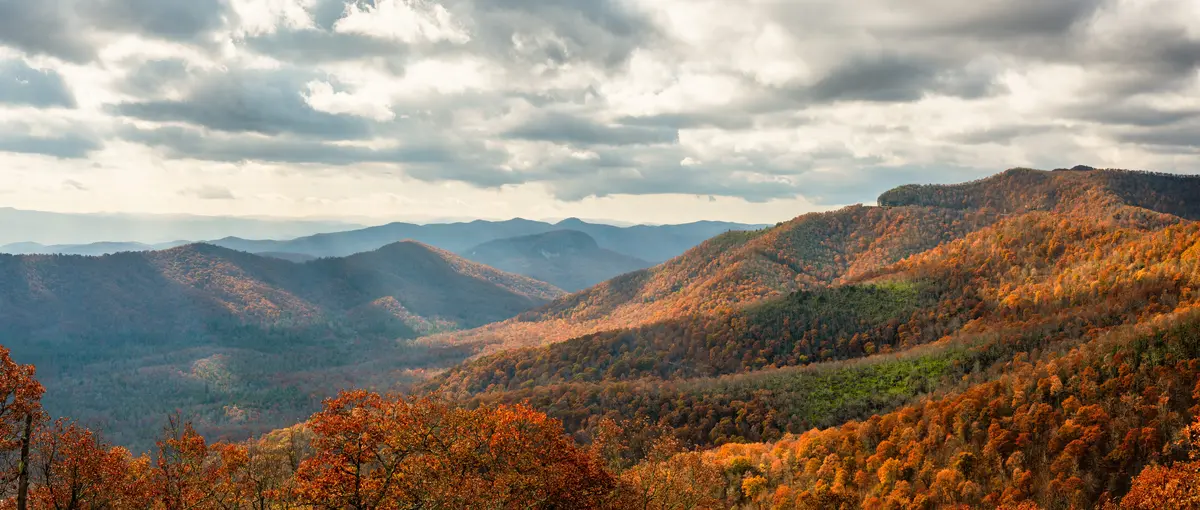
No other park in Jackson competes with Cypress Grove for sheer character. Opened in October 1985, it spans 265 acres and runs more than 5,000 feet of elevated boardwalk through a bald-cypress bottomland that feels nothing like the surrounding city. Admission is free, which means it functions as a true community park — not a destination people save for special trips.
The Cypress Knee Loop is the section that stops people mid-stride. The boardwalk passes directly over the root formations of mature bald-cypress trees, putting you a few feet above Wood Duck Lake at eye level with egrets and Great Blue Herons. The observation tower above the lake adds elevation and a wider view of the wetland, and anglers work the water for bass, crappie, bluegill, carp, and catfish.
Spring is the park's most compelling season for anyone interested in birds. Migratory species — including the Prothonotary Warbler, Louisiana Waterthrush, and Yellow-throated Warbler — move through the cypress canopy in April and May, drawing birders who travel specifically for the park. Locals who show up without binoculars in mid-spring often leave wishing they'd brought them.
The Aerie Trail Raptor Center adds something most city parks don't have: a working educational facility housing non-releasable birds of prey, including barred owls and red-tailed hawks. It is not a zoo exhibit — the birds are there because they cannot survive in the wild — and that distinction gives the place a different weight than a typical nature center. Families with kids find it holds attention in a way a trail sign never does.
The honest trade-off: the boardwalk gets genuinely muddy after heavy rain, and parts of the park become soft and mosquito-heavy from late June through August. People who move here from drier climates sometimes write the park off in summer and miss the fact that early morning visits remain pleasant even in July. The wetland is at its most beautiful — and most manageable — from late September through May.
Pinson Mounds and the Trail Network South of the City
Pinson Mounds State Archaeological Park is the largest Native American Middle Woodland Period mound group in the United States. That fact tends to register as a history-class detail rather than a recreation pitch — but the park covers over 1,200 acres with at least 15 ceremonial and burial mounds, six miles of interconnecting trails, and a boardwalk along the Forked Deer River. It is one of the more unusual places you can walk within reasonable distance of a Tennessee city of this size.
The trail system includes paved sections accessible to bicycles and wheelchairs, which is not standard for a state archaeological park of this age and character. Picnic areas and a group camp with four cabins round out the facilities. Entry is free.
The on-site museum of prehistoric artifacts gives the mounds context that the landscape alone can't provide. First-time visitors who skip it tend to underestimate what they're looking at; the museum is short enough that even impatient visitors won't lose time by going through it.
| Park | Size | Key Features | Entry | Best For |
|---|---|---|---|---|
| Cypress Grove Nature Park | 265 acres | 5,000+ ft boardwalk, Wood Duck Lake, Raptor Center, birding | Free | Nature Families |
| Pinson Mounds State Archaeological Park | 1,200+ acres | 6 mi trails, Forked Deer River boardwalk, museum, cabins | Free | Nature Quiet |
| Beech Lake | Regional lake | Boat ramps, piers, swimming beach, picnic areas, campground | Varies | Nature Families |
| Chickasaw State Park | Regional forest | Lake swimming, fishing, horseback riding, camping | Varies | Nature Privacy |
| Ballard Park | City park | Green space, picnicking | Free | Families Quiet |
| West Tennessee Healthcare Sportsplex | 70+ acres | 17 fields, adjacent 6,000-seat stadium | Varies | Families |
The reach of Jackson's outdoor options becomes clear in that table: the city proper handles daily greenspace and casual recreation while the state parks handle the longer, more immersive experiences that residents bookmark for weekends.
Water Recreation: Fishing, Swimming, and Day Trips
Jackson sits in a part of West Tennessee where water access is woven into the landscape — the Forked Deer River system runs through it, Cypress Grove has its own lake, and two of the most popular destinations for residents involve getting on or near water.
Wood Duck Lake (Cypress Grove)
Inside the park, Wood Duck Lake is the most immediately accessible fishing spot in the city. Bass, crappie, bluegill, carp, and catfish are all present, and the observation tower above the lake doubles as a fishing vantage point when it isn't busy with birders. It is small enough that you won't mistake it for a serious tournament fishery, but it works well for casual afternoons and for introducing kids to fishing without a long drive.
Beech Lake
Beech Lake is the day-trip option that serious anglers in Jackson reach for. Located southwest of the city in Henderson County, it draws people for largemouth bass, bluegill, and black crappie, with boat ramps, piers and docks, a swimming beach, picnic areas, and campground facilities. It is not within Jackson's city limits, but it appears on the city's own outdoor resource list for good reason — it fills a gap that the city's own parks can't. A fair number of Jackson residents make the drive regularly enough that it functions more like a local amenity than a day trip in the traditional sense.
City Pools and Indoor Options
For residents who want structured water access closer to home, the city maintains two public swimming pools. The T.R. White Sportsplex operates an outdoor pool alongside a gymnasium, weight room, and fitness center. The Westwood Recreation Center, which serves the Westwood Gardens part of the city, adds a second outdoor pool plus an indoor tennis facility, ceramics studio, and computer lab — a combination that makes it more of a community hub than a purely athletic facility.
What people sometimes discover after a summer here: the outdoor pools follow a seasonal window, and the stretch of July and August when the heat is most intense is also when facilities see the most demand. Planning around that early in the season — rather than showing up and hoping for a lane — is one of the small adjustments longtime residents make automatically.
Looking to buy in Jackson? Estimate your payment.
Enter your numbers to see an estimated monthly mortgage payment.
Estimate only. Excludes HOA fees and mortgage insurance. The interest rate above is a starting point, not a quoted rate — replace it with your own to see real numbers. Insurance is a flat placeholder, not a Jackson quote.
Beyond the Monthly Mortgage Payment — What to Factor In
- The property tax rate above — The 0.47% used in the estimate is the median effective rate — tax actually paid as a share of market value — published by Ownwell, 2026. Half of local homes pay more and half pay less: your own bill depends on that property's assessed value and any exemptions it qualifies for, which can differ a lot from its market price. Confirm with the Madison County assessor before you budget.
- Total cost of ownership — Your monthly mortgage payment is just the baseline. Depending on the specific city, county, and service district, homeownership costs also include local utility fees, municipal surcharges, and special assessments (such as water, sewer, storm drainage, or local energy taxes) that vary by location.
- Independent due diligence — Because these recurring local costs and municipal fees change depending on the exact property address, buyers must research them independently during their transaction process.
Tax laws, local municipal fees, and utility costs change frequently and individual situations vary. This page is general information, not tax or legal advice — always consult a qualified tax professional, CPA, or local municipal offices for personalized guidance.
Recreational Facilities, Sports, and What Locals Actually Use
The West Tennessee Healthcare Sportsplex is the city's most visible athletic infrastructure. Over 70 acres with 17 baseball and softball fields makes it a genuine regional tournament draw, and the adjacent 6,000-seat professional baseball stadium means the complex hosts more than just youth travel ball. For families with kids in competitive youth sports, this concentration of infrastructure is one of the practical reasons people cite for choosing Jackson over smaller neighboring communities — for the full picture on youth programs and activities, that page covers the extracurricular landscape in more detail.
Ballard Park provides a lower-key alternative to the Sportsplex's tournament-scale intensity. It functions as Jackson's green-space gathering spot — open lawn, picnicking, the kind of unstructured outdoor time that the Sportsplex and the nature parks don't easily accommodate. It is where residents end up when they want the city's outdoor infrastructure without a program or an itinerary.
Chickasaw State Park: The Regional Escape
For residents who want a more immersive outdoor experience without leaving the region, Chickasaw State Park sits roughly 20 miles south via US-45. Lake swimming, fishing, horseback riding, and camping in a forested setting make it a different character from both Cypress Grove and Pinson Mounds. It rounds out what is genuinely a varied regional outdoor roster — wetland birding, archaeological trail hiking, lake fishing, and forested camping, all within a reasonable drive of the same city.
The West Tennessee Farmers Market
Outdoor life in Jackson isn't limited to parks and trails. The West Tennessee Farmers Market is where a significant portion of the city's social outdoor culture concentrates during the growing season. It is the kind of market where regulars have standing relationships with vendors, and where newcomers to the city often have their first real conversation with a longtime resident. It functions as a community gathering point in a way that the Sportsplex, for all its scale, simply doesn't.
Jackson's neighborhood choices affect how easily you reach these facilities — residents on the north side have shorter drives to Cypress Grove, while those in Westwood Gardens are closer to the recreation center that serves that part of the city. Worth mapping before you commit to a particular part of town.
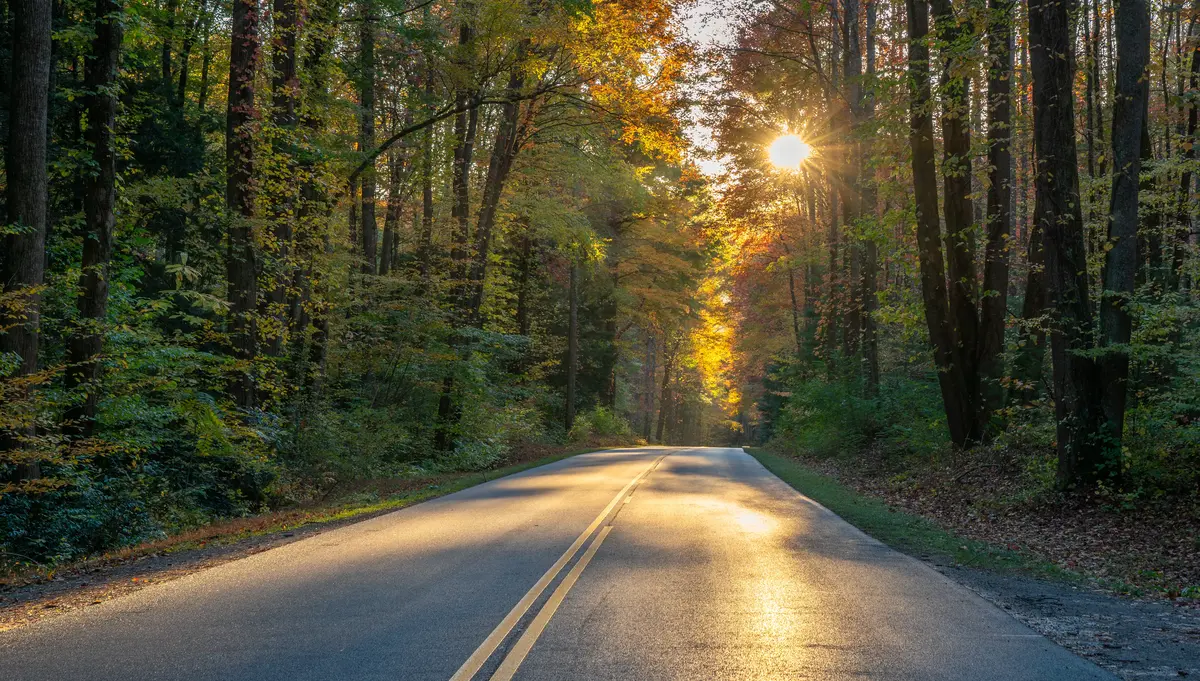
Local Expert Takeaway: Cypress Grove Nature Park is the detail that catches people off guard. A 265-acre bald-cypress wetland with over 5,000 feet of elevated boardwalk, free admission, and a working raptor center — sitting a few minutes from downtown — is not what most people expect from a mid-sized Tennessee city. Pair it with Pinson Mounds for trail hiking, Beech Lake for a fishing day trip, and the West Tennessee Healthcare Sportsplex for youth sports, and Jackson's outdoor calendar fills out quickly without requiring a long drive anywhere.
Quick Takeaways & FAQs
✅ Cypress Grove Nature Park offers 265 acres of free bald-cypress boardwalk birding minutes from downtown — a genuine standout for a city of Jackson's size.
⚠️ The outdoor pools and some recreational facilities follow a seasonal calendar, so summer demand can be high; plan ahead rather than showing up on a hot Saturday expecting an easy entry.
📍 Pinson Mounds State Archaeological Park — the largest Middle Woodland Period mound site in the US — is accessible via US-45 just south of the city and charges no admission.
Is Cypress Grove Nature Park worth visiting if I'm not a birder?
Does Jackson have good fishing nearby?
What parks and recreation facilities does the city of Jackson operate?
How far is Pinson Mounds State Archaeological Park from Jackson?
Is there outdoor recreation near Jackson beyond the city's own parks?
Moving to Tennessee?
Tell us what you need help with and we'll connect you with local resources.
